Architectural Double Tempered Laminated Glass: Advanced Safety & Performance Solutions

Get a Free Quote

Our representative will contact you soon.
Email
Name
Company Name
Message
0/1000

architectural double tempered laminated glass

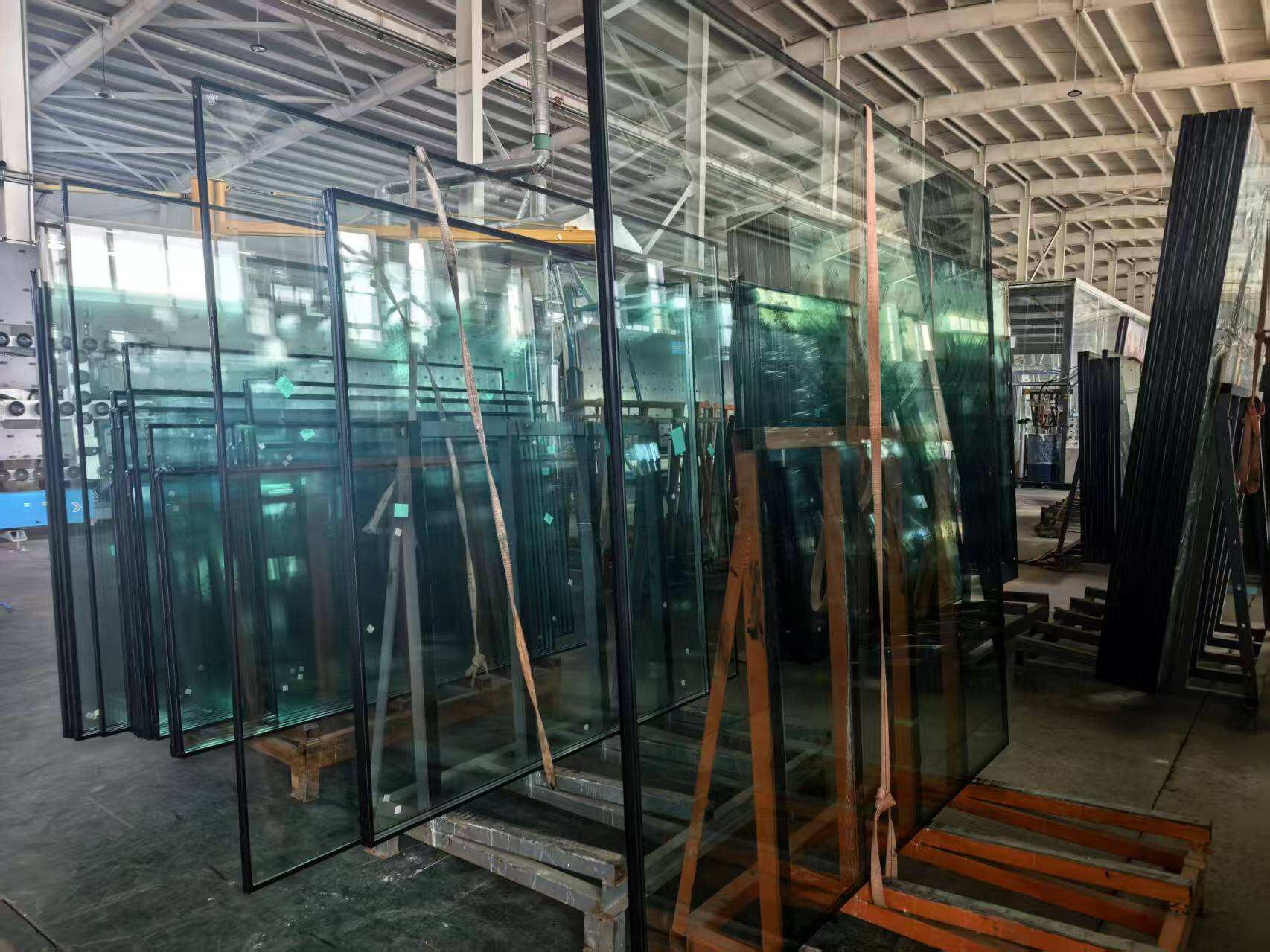
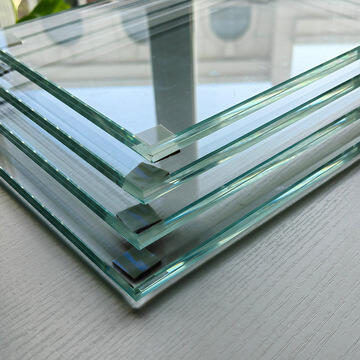
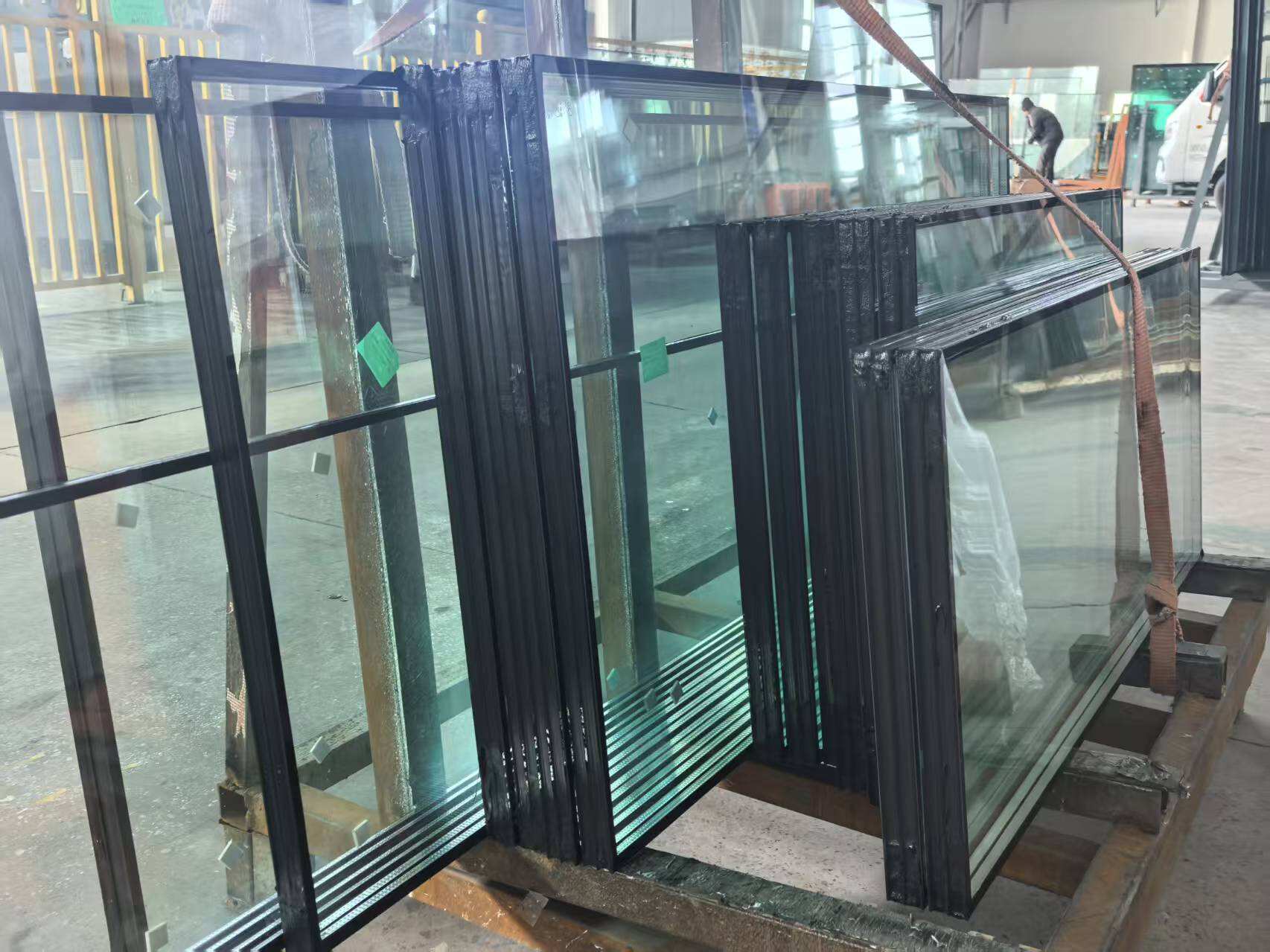
Architectural double tempered laminated glass represents a revolutionary advancement in building material technology, combining the strength of tempered glass with the safety benefits of lamination in a sophisticated dual-layer configuration. This innovative glazing solution consists of two sheets of tempered glass bonded together with an interlayer material, typically polyvinyl butyral (PVB) or ethylene-vinyl acetate (EVA), creating a composite structure that delivers exceptional performance across multiple criteria. The manufacturing process involves subjecting each glass panel to controlled thermal treatment, heating it to approximately 650 degrees Celsius before rapid cooling, which creates internal stresses that significantly increase its strength compared to standard annealed glass. The lamination process then bonds these strengthened panels using specialized adhesive interlayers under heat and pressure, resulting in a unified glazing system that maintains structural integrity even when damaged. Architectural double tempered laminated glass serves multiple critical functions in modern construction projects, primarily providing enhanced safety, security, and structural performance for buildings. The technological features of this advanced glazing include superior impact resistance, improved sound insulation properties, enhanced thermal performance, and excellent optical clarity. The dual tempered configuration ensures that if breakage occurs, the glass fragments into small, relatively harmless pieces while remaining adhered to the interlayer, preventing dangerous shards from falling and potentially causing injury. This makes architectural double tempered laminated glass particularly suitable for overhead glazing applications, curtain wall systems, storefronts, and areas where human safety is paramount. Applications span across commercial buildings, residential developments, institutional facilities, and specialized structures requiring high-performance glazing solutions. The versatility of architectural double tempered laminated glass allows architects and designers to create expansive transparent surfaces while maintaining compliance with stringent building codes and safety regulations, making it an essential component in contemporary architectural design.
New Product Releases

The advantages of architectural double tempered laminated glass extend far beyond traditional glazing solutions, offering building owners and occupants numerous practical benefits that enhance both safety and performance. Safety stands as the primary advantage, as this advanced glazing system provides dual protection through its tempered and laminated construction. When impact occurs, the tempered glass breaks into small, cube-like fragments rather than large, sharp shards, while the laminated interlayer holds these pieces together, preventing them from falling and creating hazardous conditions. This safety feature proves invaluable in high-traffic areas, schools, hospitals, and public buildings where occupant protection remains critical. Security benefits represent another significant advantage, as architectural double tempered laminated glass offers enhanced resistance against forced entry attempts. The laminated construction makes it extremely difficult for intruders to penetrate the glazing quickly or quietly, providing valuable time for security systems to respond and deterring criminal activity. The acoustic performance of architectural double tempered laminated glass surpasses standard glazing options, effectively reducing noise transmission between interior and exterior environments. This sound insulation capability creates more comfortable living and working spaces, particularly beneficial in urban environments with high ambient noise levels. Energy efficiency improvements result from the superior thermal properties of architectural double tempered laminated glass, which helps maintain consistent interior temperatures while reducing heating and cooling costs. The dual-layer construction with interlayer materials provides additional thermal resistance, contributing to overall building energy performance and sustainability goals. Durability represents a long-term advantage, as architectural double tempered laminated glass withstands weather extremes, UV radiation, and daily wear better than conventional glazing materials. This longevity translates into reduced maintenance requirements and lower lifecycle costs for building owners. The optical clarity of architectural double tempered laminated glass remains exceptional, providing unobstructed views while maintaining all safety and performance benefits. Installation flexibility allows this glazing system to accommodate various architectural designs and structural requirements, enabling creative applications in modern construction projects. Weather resistance ensures reliable performance across diverse climatic conditions, from extreme temperatures to severe storms, making architectural double tempered laminated glass suitable for buildings in challenging environments worldwide.

Tips And Tricks

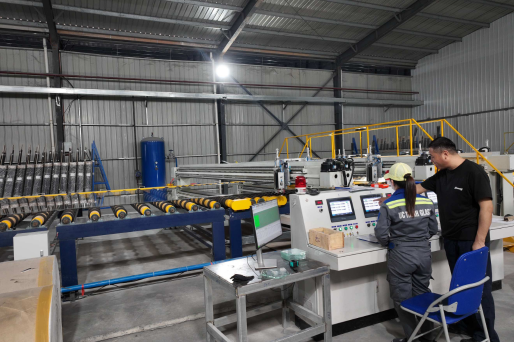
Deepening Roots in the Vietnamese Market, Zero-Distance Quality Control – The Company's Quality Director Works On-Site at the Vietnam Factory

08

Jan

Deepening Roots in the Vietnamese Market, Zero-Distance Quality Control – The Company's Quality Director Works On-Site at the Vietnam Factory

View More
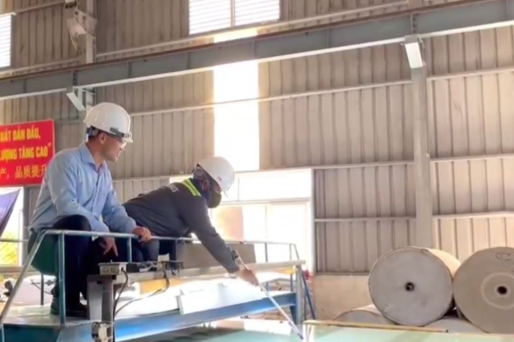
Empowering Product Matrix, Jointly Exploring New Market Opportunities – The Company's Management Team Visits Glass Deep-processing Enterprises to Deepen Industrial Cooperation

08

Jan

Empowering Product Matrix, Jointly Exploring New Market Opportunities – The Company's Management Team Visits Glass Deep-processing Enterprises to Deepen Industrial Cooperation

View More
In-depth Popular Science of Float Glass: Unlocking the Mysteries of the

08

Jan

In-depth Popular Science of Float Glass: Unlocking the Mysteries of the "Transparent Cornerstone" from Raw Materials to Applications

View More

Get a Free Quote

Our representative will contact you soon.
Email
Name
Company Name
Message
0/1000

architectural double tempered laminated glass

Superior Safety and Security Performance

Superior Safety and Security Performance

The superior safety and security performance of architectural double tempered laminated glass sets it apart as the premier choice for modern building applications requiring maximum occupant protection and property security. This exceptional performance stems from the unique combination of tempering and lamination technologies working together to create a glazing system that exceeds standard safety requirements while providing enhanced security features. The tempering process fundamentally alters the glass structure, creating compressive stresses on the surface and tensile stresses in the center, resulting in glass that is approximately four to five times stronger than regular annealed glass. When architectural double tempered laminated glass experiences impact beyond its breaking point, the tempered glass breaks into small, relatively harmless granular pieces rather than large, dangerous shards that could cause severe injury. The laminated interlayer, typically composed of polyvinyl butyral or similar materials, acts as a safety net that holds these fragments in place, preventing them from falling and creating hazardous conditions on floors or walkways below. This safety feature proves particularly crucial in overhead glazing applications such as skylights, canopies, and atriums where falling glass poses significant risks to occupants below. From a security perspective, architectural double tempered laminated glass provides formidable resistance against forced entry attempts, vandalism, and impact from flying debris during severe weather events. The laminated construction requires sustained, deliberate effort to penetrate, making it an effective deterrent against opportunistic break-ins while providing building occupants with valuable time to respond to security threats. Even when the glass surface is compromised, the interlayer maintains the barrier integrity, preventing easy access through the opening. This security performance makes architectural double tempered laminated glass ideal for ground-level applications in retail environments, government buildings, schools, and residential properties where security concerns are paramount. The combination of safety and security features in architectural double tempered laminated glass provides building owners with comprehensive protection that addresses both accidental impacts and intentional threats, making it an invaluable investment in occupant safety and property protection.
Exceptional Acoustic and Thermal Insulation Properties

Exceptional Acoustic and Thermal Insulation Properties

The exceptional acoustic and thermal insulation properties of architectural double tempered laminated glass deliver significant comfort and energy efficiency benefits that enhance building performance and occupant satisfaction. These insulation characteristics result from the sophisticated multi-layer construction that includes two tempered glass panels separated by specialized interlayer materials, creating a system that effectively controls both sound transmission and heat transfer. The acoustic performance of architectural double tempered laminated glass substantially reduces noise pollution from external sources, creating quieter interior environments that improve productivity, concentration, and overall comfort for building occupants. The laminated interlayer acts as a dampening material that absorbs sound vibrations, while the dual glass layers provide additional mass that helps block noise transmission. This sound reduction capability proves particularly valuable in urban environments where traffic noise, construction activities, and other external sounds can significantly impact interior comfort levels. The acoustic benefits extend to both high and low-frequency sounds, providing comprehensive noise control that standard single-pane or even double-pane glazing systems cannot match. Thermal insulation properties of architectural double tempered laminated glass contribute significantly to building energy efficiency by reducing heat transfer between interior and exterior environments. The multi-layer construction creates thermal resistance that helps maintain consistent interior temperatures, reducing the workload on heating and cooling systems throughout the year. During summer months, architectural double tempered laminated glass helps prevent unwanted heat gain, keeping interior spaces cooler and reducing air conditioning costs. In winter, the same thermal resistance helps retain interior heat, minimizing heating system demands and associated energy consumption. The interlayer materials used in architectural double tempered laminated glass can be engineered with specific thermal properties to enhance insulation performance further, allowing designers to optimize glazing systems for particular climate conditions and building requirements. These thermal benefits contribute to overall building sustainability by reducing energy consumption, lowering carbon footprints, and helping buildings achieve green certification standards. The combination of acoustic and thermal insulation properties in architectural double tempered laminated glass creates interior environments that are not only more comfortable but also more conducive to productivity and well-being, making it an essential component for high-performance building design.
Versatile Design Flexibility and Weather Resistance

Versatile Design Flexibility and Weather Resistance

The versatile design flexibility and exceptional weather resistance of architectural double tempered laminated glass enable architects and designers to create innovative building solutions while ensuring long-term performance reliability across diverse environmental conditions. This versatility stems from the advanced manufacturing processes and material properties that allow architectural double tempered laminated glass to be customized for specific applications while maintaining superior structural integrity and performance characteristics. Design flexibility manifests in numerous ways, including the ability to create large, unobstructed glazed surfaces that maximize natural light penetration and provide expansive views. The strength of architectural double tempered laminated glass enables the use of larger panel sizes with minimal structural support, allowing for clean, modern architectural aesthetics that would be impossible with weaker glazing materials. This capability proves particularly valuable in contemporary commercial and residential projects where floor-to-ceiling windows and curtain wall systems create striking visual impact. The glazing can be manufactured in various thicknesses, configurations, and optical properties to meet specific project requirements, including options for tinted glass, low-emissivity coatings, and decorative interlayers that add aesthetic appeal while maintaining performance benefits. Weather resistance represents a critical advantage that ensures architectural double tempered laminated glass maintains its performance and appearance throughout its service life, regardless of environmental challenges. The laminated construction protects against UV radiation degradation, preventing the yellowing or clouding that can affect other glazing materials over time. Temperature extremes, from intense summer heat to freezing winter conditions, have minimal impact on the structural integrity and optical properties of architectural double tempered laminated glass. The system effectively resists thermal cycling stresses that can cause failure in lesser materials. Wind loads and impact from hail, flying debris, or other weather-related hazards are effectively managed by the tempered strength and laminated safety features. Moisture resistance prevents water infiltration and associated problems such as fogging or delamination that can compromise both performance and aesthetics. The durability of architectural double tempered laminated glass in challenging weather conditions translates into reduced maintenance requirements, lower replacement costs, and extended service life that provides excellent long-term value for building owners and occupants.

Get a Free Quote

Our representative will contact you soon.
Email
Name
Company Name
Message
0/1000