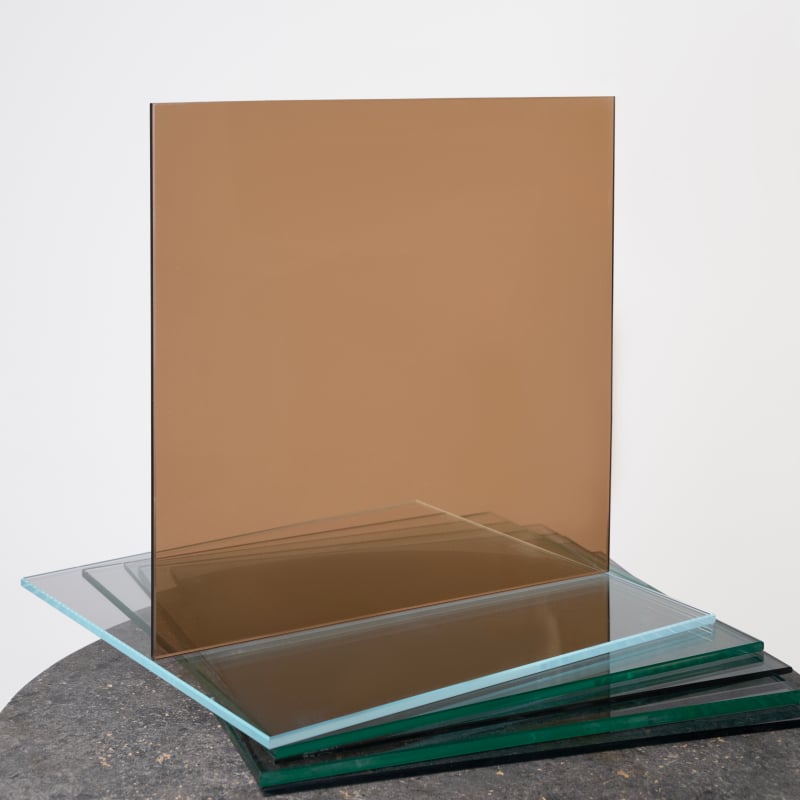
Kahanga-hangang Tibay at Mababang-Pagpapanatili ng Pagganap
Ang mga katangiang tibay ng kulay na tempered glass ay nagdudulot ng exceptional long-term value sa pamamagitan ng superior resistance sa environmental factors, pisikal na pagsusuot, at chemical exposure na karaniwang nagpapabagsak sa iba pang mga materyales sa gusali. Ang tempering process ay lumilikha ng istraktura ng glass na nagpapakita ng remarkable resistance sa scratching, chipping, at surface damage, na nagpapanatili ng pristine appearance kahit sa mataas na daloy ng tao o harsh environmental conditions. Ang tibay na ito ay nagmumula sa compressed surface layer na nabuo sa panahon ng tempering, na nangangailangan ng mas malaking puwersa upang magsimula ng damage kumpara sa regular glass surfaces. Ang weather resistance capabilities ay nagsisigurong maaasahan ang kulay na tempered glass sa iba't ibang kondisyon ng klima, mula sa extreme cold na nagdudulot ng material contraction hanggang sa intense heat na nagdudulot ng thermal expansion. Ang thermal shock resistance ay nagpipigil sa pag-crack o pagkabigo sa panahon ng mabilis na pagbabago ng temperatura na nangyayari sa panahon ng seasonal transitions o araw-araw na heating at cooling cycles. Ang chemical resistance properties ay nagpoprotekta laban sa pagkasira mula sa mga cleaning products, environmental pollutants, acid rain, at salt exposure sa coastal environments, na nagpapanatili ng parehong structural integrity at aesthetic appearance sa loob ng maraming dekada ng serbisyo. Ang color stability ay kumakatawan sa isang mahalagang tibay na kalamangan, dahil ang integrated coloration process ay lumilikha ng permanenteng kulay na resistant sa fading, chalking, o pagbabago kapag nakalantad sa ultraviolet radiation, extreme temperatures, o chemical exposure. Ang permanensyang ito ng kulay ay nag-e-eliminate ng pangangailangan para sa refinishing o recoloring procedures na kailangan ng iba pang kulay na materyales sa gusali upang mapanatili ang itsura. Ang mga pangangailangan sa maintenance ay nananatiling minimal sa buong service life, na kadalasang nangangailangan lamang ng routine cleaning gamit ang standard glass cleaning products at teknik. Ang makinis, non-porous na surface ay resistant sa staining mula sa dumi, polusyon, o biological growth, na nagpapasimple sa mga pamamaraan ng paglilinis at binabawasan ang dalas ng maintenance. Ang impact resistance durability ay nagsisigurong kayang-tiisin ng kulay na tempered glass ang aksidental na contact, wind-borne debris, at seismic movement nang walang pagkabigo, na binabawasan ang gastos sa pagpapalit at mga pagkakasira sa serbisyo. Ang structural stability ay nananatiling pare-pareho sa paglipas ng panahon, nang walang pagkasira sa mga katangiang lakas na maaaring makompromiso sa safety performance o magdulot ng maagang pagpapalit. Ang long-term cost benefits ay nag-a-accumulate sa pamamagitan ng nabawasang gastos sa maintenance, mas mahabang replacement intervals, at pare-parehong performance na nag-e-eliminate sa hindi inaasahang gastos dahil sa pagkabigo. Kasama sa mga pakinabang ng installation longevity ang compatibility sa paggalaw ng gusali, thermal expansion accommodation, at structural settling na maaaring makasira sa mas hindi matibay na glazing materials.

 EN
EN