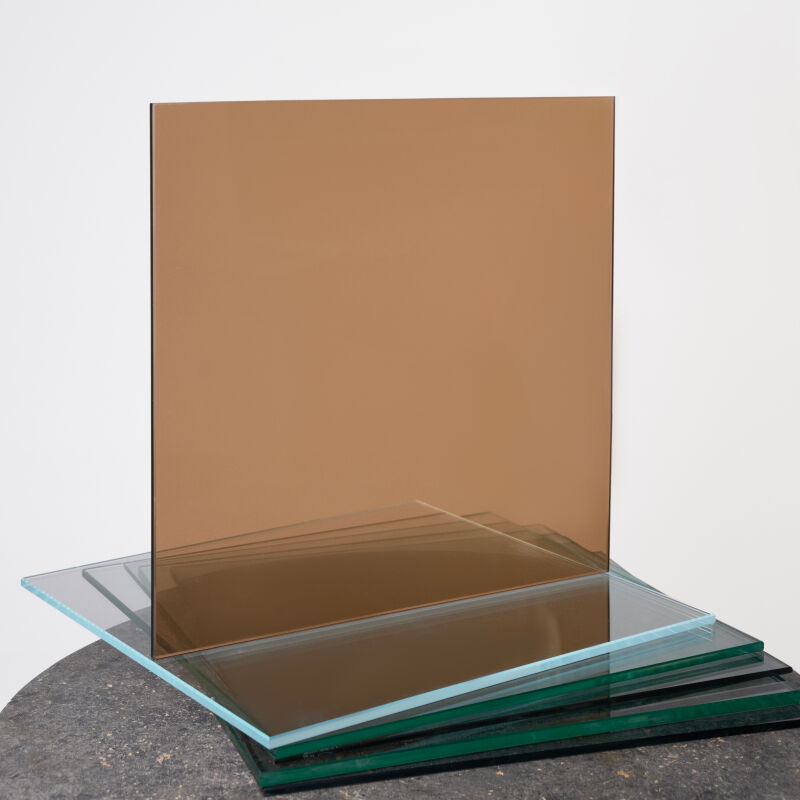
Premium Colored Tempered Glass - Superior Safety, Durability & Aesthetic Excellence

Get a Free Quote

Our representative will contact you soon.
Email
Name
Company Name
Message
0/1000

colored tempered glass

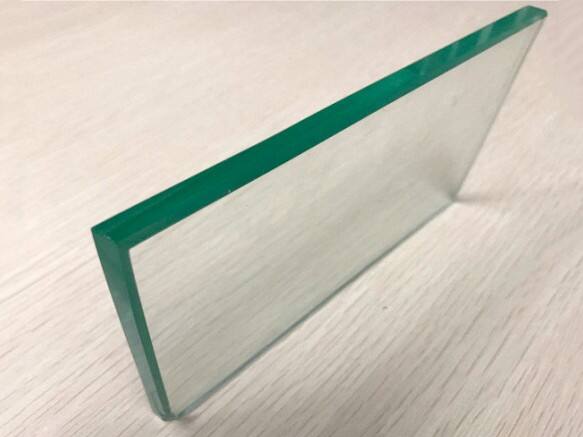
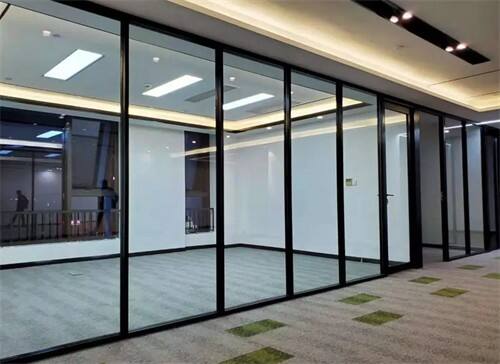
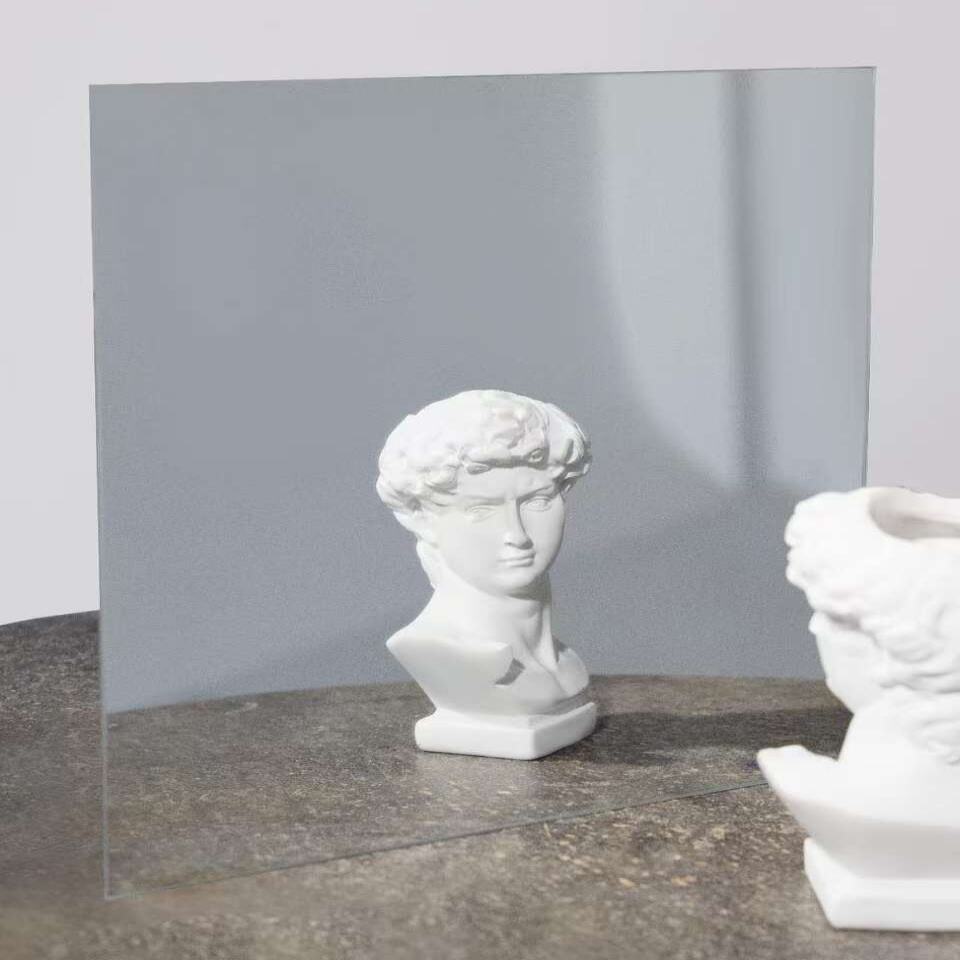
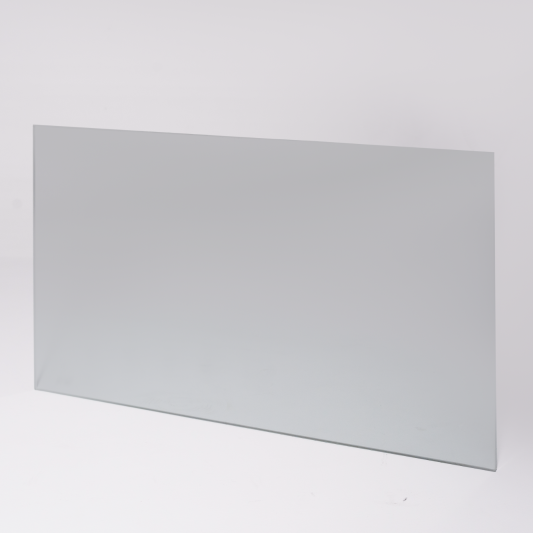
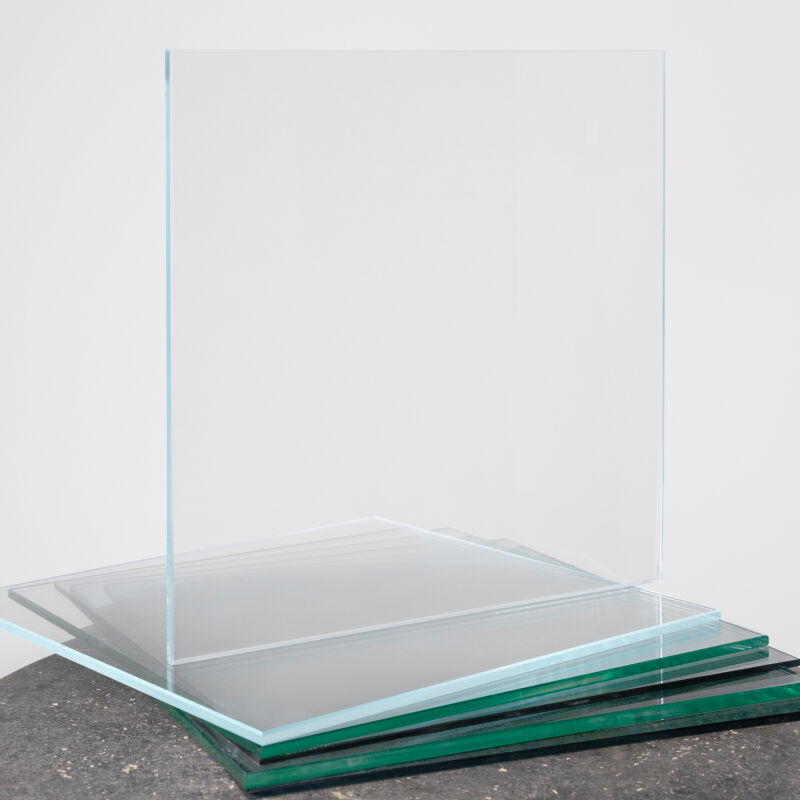
Colored tempered glass represents a revolutionary advancement in architectural and decorative glazing solutions, combining aesthetic appeal with exceptional strength and safety features. This specialized glass product undergoes a rigorous thermal tempering process that increases its strength by up to five times compared to regular annealed glass, while simultaneously incorporating vibrant colors throughout its structure. The manufacturing process involves heating the glass to temperatures exceeding 600 degrees Celsius, followed by rapid cooling with controlled air jets, creating internal stress patterns that enhance durability and impact resistance. The coloring process utilizes advanced ion-exchange technology or metallic oxide integration during production, ensuring uniform color distribution and fade resistance. Colored tempered glass serves multiple functions across residential, commercial, and industrial applications. Its primary function as a safety glazing material makes it ideal for areas requiring human protection, as it breaks into small, relatively harmless fragments rather than dangerous shards when subjected to extreme force. The thermal properties enable superior heat resistance, making it suitable for applications involving temperature fluctuations. From a technological standpoint, colored tempered glass incorporates cutting-edge manufacturing techniques that ensure consistent quality and performance. The tempering process creates compressive stress on the surface while maintaining tensile stress in the core, resulting in enhanced mechanical strength and thermal shock resistance. Applications span across architectural facades, interior partitions, balustrades, shower enclosures, furniture components, automotive glazing, and decorative installations. The versatility of colored tempered glass makes it particularly valuable in modern construction projects where designers seek to balance functionality with aesthetic excellence, providing architects and builders with reliable solutions that meet stringent safety standards while delivering exceptional visual impact.

New Products

Colored tempered glass offers numerous practical benefits that make it an superior choice for various construction and design projects. The enhanced safety characteristics provide peace of mind for property owners and occupants, as this glass type significantly reduces injury risks during breakage incidents. When colored tempered glass breaks, it fragments into small, cube-like pieces with dulled edges, minimizing the potential for severe cuts or lacerations. This safety feature makes it particularly valuable in high-traffic areas, children's spaces, and commercial environments where liability concerns are paramount. The thermal performance advantages extend beyond basic heat resistance, offering excellent thermal shock resistance that prevents cracking during rapid temperature changes. This characteristic proves especially beneficial in climates with extreme weather variations or applications involving heating and cooling systems. Property owners appreciate the energy efficiency benefits, as colored tempered glass can be engineered to provide specific light transmission and heat reflection properties, potentially reducing energy costs associated with lighting and climate control systems. The durability advantages translate into long-term cost savings through reduced maintenance requirements and extended service life. Unlike regular glass, colored tempered glass resists scratching, weathering, and chemical damage, maintaining its appearance and structural integrity over decades of use. The color integration process ensures fade resistance, preserving aesthetic appeal even under prolonged exposure to ultraviolet radiation and harsh environmental conditions. Installation flexibility represents another significant advantage, as colored tempered glass can be customized to meet specific dimensional requirements and performance specifications. The manufacturing process allows for various thicknesses, sizes, and edge treatments, accommodating diverse architectural designs and structural requirements. Maintenance simplicity appeals to building managers and homeowners alike, as the smooth, non-porous surface resists staining and requires only standard cleaning procedures to maintain optimal appearance. The versatility in design applications enables creative solutions for both functional and decorative purposes, allowing designers to achieve specific aesthetic goals while meeting necessary performance criteria.

Tips And Tricks

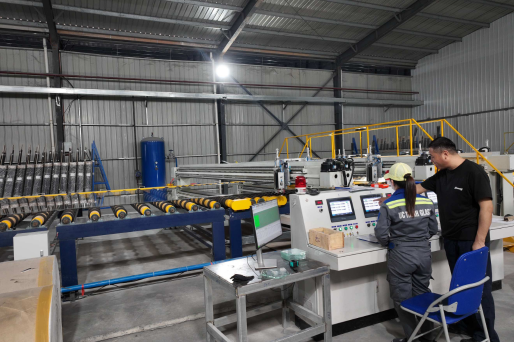
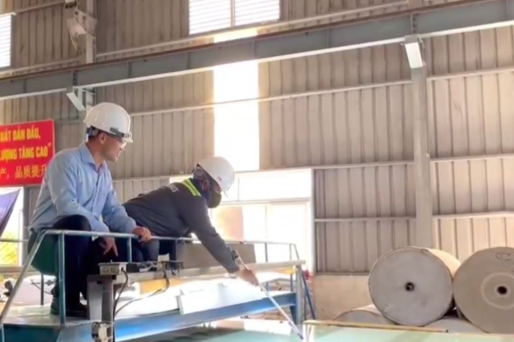
Deepening Roots in the Vietnamese Market, Zero-Distance Quality Control – The Company's Quality Director Works On-Site at the Vietnam Factory

08

Jan

Deepening Roots in the Vietnamese Market, Zero-Distance Quality Control – The Company's Quality Director Works On-Site at the Vietnam Factory

View More
Empowering Product Matrix, Jointly Exploring New Market Opportunities – The Company's Management Team Visits Glass Deep-processing Enterprises to Deepen Industrial Cooperation

08

Jan

Empowering Product Matrix, Jointly Exploring New Market Opportunities – The Company's Management Team Visits Glass Deep-processing Enterprises to Deepen Industrial Cooperation

View More
In-depth Popular Science of Float Glass: Unlocking the Mysteries of the

08

Jan

In-depth Popular Science of Float Glass: Unlocking the Mysteries of the "Transparent Cornerstone" from Raw Materials to Applications

View More

Get a Free Quote

Our representative will contact you soon.
Email
Name
Company Name
Message
0/1000

colored tempered glass

Superior Safety Performance Through Advanced Tempering Technology

Superior Safety Performance Through Advanced Tempering Technology

The safety performance of colored tempered glass represents its most critical advantage, delivering unparalleled protection through sophisticated manufacturing processes that fundamentally alter the glass structure. The tempering procedure creates a unique stress distribution pattern where the outer surfaces maintain compressive stress while the interior core experiences tensile stress, resulting in glass that is approximately five times stronger than standard annealed glass. This enhanced strength means colored tempered glass can withstand significantly higher impact forces, wind loads, and thermal stresses without failure, making it essential for applications where human safety is paramount. When breakage does occur, the internal stress pattern causes the glass to fracture into thousands of small, relatively harmless fragments rather than large, dangerous shards that characterize regular glass failure. These fragments, typically measuring less than 6mm in their largest dimension, feature rounded edges that dramatically reduce the risk of severe injury. This breakage pattern has earned colored tempered glass classification as safety glazing material under international building codes and standards. The safety benefits extend beyond impact resistance to include thermal shock protection, where rapid temperature changes that would crack ordinary glass have minimal effect on properly tempered colored glass. This thermal stability prevents dangerous failure scenarios in applications involving heating elements, direct sunlight exposure, or extreme weather conditions. The predictable failure pattern also provides psychological benefits for building occupants who feel more secure knowing that accidental impact will not result in catastrophic glass failure. Safety compliance advantages make colored tempered glass mandatory in many jurisdictions for specific applications including doors, windows near walking surfaces, balustrades, and areas where human contact is likely. The enhanced safety performance reduces liability concerns for property owners and developers while providing peace of mind for families and businesses. Professional installers appreciate the reduced handling risks during installation, as the improved strength characteristics make colored tempered glass less susceptible to damage during transportation and positioning procedures.
Exceptional Aesthetic Versatility and Design Integration

Exceptional Aesthetic Versatility and Design Integration

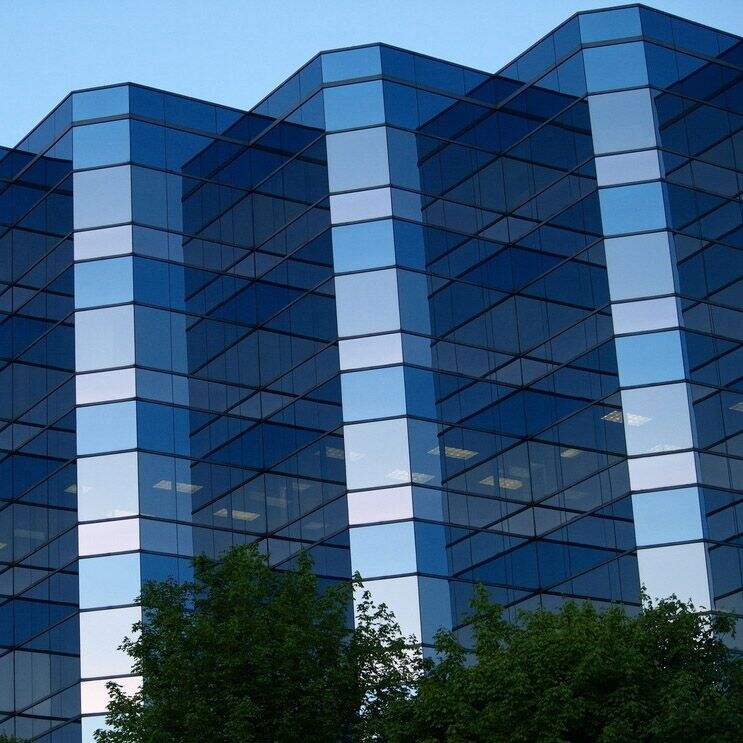
Colored tempered glass offers unprecedented aesthetic versatility that enables architects and designers to achieve sophisticated visual effects while maintaining essential safety and performance characteristics. The color integration process occurs during manufacturing, where metallic oxides or ion-exchange techniques create permanent, fade-resistant coloration throughout the glass matrix rather than surface treatments that may deteriorate over time. This manufacturing approach ensures color consistency, depth, and longevity that cannot be achieved through alternative methods such as films, coatings, or surface treatments. The available color palette spans virtually the entire spectrum, from subtle neutral tones that complement natural materials to bold, vibrant hues that create striking architectural statements. Custom color matching capabilities allow designers to specify precise color requirements that coordinate with existing materials, brand colors, or specific design concepts. The transparency characteristics can be adjusted during production to create various opacity levels, from fully transparent colored glass that maintains clear visibility to translucent options that provide privacy while allowing light transmission. Texture integration possibilities expand design options further, with capabilities for incorporating patterns, gradients, or multi-tonal effects that create dynamic visual interest. The aesthetic durability ensures that colored tempered glass maintains its appearance throughout extended service life, resisting fading, discoloration, or degradation that commonly affects other colored building materials. Light interaction properties create additional aesthetic benefits, as colored tempered glass can filter and modify natural light to create specific ambiance effects within interior spaces. The material's ability to be backlit or edge-lit enables creative lighting design solutions for both functional and decorative applications. Architectural integration advantages include compatibility with various framing systems, structural glazing techniques, and installation methods that accommodate diverse design requirements. The manufacturing precision enables consistent color matching across multiple panels, ensuring seamless visual continuity in large installations. Design flexibility extends to shape customization, where colored tempered glass can be produced in curved, angled, or irregular configurations that support innovative architectural concepts while maintaining structural integrity and safety performance.
Outstanding Durability and Low-Maintenance Performance

Outstanding Durability and Low-Maintenance Performance

The durability characteristics of colored tempered glass deliver exceptional long-term value through superior resistance to environmental factors, physical wear, and chemical exposure that commonly degrade other building materials. The tempering process creates a glass structure that exhibits remarkable resistance to scratching, chipping, and surface damage, maintaining pristine appearance even in high-traffic applications or harsh environmental conditions. This durability stems from the compressed surface layer created during tempering, which requires significantly more force to initiate damage compared to regular glass surfaces. Weather resistance capabilities ensure colored tempered glass performs reliably across diverse climatic conditions, from extreme cold that causes material contraction to intense heat that induces thermal expansion. The thermal shock resistance prevents cracking or failure during rapid temperature fluctuations that occur during seasonal transitions or daily heating and cooling cycles. Chemical resistance properties protect against degradation from cleaning products, environmental pollutants, acid rain, and salt exposure in coastal environments, maintaining both structural integrity and aesthetic appearance over decades of service. The color stability represents a crucial durability advantage, as the integrated coloration process creates permanent color that resists fading, chalking, or alteration when exposed to ultraviolet radiation, extreme temperatures, or chemical exposure. This color permanence eliminates the need for refinishing or recoloring procedures that other colored building materials require to maintain appearance. Maintenance requirements remain minimal throughout the service life, typically involving only routine cleaning with standard glass cleaning products and techniques. The smooth, non-porous surface resists staining from dirt, pollution, or biological growth, simplifying cleaning procedures and reducing maintenance frequency. Impact resistance durability ensures colored tempered glass withstands accidental contact, wind-borne debris, and seismic movement without failure, reducing replacement costs and service interruptions. The structural stability remains consistent over time, with no degradation in strength characteristics that might compromise safety performance or require premature replacement. Long-term cost benefits accumulate through reduced maintenance expenses, extended replacement intervals, and consistent performance that eliminates unexpected failure costs. Installation longevity advantages include compatibility with building movement, thermal expansion accommodation, and structural settling that might damage less durable glazing materials.
Get a Free Quote

Our representative will contact you soon.
Email
Name
Company Name
Message
0/1000