EN


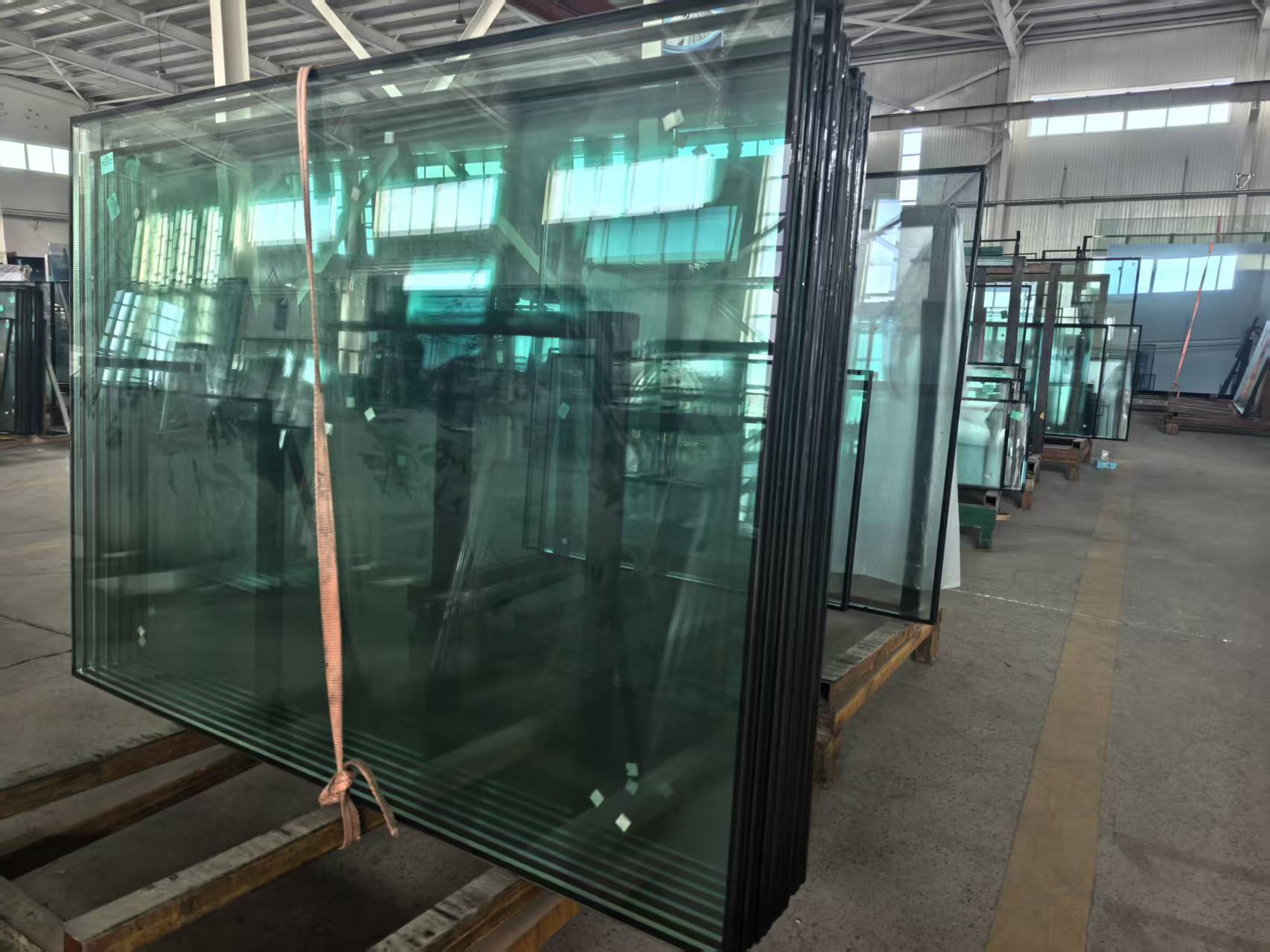
Selecting the right double tempered laminated glass thickness is essential for achieving the balance between structural performance, safety requirements, and cost efficiency in commercial and residential applications. The thickness of double tempered laminated glass directly impacts its ability to withstand impact, control sound transmission, provide thermal insulation, and meet building codes. Understanding the available thickness options for double tempered laminated glass helps architects, builders, and facility managers make informed decisions that align with both regulatory standards and project objectives.
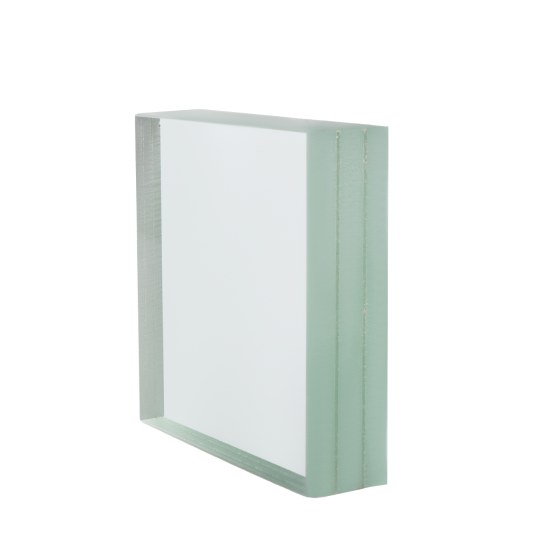
Double tempered laminated glass combines two tempered panes bonded together with an interlayer, creating a composite material that enhances safety, security, and acoustic performance. The thickness of each individual pane and the overall assembly thickness determine how the material responds to environmental stress, impacts, and thermal changes. Specifying the correct thickness for double tempered laminated glass requires understanding load conditions, safety classifications, noise reduction needs, and energy performance targets specific to each application.
Standard Thickness Configurations for Double Tempered Laminated Glass
Common Single Pane Thicknesses
Individual tempered glass panes in a double tempered laminated glass assembly typically range from 4mm to 12mm. The 4mm thickness is commonly used in interior applications, partition walls, and low-impact areas where basic safety compliance is the primary concern. The 6mm thickness represents the most versatile option for double tempered laminated glass and is widely specified for storefronts, office partitions, and light commercial installations where moderate impact resistance and sound dampening are needed.
The 8mm thickness of double tempered laminated glass provides enhanced structural rigidity and improved load-bearing capability, making it suitable for larger unobstructed spans and applications requiring higher safety ratings. The 10mm and 12mm thicknesses deliver maximum strength and durability in double tempered laminated glass, typically reserved for high-security installations, heavy-duty commercial environments, and structural applications where the glass bears significant weight or pressure.
Overall Assembly Thickness
When two tempered panes are laminated together to form double tempered laminated glass, the total thickness includes both glass panes plus the interlayer material. A common double tempered laminated glass configuration might be 6mm + 6mm plus a 0.76mm or 1.52mm polyvinyl butyral (PVB) interlayer, resulting in a total thickness of approximately 13.5mm or 14.3mm. Another popular double tempered laminated glass option is 8mm + 8mm with interlayer, producing an overall thickness near 16.5mm to 17mm, offering superior impact resistance and acoustic attenuation.
Performance Characteristics Based on Thickness Selection
Impact Resistance and Safety Classifications
The thickness of double tempered laminated glass directly determines its impact resistance rating and safety classification under standards such as ASTM C1172 and EN 356. Thinner configurations of double tempered laminated glass, such as 6mm + 6mm, meet basic safety requirements and provide protection against accidental impact and falls. Mid-range thickness options for double tempered laminated glass, including 8mm + 8mm assemblies, resist deliberate impact attempts and satisfy enhanced security classifications for applications vulnerable to break-ins or vandalism.
Thicker specifications of double tempered laminated glass, such as 10mm + 10mm or 12mm + 12mm configurations, achieve ballistic and blast-resistant ratings that protect against forced entry, weapons discharge, and explosive forces. The increased thickness in double tempered laminated glass strengthens the interlayer bond and reduces deflection, enabling the assembly to absorb and dissipate higher energy impacts without separation or failure. Selecting appropriate thickness for double tempered laminated glass ensures compliance with applicable safety standards and provides documented protection for occupants and assets.
Sound Attenuation and Acoustic Performance
Acoustic performance in double tempered laminated glass improves substantially with increased thickness and interlayer mass. A 4mm + 4mm double tempered laminated glass assembly provides modest sound reduction of approximately 30 decibels, suitable for basic noise isolation in moderate environments. A 6mm + 6mm configuration of double tempered laminated glass achieves sound reduction in the 32–35 decibel range, effectively reducing traffic noise, machinery sound, and office chatter in most commercial settings.
Thicker double tempered laminated glass options, such as 8mm + 8mm or 10mm + 10mm, deliver sound reduction ratings of 35–40 decibels, substantially minimizing external noise penetration in noise-sensitive environments like hospitals, recording studios, and high-rise offices. The interlayer thickness contributes significantly to acoustic damping in double tempered laminated glass assemblies. Using a thicker or specialized acoustic interlayer in conjunction with increased glass thickness maximizes the noise reduction benefit of double tempered laminated glass in demanding applications.
Thermal and Energy Performance
Thermal insulation value in double tempered laminated glass increases gradually with glass thickness but plateaus relatively quickly compared to the acoustic benefits. A 6mm + 6mm double tempered laminated glass assembly provides modest U-value improvements over single glazing, while thicker configurations offer incrementally better thermal performance. The interlayer material in double tempered laminated glass contributes minimal insulation compared to air or gas spaces in traditional insulated glazing units.
To maximize energy efficiency, specifying double tempered laminated glass with low-emissivity (Low-E) coatings on one or both panes proves more effective than relying solely on thickness increases. The primary thermal advantage of double tempered laminated glass derives from the air gap when installed in a framing system, rather than the laminated assembly thickness itself. Coordinating glass thickness selection with framing design, orientation, and climate zone ensures optimal energy performance from your double tempered laminated glass installation.
Selecting the Right Thickness for Your Application
Design Load Analysis and Structural Requirements
Begin thickness selection for double tempered laminated glass by conducting a design load analysis that accounts for wind pressure, dead load from the glass weight, and any dynamic or impact forces specific to the installation location. Larger unsupported spans require thicker double tempered laminated glass to limit deflection and prevent stress concentration at attachment points. A skylight or overhead glazing application demands thicker double tempered laminated glass than vertical glazing due to the constant downward load from the glass weight itself.
Horizontal or sloped installations of double tempered laminated glass typically require one thickness category heavier than equivalent vertical applications. Building codes, curtainwall standards, and engineering specifications reference maximum unsupported span tables for double tempered laminated glass at various thicknesses. Working with structural engineers or glazing professionals ensures your double tempered laminated glass thickness selection satisfies all load-bearing requirements while minimizing over-specification and cost.
Code Compliance and Safety Standards
Local building codes and safety regulations mandate minimum thickness requirements for double tempered laminated glass in specific applications. Bathrooms, skylights, and areas accessible to pedestrians typically require laminated glass for safety reasons, with thickness determined by hazard classification and proximity to occupied spaces. Safety glazing standards reference double tempered laminated glass thickness thresholds for impact ratings, fall-through prevention, and human impact tolerance.
High-security installations, healthcare facilities, and retail environments often face stricter double tempered laminated glass thickness requirements to prevent forced entry or vandalism. Reviewing applicable standards such as ASTM E2194 (forced entry), ASTM C1172 (laminated glass specification), and local ADA accessibility guidelines ensures your double tempered laminated glass thickness meets all regulatory obligations. Documentation of compliance and third-party testing certification protects your project from liability and rework costs.
Budget and Lifecycle Considerations
Balancing performance requirements against budget constraints requires understanding the cost-to-benefit relationship of double tempered laminated glass thickness increments. Moving from 6mm + 6mm to 8mm + 8mm double tempered laminated glass increases material cost by approximately 15–20% while delivering proportionally greater acoustic and structural benefits. Thinner configurations of double tempered laminated glass reduce initial capital expenditure but may compromise long-term durability, acoustic comfort, and resale value in demanding environments.
Lifecycle cost analysis of double tempered laminated glass considers initial installation expense, maintenance requirements, replacement frequency, and operational impacts such as heating and cooling efficiency. Selecting double tempered laminated glass thickness that aligns with long-term facility use patterns and performance expectations typically delivers better total cost of ownership than choosing the absolute minimum thickness for code compliance alone.
FAQ
What is the most common thickness for double tempered laminated glass in commercial applications?
The 6mm + 6mm configuration of double tempered laminated glass represents the industry standard for most commercial storefronts, office partitions, and interior glazing applications. This thickness balances safety compliance, acoustic control, structural performance, and cost-effectiveness, making double tempered laminated glass at this thickness suitable for the majority of moderate-risk applications. Thicker or thinner options for double tempered laminated glass are specified based on specific performance or safety requirements beyond standard commercial needs.
How does interlayer thickness affect the performance of double tempered laminated glass?
The interlayer thickness in double tempered laminated glass significantly influences acoustic dampening, impact energy absorption, and post-breakage retention characteristics. A standard 0.76mm interlayer provides basic safety performance in double tempered laminated glass, while upgraded 1.52mm or thicker interlayers substantially improve sound reduction and penetration resistance. Specialized acoustic interlayers in double tempered laminated glass assemblies further enhance noise attenuation beyond what glass thickness alone can achieve.
Can double tempered laminated glass thickness be increased to improve energy efficiency?
While increasing double tempered laminated glass thickness provides minor thermal improvements, the effect is minimal compared to adding Low-E coatings or installing insulated glazing units with air gaps. The primary energy efficiency driver for double tempered laminated glass installations is framing design and air gap configuration rather than glass thickness alone. To maximize energy performance with double tempered laminated glass, specify Low-E coatings and appropriate framing systems tailored to your climate zone rather than relying solely on thickness increases.