EN


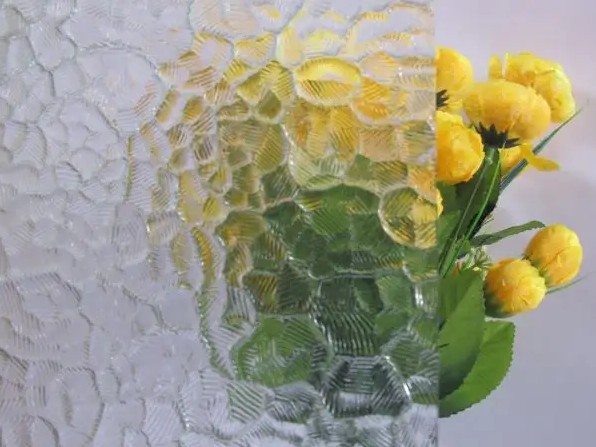
Privacy and natural light are two fundamental requirements in modern building design, yet they often seem to conflict with one another. Traditional solutions like solid walls block light entirely, while standard clear glass offers no privacy at all. Patterned glass emerges as an elegant solution that addresses both needs simultaneously, allowing light to flow freely while obscuring the view into sensitive spaces. This architectural innovation has become increasingly popular in offices, healthcare facilities, residential interiors, and commercial environments where the balance between openness and seclusion matters most.
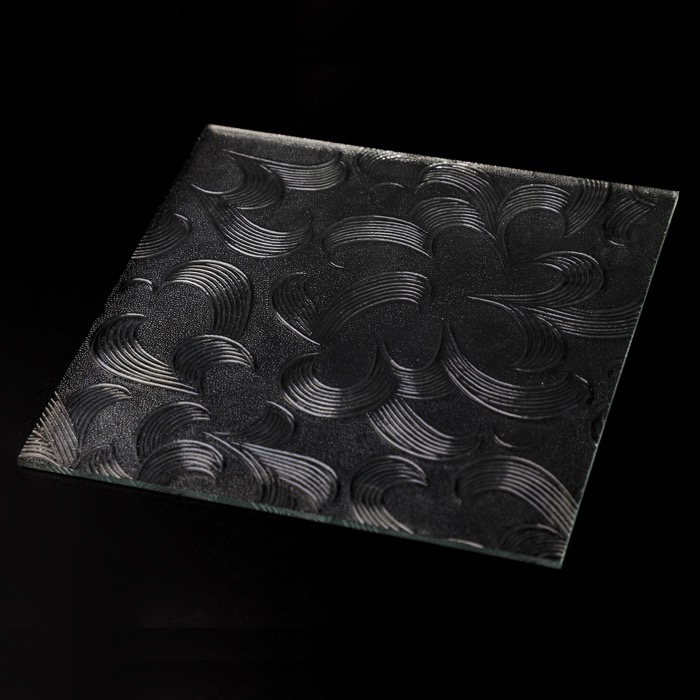
Patterned glass achieves this balance through its surface texture or embedded design, which diffuses light while preventing direct line-of-sight visibility. Unlike blinds or curtains that require maintenance and eventually obstruct light when closed, patterned glass provides a permanent, maintenance-free solution that maintains consistent performance regardless of time of day or weather. The aesthetic appeal of patterned glass also enhances interior design, transforming functional barriers into architectural features that contribute positively to the overall space.
How Patterned Glass Controls Light and Vision
Light Diffusion Through Surface Texture
Patterned glass works by scattering light rays as they pass through the textured surface. When light encounters the irregular pattern on patterned glass, the rays refract and disperse rather than traveling straight through, creating a diffused illumination that brightens interiors without creating harsh glare. This diffusion mechanism is what allows natural light to penetrate spaces while simultaneously obscuring clear vision. The effectiveness of patterned glass depends on pattern density and depth—tighter, deeper patterns block more direct sight lines while potentially reducing light transmission slightly, whereas lighter patterns maintain higher light levels with moderate privacy.
Privacy Performance and Visibility Control
The privacy level offered by patterned glass ranges from partial obscuration to near-complete visual blocking, depending on pattern intensity. Subtle patterns in patterned glass allow blurred shapes and movement detection, making them suitable for interior partitions where some awareness of activity is desirable. Denser patterns in patterned glass eliminate shape recognition entirely, creating zones where activities remain completely private while light still enters freely. This graduated privacy spectrum makes patterned glass adaptable to various use cases, from conference rooms requiring moderate privacy to sensitive medical spaces demanding complete visual separation.
Design and Aesthetic Advantages of Patterned Glass
Visual Interest and Architectural Integration
Beyond functionality, patterned glass contributes significantly to interior aesthetics. The variety of available patterns—from geometric designs to organic textures—allows architects and designers to incorporate patterned glass as a deliberate design element rather than treating it as a necessary compromise. Patterned glass can reflect corporate identity, complement modern minimalist interiors, or enhance transitional spaces with visual appeal. The interplay of light and shadow on patterned glass surfaces creates dynamic visual effects throughout the day as the sun angle changes, introducing subtle movement and interest to static interior environments.
Space Definition Without Visual Barriers
Patterned glass excels at defining distinct zones within open-plan spaces while maintaining a sense of visual continuity. Unlike solid walls, patterned glass partitions using this material preserve the spatial flow and sense of openness that modern workplaces and residences demand. Patterned glass allows multiple functional areas to coexist without the enclosed, compartmentalized feeling that traditional construction creates. This characteristic makes patterned glass particularly valuable in contemporary office design, where collaborative open spaces must occasionally accommodate focused work requiring privacy.
Practical Applications and Performance Considerations
Commercial and Workplace Applications
In corporate environments, patterned glass serves numerous applications where privacy and light balance matter. Conference rooms with patterned glass maintain visibility for scheduling while protecting meeting content from external observation. Private offices separated by patterned glass allow managers to maintain connection with open-floor activity while conducting confidential conversations. Patterned glass in administrative areas screens sensitive documents and activities while preserving the openness that supports communication and collaboration. Healthcare facilities employ patterned glass to separate patient areas while maintaining adequate visibility for safety monitoring, a critical requirement where privacy and oversight both matter.
Residential and Hospitality Uses
Residential applications of patterned glass address privacy concerns in bathrooms, bedrooms, and entryways while maintaining natural light. High-rise residential buildings often use patterned glass for balcony railings and privacy screens, combining safety requirements with aesthetic appeal. In hospitality settings, patterned glass creates upscale environments while providing necessary privacy between guest rooms and corridors. Patterned glass in residential applications often becomes a design statement, with homeowners selecting patterns that reflect personal style or complement architectural details.
Light Transmission and Thermal Considerations
The performance specifications of patterned glass vary based on manufacturing methods and pattern density. Standard patterned glass typically transmits 60–85 percent of visible light, depending on pattern intensity—sufficient for most interior applications where supplemental artificial lighting supports daily operations. Some high-performance patterned glass products achieve higher transmission rates through advanced pattern engineering. Regarding thermal properties, patterned glass offers comparable insulation to standard glass when installed in modern framing systems, though the surface pattern has minimal impact on U-value performance. For applications requiring thermal efficiency, patterned glass can be manufactured with low-emissivity coatings or as insulated units, maintaining privacy benefits while meeting energy codes.
FAQ
Does patterned glass provide complete privacy?
The privacy level of patterned glass depends on pattern density and design. Dense patterns in patterned glass eliminate shape recognition and prevent identification of people or detailed activities, providing substantial privacy. However, very subtle patterns in patterned glass may allow blurred silhouettes and movement detection. For maximum privacy, select high-density patterned glass specifically engineered for vision blocking. For spaces where moderate privacy suffices—such as general office partitions—lighter patterned glass patterns offer adequate seclusion while maximizing light transmission.
Will patterned glass reduce natural light significantly?
Most patterned glass products transmit 60–85 percent of available natural light, meaning the reduction is modest compared to solid walls or heavy window treatments. Lighter patterns in patterned glass maintain higher light transmission, while denser patterns reduce transmission by a greater percentage. For spaces with abundant natural light sources or supplemental artificial lighting, the light reduction from patterned glass remains negligible and rarely creates dim conditions. High-performance patterned glass engineered for light transmission can achieve up to 90 percent visibility while maintaining privacy benefits.
Is patterned glass suitable for exterior applications?
Yes, patterned glass is available for exterior use, though specifications differ from interior applications. Exterior patterned glass must resist weathering, UV exposure, and temperature fluctuations, requiring tempering and sometimes special coatings. Building-code-compliant tempered patterned glass is commonly used for balcony railings, exterior partitions, and weather-exposed privacy screens. For exterior applications, verify that patterned glass products meet applicable safety codes and have appropriate durability ratings for your climate zone. Manufacturers provide detailed specifications for exterior patterned glass installations, ensuring long-term performance and aesthetic consistency.