EN

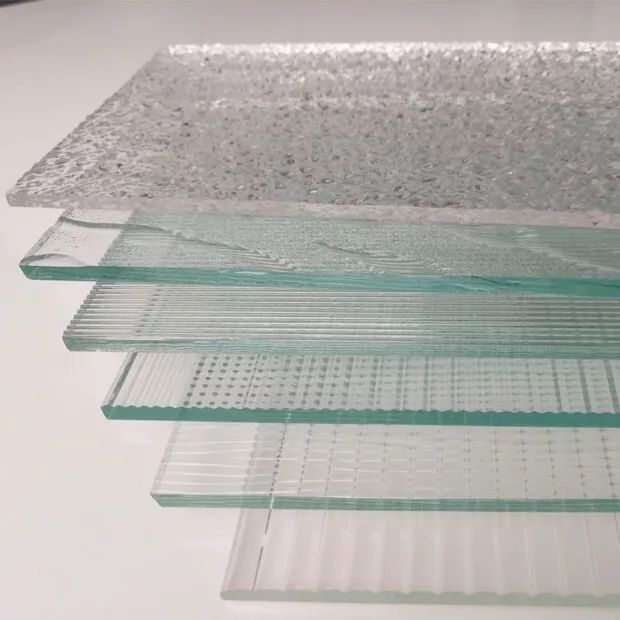
Patterned glass has emerged as a transformative material for modern building design, offering architects and designers an innovative way to enhance decorative building facades while maintaining structural integrity and energy efficiency. The integration of patterned glass into facade systems represents a significant evolution in how buildings communicate their aesthetic vision to the surrounding environment. Beyond pure aesthetics, patterned glass delivers measurable benefits in light control, privacy, and visual interest that traditional smooth glass cannot provide. This article explores how patterned glass improves decorative building facades and why it has become an essential consideration for contemporary architectural projects.
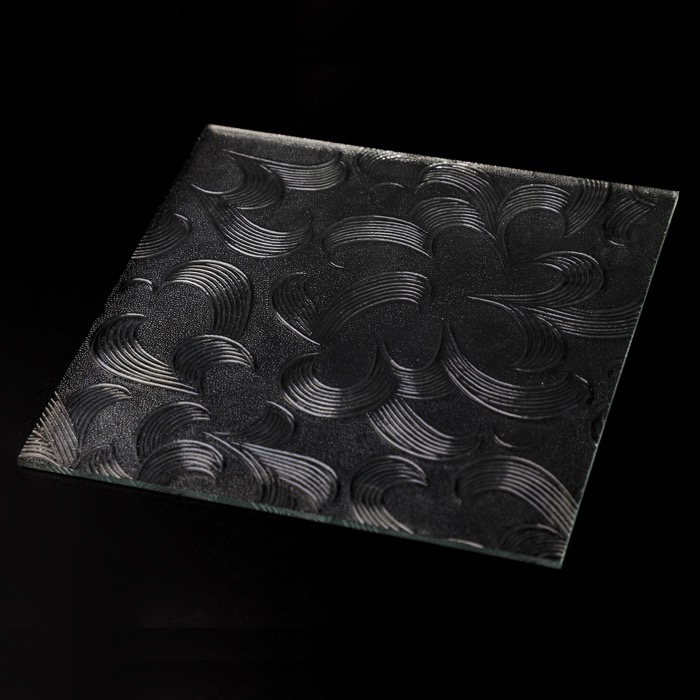
The demand for patterned glass in decorative applications continues to grow as building owners recognize its dual functionality. Unlike standard glazing solutions, patterned glass offers visual character while serving practical purposes such as diffusing sunlight, reducing glare, and creating subtle privacy barriers without sacrificing transparency. The versatility of patterned glass makes it suitable for diverse architectural styles, from contemporary minimalist designs to heritage-conscious restorations.
How Patterned Glass Transforms Facade Aesthetics
Creating Visual Depth and Character
Patterned glass fundamentally changes how a building facade presents itself to viewers at different distances and angles. When sunlight passes through patterned glass, it creates dynamic shadow patterns that evolve throughout the day, adding temporal dimension to the facade design. This interplay between light and shadow transforms a static surface into a living, breathing element that responds to natural conditions. Architects leverage patterned glass to establish brand identity, cultural expression, or regional design vernacular through carefully selected patterns that resonate with the building's purpose and surrounding context.
Design Flexibility and Customization
Modern manufacturing enables patterned glass to be produced in virtually unlimited configurations, allowing designers to translate artistic visions into functional building envelopes. Whether implementing geometric precision, organic forms, or company logos, patterned glass accommodates custom specifications that would be prohibitively expensive or structurally compromised in traditional materials. This flexibility empowers architects to differentiate buildings in competitive urban environments while maintaining cost-effectiveness through standardized production processes. The ability to scale patterns across large facade areas ensures visual consistency and dramatic impact without requiring hand-craftsmanship at every installation point.
Functional Advantages Beyond Visual Appeal
Light Management and Energy Performance
Patterned glass addresses critical functional challenges that smooth glass cannot adequately solve. By diffusing direct sunlight, patterned glass reduces glare in interior spaces, improving occupant comfort and reducing strain on artificial lighting systems during daytime hours. The strategic placement of patterned glass panels on south and west-facing facades minimizes solar heat gain during summer months while maintaining daylighting benefits. This performance advantage translates directly into reduced cooling loads and lower operational energy consumption, supporting both sustainability goals and operating cost reduction. Building managers and facility operators recognize patterned glass as a strategic investment in long-term energy efficiency rather than merely a decorative upgrade.
Privacy and Visual Screening
Patterned glass creates layers of privacy without the visual opacity of solid barriers or the maintenance demands of traditional screens. Office workers benefit from the ability to work comfortably without constant awareness of external foot traffic or neighboring buildings, while exterior viewers cannot see clearly into interior spaces. This privacy function becomes particularly valuable in urban environments where building facades sit adjacent to public streets, transit corridors, or neighboring structures. Patterned glass achieves this privacy objective while preserving the transparency and visual lightness that modern architecture prizes, avoiding the bunker-like appearance created by opaque cladding or solid screening systems.
Integration into Contemporary Building Projects
Facade System Integration and Installation
Successful facade projects using patterned glass require thoughtful integration with structural systems, weatherproofing, and thermal performance requirements. Structural engineers confirm that patterned glass meets load ratings and safety factors equivalent to standard glazing, removing technical barriers to widespread adoption. Installation teams follow established protocols developed for curtain walls, storefront systems, and structural glazing applications, minimizing learning curves and project delays. The combination of patterned glass with high-performance frame systems creates unified facade assemblies that perform consistently across thermal, acoustic, and durability criteria. Architects now routinely specify patterned glass knowing that proven installation methods exist and that performance data supports its use in demanding building applications.
Cost Considerations and Return on Investment
While patterned glass may carry slightly higher material costs compared to basic clear glazing, the investment yields measurable returns through energy savings, reduced maintenance, and extended facade lifecycle. Buildings utilizing patterned glass often command premium rental rates or sale prices due to enhanced aesthetic differentiation and superior occupant experience. Over a building's operational lifetime, the combination of energy efficiency, durability, and reduced cleaning requirements justifies the incremental material investment. Project managers and developers evaluate patterned glass not merely as a decorative expenditure but as a strategic specification that strengthens overall project economics and competitive market positioning.
FAQ
Does patterned glass reduce the amount of daylight entering a building?
Patterned glass reduces direct glare and diffuses sunlight rather than blocking it entirely, maintaining strong daylighting performance while improving visual comfort. Most quality patterned glass products transmit 60-80% of incident light depending on pattern density and material composition, comparable to or better than many tinted glass options. Designers must specify patterned glass patterns carefully based on building orientation and interior daylighting requirements to achieve optimal balance between glare control and sufficient daylight penetration.
Can patterned glass be retrofitted onto existing building facades?
Retrofitting patterned glass depends on existing facade construction and structural capacity. Modern curtain wall or storefront systems can often accommodate patterned glass units through direct substitution of glass lites, requiring minimal structural modification. Historic buildings or load-bearing masonry facades may require more extensive assessment and reinforcement to support additional glazing weight. Professional structural evaluation ensures that patterned glass retrofits proceed safely and meet current building codes without compromising the facade's structural integrity.
What maintenance does patterned glass require compared to smooth glass?
Patterned glass requires the same basic cleaning and maintenance as standard glazing, including periodic washing to remove dust, dirt, and environmental residue. The primary difference involves cleaning patterns that have deeper recesses or complex geometries, which may require slightly more frequent attention in dusty environments or locations with heavy atmospheric deposition. Modern cleaning systems and hydrophobic coatings applied to patterned glass can reduce cleaning frequency and improve water shedding, minimizing long-term maintenance labor and associated costs.