EN

When deploying renewable energy systems in extreme environmental conditions, selecting the right materials becomes critical to long-term performance and return on investment. Solar patterned glass has emerged as a specialized solution for photovoltaic installations, combining aesthetic design flexibility with functional optical properties. However, one pressing question remains: can solar patterned glass truly withstand the rigorous demands of harsh climates? Understanding the capabilities, limitations, and real-world performance characteristics of solar patterned glass is essential for engineers, architects, and project developers working in challenging regions. This article explores the suitability of solar patterned glass for severe weather environments, examining how material properties, manufacturing standards, and design considerations influence durability in extreme conditions.
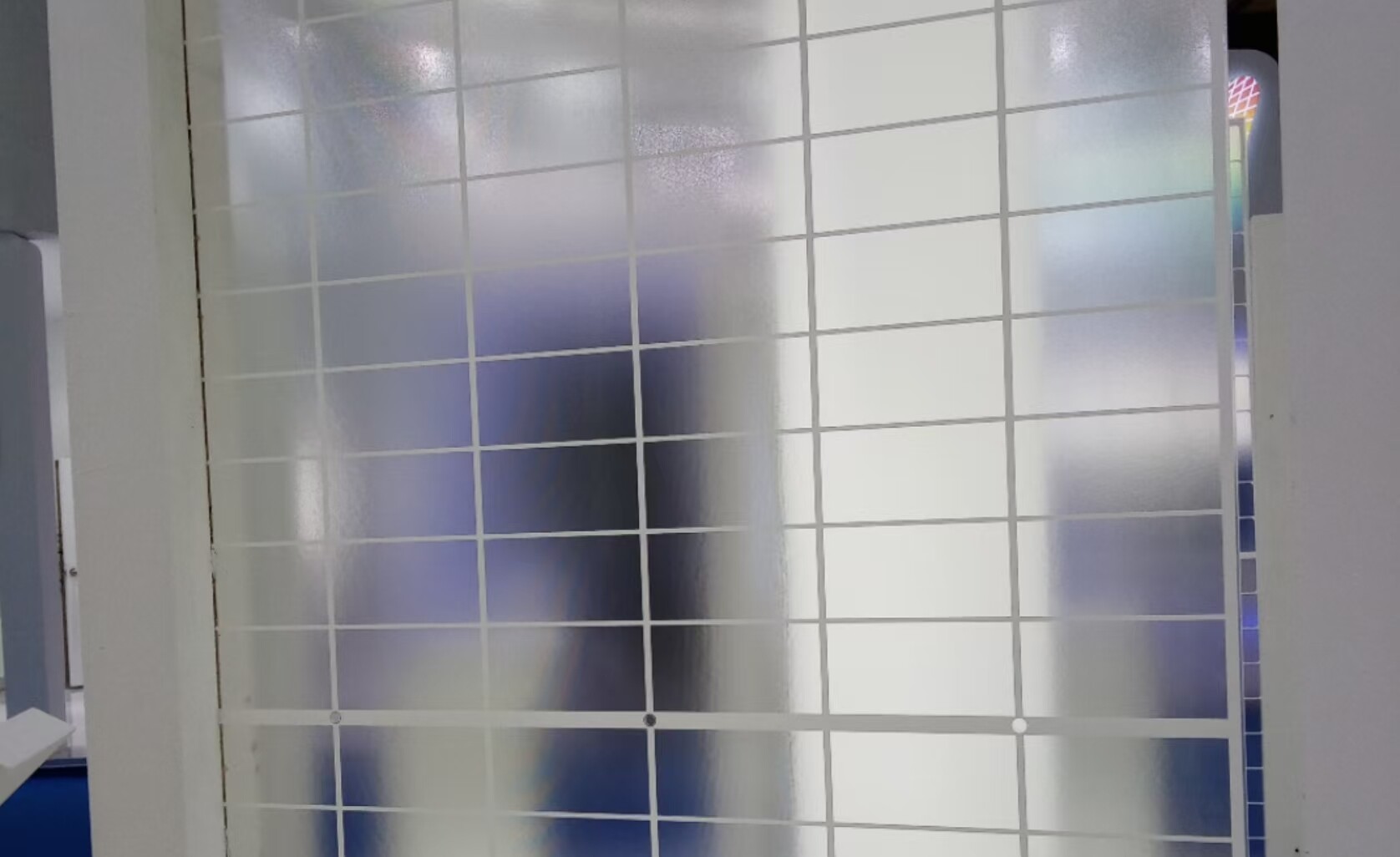
The performance of solar patterned glass in harsh climates depends on multiple factors including material composition, manufacturing quality, installation practices, and environmental exposure patterns. Harsh climates encompass extreme temperature fluctuations, high wind speeds, intense UV radiation, heavy precipitation, salt spray, sand abrasion, and thermal cycling stress. Solar patterned glass must meet rigorous international standards and possess specific physical properties to survive these demanding conditions without compromising optical transmission, structural integrity, or system safety. This comprehensive guide examines whether solar patterned glass delivers reliable performance across diverse extreme environments.
Material Properties and Climate Resilience of Solar Patterned Glass
Tempered Glass Strength and Thermal Stability
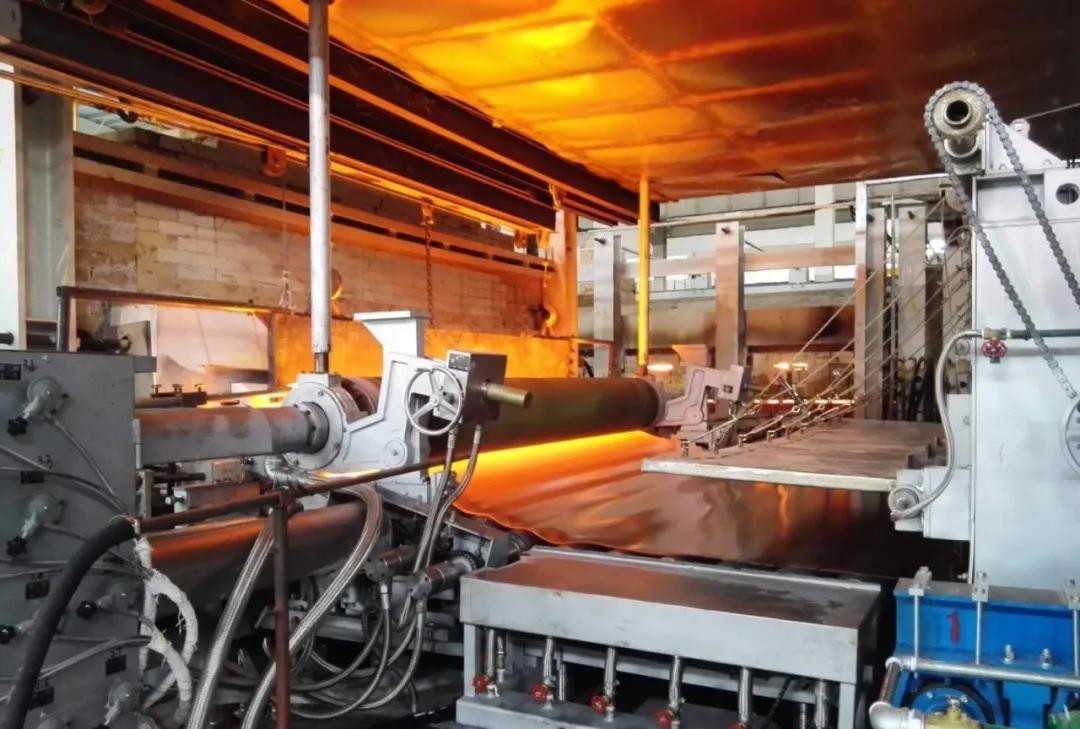
Solar patterned glass typically incorporates tempered glass construction, which provides significantly higher mechanical strength compared to standard annealed glass. Tempering involves heating the glass to high temperatures and then rapidly cooling it, creating internal compressive stress that enhances resistance to mechanical shock and thermal stress. In harsh climates, this tempering process is essential because thermal cycling—where temperatures swing between extreme highs and lows—creates expansion and contraction forces that can fracture untreated glass. Solar patterned glass engineered for severe environments must withstand temperature differentials exceeding 60 degrees Celsius without cracking or delaminating from its supporting frame.
Low-Iron Content and Optical Transmission
The optical quality of solar patterned glass depends heavily on iron content in the base material. Low-iron formulations reduce visible light absorption and increase solar transmittance, allowing more photons to reach the photovoltaic cells beneath. In harsh climates, maintaining consistent optical performance under UV exposure and environmental degradation becomes challenging. High-quality solar patterned glass incorporates anti-reflective coatings and low-iron substrate materials to preserve light transmission over decades of harsh weather exposure. These specialized formulations ensure that solar patterned glass maintains efficiency gains even as environmental conditions deteriorate surrounding surfaces.
Environmental Stressors and Durability Performance
UV Radiation and Material Degradation
Harsh climates with high solar irradiance expose solar patterned glass to intense ultraviolet radiation that can degrade adhesives, encapsulants, and edge seals. Desert regions, high-altitude locations, and equatorial zones present particularly severe UV environments. Quality solar patterned glass resists UV degradation through formulations incorporating UV-absorbing materials and protective coatings. The patterns etched or embedded into solar patterned glass must remain stable under continuous UV bombardment without yellowing, discoloring, or compromising the underlying glass integrity. Manufacturing certifications like IEC 61730 validate that solar patterned glass meets stringent durability requirements for extreme UV exposure.
Thermal Cycling and Mechanical Stress
Temperature fluctuations in harsh climates create repeated expansion and contraction cycles that test the mechanical limits of solar patterned glass. Mountains, deserts, and coastal regions experience daily temperature swings that stress the glass-to-frame interface, seals, and internal glass structure. Solar patterned glass must accommodate these thermal movements without cracking, separating from mounting hardware, or developing micro-fractures that propagate over time. Advanced manufacturing techniques ensure that the patterns in solar patterned glass do not create stress concentration points that accelerate fracture initiation during thermal cycling.
Wind Load and Impact Resistance
Coastal regions and plains subject to high wind speeds demand exceptional mechanical strength from solar patterned glass. Wind loads create negative pressure on module surfaces, suction forces on mounting structures, and potential impact from airborne debris. Tempered solar patterned glass provides superior impact resistance compared to untreated glass, reducing failure rates during storms or hail events. The patterned surface of solar patterned glass must not create aerodynamic features that amplify wind loading or create unexpected stress concentration zones. Proper installation and frame design work in conjunction with robust solar patterned glass material to ensure survival through extreme wind events.
Installation, Testing, and Real-World Performance
Manufacturing Standards and Certification Requirements
Solar patterned glass suitable for harsh climates must meet international standards including IEC 61730 for photovoltaic module safety and IEC 61215 for performance qualification. These certifications validate that solar patterned glass has undergone rigorous environmental testing simulating extreme conditions including temperature cycling, UV exposure, humidity freezing, and mechanical loading. Certified solar patterned glass products demonstrate measurable durability through accelerated aging tests that compress decades of harsh climate exposure into laboratory timescales. Developers and engineers should verify that solar patterned glass selections carry appropriate certifications before deployment in challenging environments.
Field Performance Data and Long-Term Reliability
Real-world deployment of solar patterned glass across diverse harsh climate regions provides valuable performance validation. Desert installations, coastal projects exposed to salt spray, and high-altitude deployments demonstrate that properly engineered solar patterned glass delivers decades of reliable service. The durability record shows that solar patterned glass failures in harsh climates typically result from installation defects, inadequate frame design, or improper sealing rather than inherent material limitations. Long-term field monitoring of solar patterned glass performance confirms that optical transmission remains stable and structural integrity persists through 25+ year service lives in extreme environments.
Installation Best Practices for Extreme Conditions
Maximizing solar patterned glass durability in harsh climates requires careful installation attention including proper frame spacing, appropriate sealant selection, and thermal expansion accommodation. Installers must understand that solar patterned glass materials expand at different rates than aluminum framing, necessitating design features that absorb these differences without creating stress concentration. Corrosion-resistant mounting hardware prevents galvanic attack on frames that could compromise structural support for solar patterned glass modules. Regular maintenance protocols, including cleaning and inspection, extend the functional life of solar patterned glass installations by identifying potential issues before they escalate into material failure.
FAQ
Can solar patterned glass handle extreme temperature swings without cracking?
Yes, tempered solar patterned glass is specifically engineered to withstand significant temperature fluctuations through internal stress distribution achieved during the tempering process. Thermal cycling tests validate that high-quality solar patterned glass maintains structural integrity through hundreds of temperature cycles ranging from extreme cold to intense heat. However, improper installation that restricts thermal expansion or edge damage that compromises the tempered structure can reduce this capability. Solar patterned glass must be selected with appropriate mechanical specifications and installed by experienced professionals to achieve this performance.
How does salt spray affect solar patterned glass durability in coastal regions?
The glass surface of solar patterned glass itself resists salt corrosion, as glass remains chemically stable in salt environments. However, the seals, frames, and mounting hardware surrounding solar patterned glass are vulnerable to salt spray attack. Specialized coatings, stainless steel hardware, and marine-grade sealants protect the mounting structure that supports solar patterned glass modules in coastal applications. The anti-reflective coatings applied to solar patterned glass may show some aesthetic degradation from salt spray, but structural and optical performance remain uncompromised. Periodic rinsing with fresh water helps maintain the appearance of solar patterned glass installations in coastal regions.
What certifications should I verify when selecting solar patterned glass for harsh climates?
When specifying solar patterned glass for demanding environments, verify compliance with IEC 61730 safety standards and IEC 61215 performance qualification tests. These certifications confirm that solar patterned glass has undergone accelerated UV exposure, thermal cycling, humidity freezing, and mechanical stress testing equivalent to harsh climate conditions. Additional certifications such as ASTM C1500 or local building codes may apply depending on project location and regulatory requirements. Reputable suppliers provide detailed test reports and material certifications for solar patterned glass products, enabling engineers to make informed material selections appropriate for specific harsh climate applications.