EN


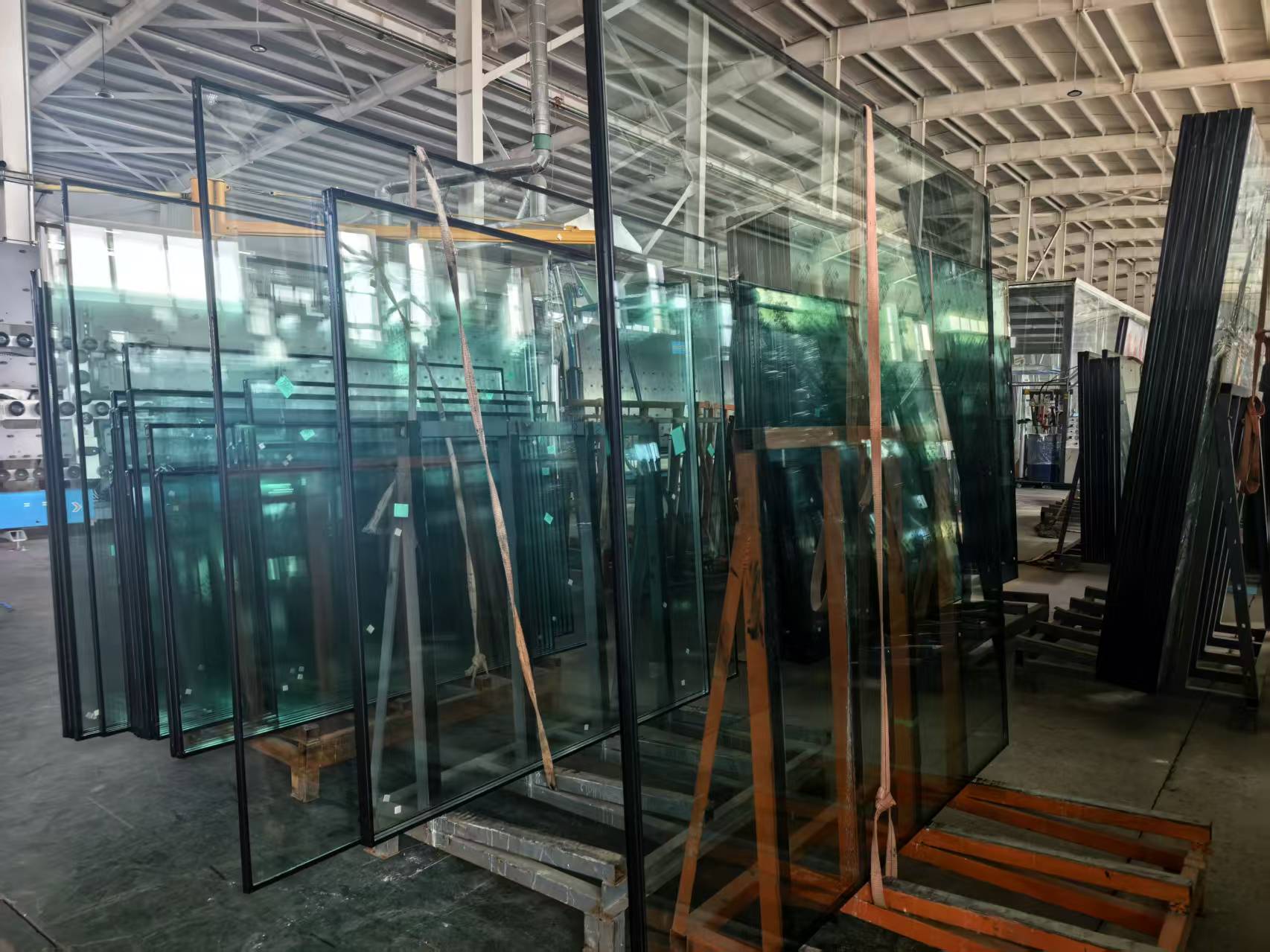
Modern buildings face increasingly complex safety challenges, from severe weather events to accidental impacts and deliberate security threats. Double tempered laminated glass represents a critical advancement in building safety, combining the strength of tempered glass with the protective properties of lamination technology. This specialized glazing solution has become essential for architects, facility managers, and building owners who prioritize occupant protection and property security. Understanding the safety benefits of double tempered laminated glass helps decision-makers choose appropriate materials for high-risk applications and sensitive environments.
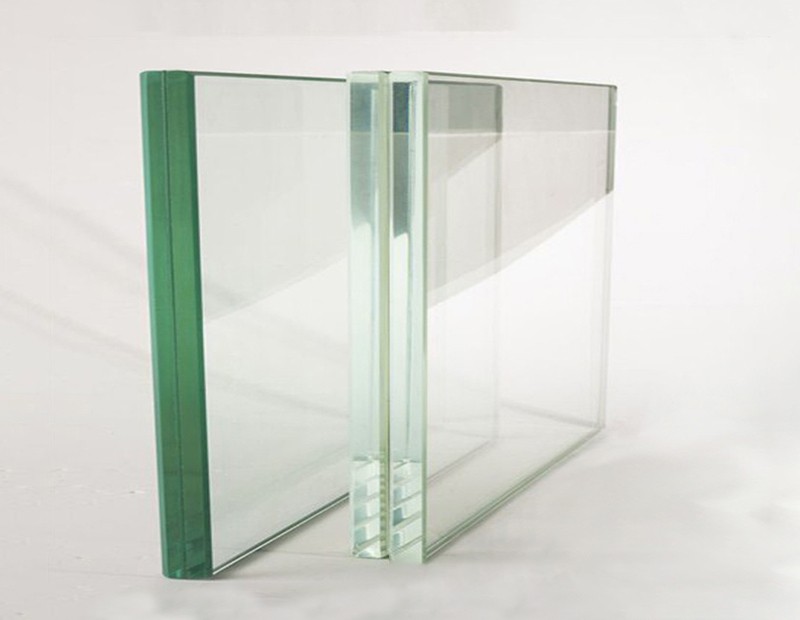
The safety profile of double tempered laminated glass distinguishes it from conventional single-pane or standard laminated alternatives. When double tempered laminated glass is subjected to impact, the tempered outer layers absorb and distribute force across a wider area, while the interlayer prevents fragmentation and maintains structural integrity. This layered defense mechanism creates a resilient barrier that protects building occupants from cuts, lacerations, and flying glass debris during accidents or emergencies. The combination of tempering and lamination transforms glass from a brittle hazard into a reliable safety component.
Impact Resistance and Accident Prevention
Superior Fracture Control in Double Tempered Laminated Glass
Double tempered laminated glass performs exceptionally well under sudden impact conditions that would shatter conventional glazing. The tempering process applies compressive stress to glass surfaces, creating a layer of compression that makes the material significantly stronger than annealed glass. When impact occurs on double tempered laminated glass, the tempered surface layers distribute the force over a larger area rather than creating a single point of failure. The laminate interlayer then holds fragments together, preventing them from becoming dangerous projectiles that could injure people below or nearby. This combination creates a fail-safe mechanism that reduces injury risk dramatically compared to standard glass.
Occupant Protection During Accidents
In workplace and commercial environments, accidental impacts happen regularly. Objects falling from heights, vehicle collisions, and structural failures involving double tempered laminated glass result in dramatically fewer injuries than incidents involving standard glazing. Healthcare facilities, manufacturing plants, and retail spaces benefit from this enhanced protection because fragments remain contained and bonded to the interlayer. Employees and customers are protected from lacerations and puncture wounds that represent the most common glass-related injuries. The psychological benefit of using double tempered laminated glass also matters—workers and visitors feel safer in spaces where safety measures are visibly implemented.
Security Enhancement and Vandalism Resistance
Deliberate Break-In Deterrence
Double tempered laminated glass creates formidable barriers against forced entry attempts that threaten valuable assets and sensitive areas. When individuals attempt to penetrate double tempered laminated glass with tools, weapons, or persistent force, the interlayer absorbs energy and resists separation. This resistance dramatically extends the time required to create an opening, making the penetration attempt noticeable and impractical. Banks, government facilities, jewelry stores, and high-security installations specify double tempered laminated glass because it buys critical time for security response and prevents quick access to restricted areas. The visible durability of double tempered laminated glass also serves as a psychological deterrent that encourages would-be intruders to target less protected locations.
Vandalism and Graffiti Resilience
Urban environments and high-traffic areas present ongoing challenges from vandalism and property damage. Double tempered laminated glass resists breakage from thrown objects, hammers, and other implements that vandals commonly use. Even when scratched or marred by graffiti attempts, the interlayer prevents glass from fragmenting and maintains the structural seal. Building owners and facility managers report significantly lower replacement costs and downtime when double tempered laminated glass is installed compared to standard glazing in vulnerable locations. The durability advantage translates directly into reduced maintenance expenses and improved facility continuity.
Weather Resistance and Environmental Safety
Storm and Blast Protection
Severe weather events including hurricanes, tornadoes, and high-wind storms create dangerous flying debris that penetrates standard glazing systems. Double tempered laminated glass maintains integrity under extreme wind pressures and prevents projectiles from passing through window openings. Buildings in storm-prone regions benefit from the peace of mind that comes with double tempered laminated glass, knowing that occupants remain protected from the violent forces of extreme weather. The interlayer in double tempered laminated glass provides additional shock absorption compared to single-layer tempered alternatives, making it the preferred choice for hurricane-resistant construction standards. Coastal properties, tornado alleys, and high-altitude facilities increasingly require double tempered laminated glass to meet modern building codes.
UV Protection and Long-Term Durability
Double tempered laminated glass provides extended protection against ultraviolet radiation that degrades materials and fades furnishings inside buildings. The interlayer formulation blocks ninety-nine percent of harmful UV rays, protecting occupants from excessive sun exposure while reducing cooling loads and interior fading. Over time, this protective barrier maintains the structural properties of the laminate, preventing degradation from solar exposure. Healthcare facilities, educational institutions, and office spaces benefit from improved occupant comfort and reduced maintenance of interior furnishings when double tempered laminated glass is specified. The long-term durability advantage means that replacement cycles extend significantly compared to standard glazing alternatives.
FAQ
How does double tempered laminated glass differ from regular tempered glass?
Regular tempered glass breaks into small, relatively harmless cubes when shattered, but those fragments still scatter and can cause injuries. Double tempered laminated glass uses two layers of tempered glass bonded by an interlayer, which holds fragments together even after impact. This means that if double tempered laminated glass breaks, it remains largely intact and prevents dangerous fragmentation. The interlayer in double tempered laminated glass also provides additional benefits like UV protection and sound dampening that single tempered glass cannot offer.
Is double tempered laminated glass suitable for all building types?
Double tempered laminated glass works well for high-security areas, ground-floor windows, and applications where safety is paramount, though cost considerations may limit universal adoption. Banks, government buildings, schools, hospitals, and retail spaces with valuable merchandise particularly benefit from specifications including double tempered laminated glass. For residential applications, double tempered laminated glass is often reserved for doors, skylights, and ground-level windows where impact risk is highest. Building codes in storm-prone regions frequently mandate double tempered laminated glass for compliance with safety standards.
What maintenance is required for double tempered laminated glass installations?
Double tempered laminated glass requires standard glass cleaning with non-abrasive materials and neutral pH cleaners to maintain clarity and appearance. The interlayer of double tempered laminated glass rarely requires specialized maintenance beyond regular window cleaning. Inspections should verify that the seal around double tempered laminated glass frames remains intact and that no moisture has penetrated the edge seals. Proper installation and maintenance of double tempered laminated glass ensures that safety benefits remain effective throughout the lifespan of the installation.