EN


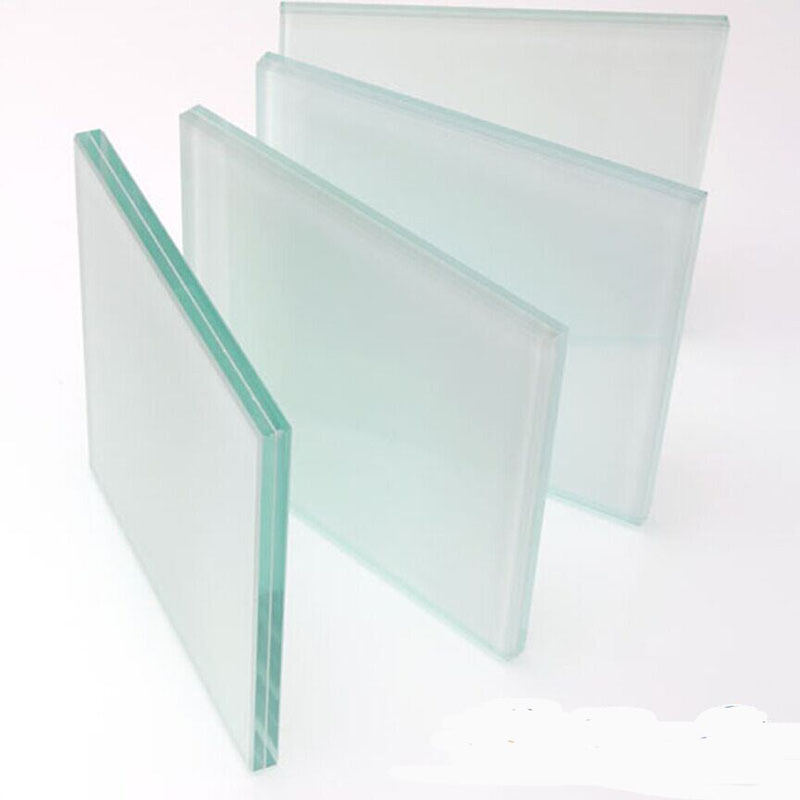
Contractors face critical decisions when specifying materials for modern construction projects, and double laminated glass has become a preferred choice for applications requiring enhanced safety and performance. Understanding the essential considerations before committing to double laminated glass installations helps ensure project success, regulatory compliance, and client satisfaction. This material offers unique advantages that extend beyond simple transparency, but selecting and implementing double laminated glass requires careful evaluation of structural needs, budget constraints, and installation logistics.
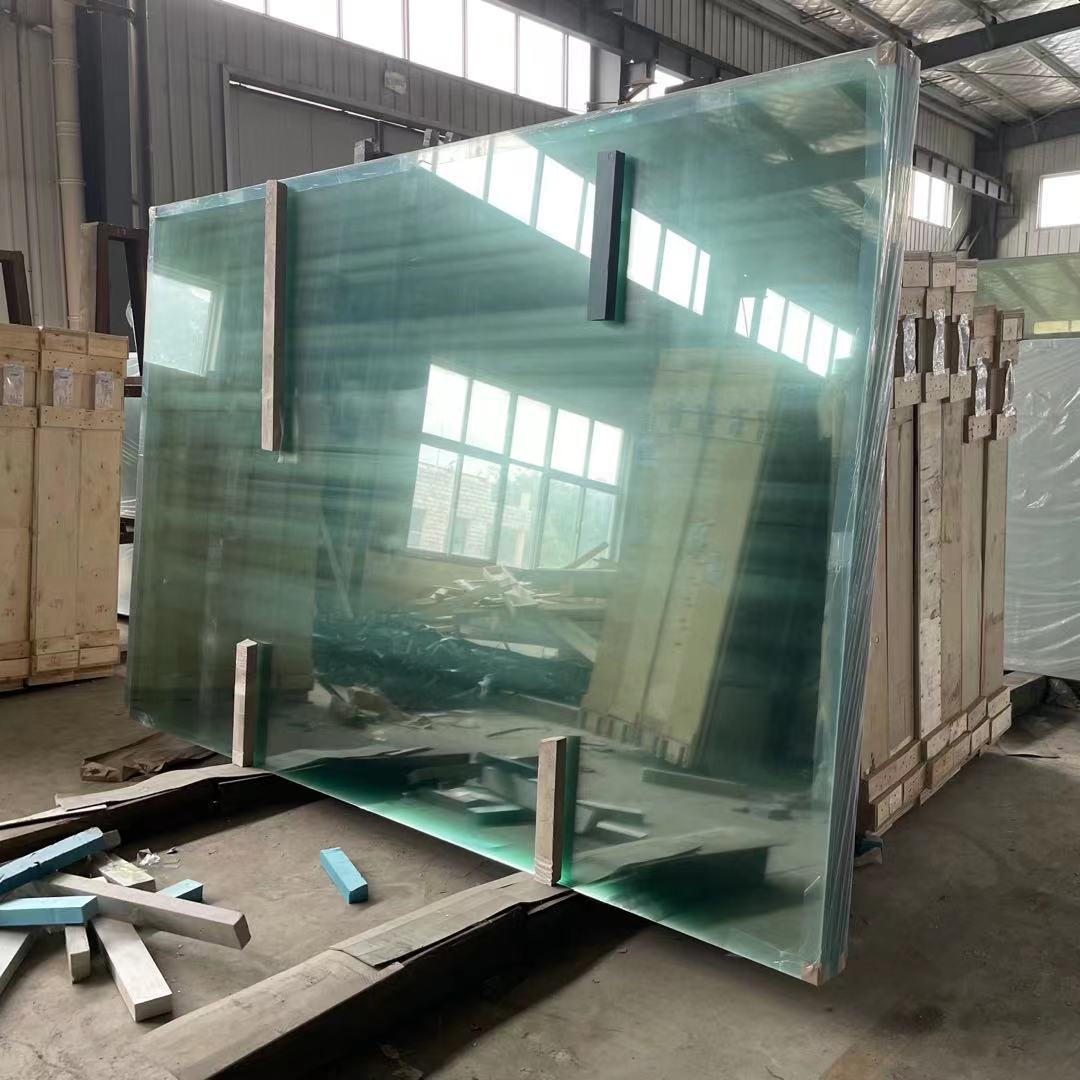
The integration of double laminated glass into construction specifications involves multiple technical and practical dimensions. Contractors must evaluate performance characteristics, compatibility with existing framing systems, procurement timelines, and post-installation maintenance requirements. Making informed decisions about double laminated glass applications prevents costly mistakes and delivers lasting value to building owners and occupants.
Safety and Performance Characteristics of Double Laminated Glass
Understanding Impact Resistance and Fragmentation Control
Double laminated glass consists of two or more glass panes bonded with interlayer materials, typically polyvinyl butyral (PVB) or ionoplast polymers. This construction fundamentally changes how the glass responds to impact and stress. When double laminated glass experiences impact, the interlayers hold fragments in place rather than allowing dangerous shards to scatter. This fragmentation control is critical in high-traffic areas, overhead installations, and locations where occupant safety depends on glass performance during accidents or natural disasters.
Contractors should recognize that double laminated glass provides passive safety benefits beyond what standard annealed or tempered single-pane glass can offer. The interlayer composition directly influences how effectively double laminated glass resists penetration and maintains structural integrity. Thicker interlayers or multiple layers of double laminated glass increase impact resistance exponentially, making specification precision essential for meeting project safety requirements.
Sound Attenuation and Environmental Comfort
Beyond safety, double laminated glass provides acoustic insulation that reduces external noise transmission into interior spaces. The interlayer materials absorb sound vibrations that would otherwise transfer through a single glass pane. For contractors working on projects near highways, airports, or industrial zones, double laminated glass offers a practical solution for meeting occupant comfort standards without requiring additional wall mass or complex framing modifications. The acoustic performance of double laminated glass varies based on interlayer type and thickness, making this consideration important during design phase coordination.
Installation, Framing, and Structural Requirements
Compatibility with Framing Systems and Edge Details
Contractors must verify that existing or planned framing systems can accommodate double laminated glass specifications. The increased weight of double laminated glass compared to single-pane alternatives requires proper structural support and appropriate glazing channels or frames. Edge details become particularly important with double laminated glass because improper edge support can create stress concentrations that compromise the interlayer bond. Contractors should consult with structural engineers to confirm that mullions, supports, and surrounding assemblies can safely support the mass and thermal movement of double laminated glass.
The glazing tape, setting blocks, and edge clearances specified for double laminated glass installations differ from standard glass requirements. Contractors need to ensure that glazing subcontractors understand these distinctions and follow manufacturer guidelines for double laminated glass installation. Improper edge support can allow interlayer failure or delamination over time, transforming what should be a reliable safety component into a liability. Pre-installation verification and clear communication about double laminated glass requirements across all trades prevents costly rework.
Thermal Movement and Joint Design
Thermal expansion and contraction of double laminated glass occurs at rates slightly different from monolithic panes due to the composite nature of the material. Contractors must ensure that joint designs provide adequate clearance to accommodate this movement without creating stress on the interlayer. During installation, double laminated glass requires careful attention to sealant selection, joint widths, and perimeter details. Using incompatible sealants or undersizing joint dimensions can restrict natural movement of double laminated glass, leading to premature seal failure or adhesion loss.
Procurement, Delivery, and Timeline Considerations
Lead Times and Supply Chain Planning
Contractors should recognize that double laminated glass typically involves longer lead times than standard glass products. Custom specifications, lamination processing, and quality control testing all extend procurement schedules for double laminated glass orders. Early engagement with glass suppliers, clear specification of double laminated glass requirements, and realistic scheduling prevent project delays. Specialty double laminated glass configurations such as curved shapes or custom tinting may add additional weeks to delivery timelines.
Contractors managing multiple material deliveries should coordinate double laminated glass arrivals with installation team readiness and site preparation status. Premature delivery of double laminated glass creates storage and weather protection challenges, while delayed delivery disrupts sequencing. Establishing clear communication channels with suppliers about double laminated glass production milestones, shipment dates, and handling requirements ensures smooth project progression.
Damage Prevention and Site Handling
Once delivered, double laminated glass requires careful handling and protection from environmental exposure. Moisture intrusion at edges or delamination caused by impact during handling can compromise the long-term performance of double laminated glass. Contractors should verify that job site storage areas protect double laminated glass from direct weather exposure, temperature extremes, and mechanical damage. Training installation crews about proper handling techniques specific to double laminated glass prevents expensive waste and maintains product integrity.
Regulatory, Code, and Specification Compliance
Building Code Requirements and Safety Standards
Contractors must understand local building codes governing glass applications to ensure double laminated glass specifications satisfy legal requirements. Safety glazing codes, impact resistance standards, and occupancy-specific rules all affect whether double laminated glass is required or merely recommended. In certain applications such as bathrooms, shower enclosures, or overhead skylights, codes often mandate laminated glass construction. Specifying double laminated glass without verifying code compliance creates liability and necessitates costly redesign or material replacement mid-project.
Different jurisdictions apply varying standards to double laminated glass performance, testing methods, and documentation requirements. Contractors working across multiple regions should obtain clarity on whether double laminated glass certifications from one area satisfy another jurisdiction's requirements. Maintaining proper documentation of double laminated glass testing reports, product certifications, and installation records protects both the contractor and the building owner should questions arise during occupancy or future inspections.
Design Coordination and Specification Clarity
Clear specifications for double laminated glass are essential to prevent misunderstandings with suppliers and installation teams. Architects and contractors should document specific requirements including pane thickness, interlayer type, edge treatments, and any tinting or coating specifications for double laminated glass. Ambiguous double laminated glass specifications lead to quote disputes, material substitutions, and installation delays. Contractors benefit from working with specification writers who understand the technical distinctions between double laminated glass types and can clearly communicate performance expectations.
FAQ
Is double laminated glass more expensive than single-pane alternatives?
Yes, double laminated glass costs more than standard annealed or tempered glass due to the lamination process and material components. However, the long-term value of double laminated glass often justifies the initial investment through improved safety, sound control, and durability. Contractors should evaluate life-cycle costs rather than focusing solely on first-cost comparisons when recommending double laminated glass to clients.
Can contractors install double laminated glass in existing frames designed for single glass?
Installation of double laminated glass in existing frames requires careful assessment of frame capacity and edge support adequacy. The added weight of double laminated glass may exceed the load-bearing capability of frames designed for lighter materials. Structural verification and potentially frame reinforcement are necessary before installing double laminated glass in older or non-structural frames.
What maintenance do contractors need to plan for double laminated glass installations?
Routine maintenance of double laminated glass involves standard glass cleaning and periodic inspection of edge seals and perimeter caulking. Contractors should advise building owners to avoid impact, pressure washing at high intensity, and harsh chemical cleaners that might damage interlayers or sealants around double laminated glass. Professional inspection every few years ensures that double laminated glass installations remain performing as designed.