EN


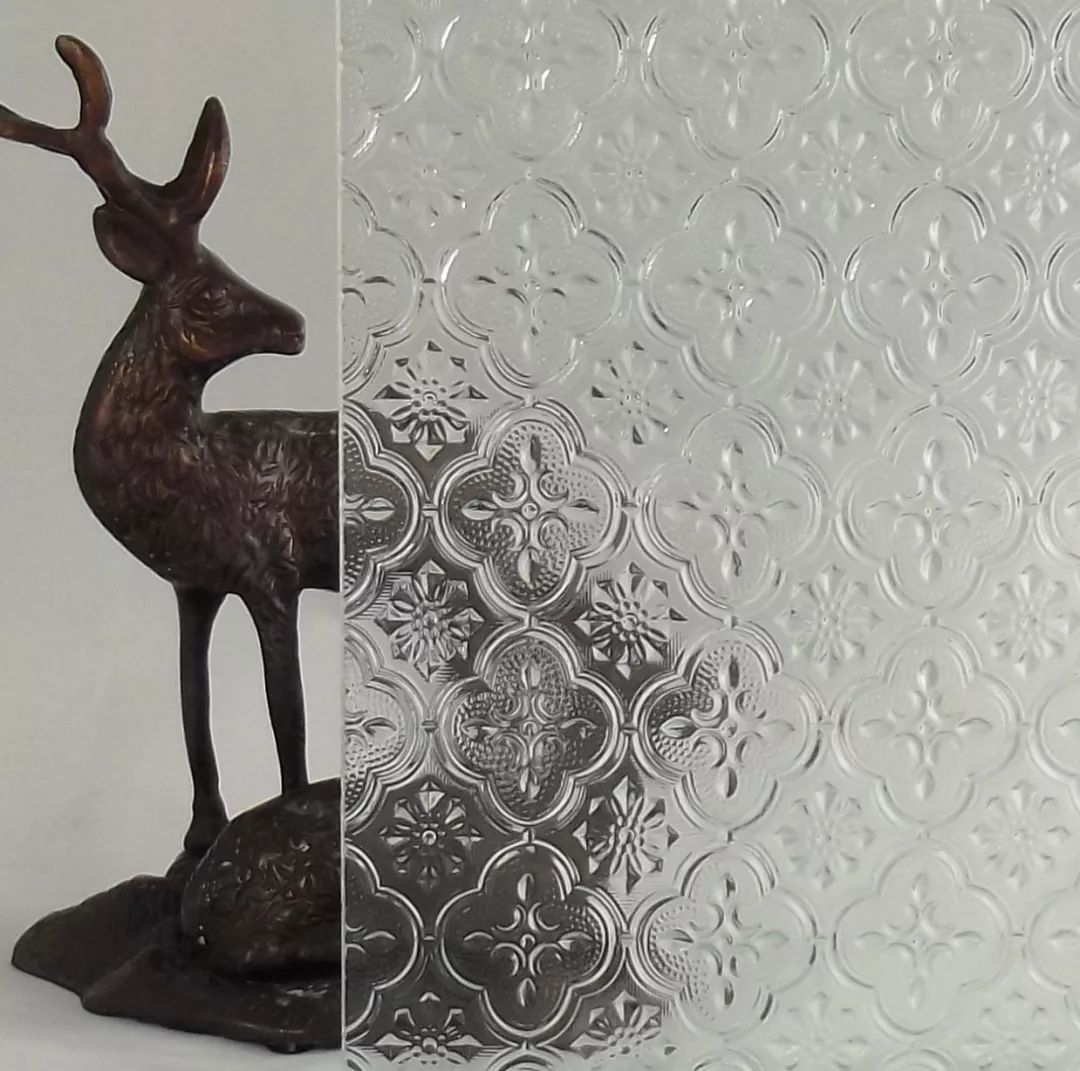
Patterned glass has become an essential material in contemporary architecture, offering architects and designers a versatile solution that combines aesthetic appeal with functional performance. This specialized glass type features textured surfaces or embedded designs that create visual interest while maintaining structural integrity and light transmission properties. Understanding the common applications of patterned glass helps building professionals make informed decisions about material selection for their projects.
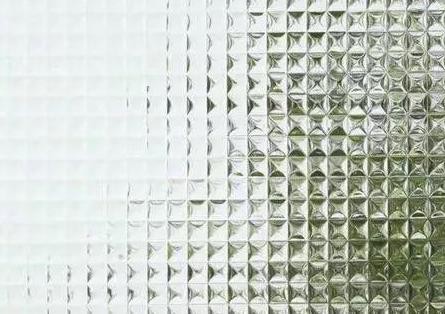
The versatility of patterned glass makes it a preferred choice across residential, commercial, and institutional buildings. Architects appreciate how patterned glass provides privacy, diffuses light beautifully, and adds sophisticated design elements without compromising transparency or functionality. The material works exceptionally well in modern and traditional architectural styles, making patterned glass applicable to nearly every building type and design philosophy.
Patterned Glass in Privacy Applications
Bathroom and Wet Area Privacy
One of the most common uses of patterned glass involves creating privacy in bathrooms, showers, and wet areas. Patterned glass allows light to pass through while obscuring the view of activities inside, providing occupants with both privacy and natural illumination. This application is especially valuable in residential bathrooms where natural light access would otherwise be compromised by opaque materials like tile or solid walls.
Patterned glass works effectively for shower enclosures, bathroom partitions, and window coverings in private spaces. The textured surface of patterned glass reduces the appearance of water spots and fingerprints, which is particularly beneficial in high-moisture environments. Designers select patterned glass for bathrooms because it maintains the aesthetic integrity of the space while solving the practical challenge of balancing privacy with natural light.
Office Partition Privacy
Commercial offices increasingly incorporate patterned glass into partition systems and wall coverings to create semi-private workspaces. Patterned glass divides open floor plans into functional zones while maintaining visual connection and light flow across the office. This approach to using patterned glass supports modern workplace design philosophies that emphasize collaboration without sacrificing privacy for focused work.
Patterned glass partitions in office settings provide acoustic benefits alongside privacy, as the textured surface helps diffuse sound waves. Many corporate environments choose patterned glass for conference rooms, executive offices, and administrative spaces where privacy matters but complete visual isolation is undesirable. The professional appearance of patterned glass makes it suitable for client-facing areas and prestigious business environments.
Patterned Glass in Decorative and Aesthetic Applications
Architectural Feature Walls
Patterned glass serves as a striking decorative element when used for interior and exterior feature walls. Architects incorporate patterned glass into building facades to create visual texture and depth that changes appearance throughout the day as light angles shift. The dynamic quality of patterned glass makes it particularly effective in prominent architectural locations where impact and sophistication matter.
Interior feature walls using patterned glass add contemporary elegance to lobbies, retail spaces, and residential environments. When backlit, patterned glass creates stunning ambient effects that enhance the overall architectural aesthetic. Designers value patterned glass for its ability to transform ordinary wall surfaces into compelling design statements without overwhelming the surrounding space.
Window and Skylight Design
Patterned glass in windows and skylights diffuses incoming light into soft, distributed illumination that reduces glare while maintaining brightness. This application of patterned glass proves especially valuable in workspaces where direct sunlight would create visual discomfort or cause excessive heat gain. Skylights featuring patterned glass provide natural light without the harsh shadows associated with clear glass.
The decorative potential of patterned glass becomes apparent in residential applications where patterned glass skylights and windows become architectural focal points. Homeowners and architects appreciate how patterned glass adds character and visual interest while filtering light naturally. This combination of functional light diffusion and aesthetic appeal makes patterned glass an excellent choice for residential renovation and new construction projects.
Patterned Glass in Commercial and Retail Spaces
Storefront and Display Applications
Retail environments utilize patterned glass to create inviting storefronts while maintaining visual interest and brand identity. Patterned glass attracts customer attention through its texture and light-play while displaying merchandise effectively behind or within the patterned glass surfaces. The sophisticated appearance of patterned glass elevates the retail environment and suggests quality and attention to design detail.
Patterned glass display cases and shelving create premium visual presentations in luxury retail and hospitality settings. The material allows customers to see products clearly while the decorative qualities of patterned glass enhance the surrounding environment. Many high-end retail designers specify patterned glass because it communicates sophistication and careful attention to aesthetic considerations.
Hospitality and Restaurant Design
Hotels, restaurants, and entertainment venues employ patterned glass extensively for aesthetic enhancement and functional space division. Patterned glass creates elegant transitions between different zones within dining areas, lounges, and guest spaces. The upscale appearance of patterned glass aligns with hospitality industry standards for premium guest experiences and professional ambiance.
Patterned glass in hospitality applications often serves dual purposes, providing both visual interest and practical privacy where needed. Restaurant and bar designers use patterned glass for accent walls, room dividers, and decorative treatments that enhance the dining experience. The versatility of patterned glass allows hospitality designers to create distinctive, memorable environments that align with brand identity and design vision.
FAQ
What are the main privacy benefits of patterned glass in architectural applications?
Patterned glass provides privacy by obscuring the view of activities on one side while allowing light to pass through, making it ideal for bathrooms, offices, and private spaces. Unlike solid opaque materials, patterned glass maintains natural light access while preventing direct sightlines, creating a balance between privacy and illumination. This makes patterned glass particularly valuable in applications where both privacy and natural light are important considerations.
Can patterned glass be used in exterior building facades?
Yes, patterned glass is frequently used in exterior facades where it creates visual texture and dynamic appearance as light conditions change throughout the day. Architectural-grade patterned glass meets rigorous weather resistance and durability standards required for external applications. Patterned glass on building exteriors enhances architectural character while providing functional benefits like light diffusion and thermal performance.
How does patterned glass affect natural light in interior spaces?
Patterned glass diffuses incoming light into soft, evenly distributed illumination that reduces glare and harsh shadows while maintaining brightness. This light-diffusing quality of patterned glass creates comfortable visual conditions in workspaces and residential areas. The textured surface of patterned glass scatters light rays, preventing the concentrated brightness and heat associated with clear glass while maintaining the psychological benefits of natural illumination.