EN
EN


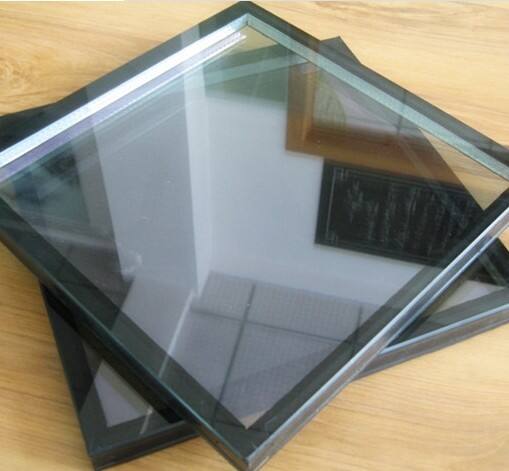
When architects and developers plan large-scale facade projects, material selection becomes a critical decision that impacts not only aesthetics but also energy performance, occupant comfort, and long-term operational costs. Reflective coated glass has emerged as a popular choice for commercial buildings, office towers, hospitals, and institutional structures, yet questions persist about its suitability for expansive curtain wall systems. The short answer is yes—reflective coated glass is highly suitable for large facade projects, provided the design team carefully evaluates factors such as solar heat gain, visual comfort, structural compatibility, and local climate conditions. This material combines advanced optical coatings with architectural glass substrates to control solar radiation, reduce cooling loads, and deliver distinctive exterior appearances that meet modern performance standards.
Understanding whether reflective coated glass fits large facade applications requires examining multiple technical dimensions. Large facades demand materials that perform consistently across thousands of square meters, maintain uniform appearance despite manufacturing variations, and integrate smoothly with structural systems. Reflective coated glass addresses these requirements through engineered coating technologies that balance solar control, daylight transmission, and thermal insulation. For building teams evaluating this glazing solution, the decision hinges on matching the glass specifications to the project's energy goals, occupant needs, and architectural vision. This article explores the practical considerations, performance characteristics, installation factors, and design strategies that determine when reflective coated glass becomes the optimal choice for large-scale building envelopes.
Understanding Reflective Coated Glass Technology and Performance Characteristics
What Defines Reflective Coated Glass in Architectural Applications
Reflective coated glass consists of a transparent glass substrate treated with metallic or metal oxide layers that alter how the material interacts with solar radiation. These coatings are applied through magnetron sputtering or chemical vapor deposition processes, creating microscopically thin films that reflect infrared and ultraviolet wavelengths while allowing controlled amounts of visible light to pass through. The resulting product exhibits a mirror-like exterior appearance during daylight hours while maintaining interior visibility. Unlike tinted glass that absorbs solar energy and can become hot, reflective coated glass deflects heat before it enters the building envelope, making it particularly effective for reducing cooling demands in sun-exposed facades. The coating thickness, composition, and layering sequence determine the glass's solar heat gain coefficient, visible light transmittance, and reflectance properties.
For large facade projects, reflective coated glass delivers measurable performance advantages that directly impact building operations. The material typically achieves solar heat gain coefficients between 0.15 and 0.40, meaning it blocks sixty to eighty-five percent of solar heat from penetrating the building. This characteristic becomes increasingly valuable as facade surface area grows, since heat gain scales proportionally with glazed area. The coating also provides ultraviolet protection, blocking up to ninety-nine percent of UV rays that cause interior furnishings and finishes to fade. Visual light transmittance ranges from ten to forty percent depending on coating specification, allowing designers to balance privacy, glare control, and daylight harvesting. These optical properties remain stable across the glass surface, ensuring uniform performance throughout expansive curtain wall systems.
How Reflective Coatings Control Solar Radiation in Building Envelopes
The fundamental mechanism behind reflective coated glass involves selective reflection of specific wavelengths within the solar spectrum. Solar radiation consists of ultraviolet, visible, and near-infrared components, with the latter carrying substantial thermal energy. Reflective coatings are engineered to preferentially reflect near-infrared wavelengths while permitting controlled visible light transmission. When sunlight strikes the coated surface, metallic particles within the coating layer interact with photons, causing long-wavelength radiation to bounce back toward the exterior environment. This selective reflection occurs at the outer glass surface before heat can be absorbed into the glass thickness or transmitted to interior spaces. The result is dramatically reduced heat buildup within the facade assembly and adjacent occupied zones.
For large facade installations, this solar control mechanism translates into significant energy savings and improved indoor environmental quality. Buildings with extensive glazed areas face substantial cooling loads during warm months, particularly on south, east, and west elevations. Reflective coated glass mitigates this challenge by rejecting solar heat at the building envelope rather than requiring mechanical systems to remove heat after it enters occupied spaces. The coating's reflective properties remain effective regardless of facade scale, making the technology linearly scalable from small window assemblies to entire building skins. Advanced coating formulations can be tuned to match specific climate conditions, with higher reflectance specifications suited to tropical and desert environments while moderate reflectance products serve temperate regions. This adaptability ensures reflective coated glass performs optimally whether applied to ten-story office towers or expansive airport terminals.
Key Performance Metrics for Large-Scale Facade Applications
Evaluating reflective coated glass for large projects requires understanding several interrelated performance metrics that collectively determine system effectiveness. The solar heat gain coefficient quantifies total solar heat admitted through the glass, combining directly transmitted heat with absorbed heat subsequently released inward. Lower SHGC values indicate better solar control, with high-performance reflective coated glass achieving coefficients below 0.25 for maximum heat rejection. Visible light transmittance measures the percentage of daylight passing through the glazing, balancing natural illumination against glare potential. Light-to-solar-gain ratio compares visible transmittance to solar heat gain coefficient, providing a single metric for evaluating how effectively the glass delivers daylight while blocking heat. High LSG ratios above 1.5 indicate excellent selectivity, allowing designers to maintain daylight harvesting while minimizing cooling loads.
Beyond thermal and optical properties, large facade projects must consider the coating's durability, uniformity, and compatibility with insulating glass units. Reflective coated glass typically serves as the exterior lite in double or triple-glazed assemblies, with the coating positioned on the exterior face to maximize solar reflection. The coating must withstand decades of weathering, temperature cycling, and atmospheric pollutants without degrading or discoloring. Manufacturing consistency becomes critical for large orders, since even minor color variations become noticeable across expansive curtain walls. Reputable manufacturers maintain tight tolerances on coating thickness and composition, ensuring visual uniformity across production batches. The glass must also accommodate structural requirements, with sufficient thickness and strength to resist wind loads, thermal stress, and differential pressure loads that increase with building height and facade area. These performance dimensions collectively determine whether reflective coated glass can meet the demanding requirements of large-scale architectural applications.
Design Considerations When Specifying Reflective Coated Glass for Expansive Facades
Matching Glass Specifications to Climate and Solar Orientation
Successful integration of reflective coated glass into large facade systems begins with careful analysis of site-specific climate conditions and building orientation. Solar heat gain varies dramatically based on geographic location, with equatorial regions receiving intense year-round radiation while temperate zones experience seasonal fluctuations. Buildings in hot climates benefit from highly reflective coatings with SHGC values below 0.20, maximizing heat rejection throughout the cooling season. Conversely, projects in moderate climates may specify medium-reflectance products that balance solar control with passive solar heating during winter months. Facade orientation further influences specification decisions, since south-facing elevations in the northern hemisphere receive direct sun throughout the day while north facades remain shaded. East and west exposures experience intense low-angle sun during morning and afternoon hours, requiring robust solar control to manage glare and heat gain.
For large facade projects, designers often employ different reflective coated glass specifications on various elevations to optimize performance across the building envelope. A comprehensive approach might specify high-reflectance glass on sun-exposed facades while using moderate-reflectance or clear low-e glass on shaded elevations. This zoned strategy reduces material costs while maintaining thermal comfort and energy efficiency. Climate data including solar irradiance, ambient temperature ranges, and prevailing wind patterns should inform these decisions. Energy modeling software allows design teams to simulate building performance with various glass specifications, quantifying cooling load reductions, daylight availability, and annual energy consumption. These analyses help justify the incremental cost of high-performance reflective coated glass by demonstrating measurable operational savings over the building's service life. The goal is matching glass properties to actual environmental conditions rather than applying a one-size-fits-all solution across the entire facade.
Balancing Solar Control with Daylighting Requirements
One of the primary challenges when specifying reflective coated glass for large projects involves balancing solar heat rejection against daylighting needs. While highly reflective coatings excel at blocking solar heat, they also reduce visible light transmittance, potentially creating dark interior spaces that require artificial lighting. This trade-off becomes particularly significant in office buildings, educational facilities, and healthcare projects where occupant comfort and productivity depend on adequate natural illumination. The light-to-solar-gain ratio serves as a useful metric for navigating this balance, with higher ratios indicating glass that admits more daylight relative to heat. Advanced spectrally selective coatings achieve LSG ratios approaching 2.0, delivering substantial daylight while maintaining effective solar control.
Design strategies for large facades often combine reflective coated glass with architectural elements that enhance daylighting performance. External shading devices such as horizontal louvers, vertical fins, or perforated screens can block direct sun while allowing diffuse daylight to reach deeper into floor plates. Interior light shelves or reflective ceiling treatments bounce daylight toward the building core, extending the useful depth of natural illumination. Vision glass heights and sill heights can be optimized to maximize beneficial daylight while minimizing low-angle glare. For very deep floor plates, designers might specify higher visible light transmittance in perimeter zones to compensate for reduced daylight penetration. The key is treating reflective coated glass as one component within an integrated facade system rather than expecting the glass alone to solve all solar control and daylighting challenges. When properly coordinated with building geometry, shading devices, and interior finishes, reflective coated glass can deliver excellent solar performance without sacrificing occupant comfort or forcing excessive reliance on artificial lighting.
Addressing Visual Uniformity Across Large Glazed Surfaces
Maintaining consistent appearance across thousands of square meters of reflective coated glass presents both technical and aesthetic challenges for large facade projects. Minor variations in coating thickness, glass substrate composition, or tempering processes can produce visible color differences that become apparent when glass panels are installed adjacent to one another. This issue intensifies under certain lighting conditions, particularly during dawn, dusk, or overcast skies when reflectance characteristics become more pronounced. For high-profile projects where visual quality is paramount, specifiers must work closely with glass manufacturers to establish strict tolerances for color uniformity and coordinate production scheduling to minimize batch-to-batch variation.
Several strategies help ensure acceptable visual uniformity in large installations. Ordering all reflective coated glass for a project from a single production run reduces the likelihood of noticeable color shifts between panels. Installing glass from the same batch in visually continuous zones prevents mixing panels with subtly different appearances within observer sightlines. Using mullion patterns, shadow lines, or facade articulation breaks large glazed surfaces into smaller visual units, making minor color variations less perceptible. Quality control protocols should include sample panel review under various lighting conditions before full production begins, and mock-up assemblies allow stakeholders to verify appearance before committing to large material orders. When specifying reflective coated glass for expansive facades, clear communication with fabricators about appearance expectations and acceptance criteria prevents costly remediation after installation. The investment in planning and coordination pays dividends in achieving the pristine, uniform facade appearance that defines successful large-scale architectural glass projects.
Installation and Structural Integration Factors for Large Facade Systems
Curtain Wall System Compatibility and Structural Requirements
Integrating reflective coated glass into large facade systems requires careful attention to curtain wall design, structural capacity, and installation sequencing. Most large commercial projects employ unitized or stick-built curtain wall systems that support the glazing assembly while accommodating building movement, thermal expansion, and wind loads. Reflective coated glass typically arrives as part of factory-fabricated insulating glass units, with the coated lite positioned as the exterior pane and an interior clear or low-e lite separated by a sealed air or gas-filled cavity. These IGU assemblies must be compatible with the curtain wall framing system, with edge clearances, bite depths, and gasket materials specified to prevent coating damage during installation and ensure long-term weatherproofing.
Structural considerations become increasingly important as facade scale grows. Reflective coated glass panels in large projects commonly measure five to ten feet in height and three to six feet in width, creating substantial surface areas exposed to wind pressure. Glass thickness must be calculated based on maximum wind loads, with thicker substrates required for taller buildings or coastal locations with hurricane exposure. The coating itself does not significantly affect structural properties, but the combination of glass thickness, tempering, and IGU construction must satisfy both strength and deflection criteria. Heat-strengthened or fully tempered glass is often specified for large facade applications to provide safety, reduce thermal stress risk, and accommodate higher design loads. Structural engineers must verify that curtain wall mullions, anchors, and connections can support the dead load of the glass assembly plus applied loads from wind, seismic activity, and thermal movement. Proper coordination between glass fabricator, curtain wall supplier, and structural engineer ensures the facade system performs safely throughout its service life.
Thermal Stress Management in Large Glazed Assemblies
Thermal stress represents a significant concern when specifying reflective coated glass for large facades, particularly in configurations where glass experiences differential heating across its surface. Thermal stress occurs when portions of a glass panel heat more rapidly than others, creating internal tensions that can lead to spontaneous breakage. This risk increases with reflective coated glass because the coating alters heat absorption patterns, and large facades often feature conditions that promote uneven heating such as partial shading from exterior mullions, adjacent architectural features, or interior blinds. Dark-tinted or heavily coated glass absorbs more solar energy than clear glass, elevating glass temperature and thermal stress potential.
Mitigating thermal stress in large installations requires several proactive design measures. Heat-strengthening or tempering the glass increases its resistance to thermal stress by a factor of two or four respectively, making breakage far less likely even under challenging conditions. Edge treatments matter significantly, since the glass edge represents the weakest area under thermal stress conditions. Clean-cut or seamed edges reduce stress concentration points compared to rough or chipped edges. Framing systems should minimize shading of glass edges while ensuring adequate edge clearance for thermal expansion. Using lighter-tinted glass or moderate-reflectance coatings rather than dark or highly absorptive products reduces overall heat buildup within the glass. For particularly vulnerable installations, thermal stress analysis software can model expected glass temperatures under worst-case conditions, confirming whether the specified glass construction provides adequate safety factors. These precautions are essential for large facade projects where even a small percentage of thermal breakage across thousands of panels creates unacceptable risk and maintenance burden. When properly addressed during design, thermal stress rarely becomes a practical issue with reflective coated glass in large-scale applications.
Installation Logistics and Quality Control for Expansive Projects
The logistics of installing reflective coated glass across large facades demand meticulous planning to maintain schedule, quality, and safety standards. Large commercial projects may require thousands of individual glass panels delivered in precise sequence to match construction progress. Coordination between glass fabricator, curtain wall installer, and general contractor ensures materials arrive when needed without creating site storage problems or exposing glass to damage. Reflective coated glass requires careful handling to prevent coating scratches, edge chips, or seal damage during transportation and installation. Protective packaging must remain intact until immediately before installation, and installers need training on proper handling techniques specific to coated glass products.
Quality control protocols for large facade installations should include systematic inspection at multiple stages. Incoming material inspection verifies that delivered glass matches approved specifications, with particular attention to coating uniformity, IGU seal integrity, and overall appearance. Pre-installation mock-ups allow verification of appearance, detailing, and performance before full-scale installation begins. In-process inspection during curtain wall assembly confirms proper glazing procedures, adequate sealant application, and correct installation orientation. Final inspection after completion documents overall facade appearance and identifies any panels requiring replacement due to damage or visual defects. For projects using reflective coated glass, inspectors should specifically verify that coatings face the correct direction, since installing glass with the coating on the wrong surface negates its solar control benefits. Rigorous quality control throughout the installation process ensures the finished facade meets design intent and performs as specified. The investment in careful planning and oversight prevents costly remediation while delivering the high-quality results expected from modern large-scale architectural projects.
Economic and Environmental Value Proposition for Large Buildings
Energy Performance and Operating Cost Implications
The economic case for specifying reflective coated glass in large facade projects rests primarily on long-term energy savings that offset higher initial material costs. Buildings with extensive glazing typically face substantial cooling loads, with solar heat gain through windows contributing thirty to fifty percent of total cooling demand in warm climates. Reflective coated glass reduces this load by rejecting solar heat before it enters the building, directly decreasing the capacity requirements for HVAC systems and reducing runtime hours during cooling seasons. For a large commercial building with fifty thousand square feet of glazing, upgrading from standard clear insulating glass to high-performance reflective coated glass might reduce annual cooling energy consumption by twenty to forty percent, translating to tens of thousands of dollars in utility cost savings each year.
These operational savings accumulate significantly over the building's service life, typically measured in decades. A comprehensive economic analysis should account for avoided HVAC equipment costs, since reduced cooling loads may allow downsizing chiller capacity and reducing infrastructure investment. Utility rebate programs in many jurisdictions provide financial incentives for installing high-performance glazing systems, further improving project economics. The payback period for the incremental cost of reflective coated glass typically ranges from three to seven years in cooling-dominated climates, after which the building owner realizes pure cost savings compared to conventional glazing. For large facade projects where glazing costs represent a substantial line item, these economic benefits make reflective coated glass a financially prudent choice that delivers measurable return on investment while enhancing building performance. Forward-thinking developers increasingly recognize that the true cost of facade systems includes both capital expense and lifecycle operating costs, with high-performance glazing offering superior value when evaluated over the building's economic life.
Sustainability Contributions and Green Building Certification
Beyond direct economic benefits, reflective coated glass contributes meaningfully to building sustainability goals and green certification achievements. Energy consumption represents the largest environmental impact of most commercial buildings, with operational carbon emissions from HVAC systems dominating lifecycle environmental footprints. By reducing cooling energy demand, reflective coated glass lowers greenhouse gas emissions associated with building operations. This contribution aligns with increasingly stringent energy codes and voluntary sustainability standards such as LEED, BREEAM, and Green Star that reward energy-efficient facade systems. High-performance glazing can earn credits in multiple green building rating categories including energy optimization, daylight harvesting, and thermal comfort.
For large facade projects pursuing sustainability certification, specifying reflective coated glass demonstrates commitment to environmental stewardship while satisfying specific rating system requirements. The material's durability ensures performance persists throughout the building's service life without degradation or need for replacement, avoiding the environmental burden of premature material disposal. Many reflective coated glass products incorporate recycled content in their substrate and can be recycled at end of life, supporting circular economy principles. The reduced cooling demand translates directly to smaller mechanical systems, decreasing refrigerant quantities and associated environmental impacts. As building codes trend toward more stringent energy performance requirements and net-zero energy targets, reflective coated glass provides a proven technology for meeting these standards in large glazed buildings. The intersection of regulatory compliance, certification benefits, and genuine environmental impact makes high-performance glazing an essential component of sustainable large-scale architecture.
Comparative Value Against Alternative Facade Solutions
When evaluating reflective coated glass for large projects, decision-makers often compare it against alternative facade strategies including external shading systems, electrochromic glazing, or opaque insulated panels with limited vision glass. Each approach offers distinct advantages and trade-offs that influence project suitability. External shading devices such as brise-soleil or automated louver systems provide excellent solar control while maintaining high visible light transmittance through clear glass, but they add complexity, maintenance requirements, and cost to the facade system. Electrochromic or dynamic glazing allows user control of solar properties but commands premium pricing and requires power infrastructure and control systems. Reducing glazed area in favor of opaque insulated panels minimizes solar gain but sacrifices views, daylight, and the architectural transparency often desired in contemporary commercial design.
Reflective coated glass occupies a pragmatic middle ground, delivering robust solar control through passive technology that requires no maintenance, power, or moving parts. While it may not offer the absolute performance of combined strategies, reflective coated glass provides excellent value considering its reliability, proven performance, and reasonable cost premium over standard glazing. For many large facade projects, reflective coated glass represents the optimal balance between performance, aesthetics, and budget constraints. The technology integrates seamlessly with conventional curtain wall systems, leverages established manufacturing and installation practices, and performs predictably across diverse climate conditions. These practical advantages explain why reflective coated glass remains among the most widely specified solutions for large commercial facades worldwide. When project requirements prioritize straightforward implementation, long-term reliability, and cost-effectiveness, reflective coated glass consistently emerges as the superior choice among available facade glazing options.
FAQ
What distinguishes reflective coated glass from standard tinted glass in large facades?
Reflective coated glass features thin metallic layers that reflect solar radiation away from the building before heat enters the glazing system, whereas tinted glass absorbs solar energy within the glass itself and can become quite hot. For large facade applications, reflective coated glass delivers superior solar control by preventing heat from entering the building envelope, resulting in lower cooling loads and reduced thermal stress on the glass. Tinted glass may provide privacy and some heat reduction but cannot match the solar rejection performance of properly specified reflective coatings, making reflective coated glass the preferred choice for energy-conscious large-scale projects in sun-exposed locations.
How does reflective coated glass perform in climates with both heating and cooling seasons?
In mixed climates with distinct heating and cooling seasons, reflective coated glass remains suitable but requires thoughtful specification to balance year-round performance. During cooling seasons, the glass effectively rejects solar heat gain, reducing air conditioning costs and improving comfort. During heating seasons, the same reflective properties prevent beneficial solar heat from entering the building, potentially increasing heating energy demand. For large facade projects in these climates, designers often specify moderate-reflectance products that balance solar control against passive solar heating, or they employ facade zoning strategies with higher reflectance on sun-exposed elevations and lower reflectance on shaded facades. Energy modeling helps optimize this balance by quantifying annual heating and cooling energy consumption under various glass specifications.
Can reflective coated glass be combined with low-emissivity coatings for enhanced performance?
Yes, modern insulating glass units frequently combine reflective coatings on the exterior lite with low-emissivity coatings on interior surfaces to deliver comprehensive thermal performance. The reflective coating on the outward-facing surface blocks solar heat gain, while the low-e coating on an interior surface reduces heat transfer by reflecting long-wave infrared radiation back into the building during winter or back outside during summer, depending on coating position. This combination provides excellent solar control, reduced U-factors for improved insulation, and optimized year-round energy performance. For large facade projects seeking maximum thermal efficiency, dual-coating strategies represent best practice, though they command higher material costs that are typically justified through superior energy savings and occupant comfort benefits.
What maintenance requirements apply to reflective coated glass in large facade installations?
Reflective coated glass requires minimal maintenance beyond routine facade cleaning, making it well-suited for large projects where maintenance access can be challenging and costly. The coatings are durable and permanently bonded to the glass substrate, resisting weathering, UV exposure, and typical atmospheric pollutants without degradation. Regular cleaning using non-abrasive methods and approved cleaning solutions maintains appearance and prevents buildup of dirt or mineral deposits that could affect reflectance over time. Unlike mechanical shading systems or dynamic glazing, reflective coated glass contains no moving parts or electronic components that require servicing. This passive reliability translates to lower lifecycle maintenance costs for large facades, contributing to the overall economic value proposition of specifying high-performance reflective coated glass for commercial building envelopes.
Table of Contents
- Understanding Reflective Coated Glass Technology and Performance Characteristics
- Design Considerations When Specifying Reflective Coated Glass for Expansive Facades
- Installation and Structural Integration Factors for Large Facade Systems
- Economic and Environmental Value Proposition for Large Buildings
-
FAQ
- What distinguishes reflective coated glass from standard tinted glass in large facades?
- How does reflective coated glass perform in climates with both heating and cooling seasons?
- Can reflective coated glass be combined with low-emissivity coatings for enhanced performance?
- What maintenance requirements apply to reflective coated glass in large facade installations?