EN
EN


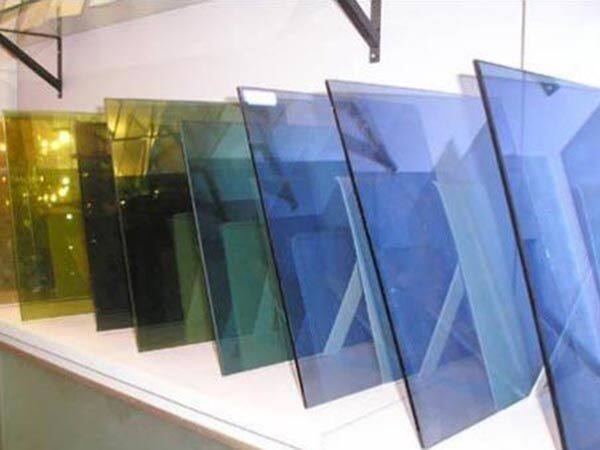
When specifying glazing materials for commercial or architectural projects, understanding the production standards that govern reflective coated glass is essential for making informed procurement decisions. Reflective coated glass is manufactured through a controlled process that must meet defined benchmarks for optical clarity, coating adhesion, solar control performance, and dimensional accuracy. Without verified compliance to these standards, reflective coated glass cannot reliably deliver the energy efficiency and aesthetic consistency that architects and building owners expect.
Reflective coated glass is used widely across curtain wall systems, commercial facades, skylights, and interior partitions. Because reflective coated glass performs both a structural and an environmental function, the production process is regulated by internationally recognized frameworks as well as national and regional codes. This article explains which standards apply, what criteria they establish, and how these benchmarks translate into measurable quality assurance for reflective coated glass in real-world applications.
International Frameworks Governing Reflective Coated Glass
ISO and EN Standards for Coated Glass
The primary international framework for reflective coated glass is rooted in ISO and European EN standards. ISO 9050 establishes the method for calculating light transmittance, solar energy transmittance, total solar energy transmittance, and ultraviolet transmittance. For reflective coated glass, these optical measurements are critical because the coating layer directly alters how much solar radiation passes through or is reflected away from the building envelope. Manufacturers of reflective coated glass must test finished panels against ISO 9050 to confirm that declared solar and light performance values are accurate.
EN 1096 is the European standard specifically addressing coated glass. It classifies reflective coated glass coatings into categories based on their durability and application position within a glazing unit. Class A and Class B coatings under EN 1096 are considered durable enough for external exposure, while Class C and Class D coatings require protection within an insulating glass unit. For any reflective coated glass supplied into the European market, EN 1096 compliance is not optional — it defines minimum performance thresholds for abrasion resistance, chemical resistance, humidity resistance, and adhesion strength of the reflective coating layer.
ASTM Standards in North American Markets
In North American markets, reflective coated glass production is guided by ASTM International standards, particularly ASTM C1376, which covers pyrolytic and magnetron sputter vacuum deposition coatings on flat glass. ASTM C1376 specifies acceptable tolerances for optical uniformity, surface defects, and coating adhesion for reflective coated glass. Producers supplying reflective coated glass to construction projects governed by North American building codes must provide test reports demonstrating compliance with ASTM C1376 tolerances. This standard ensures that reflective coated glass panels installed across a large facade maintain consistent visual appearance and reliable solar control performance throughout the service life of the building.
Key Quality Criteria Tested During Production
Optical Uniformity and Color Consistency
One of the most visible quality parameters for reflective coated glass is optical uniformity. During production, the coating must be deposited evenly across the entire glass surface to avoid visible color variation, iridescence, or patchiness. Reflective coated glass is inspected under controlled lighting conditions to identify coating defects such as streaks, spots, or uneven reflectance zones. Color consistency is measured using spectrophotometric methods that compare the reflected and transmitted color coordinates of each reflective coated glass panel against a declared reference value. Deviations beyond accepted tolerances result in rejection of the panel.
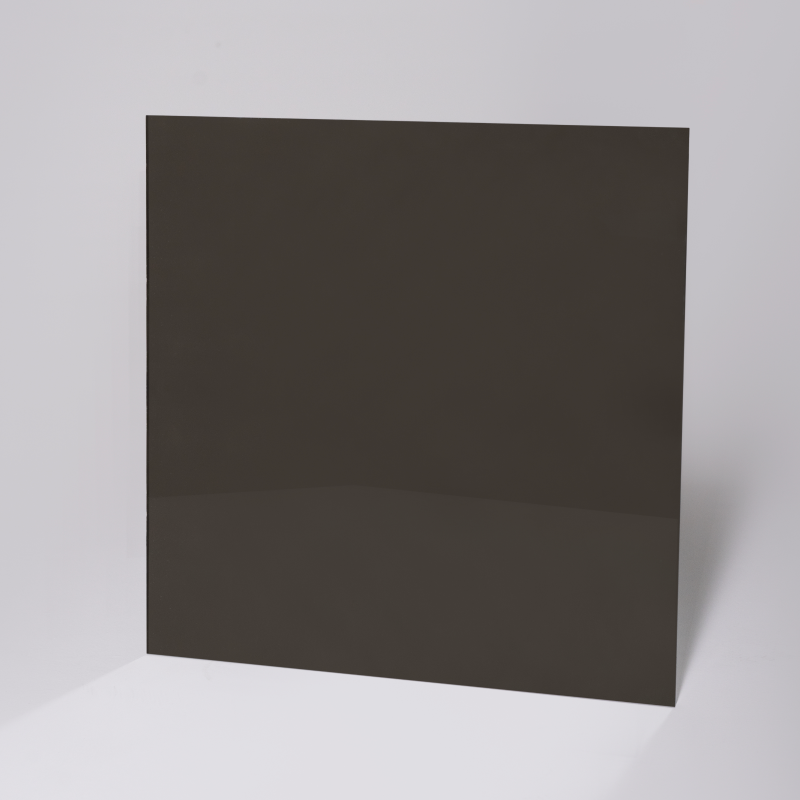
Color consistency across a production batch matters greatly for large architectural installations. When reflective coated glass panels from different production runs are installed side by side, even minor color shifts can become clearly visible and aesthetically unacceptable. This is why reputable manufacturers document and control the deposition parameters of reflective coated glass batches, ensuring that successive production runs deliver matching visual characteristics within defined tolerance bands.
Coating Durability and Environmental Resistance
The reflective coating applied to reflective coated glass must withstand long-term exposure to environmental stresses including moisture, ultraviolet radiation, temperature cycling, and cleaning agents. Production standards require that reflective coated glass undergo accelerated aging tests that simulate years of outdoor exposure in compressed laboratory timeframes. Salt spray resistance testing, humidity cabinet testing, and thermal shock cycling are among the standard tests that reflective coated glass must pass before it receives a durability classification. These tests confirm that the reflective coating will not delaminate, oxidize, or lose performance over the expected service life of the installation.
Dimensional Tolerances and Substrate Requirements
Glass Substrate Quality Before Coating
Before any reflective coating is applied, the base glass substrate used in reflective coated glass production must itself conform to quality standards. Float glass substrates used for reflective coated glass are required to meet EN 572 or ASTM C1036 tolerances for thickness variation, bow, warp, and surface quality. Any substrate defect present before coating will become magnified after the reflective coating is applied, since the reflective surface amplifies visual distortions that would otherwise be barely noticeable in uncoated glass. Strict substrate inspection is therefore a foundational step in producing compliant reflective coated glass.
Dimensional Accuracy and Cut Edge Quality
Dimensional tolerances for reflective coated glass panels are specified in terms of length, width, squareness, and edge quality. Production standards typically allow a dimensional tolerance of plus or minus one to two millimeters for standard-size reflective coated glass panels, with tighter tolerances required for high-precision curtain wall applications. Edge quality standards for reflective coated glass specify that cut edges must be smooth, free of micro-cracks, and properly seamed to prevent stress concentration points that could lead to spontaneous breakage. Edge processing quality is especially important when reflective coated glass is heat-strengthened or tempered after coating, since the thermal treatment introduces additional mechanical stresses into the panel.
FAQ
What is the most important international standard for reflective coated glass?
EN 1096 is one of the most referenced international standards for reflective coated glass, as it classifies coating durability and sets minimum performance requirements. ISO 9050 is equally important for defining the optical and solar performance measurements that reflective coated glass must meet. Together, these standards form the foundation of quality assurance for reflective coated glass in most global markets.
Does reflective coated glass need to be tested after each production batch?
Yes, production standards for reflective coated glass require periodic batch testing to confirm that optical performance, coating adhesion, and dimensional tolerances remain within specified limits. Responsible manufacturers of reflective coated glass maintain ongoing quality control records and provide test certificates with each shipment, allowing project specifiers to verify compliance before installation.
Can reflective coated glass be processed after the coating is applied?
Some types of reflective coated glass can be processed after coating, but this depends on the coating classification. Hard coats applied by pyrolytic deposition on reflective coated glass can generally be cut and tempered after coating. Soft coats applied by magnetron sputtering on reflective coated glass are more sensitive and must typically be processed before the coating is applied, or the coated surface must be protected during any secondary processing steps.