EN
EN


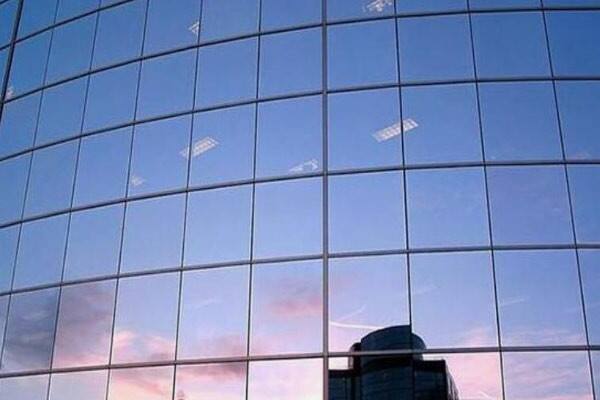
When sunlight strikes a building's facade, a significant portion of that energy enters as heat, driving up cooling costs and reducing occupant comfort. reflective coated glass addresses this challenge at the source by using specialized surface coatings that intercept solar radiation before it fully transmits through the glazing. Understanding how reflective coated glass works helps architects, building owners, and facility managers make smarter decisions about facade design and long-term energy performance.
Reflective coated glass is widely used in commercial buildings, curtain wall systems, and high-performance facades across diverse climates. The coating applied to reflective coated glass is engineered to reflect a defined portion of solar energy while still permitting visible light to pass through. This balance between light transmission and solar control is what makes reflective coated glass a preferred glazing solution in energy-conscious construction projects worldwide.
The Science Behind Reflective Coated Glass and Solar Reflection
How the Coating Layer Works
The coating on reflective coated glass typically consists of thin metallic or metal-oxide layers deposited onto the glass surface through processes such as magnetron sputtering or pyrolytic coating. These layers are engineered at the nanometer scale, giving reflective coated glass the ability to selectively interact with different wavelengths of solar radiation. Infrared radiation, which carries the majority of solar heat, is reflected away before it penetrates the interior, while a controlled amount of visible light is transmitted to maintain natural daylighting inside the building.
The solar reflectance of reflective coated glass can be adjusted during manufacturing by varying the composition and thickness of the coating layers. Higher reflectance values mean that a greater portion of solar energy is bounced away from the building envelope. In practice, reflective coated glass with a high solar reflectance can reduce solar heat gain coefficient values significantly compared to uncoated clear glass, making the interior far easier and less costly to cool during peak summer months.
Solar Heat Gain Coefficient Explained
The solar heat gain coefficient, commonly abbreviated as SHGC, quantifies how much solar radiation admitted through reflective coated glass eventually becomes heat inside a space. A lower SHGC means that reflective coated glass is transferring less solar energy into the building. For warm and sunny climates, specifying reflective coated glass with a low SHGC is a critical step in reducing mechanical cooling loads and achieving green building certifications such as LEED or BREEAM.
Reflective coated glass achieves its low SHGC by combining high reflectance with selective absorption within the coating itself. Some of the solar energy that is not reflected by reflective coated glass is absorbed by the coating layer and re-radiated outward, rather than transmitted inward. This dual mechanism of reflection and controlled absorption makes reflective coated glass more effective at blocking heat than standard tinted glass, which primarily relies on absorption alone.
Thermal Performance and Energy Efficiency Benefits
Reducing Cooling Loads in Commercial Buildings
In commercial buildings with large glazed areas, solar heat gain through windows and curtain walls can account for a substantial share of total cooling energy demand. By incorporating reflective coated glass into the building envelope, developers can measurably reduce that internal heat load. When reflective coated glass is used consistently across a building facade, the cumulative reduction in cooling energy can translate into significant cost savings over the operational lifetime of the building.
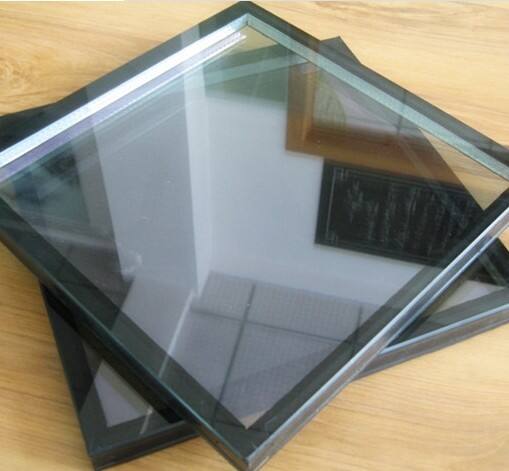
Reflective coated glass also helps maintain more stable interior temperatures throughout the day. Because reflective coated glass limits the peak heat entering the space during midday and afternoon hours, HVAC systems can operate at lower capacities without struggling to compensate for solar spikes. This not only saves energy but also reduces equipment wear, extending the service life of cooling systems and lowering maintenance costs for building operators.
Compatibility With Double Glazing and IGU Systems
Reflective coated glass is frequently combined with double or triple glazing insulated glass unit configurations to achieve even greater thermal performance. In an insulated glass unit, reflective coated glass is positioned on the outer pane with the coating facing inward toward the air gap, which protects the coating from environmental degradation. This configuration allows reflective coated glass to deliver both solar control and thermal insulation simultaneously, making it suitable for buildings that require year-round energy management rather than just summer cooling reduction.
When reflective coated glass is integrated into a well-designed insulated glass unit, the combined U-value and SHGC performance can satisfy the most demanding energy codes and facade specifications. Reflective coated glass in this format serves as a multifunctional building material that addresses solar heat gain, heat loss in winter, and acoustic performance within a single glazing system.
Application Scenarios Where Reflective Coated Glass Delivers the Most Value
High-Rise and Curtain Wall Facades
High-rise commercial towers and curtain wall systems represent one of the most demanding applications for reflective coated glass. These structures feature continuous glazed surfaces exposed to direct sunlight from multiple orientations throughout the day. Reflective coated glass installed in curtain wall systems allows architects to maintain a sleek, all-glass aesthetic while managing solar heat gain across an enormous surface area. The reflective quality of reflective coated glass also contributes a distinctive visual character to the facade, with mirror-like or lightly tinted appearances depending on the chosen coating specification.
Retail, Hospitality, and Office Interiors
Beyond high-rise facades, reflective coated glass is widely applied in retail storefronts, hotel lobbies, and open-plan office environments where large glazed areas are desirable for daylighting and visual connection to the exterior. In these settings, reflective coated glass reduces glare and thermal discomfort near windows without requiring heavy shading devices or tinted blinds that would obstruct views. Occupants working or shopping near reflective coated glass installations benefit from improved visual comfort and more consistent indoor temperatures, which directly supports productivity and customer experience.
Reflective coated glass also finds application in skylights, atriums, and sloped glazing where solar exposure is especially intense due to the angle of incidence. In these configurations, reflective coated glass controls heat accumulation in naturally lit interior volumes, reducing the risk of overheating that would otherwise compromise comfort and increase cooling energy demand substantially.
FAQ
Does reflective coated glass affect visible light inside a building?
Yes, reflective coated glass does reduce the amount of visible light transmitted compared to clear uncoated glass. However, modern reflective coated glass products are engineered to maintain an acceptable level of visible light transmission while still achieving effective solar control. The specific balance between light transmission and solar reflection varies by product specification, allowing designers to select reflective coated glass that meets both daylighting and energy performance targets.
Is reflective coated glass suitable for residential use?
Reflective coated glass can be used in residential applications, particularly in homes with south or west-facing large windows in warm climates. Homeowners choosing reflective coated glass should consider the trade-off between reduced solar heat gain and the slightly darker interior appearance that reflective coated glass may produce. For residences, lighter reflectance specifications of reflective coated glass are often preferred to preserve natural light levels while still achieving meaningful energy savings.
How durable is the coating on reflective coated glass?
The durability of reflective coated glass depends on whether the coating is applied as a hard coat or a soft coat. Hard-coat reflective coated glass is more resistant to environmental exposure and can be used as single glazing in some applications. Soft-coat reflective coated glass offers superior optical and solar performance but requires protection within an insulated glass unit to prevent oxidation and scratching. Properly installed reflective coated glass in an insulated unit can maintain its performance characteristics for decades under normal service conditions.