EN
EN


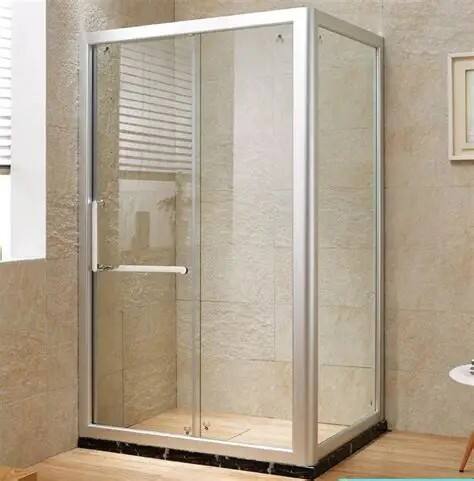
A glass shower door is one of the most visually exposed surfaces in any bathroom, and it is also one of the most vulnerable to staining. Hard water minerals, soap scum, and body oils accumulate quickly on an unprotected glass shower door, turning a once-clear panel into a clouded, streaky surface. Understanding which coating options are available — and how each one works — is the first step toward choosing the right protection for your glass shower door.
The good news is that the glass industry has developed several effective coating technologies specifically designed to keep a glass shower door looking clean and clear for longer. These coatings work by altering the surface chemistry of the glass shower door so that water, minerals, and organic residues have less ability to bond with the surface. Each coating type has its own mechanism, durability profile, and ideal application scenario, so matching the right coating to your glass shower door situation makes a significant practical difference.
Hydrophobic Coatings for Glass Shower Doors
How Hydrophobic Coatings Work on a Glass Shower Door
A hydrophobic coating is among the most widely used protective finishes applied to a glass shower door. The word 'hydrophobic' means water-repelling, and that is precisely what this coating does to a glass shower door surface. When water droplets land on a treated glass shower door, they bead up and roll off rather than spreading into thin sheets that leave mineral deposits behind. This sheeting prevention is the core mechanism by which a hydrophobic coating keeps a glass shower door cleaner between washes.
Most hydrophobic coatings for a glass shower door are silicone- or fluoropolymer-based chemistries that form an extremely thin molecular layer on the glass shower door surface. This layer does not change the appearance of the glass shower door but dramatically reduces the surface energy, which is what allows water and dissolved minerals to slide off instead of sticking. For a glass shower door in a hard-water environment, a hydrophobic coating is often the first recommendation because it directly counters the mechanism behind water-spot formation on the glass shower door.
Durability Considerations for Hydrophobic Glass Shower Door Coatings
One important factor to evaluate when choosing a hydrophobic coating for your glass shower door is durability. Some hydrophobic coatings on a glass shower door are factory-applied and bonded at the molecular level, offering several years of reliable performance before reapplication becomes necessary. Others are aftermarket spray-on products that must be reapplied to the glass shower door every few months to maintain effectiveness. For a long-term installation, factory-bonded hydrophobic coatings applied to the glass shower door during manufacturing provide more consistent and lasting stain resistance.
Anti-Lime and Mineral-Resistant Coatings
The Role of Anti-Lime Coatings on a Glass Shower Door
Hard water contains dissolved calcium and magnesium salts that deposit as white limescale on a glass shower door when water evaporates. An anti-lime coating specifically targets this problem by creating a chemical barrier on the glass shower door surface that prevents calcium carbonate crystals from bonding to the glass. Unlike a standard hydrophobic coating that repels liquid water, an anti-lime coating on a glass shower door works at the ionic level, blocking the adhesion of dissolved mineral salts even when evaporation occurs.
For a glass shower door installed in a region with very high water hardness, an anti-lime coating is a highly practical choice. The glass shower door remains significantly easier to clean because limescale cannot form a strong bond with the treated surface. Regular wiping of the glass shower door with a soft cloth is usually sufficient to remove any light residue that does accumulate, which greatly reduces the need for harsh chemical cleaners that can themselves damage the glass shower door over time.
Combining Anti-Lime and Hydrophobic Properties on a Glass Shower Door
Many advanced coating systems for a glass shower door now combine hydrophobic and anti-lime properties in a single layer. This dual-action approach means the glass shower door benefits from both water-beading behavior and mineral-adhesion resistance simultaneously. For property developers, hotel designers, and homeowners who want a glass shower door that requires minimal maintenance, a combined coating system offers the most comprehensive stain protection available. The glass shower door surface stays clearer for longer with less cleaning effort, which represents genuine value in any installation context.
Low-E and Functional Glass Coatings for the Shower Door
What Low-E Coatings Offer a Glass Shower Door
Low-emissivity, or low-e, coatings are best known for their thermal performance in window applications, but they also have a meaningful role in protecting a glass shower door surface. A low-e coating applied to a glass shower door consists of ultra-thin metallic oxide layers that reflect infrared energy and reduce heat transfer. While the primary function of a low-e coating on a glass shower door is not stain resistance, its smooth and dense surface structure makes it inherently more resistant to contamination than uncoated glass. The glass shower door surface treated with a low-e coating is harder for mineral deposits and soap scum to penetrate and etch.
In addition, a low-e glass shower door has the benefit of temperature-related condensation reduction. Because the glass shower door surface stays at a more stable temperature, the temperature differential that drives heavy condensation is reduced. Less condensation on the glass shower door means fewer water deposits, fewer stains, and a cleaner overall appearance with less maintenance. This makes a low-e coating a thoughtful long-term investment for any glass shower door in a busy household or commercial facility.
Selecting the Right Coating Combination for Your Glass Shower Door
Choosing the right coating for a glass shower door depends on your water quality, usage frequency, and maintenance preferences. A glass shower door in a low-traffic residential bathroom may perform well with a quality hydrophobic factory coating alone. A glass shower door in a high-traffic hotel or spa environment benefits from a combined hydrophobic and anti-lime system, or from a low-e coated glass shower door that offers structural surface density alongside stain resistance. Consulting with a glass specialist about the specific environmental conditions your glass shower door faces helps ensure the coating choice delivers lasting results.
FAQ
How often does a coated glass shower door need to be resealed?
A factory-bonded hydrophobic coating on a glass shower door typically lasts three to five years before reapplication. Aftermarket coatings applied to an existing glass shower door need reapplication every two to six months depending on usage and cleaning habits. Choosing a factory-applied coating for your glass shower door offers the longest interval between maintenance cycles.
Can a glass shower door coating be applied after installation?
Yes, aftermarket coatings can be applied to an existing glass shower door once the surface is thoroughly cleaned and free of existing mineral deposits. The glass shower door must be fully dry before any coating product is applied. While aftermarket coatings for a glass shower door are convenient, they generally do not match the durability of factory-bonded coatings.
Does a coated glass shower door require special cleaning products?
A coated glass shower door should be cleaned with non-abrasive, pH-neutral cleaners to avoid degrading the protective layer. Harsh acidic or alkaline products can strip the coating from the glass shower door surface and significantly shorten its effective lifespan. Using a soft microfiber cloth on the glass shower door after each use is the simplest way to extend the life of any protective coating.