EN
EN


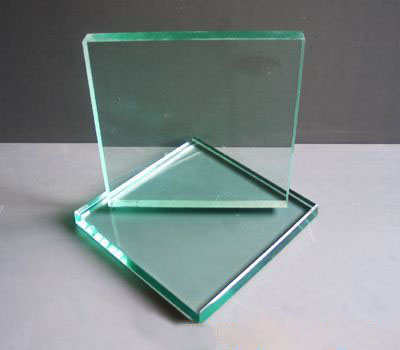
Importing float glass requires a comprehensive understanding of float glass specifications that directly impact product quality, cost efficiency, and end-user satisfaction. Float glass specifications define the physical and chemical properties that determine how the material performs in applications ranging from architectural glazing to automotive use. Without clear knowledge of float glass specifications, importers risk receiving substandard material, facing production delays, or disappointing customers with inferior optical clarity or dimensional accuracy. The foundational float glass specifications include thickness tolerances, flatness measurements, optical distortion limits, surface quality grades, and chemical composition standards. Understanding these float glass specifications upfront allows importers to negotiate effectively with suppliers, establish realistic quality acceptance criteria, and avoid costly disputes or product rejections.
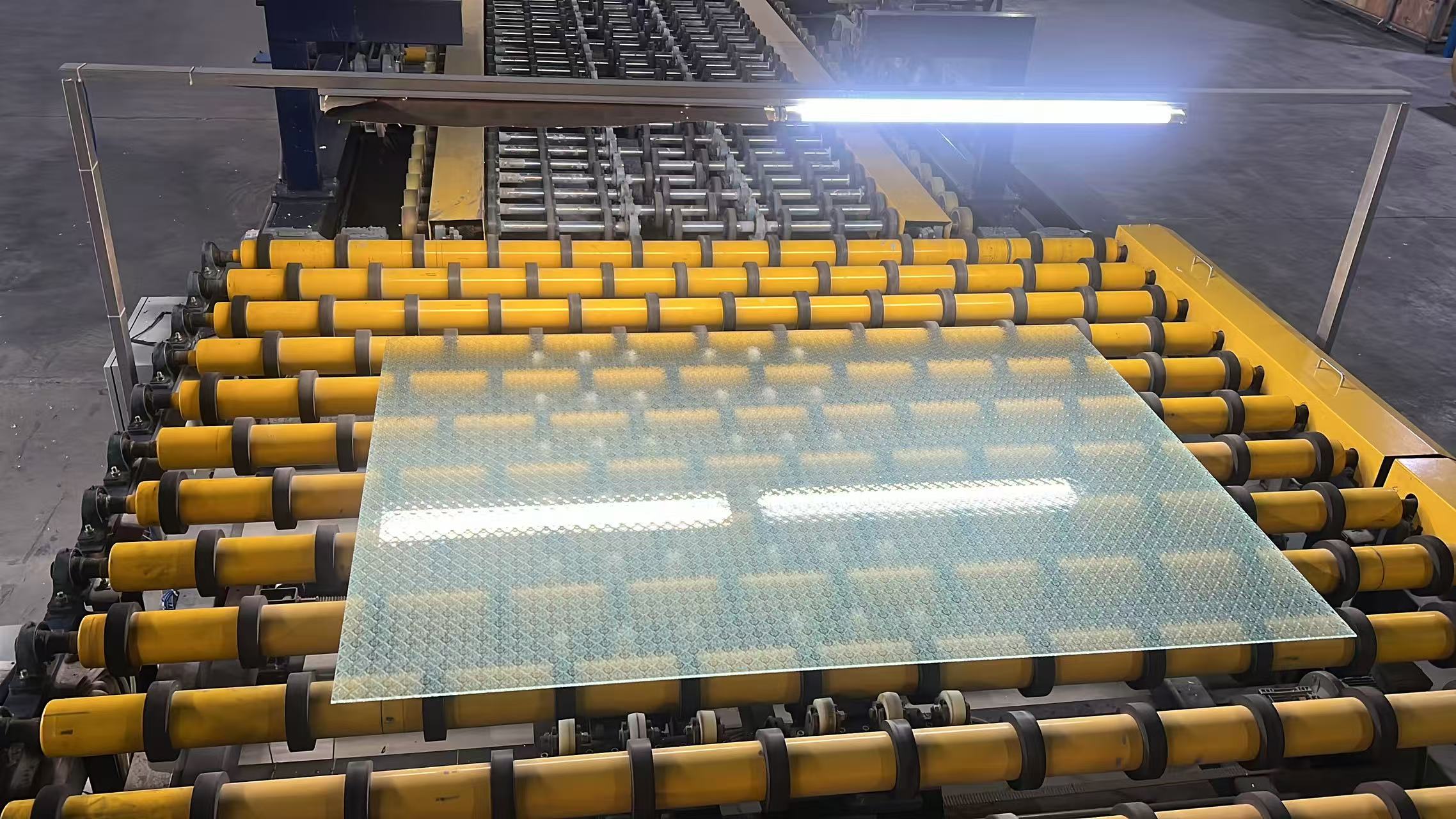
Float glass specifications are typically documented through international standards such as ISO 9050, EN 572, and ASTM C1036, which provide technical frameworks that suppliers reference during manufacturing and quality control. When sourcing float glass specifications documentation, importers should request complete specification sheets that outline all critical parameters, testing methods, and acceptance limits. The ability to read and interpret float glass specifications documents is essential for confirming that purchased material meets intended end-use requirements and complies with local building codes or industry certifications.
Dimensional and Flatness Standards in Float Glass Specifications
Thickness Tolerance and Measurement
Float glass specifications require precise thickness control because variations directly affect structural integrity, thermal performance, and acoustic properties. Standard float glass specifications typically allow thickness tolerances ranging from ±0.3 millimeters for thin applications to ±0.5 millimeters for thicker sheets, depending on the intended nominal thickness and end use. Importers must confirm whether float glass specifications for their specific order call for tight tolerances or standard tolerances, as tighter tolerances increase manufacturing cost and lead time. Measurement of float glass specifications thickness should be performed at multiple points across each sheet—typically at least nine locations—to ensure compliance throughout the batch. Many importers request certified thickness measurement reports with float glass specifications documented to provide traceability and support quality claims in their own supply chain.
Flatness and Surface Distortion Limits
Flatness is a critical parameter within float glass specifications that determines whether the material can be cut, edged, tempered, or laminated without difficulty. Float glass specifications define flatness using warp measurements, typically expressed in millimeters of deviation over standard reference lengths such as 1 meter or 2 meters. Optical distortion within float glass specifications is measured by checking how much the glass bends light or creates visual waves when viewed through the material. Inferior flatness within float glass specifications can result in rejected sheets during fabrication, increased scrap rates, and production bottlenecks. Importers should understand that standard float glass specifications generally allow slightly higher distortion on tin-side surfaces than on air-side surfaces, since tin-side contact during manufacturing naturally affects this characteristic.
Optical Quality and Surface Grade Requirements
Clarity and Optical Distortion Standards
Float glass specifications include optical clarity classifications that distinguish material intended for architectural glazing from material suited for lower-visibility applications. Clear float glass specifications require minimum light transmission values, typically around 90 percent for visible light, ensuring that the material does not artificially tint or cloud the view through windows or transparent surfaces. Float glass specifications also define acceptable levels of optical distortion, measured in degrees of deviation when viewing through the glass at specific angles and distances. Importers sourcing float glass specifications for demanding architectural applications should request the highest clarity grades available, as these command premium pricing but deliver superior aesthetic performance. Testing optical quality according to float glass specifications typically involves comparing sample sheets against reference standards under standardized lighting conditions.
Surface Defects and Inspection Criteria
Float glass specifications establish allowable defect categories including dust inclusions, surface scratches, edge chips, and bubble content, each with defined size and frequency limits. Class A float glass specifications represent the highest standard with minimal permitted defects, suitable for applications where appearance is critical such as high-end architectural facades or premium automotive use. Float glass specifications for Class B or utility grades allow larger defects or higher defect frequency, making them cost-effective for applications where minor surface imperfections do not affect functionality. Importers must clarify with suppliers which float glass specifications grade applies to their purchase order and establish whether defect inspection will use visual methods, automated imaging systems, or sample-based testing. Understanding defect classification within float glass specifications helps importers set realistic expectations and avoid disputes over sheet acceptance or rejection decisions.
Chemical Composition and Safety Compliance in Float Glass Specifications
Composition Standards and Purity Requirements
Float glass specifications document the chemical composition including silica content, lime, soda, and other oxides that collectively determine glass properties such as thermal conductivity, chemical durability, and thermal expansion behavior. Standard float glass specifications typically require silica content above 70 percent by weight, with carefully controlled ratios of lime and soda to ensure consistent manufacturing and end-product performance. Float glass specifications for specialized applications may impose additional purity requirements, such as limiting iron oxide content to reduce green tinting in thick sheets or controlling other elements to meet environmental specifications. Importers should request certificates of analysis verifying that float glass specifications chemical composition values match agreed-upon ranges and comply with applicable regulations in the destination market. Some industrial applications require float glass specifications that exceed standard ISO or ASTM requirements, and suppliers must be contractually committed to deliver material meeting these custom composition parameters.
Environmental and Safety Certifications
Float glass specifications increasingly include environmental declarations, recycled content percentages, and compliance statements regarding restricted substances in destination markets such as Europe or North America. Float glass specifications must align with regulations such as the European Union's Construction Products Regulation or China's Building Material Industry Standards if material is destined for regulated markets. Importers should verify that float glass specifications documentation includes environmental impact assessments, energy consumption data during manufacturing, and any certifications such as ISO 14001 environmental management certification for the supplier facility. Float glass specifications covering safety compliance should address edge treatment methods for safety-critical applications and any requirements for post-processing treatments such as tempering or lamination. Confirming these compliance elements within float glass specifications protects importers from regulatory violations, market access delays, or customer liability exposure.
FAQ
What are the most critical float glass specifications an importer should verify before purchasing?
The most critical float glass specifications include thickness tolerance and measurement certification, flatness and warp limits, optical clarity and distortion ratings, surface quality grade classification, and chemical composition compliance with your destination market regulations. Additionally, confirm that float glass specifications include details about edge quality, tin-side versus air-side designation, and any post-processing treatment compatibility. Request specification sheets aligned with ISO 9050, EN 572, or ASTM C1036 standards relevant to your application.
How do float glass specifications differ between standard and high-performance grades?
Standard float glass specifications define baseline parameters acceptable for general construction and glazing applications, typically allowing broader tolerances and higher defect frequency. High-performance float glass specifications impose tighter dimensional tolerances, superior optical clarity, lower distortion limits, and Class A surface quality grades, resulting in higher material cost but delivering premium aesthetic and functional performance. High-performance float glass specifications also often include enhanced chemical durability and specific composition requirements for architectural or specialty applications.
Why should importers request certified testing reports for float glass specifications compliance?
Certified testing reports provide independent verification that supplied float glass specifications measurements are accurate and material truly complies with agreed standards before installation or fabrication begins. Testing reports create a documented record that protects importers during quality disputes, regulatory audits, or product liability investigations by proving material met contractual float glass specifications at delivery. Reports also identify batches with consistent performance, helping importers optimize supplier relationships and build confidence in repeat orders meeting identical float glass specifications.