EN
EN


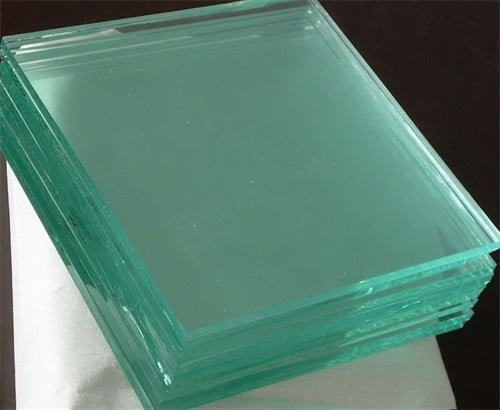
Float glass has emerged as the cornerstone material in the global glass manufacturing industry, serving as the foundational base for virtually all processed glass products. Understanding why float glass holds this critical position requires examining the manufacturing process, quality advantages, and practical applications that make float glass indispensable across industries ranging from construction to automotive to solar energy. The dominance of float glass in modern glass production is not accidental but rather the result of superior engineering, consistent output standards, and the economic efficiency that float glass technology delivers to manufacturers worldwide.
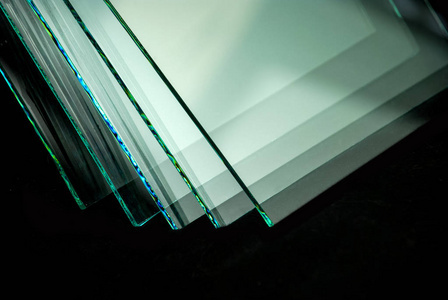
The glass industry relies heavily on float glass because this manufacturing method produces superior optical clarity, dimensional stability, and surface flatness compared to older production techniques. Float glass technology revolutionized glass production by eliminating surface irregularities and distortions that plagued traditional methods. When manufacturers specify float glass as their base material, they gain immediate access to a stable, predictable foundation upon which all downstream processing can occur reliably and efficiently.
Superior Manufacturing Process and Consistency
The Float Glass Production Method
Float glass manufacturing involves pouring molten glass onto a bed of molten tin, where the glass floats freely until it cools and solidifies into a perfectly flat sheet. This revolutionary float glass process, developed in the mid-twentieth century, transformed the industry by providing consistent thickness and exceptional flatness across entire sheets. The float glass technique ensures that both surfaces—top and bottom—achieve identical optical quality without grinding or polishing, which was necessary in older plate glass methods. Modern float glass plants operate continuously, producing float glass sheets with tolerances measured in fractions of millimeters, enabling processors to work with predictable material properties.
Quality Assurance in Float Glass Production
Every batch of float glass undergoes rigorous quality testing to verify dimensional accuracy, optical clarity, and chemical composition before it leaves the manufacturing facility. Float glass producers implement automated inspection systems that detect microscopic surface defects, thickness variations, and color inconsistencies in real time. This commitment to float glass quality control means that processors and end-users can depend on consistent material specifications, reducing rework rates and waste throughout the supply chain. The reliability of float glass as a base material translates directly into reduced production costs for downstream glass processors.
Cost-Effectiveness and Economic Advantages
Manufacturing Efficiency and Scalability
Float glass production operates at massive scale worldwide, creating competitive pricing that benefits the entire processed glass industry. Because float glass manufacturing is standardized globally, buyers can source material from multiple suppliers, fostering price competition and supply chain resilience. The continuous nature of float glass production lines allows manufacturers to achieve economies of scale that would be impossible with batch-based alternative methods. When companies choose float glass as their foundational material, they gain access to abundant supply and stable pricing that supports profitable operations across various market conditions.
Reduced Processing Costs for End Products
Starting with float glass as the base material significantly reduces the labor, time, and expense required to produce finished processed glass products. Because float glass already meets strict flatness and optical standards, processors can begin their value-added work immediately without preliminary surface preparation or grinding. Many processed glass products, including tempered glass, laminated glass, insulated glass units, and coated glass, depend on the consistent quality that float glass provides as their foundation. The ability to process float glass efficiently allows manufacturers to maintain competitive margins while delivering superior products to customers.
Performance Characteristics Enabling Product Innovation
Optical Properties and Light Transmission
Float glass offers exceptional light transmission properties, making it the ideal base for applications requiring high visibility and color accuracy. Ultra-clear float glass variants eliminate the greenish tint present in standard float glass, enabling applications in premium architectural projects and solar installations where light purity matters. The consistent optical quality of float glass ensures that any subsequent coating, tinting, or tempering processes yield predictable results that meet customer expectations. Designers and engineers specify float glass products because they can rely on known light transmission values and optical behavior throughout the material's lifespan.
Structural Stability and Dimensional Precision
Float glass exhibits minimal thermal expansion or contraction, providing the dimensional stability necessary for precision applications including electronic displays, laboratory equipment, and automotive glazing. The perfectly flat surfaces of float glass sheets eliminate the waves, ripples, or distortions that would compromise product performance in these demanding environments. Processed glass products manufactured from float glass maintain their intended specifications under temperature fluctuations, humidity variations, and mechanical stress. This stability is critical for safety-sensitive applications such as automotive windows and architectural glazing, where any dimensional shift could compromise structural integrity or safety performance.
Industry Applications and Market Dependency
Architectural and Construction Applications
The construction industry depends almost exclusively on float glass products for windows, glass doors, skylights, and decorative architectural elements. Modern building codes and safety standards mandate the use of processed glass products that originate from quality float glass as the foundational material. Float glass sheets serve as the parent material for tempered safety glass, laminated security glass, and insulated glazing units that meet stringent building performance requirements. Architects and building engineers specify float glass-based products because they deliver the thermal performance, structural reliability, and aesthetic consistency demanded by contemporary construction projects.
Automotive and Specialized Manufacturing
The automotive industry requires float glass for windshields, side windows, and rear windows where optical clarity, impact resistance, and dimensional precision are non-negotiable. Float glass processed into laminated configurations provides the safety performance required by vehicle safety standards while maintaining the optical clarity necessary for driver visibility. Specialized applications including pharmaceutical equipment, food processing machinery, and laboratory instruments all depend on float glass as the base material because it resists chemical contamination and maintains dimensional stability under demanding conditions. Float glass enables manufacturers to produce processed glass products that meet the performance specifications required by regulated industries.
FAQ
What makes float glass superior to other glass manufacturing methods?
Float glass manufacturing produces sheets with perfectly flat surfaces on both sides without requiring grinding or polishing, unlike older plate glass methods that generated optical distortions and surface irregularities. The float glass process delivers superior dimensional consistency, optical clarity, and cost-efficiency compared to alternative production techniques, making float glass the industry standard for processed glass product manufacturing.
How does float glass quality affect downstream processing?
The consistent quality of float glass ensures that processors can begin value-added treatments immediately without preliminary surface preparation, reducing labor costs and processing time for finished products. Because float glass meets strict specifications for flatness, thickness, and optical properties, downstream float glass processing such as tempering, laminating, or coating produces predictable results that meet customer requirements reliably.
Why do architects and engineers specify products made from float glass?
Float glass products deliver proven performance in demanding applications including safety, thermal efficiency, and aesthetic consistency that meeting building codes and customer expectations requires. The reliability, availability, and cost-effectiveness of float glass make it the logical choice for processed glass products across architectural, automotive, and industrial applications worldwide.