EN
EN


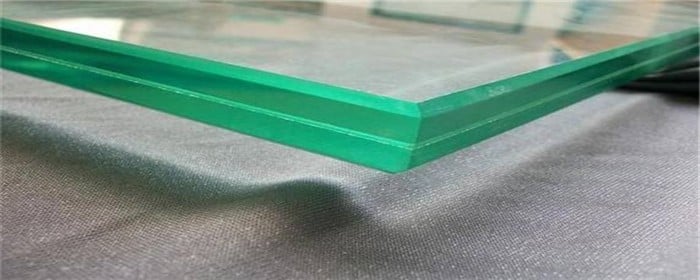
When investing in bathroom renovations, homeowners and contractors frequently ask whether a frameless glass shower door delivers the durability that justifies its premium cost. The answer is nuanced and depends on several interconnected factors including material quality, installation precision, maintenance practices, and usage patterns. A frameless glass shower door can absolutely offer superior long-term durability compared to framed alternatives, but only when specific conditions are met and proper care is maintained throughout its operational lifetime.
Understanding the durability profile of a frameless glass shower door requires examining the engineering behind its construction, the role of tempered glass in longevity, and how structural vulnerabilities differ from traditional framed models. The absence of a metal frame eliminates corrosion and rust issues that plague conventional shower enclosures, yet introduces different wear patterns that demand attention. This comprehensive guide explores whether a frameless glass shower door represents a sound long-term investment and what conditions support maximum durability.
The Core Durability Advantages of Frameless Glass Shower Doors
Tempered Glass Strength and Impact Resistance
The foundation of durability in any frameless glass shower door rests on the material itself: tempered glass. Tempered glass undergoes a thermal and chemical treatment process that increases its strength by four to five times compared to standard annealed glass. This treatment creates internal compressive stress that makes a frameless glass shower door far more resistant to thermal shock, impact damage, and sudden temperature changes that occur during daily shower use. When tempered glass does fracture, it crumbles into small granular pieces rather than sharp shards, which is both a safety and practical advantage.
Absence of Corrosion-Prone Framing Materials
Traditional shower enclosures use aluminum or steel frames that corrode, rust, and deteriorate over decades of exposure to moisture and humidity. A frameless glass shower door eliminates this vulnerability entirely by containing no ferrous or easily oxidized frame components. This architectural simplicity is a decisive durability factor. Instead of battling metal degradation, a frameless glass shower door relies on stainless steel or brass hardware at minimal attachment points—components far more resistant to corrosion when properly selected and maintained. The absence of a frame dramatically extends the operational lifespan.
Potential Durability Challenges in Frameless Glass Shower Door Design
Hardware Load-Bearing and Attachment Points
While a frameless glass shower door avoids frame corrosion, its durability depends heavily on the structural integrity of its hardware components. Hinges, handles, and mounting brackets bear concentrated loads at small contact points. Over years of opening and closing, these attachment points experience mechanical stress that can eventually compromise seal integrity or hardware performance. The durability of a frameless glass shower door is therefore contingent on premium-grade stainless steel or brass hardware and precise installation that distributes load evenly. Inferior hardware selection undermines the long-term durability advantages of the glass itself.
Seal Degradation and Water Infiltration
A frameless glass shower door relies on silicone sealants and gaskets to prevent water leakage at joints and panel connections. These sealant materials naturally degrade over time through UV exposure, moisture saturation, and chemical breakdown. While proper silicone formulations can last ten to fifteen years, eventually a frameless glass shower door will require seal reapplication or replacement. The durability of a frameless glass shower door in this dimension depends on using medical-grade or shower-specific silicone compounds and accepting that maintenance intervals must include periodic resealing. Neglecting this maintenance significantly reduces long-term durability.
Real-World Durability Performance and Maintenance Requirements
Comparative Lifespan Data and Industry Standards
Research and field experience indicate that a well-maintained frameless glass shower door typically survives twenty to thirty years, substantially longer than framed enclosures which average ten to fifteen years. The durability advantage of a frameless glass shower door stems from eliminated frame rust, reduced number of joint connections, and superior glass impact resistance. However, this extended lifespan assumes professional installation, premium hardware selection, and consistent maintenance. A frameless glass shower door installed with budget components or inadequate installation procedures can underperform and fail within ten to fifteen years. Durability is not automatic but depends on quality execution at every stage.
Maintenance Protocols That Maximize Durability
Preserving the durability of a frameless glass shower door requires following specific maintenance practices. Regular cleaning with appropriate products prevents mineral deposit accumulation and soap scum buildup that can eventually compromise seals and hardware visibility. Wiping hardware dry after showers prevents moisture-related corrosion even in stainless steel components. Inspecting seals annually and resealing when cracks appear prevents water infiltration behind the glass. Avoiding abrasive cleaners and hard-bristled brushes protects the glass surface from micro-scratching that could propagate into fractures. The durability of a frameless glass shower door ultimately reflects the owner's commitment to preventive care. Homes that implement these practices consistently enjoy superior long-term performance.
Installation Quality and Material Selection as Durability Determinants
Professional Installation Impact on Long-Term Durability
The installation process profoundly influences whether a frameless glass shower door achieves its theoretical durability potential. Precise measurement, accurate hardware placement, and proper weight distribution during installation establish the structural foundation for decades of reliable performance. Poor installation creates uneven stress on hardware components, misaligned seals, and premature wear patterns that undermine durability. A frameless glass shower door professionally installed by experienced technicians who understand load distribution and seal application techniques will deliver superior long-term performance compared to DIY or rushed installations. Investment in quality installation is an investment in durability.
Premium Materials and Hardware Selection
Not all components are created equal in frameless glass shower door construction. Selecting frameless glass shower door systems with certified tempered glass, aerospace-grade stainless steel hardware, and medical-grade silicone sealants significantly extends durability compared to budget alternatives. Hardware finish quality matters substantially—brushed stainless steel resists fingerprints and corrosion better than polished finishes. Gasket materials should be rated specifically for wet-area applications with proven performance records. The durability of a frameless glass shower door increases proportionally with material quality and component selection. Premium frameless glass shower door systems cost more initially but deliver superior long-term value through extended lifespan and reduced maintenance costs.
FAQ
How long does a frameless glass shower door typically last?
A well-maintained frameless glass shower door typically lasts twenty to thirty years, while framed alternatives average ten to fifteen years. The durability advantage stems from eliminated frame rust and superior glass strength. However, achieving maximum lifespan requires professional installation, premium hardware, consistent maintenance, and periodic seal reapplication every ten to fifteen years.
What maintenance is required to preserve frameless glass shower door durability?
Regular maintenance includes cleaning with appropriate products, wiping hardware dry after showers, inspecting seals annually, and resealing when cracks appear. Avoid abrasive cleaners that can damage the glass surface. This preventive care directly supports the long-term durability of a frameless glass shower door and prevents water infiltration problems that compromise structural integrity.
Can a frameless glass shower door crack or shatter?
While tempered glass is highly resistant to impacts and thermal shock, a frameless glass shower door can crack under extreme stress or defects in the glass. However, if fracturing occurs, tempered glass crumbles safely into small granular pieces rather than sharp shards. Proper installation and avoiding sudden extreme temperature changes preserve the glass integrity and support the durability of a frameless glass shower door throughout its operational lifespan.