EN
EN

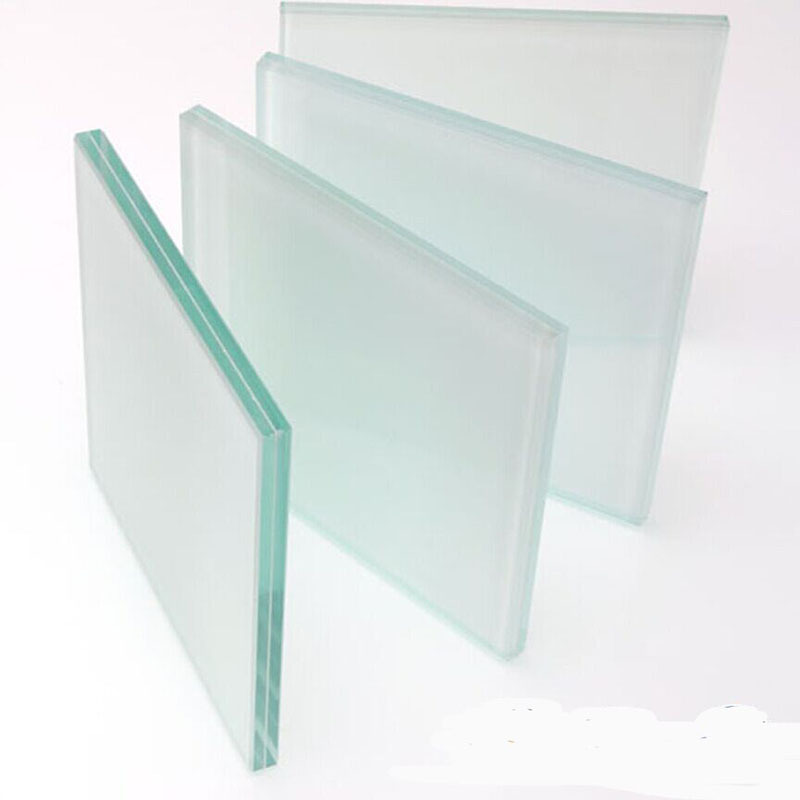
Tempered glass customization is essential for construction projects that demand both safety and architectural precision. Whether you're designing a commercial façade, creating interior partitions, or specifying safety barriers, tempered glass customization allows builders and architects to meet exact dimensional, performance, and aesthetic requirements. Unlike standard off-the-shelf glass products, tempered glass customization transforms raw materials into purpose-built components engineered to withstand environmental stress, thermal conditions, and building code compliance across diverse applications.
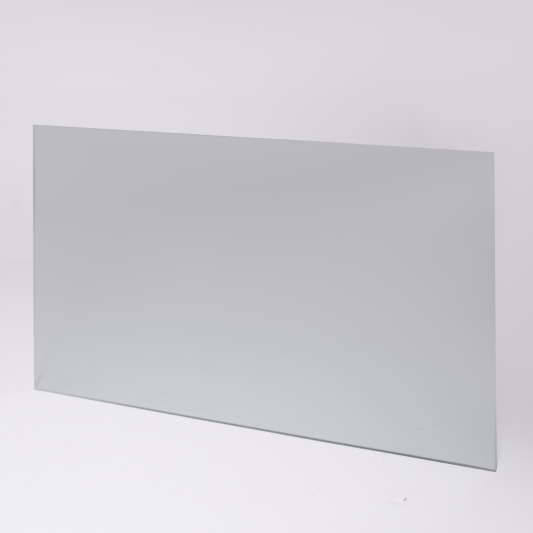
Construction projects operate under strict timelines and regulatory frameworks that require materials tailored to specific conditions. Tempered glass customization addresses this reality by allowing manufacturers to adjust thickness, dimensions, edge treatments, and finishing details before the tempering process locks these properties into the final product. Understanding how tempered glass customization works helps project managers, architects, and procurement teams make informed decisions that balance performance requirements, budget constraints, and installation logistics.
Understanding Tempered Glass Customization Requirements
Dimensional Precision in Tempered Glass Customization
Tempered glass customization begins with precise dimensional specifications tailored to your construction project. Every millimeter matters when glass panels must fit into metal frames, coordinate with surrounding materials, or align with structural load-bearing systems. Manufacturers performing tempered glass customization cut raw glass to your exact width, height, and thickness requirements before applying the tempering process, ensuring that the finished product arrives ready for installation without field adjustments that could compromise safety or aesthetics.
The dimensional aspect of tempered glass customization also includes corner rounding, edge polishing, and corner cutouts for hardware attachment. Construction projects often require beveled edges for visual appeal, seamed corners for safety compliance, or precise holes drilled for bolts and fasteners. Tempered glass customization accommodates these specifications during the pre-tempering stage, preventing the need for post-tempering cutting or drilling, which would destroy the temper and compromise the glass strength.
Thickness and Performance Specifications
Tempered glass customization allows you to select thickness based on structural load, wind pressure, thermal exposure, and safety ratings required by building codes. Standard tempered glass customization options range from 6mm to 19mm thickness, with each increment offering different stress-bearing capacities and acoustic properties. Your construction project may require thicker tempered glass customization for exterior applications facing high wind loads, or thinner options for interior partitions where cost efficiency matters without sacrificing safety performance.
Performance specifications within tempered glass customization also address thermal resistance, impact resistance, and blast resistance depending on project location and building classification. Tempered glass customization ensures that the tempering process is calibrated to create internal stress patterns that provide the required safety ratings, documented through third-party testing and certification that meets regional building codes and international standards.
Aesthetic and Functional Customization Options
Surface Treatments and Finishes
Tempered glass customization extends beyond structural properties into visual presentation through specialized surface treatments applied before tempering. Frosted finishes, decorative coatings, digital prints, and color-tinted glass options integrate into tempered glass customization workflows, allowing architects to achieve design intent while maintaining safety performance. Some projects require privacy through tempered glass customization with graduated frosting, while others demand visual branding through custom printed patterns that enhance the building's aesthetic character.
Reflective and solar-control coatings represent another dimension of tempered glass customization, protecting building interiors from heat gain while reducing cooling loads and energy costs. Tempered glass customization incorporating these advanced coatings requires coordinating application timing with the tempering process to ensure coatings don't interfere with the glass strengthening mechanism or create thermal stress during cooling.
Hardware Integration and Mounting Specifications
Tempered glass customization includes pre-drilled holes, embedded hardware channels, and mounting provisions engineered into the glass before tempering locks these features permanently in place. Rather than drilling through finished tempered glass, which would weaken the material, tempered glass customization addresses hardware requirements during fabrication, with framers receiving glass panels that integrate seamlessly into their installation systems. This approach reduces installation time, minimizes damage risk, and ensures structural integrity throughout the building's operational life.
Tempered glass customization for mounting also considers expansion and contraction cycles, building movement, and vibration isolation by specifying gasket compatibility, fastener materials, and spacing tolerances. Construction projects benefit from tempered glass customization that accounts for these dynamic conditions, preventing stress concentrations that could eventually crack the glass despite its inherent strength.
Safety Standards and Compliance in Customization
Building Code Compliance Through Customization
Tempered glass customization must align with regional and international building codes that specify safety performance for different construction zones and occupancy types. The International Building Code, NFPA Life Safety Code, and local regulations mandate specific requirements for tempered glass customization in areas like stairwells, balconies, bathrooms, and commercial spaces. Manufacturers handling tempered glass customization maintain documentation proving that each custom batch meets applicable codes through impact testing, breakage analysis, and thermal verification.
Tempered glass customization for hazardous locations requires safety film application, edge markings, or warning labels integrated before delivery, ensuring compliance throughout the project lifecycle. Construction teams relying on tempered glass customization receive certification packages that support building inspections and final occupancy approvals, protecting project stakeholders from code violations and liability exposure.
Testing and Quality Assurance
Tempered glass customization undergoes rigorous quality testing to verify that each custom panel achieves specified performance standards. Manufacturers employ fragmentation analysis, thermal shock testing, and documented stress verification during tempered glass customization production runs, with random sampling ensuring consistency across large orders. This quality framework ensures that tempered glass customization delivers reliable, safe components that perform as designed throughout years of operational exposure.
Construction projects benefit from tempered glass customization backed by manufacturer warranties that cover fabrication defects, tempering integrity, and performance compliance. Third-party certifications and testing reports accompany each shipment, providing architects and building inspectors with independent verification that tempered glass customization meets all applicable standards and project specifications.
FAQ
What lead time should I expect for tempered glass customization?
Tempered glass customization lead times typically range from two to four weeks, depending on order volume, complexity of specifications, and current manufacturer capacity. Simple rectangular panels require shorter turnaround, while tempered glass customization involving custom holes, beveled edges, or complex coatings extends the schedule. Construction teams should plan procurement schedules accounting for these lead times, coordinating tempered glass customization orders with installation sequencing to avoid project delays.
Can tempered glass customization be retrofitted into existing frames?
Tempered glass customization works best when fabricators coordinate directly with frame designers during the planning phase, but retrofitting existing frames is possible if dimensions are measured precisely. Successful tempered glass customization retrofits require accurate field measurements, accounting for frame wear and dimensional tolerance variation, then fabricating glass to compensate for installation reality rather than theoretical specification. Communication between frame manufacturers and glass fabricators ensures that tempered glass customization achieves proper fit without forcing installation that could create stress concentrations.
How does tempered glass customization handle seismic and wind load requirements?
Tempered glass customization incorporates seismic and wind load analysis into thickness selection, edge support design, and fastening specifications. Structural engineers specify glass thickness and support spacing during tempered glass customization planning, with manufacturers providing documentation that the custom panels meet calculated stress requirements. In high-wind or seismic regions, tempered glass customization may include laminated construction combining tempered layers with interlayers that provide additional impact resistance and hold glass fragments together if breakage occurs, meeting building code requirements for life safety and property protection.