الزجاج المصفح الأمني
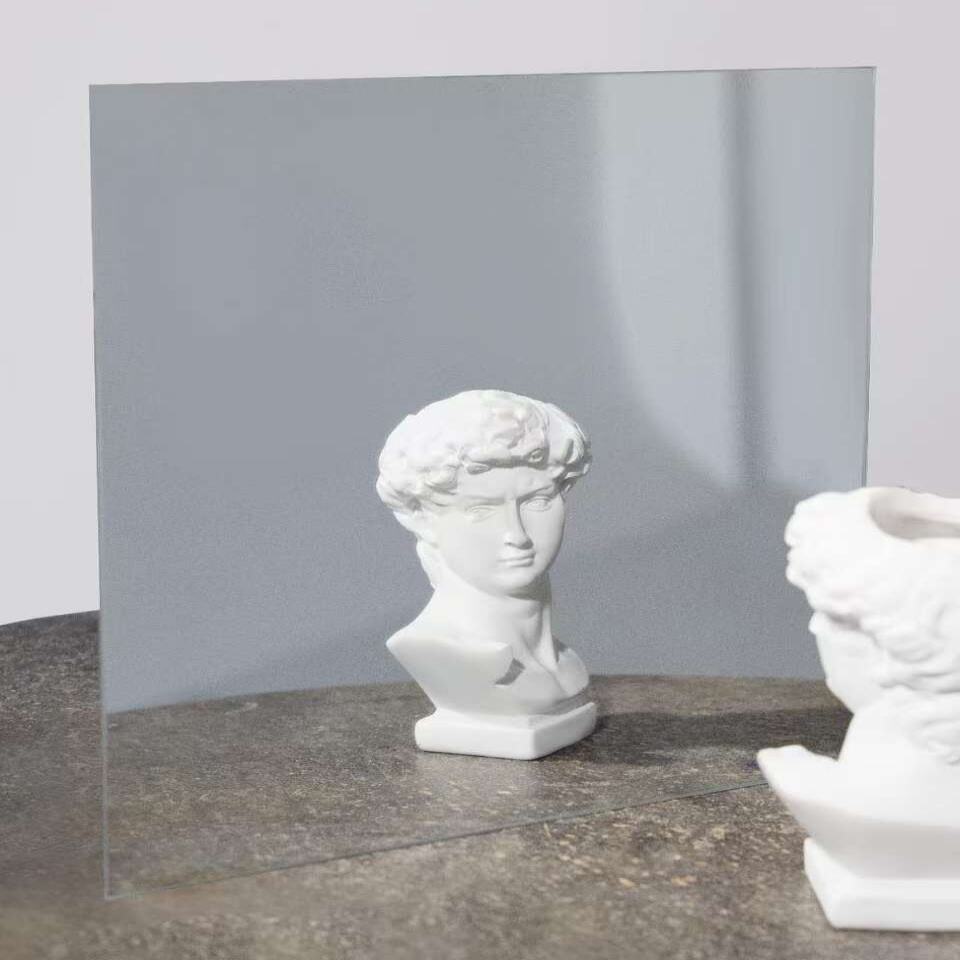
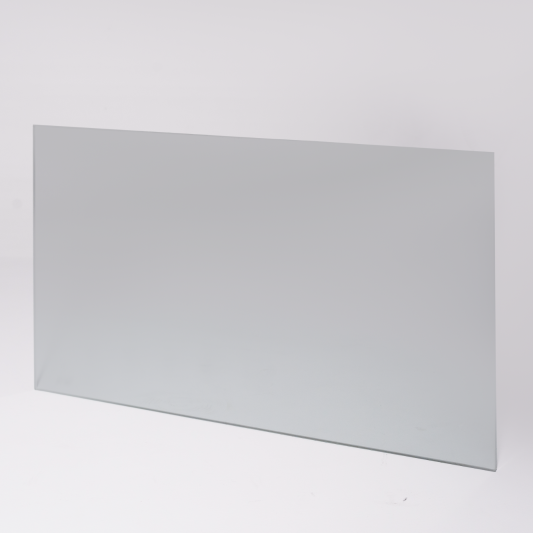
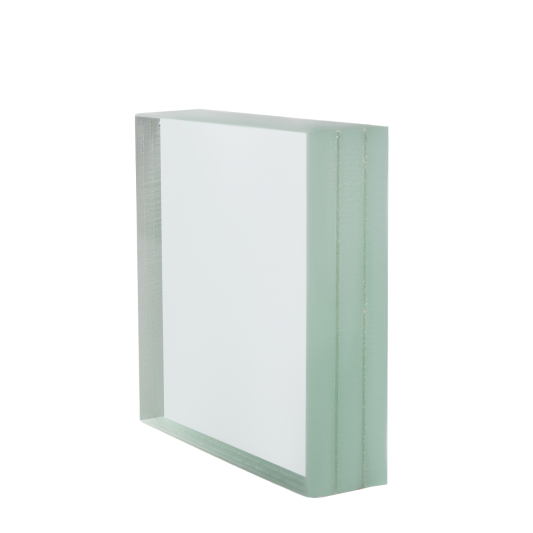
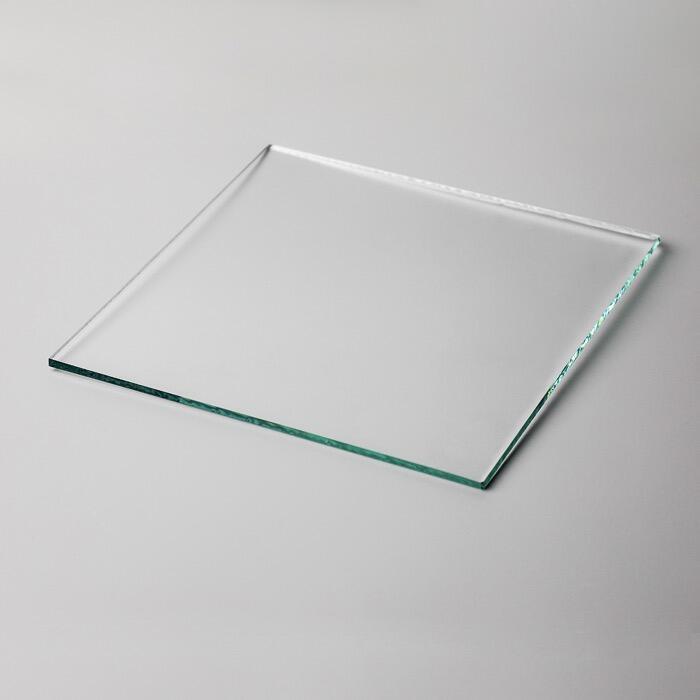
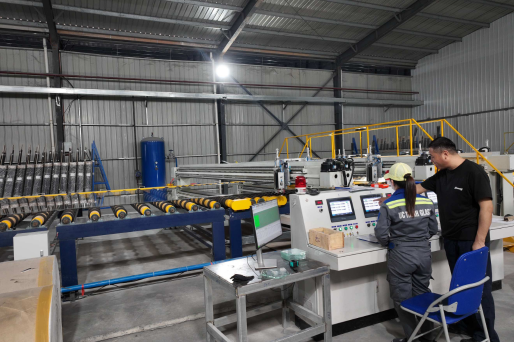
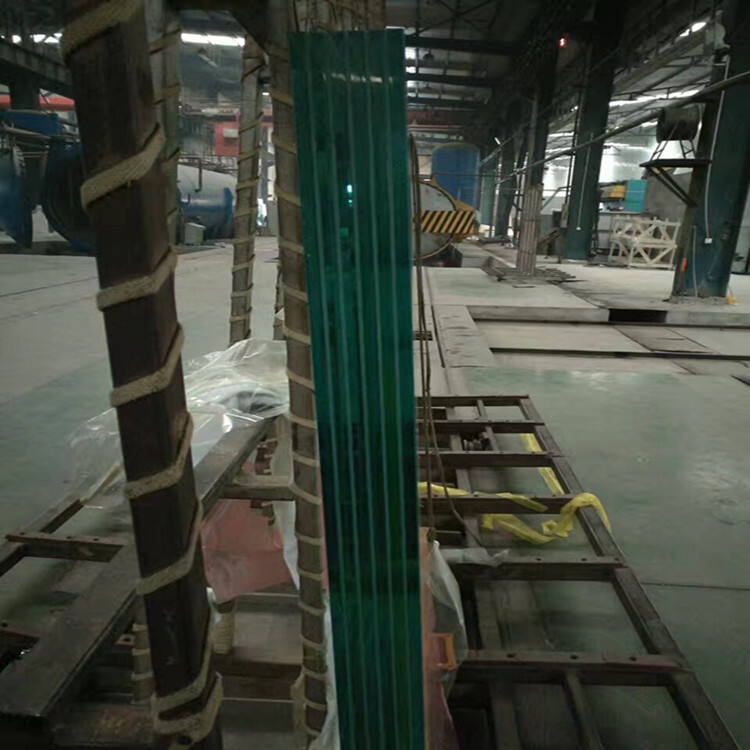
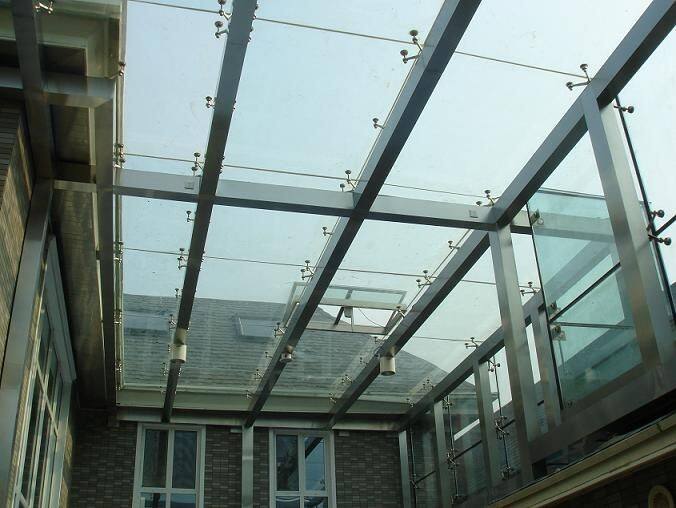
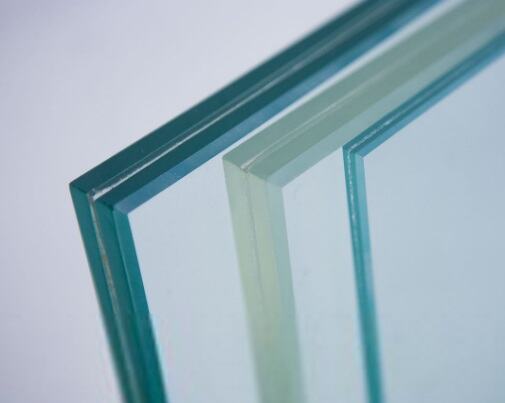
يُمثِّل الزجاج الأمني المُرقَّق تقدُّمًا ثوريًّا في تقنيات الزجاج الواقية، وقد صُمِّم لتوفير أقصى درجات السلامة والأمان للتطبيقات السكنية والتجارية والصناعية. ويتكوَّن هذا النوع المتخصِّص من الزجاج من طبقات متعددة من الزجاج الملصقة معًا بمادة رابطة قوية، وعادةً ما تكون بولي فينيل البيوتيرال (PVB) أو الإيثيلين-فينايل أسيتات (EVA)، مكوِّنةً هيكلًا مركبًا يحافظ على سلامته حتى عند التعرُّض لقوى اصطدامٍ كبيرة. وتتضمن عملية التصنيع تطبيق حرارة وضغط دقيقين لضمان التصاق دائم بين طبقات الزجاج والمادة الرابطة، مما ينتج حاجزًا شفافًا يجمع بين الوضوح البصري والخصائص الواقية الاستثنائية. ويعمل الزجاج الأمني المُرقَّق كحاجزٍ ماديٍّ وفي الوقت نفسه كعامل رادعٍ ضد مختلف التهديدات، ومنها محاولات الاختراق القسري، والتأثيرات الرصاصية، وضغوط الانفجارات، والكوارث الطبيعية. وتؤدّي المادة الرابطة دورًا محوريًّا في الخصائص الأداءية للزجاج، إذ تحافظ على تماسك شظايا الزجاج معًا عند الكسر، ومنع تشكُّل شظايا حادة خطيرة قد تسبِّب إصابات. وهذه الخاصية التقييدية هي التي تميِّز الزجاج الأمني المُرقَّق عن منتجات الزجاج العادي المُنظَّف أو غير المُنظَّف. وتمتد الميزات التقنية للزجاج الأمني المُرقَّق لما وراء مقاومة التصادم الأساسية لتشمل القدرة على ترشيح الأشعة فوق البنفسجية، وخصائص عزل الصوت، وفوائد العزل الحراري. كما تتيح تقنيات التصنيع المتقدمة تخصيص السماكة وتكوين المادة الرابطة والخصائص البصرية لتلبية متطلبات الأمان المحددة والمواصفات المعمارية. ويمكن أن يحتوي الزجاج على عدة طبقات رابطة ذات سماكات مختلفة لتحقيق مستويات متفاوتة من الحماية، بدءًا من الزجاج الوقائي الأساسي وصولًا إلى الحواجز الأمنية عالية المستوى القادرة على مقاومة الهجمات المستمرة. وتشمل تطبيقات الزجاج الأمني المُرقَّق قطاعات عديدة، منها المؤسسات المالية، والمباني الحكومية، والمنشآت التجارية، والعقارات السكنية، وصناعة السيارات، وقطاع الطيران والفضاء، حيث تكتسي الحماية من الأضرار المتعمَّدة أو الحوادث أو المخاطر البيئية أهميةً قصوى.

 EN
EN