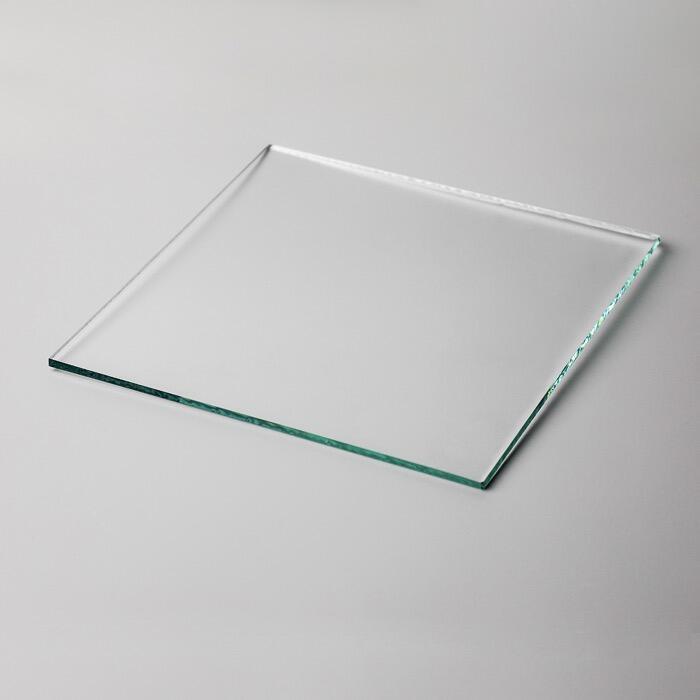
kính tôi luyện cường lực cỡ lớn công nghiệp
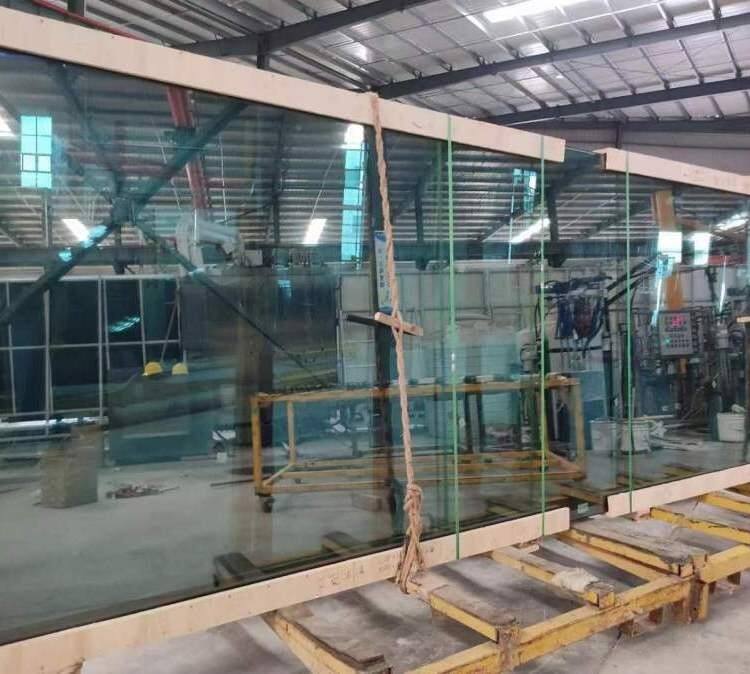
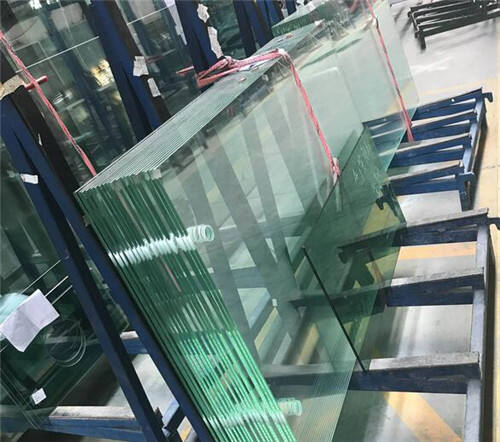
Kính cường lực công nghiệp cỡ lớn đại diện cho một bước tiến cách mạng trong các vật liệu kiến trúc và xây dựng, mang lại độ bền vượt trội và tính linh hoạt cao cho các ứng dụng thương mại đòi hỏi khắt khe. Loại kính chuyên dụng này trải qua quá trình tôi nhiệt cường độ cao, biến kính phẳng thông thường thành một vật liệu hiệu suất cao có khả năng chịu đựng các điều kiện khắc nghiệt. Quy trình sản xuất bao gồm việc nung kính ở nhiệt độ vượt quá 600 độ C, sau đó làm nguội nhanh bằng luồng khí được kiểm soát chính xác, tạo ra các mô hình ứng suất nội tại giúp tăng đáng kể độ bền cấu trúc của vật liệu. Kính cường lực công nghiệp cỡ lớn thường có độ dày từ 10 mm đến 25 mm, với kích thước tùy chỉnh đạt tối đa 3,5 mét về chiều rộng và 6 mét về chiều dài, khiến nó trở nên lý tưởng cho các công trình kiến trúc quy mô lớn. Các đặc tính kỹ thuật của kính cường lực công nghiệp cỡ lớn bao gồm khả năng chống va đập vượt trội, khả năng chịu sốc nhiệt tốt và khả năng chịu tải nâng cao — vượt trội tới năm lần so với kính thông thường. Vật liệu này thể hiện độ trong suốt quang học xuất sắc đồng thời duy trì độ sai lệch độ dày nhất quán trong phạm vi dung sai ±0,2 mm trên toàn bộ bề mặt lớn. Quy trình gia công mép đảm bảo bề mặt nhẵn mịn và được đánh bóng, loại bỏ các điểm tập trung ứng suất, góp phần nâng cao tổng thể hồ sơ an toàn. Các ứng dụng của kính cường lực công nghiệp cỡ lớn bao phủ nhiều lĩnh vực khác nhau, bao gồm tòa nhà thương mại, cửa hàng bán lẻ, khu văn phòng, trung tâm giao thông và cơ sở công nghiệp. Vật liệu này được sử dụng làm tường rèm, hệ thống kính cấu trúc, vách ngăn và rào chắn an toàn trong các môi trường có lưu lượng người đi lại cao. Các nhà máy sản xuất sử dụng kính cường lực công nghiệp cỡ lớn làm cửa sổ quan sát, màn chắn bảo vệ và vỏ bọc thiết bị — nơi yêu cầu cả khả năng quan sát rõ ràng và độ an toàn tuyệt đối. Kính đáp ứng các tiêu chuẩn quốc tế nghiêm ngặt như ANSI Z97.1, EN 12150 và AS/NZS 2208, đảm bảo tuân thủ các quy chuẩn xây dựng trên toàn thế giới. Các biện pháp kiểm soát chất lượng bao gồm các quy trình thử nghiệm nghiêm ngặt về khả năng chống va đập, hiệu suất nhiệt và khả năng chịu tải cấu trúc, nhằm đảm bảo hiệu năng ổn định và nhất quán trên toàn bộ các lô sản xuất.


 EN
EN