EN
EN


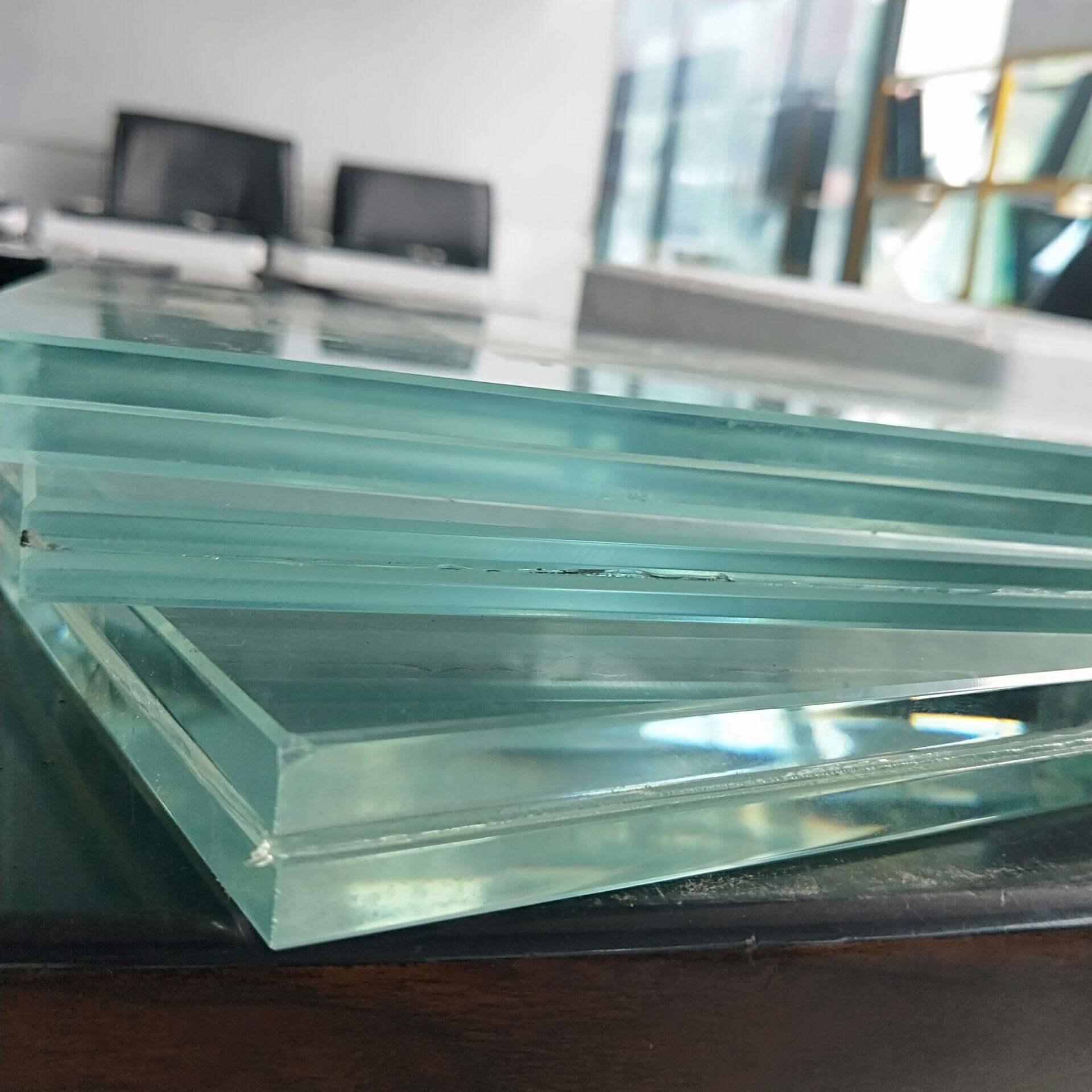
Sa mga kapaligiran kung saan ang kaligtasan ng tao at integridad ng istruktura ay pinakamahalaga, ang pagpili ng materyal para sa salamin ay maaaring magtukoy sa pagkakaiba sa pagitan ng pangkalahatang pagkabigo at epektibong proteksyon. Laminated Safety Glass naging pamantayan na ng industriya para sa proteksyon laban sa impact sa mga komersyal na gusali, aplikasyon sa sasakyan, at mga pasilidad na may mataas na panganib. Ang inhenyeriyang solusyon na ito para sa salamin ay nag-uugnay ng maraming layer ng salamin gamit ang mga polymer interlayer, na lumilikha ng isang kompositong istruktura na lubos na binabago ang paraan kung paano tumutugon ang salamin sa mga puwersang dulot ng impact. Ang pag-unawa kung bakit mahalaga ang laminated safety glass para sa proteksyon laban sa impact ay nangangailangan ng pagsusuri sa kanyang natatanging pag-uugali sa istruktura, mekanismong pagkabigo, at mga pakinabang sa pagganap na hindi maaaring ikopy ng iba pang uri ng salamin.
Ang pangunahing kalikasan ng laminated safety glass ay nagmumula sa kanyang kakayahang panatilihin ang integridad ng salamin kahit matapos ang malubhang mga insidente ng impact na magdudulot ng kumpletong kabiguan sa mga karaniwang sistema ng salamin. Kapag ang mga pwersa ng impact ay lumampas sa elastic limit ng materyal, ang karaniwang annealed o tempered glass ay nagpapakita ng malalaking mapanganib na mga piraso o lubos na nabubulok, na lumilikha ng agarang mga panganib at mga kahinaan sa seguridad. Ang laminated safety glass ay nakakasolusyon sa pangunahing kahinaang ito sa pamamagitan ng kanyang multi-layer na konstruksyon, kung saan ang mga interlayer na gawa sa polyvinyl butyral o ionoplast ang naghahawak sa mga nabasag na piraso ng salamin. Ang kakayahang ito na mag-contain ay nagbabago sa mga insidente ng impact mula sa mga katas-tasang kabiguan tungo sa mga kontroladong insidente, na nangangalaga sa mga naninirahan laban sa mga sugat, pinipigilan ang mga aksidente dahil sa pagbagsak sa pamamagitan ng salamin, at pinapanatili ang function ng barrier laban sa pagsalakay o sa mga panganib mula sa kapaligiran. Ang tanong ay hindi kung mas mahusay ba ang perform ng laminated safety glass kaysa sa iba pang alternatibo, kundi bakit ang mga tiyak na mekanikal na katangian nito ang gumagawa sa kanya ng di-malilipat para sa mga kritikal na aplikasyon ng proteksyon laban sa impact.
Mekaniks ng Estratektura sa Likod ng Paglaban sa Pag-impact
Pagganap ng Komposito na May Maraming Layer Sa Ilalim ng Dynamic Loading
Ang paglaban sa pag-impact ng laminated safety glass ay galing sa kanyang kompositong istruktura, na nagpapamahagi at nagpapawala ng enerhiya mula sa impact sa pamamagitan ng maraming layer ng materyales na may iba’t ibang mekanikal na katangian. Kapag naganap ang isang impact, ang panlabas na layer ng salamin ay sumisipsip ng unang enerhiya sa pamamagitan ng elastic deformation at lokal na pagsira, habang ang polymer interlayer ay sumasailalim sa viscoelastic deformation na nagpapahaba ng tagal ng impact. Ang pagpapahabang ito ng oras ay binabawasan ang peak force transmission sa pamamagitan ng pagbabago ng kinetic energy sa strain energy sa loob ng mas malaking volume ng materyal. Ang panloob na layer ng salamin ay nagbibigay ng pangalawang paglaban, na lumilikha ng redundante na load path na nananatiling gumagana nang estruktural kahit na ang panlabas na layer ay lubos nang nasira.
Ang mekanismong ito ng layered response ay nagkakaiba laminated Safety Glass mula sa mga alternatibong monolitikong salamin. Sa pinapainit na salamin, ang enerhiya mula sa impact ay kailangang ma-absorb ng isang solong layer na may limitadong kakayahang mag-deform bago ang pangkalahatang pagkabasag. Ang laminated safety glass naman ay lumilikha ng progresibong mode ng pagkabigo kung saan ang bawat layer ay nag-aambag nang sunud-sunod sa pag-absorb ng enerhiya. Ang polymer na interlayer ay nagpapakita ng ugali na nakadepende sa rate ng pagkabigkas (strain-rate), kung saan ito ay nagiging mas matigas sa mataas na bilis ng impact upang mapataas ang pagkalugmok ng enerhiya, samantalang nananatiling sapat ang kanyang kahutukang para makapagbigay ng malalaking pagyuko nang hindi natatapon. Ang kombinasyong ito ang nagpapahintulot sa sistema ng salamin na mabuhay sa mga impact na lubos na sisirain ang katumbas na kapal ng monolitikong salamin.
Pagpigil sa Pagkabasag at Integridad Epekto ng Pagkabasag
Bukod sa unang paglaban sa impact, ang laminated safety glass ay nagbibigay ng mahalagang proteksyon sa pamamagitan ng kanyang kakayahang pigilan ang pagkalat ng mga piraso ng salamin, na nagpapabawas sa posibilidad ng pangalawang sugat dahil sa mga tumatalbog na piraso ng salamin. Kapag nabasag ang mga layer ng salamin, ang polymer interlayer ay nananatiling nakadikit sa parehong nabasag na ibabaw, na bumubuo ng isang cohesive membrane na pinapanatili ang mga piraso sa kanilang orihinal na posisyon. Ang ganitong pagpigil ay nananatiling epektibo kahit sa ilalim ng paulit-ulit na impact o patuloy na pagsasalakay na maaaring magdulot ng buong pagkakawala ng adhesion sa iba pang sistema ng salamin. Ang tear resistance at lakas ng adhesion ng interlayer ang nagsasalaysay sa kakayahan ng sistema na panatilihin ang barrier function kahit matapos nang mabasag ang salamin.
Ang integridad ng laminated safety glass matapos ang pagsira ay naging lalo pang mahalaga sa mga sitwasyon na kinasasangkutan ng pag-impact sa tao, tulad ng mga aksidental na collision o mga insidente ng pagbagsak. Ang mga karaniwang kinakailangan sa kaligtasan ay nagsasaad na ang mga materyales para sa salamin ay hindi dapat mag-produce ng malalaking, matutulis na piraso na maaaring magdulot ng malalim na sugat o putulin ang mga arterya. Nakakamit ng laminated safety glass ang layuning ito sa pamamagitan ng kontroladong mga pattern ng pagsira kung saan hinaharang ang pagkalat ng mga punit sa interface ng interlayer, na nagpipigil sa pagbuo ng mga matutulis na piraso na parang kris. Kahit na ang buong ibabaw ng salamin ay sumisira at bumubuo ng spider-web pattern, ang interlayer ay nananatiling nagpapanatili ng salamin bilang isang patuloy na hadlang na kayang suportahan ang karagdagang mga load at maiwasan ang mga aksidente ng pagbagsak sa mga mataas na instalasyon.
Pagdidissipate ng Enerhiya sa Pamamagitan ng Deformasyon ng Materyal
Ang mekanismo ng pagkalat ng enerhiya sa laminadong salaming pangkaligtasan ay kinasasangkutan ng mga kumplikadong interaksyon sa pagitan ng pagsira ng salamin, depekto ng interlayer, at mga kondisyon ng panlabas na pagpigil. Sa panahon ng impact, ang mga layer ng salamin ay sumasailalim sa elastikong pagkabend at sinusundan ng lokal na pagpapalabo sa punto ng kontak, na sumisipsip ng enerhiya sa pamamagitan ng permanenteng depekto at pagkalat ng pukyut. Kasabay nito, ang interlayer ay umuunat sa shear at tension, na nagkakalat ng enerhiya sa pamamagitan ng mga viscoelastic na mekanismo na nagpapalit ng mekanikal na gawa sa init. Ang dalawang uri ng pag-absorb ng enerhiya na ito ay lumilikha ng isang sistemang materyal na may kapasidad na kahalos mas mataas sa kabuuang enerhiya kaysa sa kabuuan ng mga indibidwal na bahagi nito.
Ang kahusayan ng pagkawala ng enerhiyang ito ay nakasalalay nang husto sa pagpili ng materyal sa pagitan ng mga layer at sa pagsasagawa ng optimal na kapal. Ang mga interlayer na gawa sa polyvinyl butyral ay nagbibigay ng mahusay na pagdikit at kalinawan sa paningin para sa pangkalahatang mga aplikasyon, samantalang ang mga interlayer na gawa sa ionoplast ay nag-aalok ng mas mataas na rigidity at lakas para sa proteksyon laban sa malakas na impact. Ang mas makapal na mga interlayer ay nagpapataas ng kakayahang sumipsip ng enerhiya ngunit maaaring bawasan ang kakayahan ng materyal na tumanggap ng matatalim na lokal na dehormasyon nang hindi sirain. Kailangan ng mga inhinyero na balansehin ang mga kadahilanang ito batay sa mga tiyak na senaryo ng banta, kondisyon ng kapaligiran, at mga kinakailangang pamantayan sa pagganap upang makamit ang pinakamainam na proteksyon laban sa impact para sa bawat aplikasyon .
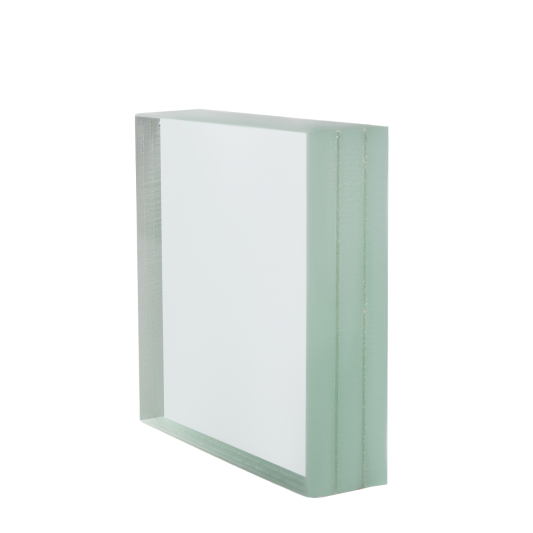
Mga Mahahalagang Kakayahan sa Proteksyon na Tanging Nakapaloob sa mga Laminated na Sistema
Paglaban sa Pagpasok sa Pamamagitan ng Pilit
Ang laminated safety glass ay nagbibigay ng mahalagang proteksyon laban sa mga pagtatangkang pumasok nang pilit sa pamamagitan ng pagpapanatili ng integridad ng hadlang sa pamamagitan ng maramihang mga impact event na maaaring sirain ang single-layer glazing. Ang mga aplikasyon para sa seguridad ay nangangailangan ng mga sistema ng glazing na tumutol hindi lamang sa unang impact kundi pati na rin sa paulit-ulit na pag-atake gamit ang mga kamay na kasangkapan, mga itinaboy na bagay, o mga kagamitang ginagamit sa pagpapalugmok. Nakakamit ng laminated safety glass ang ganitong katangian sa pamamagitan ng kakayahang abusorhin ang paulit-ulit na mga impact nang hindi lumilikha ng mga butas na sapat na malaki para sa pagsalakay. Kahit na ang mga layer ng salamin ay lubos nang nabasag na, ang matibay na polymer interlayer ay nananatiling tumutol sa paggupit, pagdurugtong, at pagpapasok, na nagpapakumbaba sa mga mananalakay na gumastos ng malaking oras at pagsisikap upang makalikha ng isang butas.
Ang kakayahang ito na tumutol sa pagpapasok ay nagiging mahalaga ang laminated safety glass sa pagprotekta sa mga mataas ang halaga ng mga ari-arian, sensitibong pasilidad, at mga populasyon na madaling kapitan ng panganib. Ang mga institusyong pangpinansya, mga pasilidad para sa pananaliksik sa pharmaceutical, at mga gusali ng pamahalaan ay nagsisipagtalaga ng mga konpigurasyon ng laminated glazing na idinisenyo upang tumagal sa mga tiyak na senaryo ng pag-atake na tinukoy sa pamantayan ng mga protokol sa pagsusulit. Ang panahong pagkaantala na ibinibigay ng laminated safety glass ay nagbibigay-daan sa mga tauhan sa seguridad na tumugon, sa mga awtomatikong sistema na magsimulang gumana, at sa mga naninirahan na umalis o magtago sa loob ng gusali. Ang mga multi-layer na laminated assembly na may makapal na ionoplast interlayers ay kayang tumutol sa mga ballistic impact, blast pressures, at mga pagtatangkang pumasok sa pamamagitan ng puwersa—na kung saan ay agad na papasok sa karaniwang architectural glazing.
Proteksyon Laban sa Bagyo at mga Debris na Dinala ng Hangin
Sa mga rehiyong madaling tamaan ng bagyo, ang laminated safety glass ay nagsisilbing mahalagang proteksyon laban sa mga epekto ng mga debris na dala ng hangin na siyang pangunahing sanhi ng pagkasira ng gusali sa panahon ng matinding panahon. Ang mga building code ng bagyo ay nangangailangan ng impact-resistant glazing na kayang makaligtas sa mga epekto mula sa mga standardized projectile na naglalakbay sa mga tinukoy na bilis nang hindi lumilikha ng mga butas na magpapahintulot sa mga pressure differential na masira ang integridad ng istruktura. Natutugunan ng laminated safety glass ang mga kinakailangang ito sa pamamagitan ng pagpapanatili ng patuloy na function ng harang kahit na ang mga patong ng salamin ay nababasag mula sa epekto ng mga debris, na pumipigil sa pagpasok ng hangin at ulan na maaaring humantong sa mapaminsalang pagkasira ng bubong.
Ang pagganap ng laminated safety glass sa ilalim ng mga kondisyon ng bagyo ay umaabot pa sa labas ng agarang epekto ng impact upang isama ang paglaban sa panatag na presyon ng hangin habang nasa nasirang estado ito. Pagkatapos mabali ang panlabas na layer ng salamin dahil sa impact ng debris, ang sistema ng salamin ay dapat patuloy na lumaban sa siklikong presyon mula sa nagbabagong lakas ng hangin nang hindi nagpapakita ng progresibong kabiguan o pagsira sa interlayer. Ang kakayahan na ito sa pagtitiis ay nangangailangan ng maingat na pagpili ng materyales at kontrol sa kalidad ng konstruksyon upang matiyak ang sapat na adhesion ng interlayer at paglaban sa pagsira sa ilalim ng pinagsamang stress mula sa kapaligiran at mekanikal. Ang mga laminated safety glass assembly na maayos na inenginyero ay nagbibigay ng maaasahang proteksyon sa buong tagal ng mga pangyayari ng bagyo, na pinipigilan ang mga kumakalat na kabiguan na nangyayari kapag ang mga konbensyonal na sistema ng salamin ay nabigo nang maaga sa panahon ng bagyo.
Pangangasiwa sa Alon ng Presyon mula sa Pagsabog
Ang laminated safety glass ay gumagampan ng mahalagang papel sa disenyo ng gusali na tumutol sa pagsabog sa pamamagitan ng pagbawas ng pinsala at sugat mula sa mga alon ng presyur na dulot ng pagsabog. Ang mga pangyayaring pagsabog ay nagdudulot ng mabilis na pagtaas ng presyur na nagpapakilos sa mga sistema ng salamin na umunlak paitaas nang may mataas na bilis, at kung mabigo ang salamin, mabilis na pinapabilis ang mga piraso nito hanggang sa mapanganib na bilis na siyang sanhi ng karamihan sa mga sugat na may kaugnayan sa pagsabog. Ang laminated safety glass ay nakakatugon sa banta na ito sa pamamagitan ng pagpapanatili ng pagkakaisa ng salamin kahit sa panahon ng labis na dehormasyon, na nagpapahintulot sa sistema na umunlak nang malaki habang pinipigilan ang pagkalat ng mga piraso sa mga lugar na pinaninirahan. Ang kakayahan ng interlayer na umunlak hanggang sa ilang beses ang orihinal nitong haba ay nagpapahintulot sa salamin na tanggapin ang mga pag-unlak dulot ng pagsabog na magdudulot ng ganap na pagkabahagi kung gagamitin ang monolithic glass.
Ang mga pinalapad na salamin na may kakayahang tumutol sa pagsabog ay dapat idisenyo bilang buong sistema na isinasaalang-alang ang disenyo ng frame, mga detalye ng pagkakabit, at ang pag-engage ng gilid ng salamin upang maiwasan ang ganap na pagkawala ng salamin sa ilalim ng labis na karga. Ang materyal na nasa gitna (interlayer) ay dapat may sapat na pagtutol sa pagputok upang maiwasan ang pagkalat ng mga pukyutan mula sa mga gilid ng frame kung saan nagkakasalubong ang mga stress habang lumalaban ang salamin sa pagsabog. Ang mga pinalapad na salamin na may maraming layer (multiple-ply) na may mga piraso na naka-stagger at may pinabuting kapal ng interlayer ay nagbibigay ng mas mataas na pagtutol sa pagsabog para sa mga pasilidad na may mataas na panganib. Ang mga sistemang ito ay nagbabago ng potensyal na mematay na insidente ng pagsabog sa mga insidenteng kayang malampasan sa pamamagitan ng pagpapanatili ng integridad ng panlabas na balot ng gusali at sa pamamagitan ng pag-iwas sa mga peligrosong fragment na nagdudulot ng karamihan sa mga sugat dulot ng pagsabog sa karaniwang gusali.
Mga Pakinabang sa Pagganap Kumpara sa Iba Pang Solusyon sa Salamin
Paghahambing sa Pagtugon sa Impact ng Tempered Glass
Kahit na ang tempered glass ay nag-aalok ng mas mataas na lakas kumpara sa annealed glass, ang kakayahan nito sa proteksyon laban sa impact ay iba nang fundamental mula sa laminated safety glass dahil sa kanyang iisang layer na konstruksyon at katangian ng pagkabigo. Ang tempered glass ay nakakamit ang kanyang lakas sa pamamagitan ng surface compression na nabuo sa pamamagitan ng kontroladong paglamig, na nagpapahintulot sa kanya na tumagal ng mas mataas na load bago ito mabali. Gayunpaman, kapag ang critical stress threshold ay lumampas sa anumang punto, ang buong panel ay nababali agad sa maliit na mga piraso na hugis kubo. Ang ganitong kumpletong fragmentation ay agad na nililimita ang barrier function ng glazing sa sandaling may impact, na lumilikha ng mga butas para sa pagsalakay, pagsusupling ng panahon, at sekondaryang panganib.
Ang laminated safety glass ay nagpapanatili ng integridad ng hadlang matapos ang impact nang eksaktong dahil hindi ito umaasa sa isang solong layer ng materyal para sa proteksyon. Kahit kapag nabigyan ng punit ang parehong layer ng salamin, ang interlayer ay patuloy na nagbibigay ng transparent na hadlang na nagbabarikad ng pagsusupla at mga panganib mula sa kapaligiran. Ang pundamental na pagkakaiba na ito ang nagiging sanhi kung bakit ang laminated safety glass ay mahalaga para sa mga aplikasyon kung saan ang pagpapanatili ng tuloy-tuloy na proteksyon ay napakahalaga, tulad ng security glazing, proteksyon laban sa bagyo, at mga overhead installation kung saan ang nahuhulog na salamin ay nagdudulot ng banta sa kaligtasan ng buhay. Ang pattern ng pagkabahagi ng tempered glass, bagaman nagreresulta sa mas kaunti at mas hindi mapanganib na mga piraso, ay hindi gumagawa ng anumang residual na hadlang, kaya ito ay hindi angkop para sa mga aplikasyon na nangangailangan ng proteksyon pagkatapos ng impact.
Mga Limitasyon ng Wire Glass sa Modernong Mga Pamantayan sa Kaligtasan
Ang tradisyonal na salamin na may kawad, na may kawad na mesh na nakapaloob sa kapal ng salamin, ay halos napalitan na ng laminated safety glass para sa mga aplikasyon na nangangailangan ng proteksyon laban sa impact dahil sa malalaking kahinaan nito sa pagganap. Noong unang panahon, ginagamit ang salamin na may kawad para sa mga aplikasyon na may fire rating batay sa palagay na hahawakan ng kawad na mesh ang nabasag na salamin. Gayunpaman, ang mga pagsusuri sa impact ay nagpakita na ang salamin na may kawad ay lumilikha ng mapanganib na matatalim na gilid sa paligid ng punto ng impact at hindi maaasahan sa pagpigil sa pagkalat ng mga piraso. Ang kawad na naka-embed ay hindi nagbibigay ng cohesive fragment retention na nakakamit ng mga polymer interlayer, at ang mismong mga kawad ay maaaring maging mapanganib na tumutumbok kapag inilantad ng pagkabasag ng salamin.
Ang mga modernong code sa pagtatayo ay unti-unting nagpapahigpit sa mga aplikasyon ng wire glass sa pabor ng laminated safety glass, lalo na sa mga lokasyon kung saan malamang ang pag-impact ng tao. Ang laminated safety glass ay nagbibigay ng mas mataas na kaligtasan laban sa impact habang nag-ooffer din ng katumbas o mas mataas na resistance sa apoy kapag tinukoy gamit ang angkop na mga interlayer material. Ang mga ceramic-composite interlayer ay nananatiling buo habang nakakalantad sa apoy, na nagpipigil sa pagdaan ng apoy at usok habang iniiwasan ang panganib na dulot ng mga matutulis na gilid na karaniwang nauuwi sa nabasag na wire glass. Ang ebolusyon ng mga standard sa safety glazing na ito ay sumasalamin sa pagkilala ng industriya na ang laminated safety glass ay nagbibigay ng mas komprehensibo at maaasahang proteksyon laban sa impact sa isang mas malawak na hanay ng mga posibleng banta.
Pagsusuri sa Alternatibong Polycarbonate at Acrylic
Ang mga plastik na materyales para sa pampalapad ng salamin tulad ng polycarbonate at acrylic ay nag-aalok ng mataas na paglaban sa impact ngunit kulang sa ilang mahahalagang katangian na ginagawang mahalaga ang laminated safety glass para sa maraming aplikasyon. Ang polycarbonate ay nagpapakita ng mahusay na lakas laban sa impact at halos hindi nababasag sa karamihan ng mga kondisyon, kaya ito ay angkop para sa mga aplikasyong nangangailangan ng lubhang mataas na seguridad. Gayunpaman, ang polycarbonate ay may mahinang paglaban sa mga ugat, malaking pagkakuning-brown dahil sa pagkakalantad sa UV, at mataas na thermal expansion na nagpapakumplikado sa disenyo ng frame. Ang kahinaan ng ibabaw ng materyal ay nangangailangan ng mga protektibong coating na nagdaragdag ng gastos at nangangailangan ng periodic maintenance, at ang kalidad nito sa optical ay hindi umaabot sa kalinawan ng salamin.
Ang laminated safety glass ay nagbibigay ng optimal na balanse sa pagitan ng proteksyon laban sa impact, optical performance, durability, at life-cycle cost para sa karamihan ng architectural applications. Ang matigas na ibabaw ng salamin ay tumutol sa pagkakaskar at nananatiling malinaw ang optical clarity nito nang walang hanggan nang hindi kailangan ng protective coatings o espesyal na pagpapanatili. Ang mababang thermal expansion ng materyal ay nagsisiguro ng dimensional stability sa iba't ibang temperatura, at ang kanyang chemical resistance ay pinipigilan ang degradation dahil sa karaniwang environmental exposures. Bagaman ang mga plastic alternative ay maaaring magtagumpay sa pure impact resistance kumpara sa laminated safety glass, ang buong kombinasyon ng mga katangian ng laminated safety glass ang nagiging dahilan kung bakit ito mahalaga para sa mga application na nangangailangan ng long-term performance, architectural aesthetics, at reliable impact protection nang walang ongoing maintenance.
Mga Kinakailangan sa Proteksyon Laban sa Impact na Nakabase sa Application
Mga Pamantayan sa Kaligtasan ng Architectural Glazing
Ang mga batas panggusali ay nangangailangan ng laminated safety glass para sa mga aplikasyon sa arkitektura kung saan ang mga panganib na dulot ng impact ay sumisira sa kaligtasan ng mga naninirahan, lalo na sa mga lokasyon na mahaharap sa impact ng tao habang ginagamit nang normal. Ang mga reguladong lokasyong ito ay kinabibilangan ng mga salamin na nasa tabi ng mga pinto, mga salamin na ginagamit bilang barrier at guard, at malalawak na lugar na may salamin kung saan may posibilidad ng aksidental na pagkabangga. Ang mga batas ay nagtatakda ng mga kinakailangang performance batay sa mga pamantayan ng impact test gamit ang mga weighted impactor na kumakatawan sa impact ng katawan ng tao sa iba’t ibang taas. Ang laminated safety glass ay konsehente na nakakatugon sa mga kinakailangang ito sa pamamagitan ng pag-iwas sa mapanganib na pagkabahagi at pagpapanatili ng function nito bilang barrier kahit matapos ang impact.
Ang pangunahing kalikasan ng laminated safety glass sa mga aplikasyon sa arkitektura ay umaabot pa sa mga minimum na kinakailangan ng code upang isama ang pamamahala ng panganib sa pananagutan at ang mga konsiderasyon sa kapakanan ng mga naninirahan. Ang mga may-ari ng ari-arian ay bawal na nagtatakda ng laminated safety glass sa buong gusali upang tuluyang maiwasan ang anumang panganib sa pinsala mula sa anumang kabiguan ng salamin, nang walang pakialam sa mga kinakailangan ng code. Ang proaktibong paraan na ito ay kinikilala na ang mga pinsalang nauugnay sa salamin ay lumilikha ng malaking panganib sa pananagutan at na ang laminated safety glass ay nagbibigay ng murang proteksyon laban sa mga panganib na ito. Ang mga paaralan, mga pasilidad sa pangangalagang pangkalusugan, at mga publikong gusali ay lalo pang nakikinabang mula sa komprehensibong pag-install ng laminated safety glass, dahil ang mga kapaligiran na ito ay naglilingkod sa mga mahihina o vulnerable na populasyon at nakakaranas ng mataas na daloy ng tao na nagpapataas ng posibilidad ng impact.
Pagsasama ng Kaligtasan sa Automotive at Transportasyon
Ang laminated safety glass ay naging mahalaga para sa mga windshield ng sasakyan mula noong dekada ng 1930, nang ang mga katangian nito sa pagpigil sa pagkalat ng mga piraso ay kinilala bilang kritikal upang maiwasan ang mga sugat sa drayber at pasahero habang nangyayari ang aksidente. Ang mga modernong windshield ng sasakyan ay gumagamit ng laminated safety glass na may maingat na disenyo ng mga katangian ng interlayer upang balansehin ang proteksyon laban sa impact, kalidad ng optical, at acoustic insulation. Dapat panatilihin ng windshield ang visibility kahit matamaan ito ng bato na pumuputol sa panlabas na layer ng salamin, maiwasan ang pag-exit ng mga pasahero sa loob ng sasakyan habang nangyayari ang collision, at magbigay ng sapat na suporta sa istruktura para sa pag-deploy ng airbag at paglaban sa roof crush. Walang ibang teknolohiya sa glazing ang kayang tugunan nang sabay-sabay ang lahat ng mga kinakailangang ito.
Ang ebolusyon ng mga pamantayan sa kaligtasan ng sasakyan ay pinalawak ang paggamit ng laminated safety glass mula sa windshield hanggang sa mga side window at rear window sa mga premium na sasakyan. Ang trend na ito ay sumasalamin sa pagkilala na ang laminated safety glass ay nagbibigay ng mas mataas na antas ng proteksyon sa mga sakay sa panahon ng mga aksidente na may rollover at side impact sa pamamagitan ng pagpigil sa kumpletong pagkabigo ng salamin na maaaring magdulot ng ejection. Ang mga advanced na konpigurasyon ng laminated safety glass na may acoustic interlayers ay nababawasan din ang transmisyon ng ingay mula sa daan, na nagpapabuti ng kumportableng karanasan ng mga pasahero. Ang isang siglo ng karanasan ng industriya ng sasakyan sa laminated safety glass ay nagpapakita ng kanyang mahalagang papel sa pagprotekta sa mga sakay sa buong hanay ng mga sitwasyon ng impact na nararanasan sa mga kapaligiran ng transportasyon.
Proteksyon sa Industriya at mga Pasilidad na May Mataas na Panganib
Ang mga pasilidad na pang-industriya na may panganib na pagsabog, proseso sa mataas na presyon, o paghawak ng nakakalason na materyales ay nangangailangan ng laminated safety glass para sa mga aplikasyon sa control room at observation window kung saan ang proteksyon ng mga tauhan ay napakahalaga. Ang mga kapaligirang ito ay nagtatanghal ng natatanging mga hamon sa proteksyon laban sa impact, dahil ang mga sistema ng salamin ay kailangang mabuhay hindi lamang sa mga aksidental na impact kundi pati na rin sa mga kondisyon ng pagkagambala sa proseso na maaaring mag-produce ng mga projectile, pressure wave, o eksposur sa kemikal. Ang mga konpigurasyon ng laminated safety glass para sa mga aplikasyong pang-industriya ay karaniwang kasama ang mga espesyalisadong interlayer, dagdag na kapal, at mga custom na framing system na idinisenyo upang kontrolin ang mga tiyak na panganib habang pinapanatili ang visibility para sa proseso ng monitoring.
Ang pangunahing kalikasan ng laminated safety glass sa mga kontekstong pang-industriya ay nagmumula sa matitinding kahihinatnan ng pagkabigo ng salamin sa mga mapanganib na kapaligiran. Ang isang simpleng sirain sa salamin ay maaaring maglagay ng mga manggagawa sa panganib ng pagkalantad sa nakakalason na mga gas, payagan ang pagkalat ng apoy, o lumikha ng mga hadlang sa pag-alis sa lugar sa panahon ng emergency. Ang laminated safety glass ay nagbibigay ng maaasahang pagganap bilang barrier kahit sa ilalim ng mga kondisyong nabawasan ang kahusayan nito, na nananatiling naghihiwalay sa mga mapanganib na proseso at sa mga lugar na pinopopulan. Ang mga industriya ng kemikal, pagmamanupaktura ng gamot, at mga pasilidad ng produksyon ng enerhiya ay umaasa sa laminated safety glass upang protektahan ang mga tauhan habang pinapayagan din ang visual monitoring na kinakailangan para sa ligtas na operasyon. Ang napatunayang kahusayan ng materyal at ang mga katangian nito sa pagkabigo na madaling mahulaan ay ginagawa itong tanging tinatanggap na solusyon sa salamin para sa maraming aplikasyong may mataas na panganib.
Madalas Itanong
Ano ang nagpapaiiba sa laminated safety glass kumpara sa karaniwang salamin sa mga sitwasyon na may impact?
Ang laminated safety glass ay binubuo ng maraming layer ng salamin na nakakabit sa isa't isa gamit ang polymer interlayers na humahawak sa mga nabasag na piraso ng salamin kapag may impact, na panatilihin ang integridad ng barrier at maiwasan ang mapanganib na pagkalat ng mga kurbatang salamin. Ang karaniwang annealed glass ay nababasag sa malalaking matutulis na piraso na lumilikha ng matitinding panganib ng pagkakasugat, samantalang ang tempered glass ay nababasag nang buo sa maliit na mga piraso na lubos na nawawala ang function nito bilang barrier. Ang polymer interlayer sa laminated safety glass ay nagbibigay ng fragment retention at post-fracture strength na hindi maisasagawa sa single-layer glass mGA PRODUKTO , kaya ito ay mahalaga para sa mga aplikasyon kung saan ang pagpapanatili ng proteksyon pagkatapos ng impact ay napakahalaga para sa kaligtasan at seguridad.
Maaari bang pigilan ng laminated safety glass ang lahat ng uri ng pinsalang dulot ng impact?
Ang laminated safety glass ay kahalagang binabawasan ang panganib ng pinsala at pinapanatili ang pagganap nito bilang hadlang matapos ang impact, ngunit hindi ito kayang pigilan ang nakikitang pinsala o pagsira kapag inilalapat sa ito ang sapat na puwersa. Ang mga layer ng salamin ay magsisira kapag may impact na lumalampas sa kanilang limitasyon ng lakas, ngunit ang interlayer ay nagpipigil sa ganap na pagkabigo at sa pagkalat ng mga piraso. Ang antas ng proteksyon laban sa impact ay nakasalalay sa tiyak na konpigurasyon ng laminated safety glass, kabilang ang kapal ng salamin, uri ng materyal ng interlayer, kapal ng interlayer, at bilang ng mga layer. Ang karaniwang mga konpigurasyon ay nagbibigay-proteksyon laban sa mga karaniwang panganib tulad ng hindi sinasadyang impact ng tao at mga debris na dinala ng hangin, samantalang ang mga espesyal na multi-layer na pagkakasunod-sunod ay nagbibigay-proteksyon laban sa forced entry, ballistic threats, at blast pressures.
Gaano katagal ang panatilihin ng laminated safety glass ang mga katangian nito sa proteksyon laban sa impact?
Ang maayos na ginawang at na-install na laminated safety glass ay nananatiling epektibo sa proteksyon laban sa impact nang ilang dekada sa ilalim ng normal na kondisyon ng kapaligiran, kung saan ang maraming instalasyon ay lumalampas sa limampung taon ng buhay-paggamit nang walang pagbaba ng pagganap. Ang polymer interlayer ay protektado mula sa UV exposure at kahalumigmigan ng mga layer ng salamin, na nagpipigil sa pagkakalantad at paghihiwalay (delamination) na magdudulot ng pagbaba ng pagganap. Ang kalidad ng edge sealing ay lubhang mahalaga sa tagal ng buhay ng produkto, dahil ang pagsusupling ng kahalumigmigan sa mga gilid ng salamin ay maaaring maging sanhi ng pagbaba ng kalidad ng interlayer sa paglipas ng panahon. Ang regular na inspeksyon para sa integridad ng edge seal at anumang nakikitang paghihiwalay ay tiyak na magpapanatili ng mabuting pagganap; gayunpaman, ang tamang espesipikasyon ng laminated safety glass ay karaniwang hindi nangangailangan ng anumang pangangalaga maliban sa karaniwang paglilinis sa buong buhay-paggamit nito.
Kailangan ba ang laminated safety glass para sa lahat ng aplikasyon ng bintana?
Ang laminated safety glass ay legal na kinakailangan para sa mga tiyak na aplikasyon na tinukoy ng mga code sa pagtatayo kung saan ang mga panganib dulot ng impact ay sumisira sa kaligtasan ng mga naninirahan, kabilang ang mga lokasyon na napapalagay sa panganib ng impact mula sa tao, overhead glazing, at mga rehiyon na madalas na binabagyo. Bukod sa mga kinakailangan ng code, ang laminated safety glass ay naging mahalaga kahit saan man kung saan ang pagpigil sa pagkakabahagi ng salamin, paglaban sa pagpasok, o pagganap bilang barrier matapos ang impact ay nagbibigay ng mahalagang benepisyo sa proteksyon. Ang mga aplikasyon na may kaugnayan sa mga katanungan ukol sa seguridad, mga kinakailangan sa blast resistance, pangangailangan sa acoustic control, o proteksyon laban sa UV ay kadalasang nagsisipagbigay ng laminated safety glass kahit na hindi ito kinakailangan ng code. Ang mga karaniwang bintana sa mga lokasyong may mababang panganib ay maaaring gumamit ng tempered glass o annealed glass kung saan ang buong proteksyon na ibinibigay ng laminated safety glass ay hindi kinakailangan para sa kaligtasan o mga kinakailangan sa pagganap.
Talaan ng Nilalaman
- Mekaniks ng Estratektura sa Likod ng Paglaban sa Pag-impact
- Mga Mahahalagang Kakayahan sa Proteksyon na Tanging Nakapaloob sa mga Laminated na Sistema
- Mga Pakinabang sa Pagganap Kumpara sa Iba Pang Solusyon sa Salamin
- Mga Kinakailangan sa Proteksyon Laban sa Impact na Nakabase sa Application
-
Madalas Itanong
- Ano ang nagpapaiiba sa laminated safety glass kumpara sa karaniwang salamin sa mga sitwasyon na may impact?
- Maaari bang pigilan ng laminated safety glass ang lahat ng uri ng pinsalang dulot ng impact?
- Gaano katagal ang panatilihin ng laminated safety glass ang mga katangian nito sa proteksyon laban sa impact?
- Kailangan ba ang laminated safety glass para sa lahat ng aplikasyon ng bintana?