EN
EN


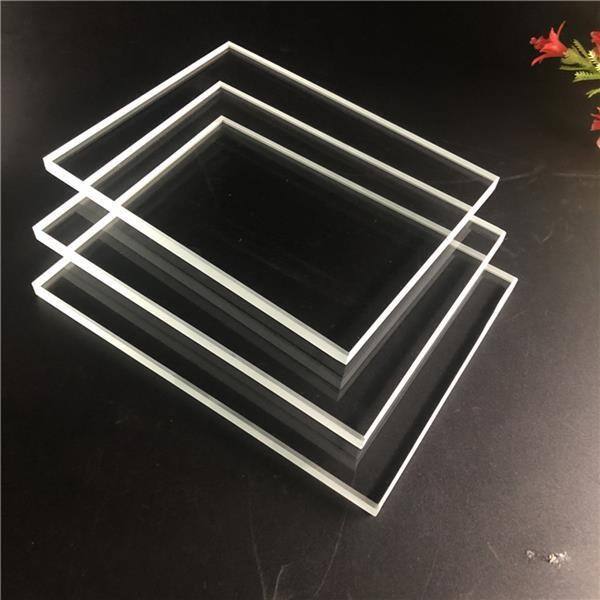
Krajobraz architektoniczny nowoczesnych budynków wysokiej klasy coraz częściej prezentuje oszałamiającą przejrzystość i wyrafinowanie elewacji z szkła ultra-czystego. Ten premium materiał szybowniczy stał się bezsprzecznym wyborem dla luksusowych wież biurowych, prestiżowych inwestycji mieszkaniowych oraz ikonicznych obiektów architektonicznych na całym świecie. Preferencja wobec szkła ultra-czystego w elewacjach wysokiej klasy wynika z jego wyjątkowych właściwości optycznych, wyższej estetyki oraz zdolności do tworzenia bezszwowych połączeń między przestrzenią wewnętrzną a zewnętrzną przy jednoczesnym zachowaniu integralności konstrukcyjnej wymaganej przez współczesne projekty architektoniczne.
Rosnące zapotrzebowanie na szkło ultra-czyste w aplikacjach premium do fasad odzwierciedla fundamentalny przesuw w filozofii architektonicznej w kierunku przejrzystości, optymalizacji naturalnego światła oraz czystości wizualnej. W przeciwieństwie do tradycyjnego szkła pływającego, charakteryzującego się charakterystycznym odcieniem zielonkawym, szkło ultra-czyste zapewnia bezkompromisową klarowność optyczną, umożliwiając architektom i projektantom realizację najbardziej ambitnych wizji estetycznych. Ta doskonałość materiałowa spełnia bezpośrednio zaawansowane wymagania projektów budowlanych klasy premium, w których każdy szczegół przyczynia się do ogólnej prestiżu oraz pozycjonowania rynkowego inwestycji.
Doskonała przejrzystość i przezroczystość
Eliminacja odcienia zielonkawego dla czystego doświadczenia wizualnego
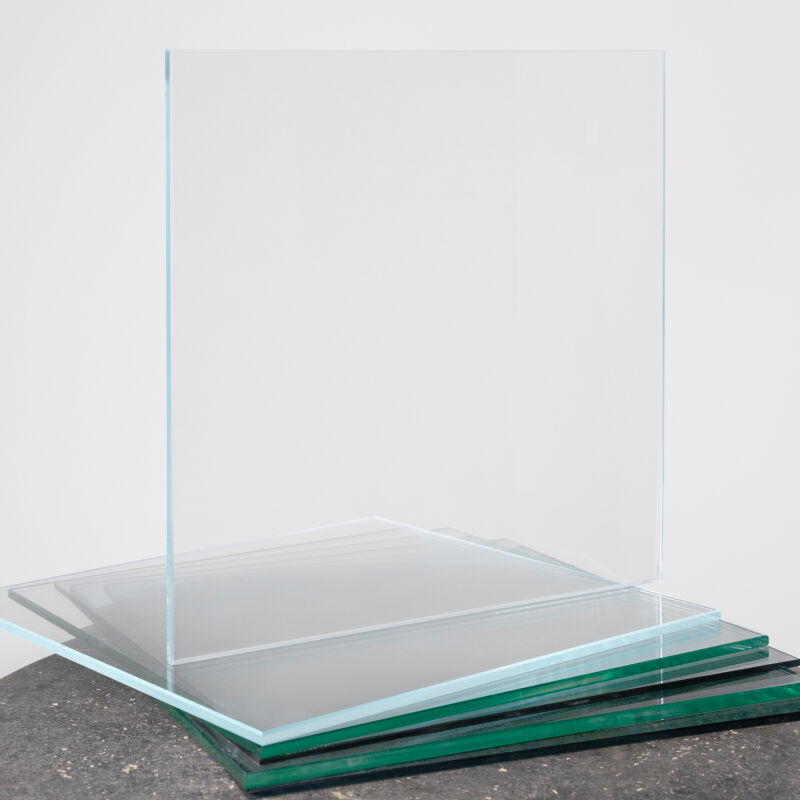
Najbardziej przekonującym powodem, dla którego architekci określają szkło ultra-czyste do elewacji wysokiej klasy, jest jego wyjątkowa czystość optyczna. Standardowe szkło float zawiera zanieczyszczenia tlenku żelaza, które powodują widoczną zielonkawą barwę, szczególnie wyraźną przy patrzeniu przez wiele warstw lub przy obserwacji krawędzi szkła w przekroju. Szkło ultra-czyste poddawane jest specjalnym procesom wytwarzania, które znacznie zmniejszają poziom zawartości żelaza – zwykle osiągając stężenie tlenku żelaza poniżej 0,01 % w porównaniu do 0,1 % w szkle zwykłym.
Zmniejszenie zawartości żelaza przekłada się na wyjątkową przejrzystość wizualną, która zachowuje prawdziwe kolory wnętrza oraz widoków zewnętrznych. W przypadku elewacji luksusowych sklepów detalicznych oznacza to, że wystawy towarów prezentują się z autentyczną reprezentacją kolorów, podczas gdy wieżowce mieszkaniowe zapewniają niezakłócone widoki panoramiczne, co uzasadnia ich wysoką cenę. Brak zniekształcenia barw staje się szczególnie istotny w galeriach sztuki, elewacjach muzeów oraz instytucjach kultury, gdzie dokładna percepcja kolorów ma bezpośredni wpływ na doświadczenie odwiedzających.
Całkowita przejrzystość szkła ultra-czystego zwiększa również odczuwaną przestronność wnętrz. Przepuszczanie światła naturalnego odbywa się bez subtelnej filtracji barw, charakterystycznej dla szkła standardowego, co tworzy jaśniejsze i bardziej gościnne przestrzenie wewnętrzne, zapewniające wyższe stawki czynszu oraz większą wartość nieruchomości. Ta zaleta optyczna okazuje się szczególnie cenna w klimatach północnych lub środowiskach miejskich, gdzie maksymalizacja ilości światła naturalnego staje się istotnym czynnikiem różnicującym.
Poprawiona wydajność przepuszczania światła
Szkło ultra-czyste zapewnia doskonałe właściwości przepuszczania światła, które bezpośrednio wpływają na efektywność energetyczną oraz komfort użytkowników w wysokiej klasy elewacjach. Podczas gdy standardowe szkło przezroczyste zwykle przepuszcza 83–85% widzialnego światła, ultra-czyste szkło osiąga wskaźniki przepuszczania światła na poziomie 91–92%. Ta poprawa o 6–8% w zakresie przepuszczania światła znacznie zmniejsza zapotrzebowanie na oświetlenie sztuczne w godzinach dziennych, przyczyniając się do uzyskania certyfikatów budownictwa zrównoważonego oraz oszczędności operacyjnych.
Zwiększone przepuszczanie światła staje się szczególnie wartościowe w budynkach biurowych o głębokiej planimetrii, gdzie stopień przenikania światła dziennego decyduje o użytkowaniu i komforcie przestrzeni wewnętrznych. Wysokiej klasy najemcy biur coraz częściej uznają obfitość światła dziennego za standardową udogodnienie, a fasady wykonane z szkła ultra-czystego spełniają to oczekiwanie, zachowując przy tym elegancki, nieprzerwany wygląd charakterystyczny dla współczesnej luksusowej architektury.
Dodatkowo doskonałe właściwości przepuszczania światła szkła ultra-czystego wspierają zaawansowane systemy pozyskiwania światła dziennego oraz zautomatyzowane systemy sterowania oświetleniem. Technologie zarządzania budynkami opierają się na spójnych i przewidywalnych charakterystykach przepuszczania światła w celu zoptymalizowania zużycia energii oraz utrzymania pożądanych poziomów oświetlenia w zmieniających się warunkach pogodowych i w zależności od pory roku.
Elastyczność w projektowaniu architektonicznym i doskonałość estetyczna
Bezszwowa integracja z nowoczesnymi koncepcjami projektowymi
Ultra-czyste szkło umożliwia architektom realizację koncepcji projektowych, które byłyby niemożliwe lub skompromitowane przy użyciu tradycyjnych materiałów szybujących. Niezwykła przejrzystość materiału wspiera minimalistyczną estetykę, która charakteryzuje współczesną luksusową architekturę, w której celem jest osiągnięcie maksymalnego wpływu wizualnego poprzez wyrafinowany dobór materiałów zamiast dekoracyjnej złożoności. Ta filozofia projektowa szczególnie dobrze sprawdza się w luksusowych budynkach mieszkalnych, siedzibach korporacyjnych oraz instytucjach kultury.
Możliwość tworzenia praktycznie niewidocznych barier między przestrzeniami wewnętrznymi a zewnętrznymi umożliwia innowacyjne rozwiązania architektoniczne, takie jak systemy szybujące od podłogi do sufitu, okna narożne bez widocznych pionowych profili (mullionów) oraz ciągłe pasy okien obejmujące naroża budynku. Te elementy projektowe stają się charakterystycznymi cechami odróżniającymi obiekty premium od konwencjonalnej zabudowy i uzasadniają znaczne inwestycje wymagane przy zastosowaniu szkła ultra-czystego.
Ultra-czyste szkło wspiera również rosnącą tendencję do stosowania zasad projektowania biofilicznego w luksusowej architekturze. Niezakłócona wizualna więź ze środowiskiem naturalnym, krajobrazami miejskimi oraz zmianami pór roku przyczynia się do poprawy samopoczucia i wydajności użytkowników. Ta więź staje się szczególnie wartościowa w wysokonapięciowych środowiskach miejskich, gdzie dostęp do naturalnych widoków zapewnia premię cenową zarówno na rynku komercyjnym, jak i mieszkaniowym.
Zgodność z zaawansowanymi technologiami elewacyjnymi
Wysokiej klasy systemy elewacyjne coraz częściej integrują zaawansowane technologie, w tym szkło elektrochromowe, zintegrowane ogniwa fotowoltaiczne oraz dynamiczne systemy zacieniania. Ultra-czyste szkło stanowi optymalny podkład dla tych zaawansowanych technologii, ponieważ jego spójne właściwości optyczne zapewniają przewidywalną wydajność w dużych instalacjach elewacyjnych. Czystość materiału zapobiega zakłóceniom w działaniu systemów elektronicznych i zapewnia jednolity wygląd nawet w połączeniu z technologiami szkła inteligentnego.
Spójna struktura szkła ultra-czystego wspiera również wymagania precyzyjnego inżynierii stosowane w systemach jednostkowych ścian osłonowych oraz zastosowaniach szklenia konstrukcyjnego. Metody te są preferowane w projektach wysokiej klasy, ponieważ zapewniają doskonałą odporność na warunki atmosferyczne, wydajność termiczną oraz długotrwałą trwałość. Przewidywalne właściwości materiałowe szkła ultra-czystego pozwalają producentom na osiągnięcie ścisłych tolerancji wymaganych w tych zaawansowanych systemach fasad.
Ponadto szkło ultra-czyste zachowuje swoją przejrzystość optyczną nawet po naniesieniu powłok niskowypromieniujących, folii kontrolujących promieniowanie słoneczne oraz innych środków poprawiających jego właściwości użytkowe. Ta zgodność umożliwia projektantom fasad zoptymalizowanie zarówno wydajności energetycznej, jak i atrakcyjności wizualnej, bez utraty czystości wrażenia wizualnego, która uzasadnia zastosowanie tego drogocennego materiału.
Pozycjonowanie rynkowe i podnoszenie wartości nieruchomości
Stowarzyszenie z marką premium oraz oczekiwania rynku luksusowego
Specyfikacja szkła ultra-czystego w wysokiej klasy elewacjach bezpośrednio przekazuje informację o jakości, uwadze poświęconej szczegółom oraz zaangażowaniu w doskonałość – cechach, które odpowiadają oczekiwaniom rynku luksusowego. Deweloperzy nieruchomości zdają sobie sprawę, że wymagający nabywcy i najemcy rozpoznają wizualną różnicę między standardowym a szkłem ultra-czystym, nawet jeśli nie potrafią sformułować technicznych różnic. To rozpoznanie przekłada się na mierzalne skutki dla wartości nieruchomości, stawek czynszu oraz szybkości sprzedaży.
Luksusowe inwestycje mieszkaniowe regularnie osiągają premię cenową w wysokości 15–25% w przypadku zastosowania elewacji ze szkłem ultra-czystym w porównaniu do podobnych projektów wykorzystujących konwencjonalne szkło. Ta premia odzwierciedla zarówno różnicę w kosztach materiałów, jak i postrzeganą wartość dodatkową, którą nabywcy kojarzą z wyższą jakością wykonania oraz lepszym doborem materiałów. Inwestycja w szkło ultra-czyste często spłaca się dzięki skróceniu cykli sprzedaży oraz obniżeniu kosztów marketingowych.
Komercyjne budynki biurowe z fasadami wykonanymi z szkła ultra-czystego osiągają zazwyczaj wyższe wskaźniki obsadzenia i pozwalają na ustalenie wyższych stawek czynszu, ponieważ najemcy rozpoznają jakość materiału jako wskaźnik ogólnej doskonałości budynku. Najemcy korporacyjni szczególnie doceniają profesjonalny wizerunek projektowany przez fasady ze szkła ultra-czystego podczas przyjmowania klientów oraz rekrutacji pracowników na konkurencyjnych rynkach.
Długoterminowa ochrona aktywów i rozważania dotyczące trwałości
Szkło ultra-czyste oferuje doskonałe cechy długoterminowej wydajności, które chronią wartość nieruchomości w trakcie długotrwałego okresu posiadania. Odporność materiału na degradację, stałe właściwości optyczne oraz kompatybilność z nowoczesnymi systemami konserwacji zapewniają, że wysokiej klasy fasady zachowują swój prestiżowy wygląd przez cały okres ich użytkowania. Ta trwałość nabiera szczególnej wagi dla inwestorów instytucjonalnych i funduszy nieruchomości, którzy oceniają budynki na podstawie prognoz długoterminowych przepływów pieniężnych.
Stabilność chemiczna szkła ultra-czystego zapewnia również lepszą odporność na czynniki środowiskowe, które mogą pogarszać wygląd standardowego szkła wraz z upływem czasu. Zanieczyszczenia miejskie, deszcz kwasowy oraz cykliczne zmiany temperatury mają minimalny wpływ na przejrzystość optyczną i jakość powierzchni prawidłowo wyprodukowanego szkła ultra-czystego, co gwarantuje, że luksusowe elewacje zachowują swój bezbłędny wygląd przy zastosowaniu rutynowych procedur konserwacji.
Dodatkowo rosnąca świadomość znaczenia zrównoważonych praktyk budowlanych oraz efektywności energetycznej czyni szkło ultra-czyste coraz bardziej wartościowym aktywem. Kodeksy budowlane oraz programy certyfikacji zielonych budynków coraz częściej uwzględniają korzyści energetyczne materiałów szybowych o wysokiej wydajności, co potencjalnie może przynieść korzyści regulacyjne obiektom wyposażonym w elewacje ze szkła ultra-czystego w przyszłych warunkach rynkowych.
Zalety techniczne wydajności
Właściwości termiczne i korzyści energetyczne
Szklane szyby o nadzwyczajnej przejrzystości zapewniają mierzalne korzyści termiczne, które przyczyniają się do osiągania celów efektywności energetycznej w zastosowaniach wysokiej klasy w fasadach budynków. Zmniejszona zawartość żelaza w materiale nie tylko poprawia przepuszczalność światła widzialnego, ale także wpływa na charakterystykę zysku ciepła słonecznego, która ma istotne znaczenie dla obciążeń chłodzenia budynku. To zachowanie termiczne można dokładnie obliczyć i zoptymalizować za pomocą inżynierii fasad w celu osiągnięcia określonych docelowych parametrów wydajności energetycznej.
W połączeniu z zaawansowanymi powłokami niskowymieniowymi (low-e) podłoża szkła o nadzwyczajnej przejrzystości zapewniają lepszą izolację termiczną niż standardowe alternatywy szklane. Doskonała przejrzystość optyczna materiału bazowego gwarantuje, że powłoki pokrywające zachowują swój walor estetyczny, jednocześnie zapewniając zwiększoną efektywność energetyczną. To połączenie okazuje się szczególnie wartościowe w strefach klimatycznych o skrajnych wahaniach temperatury, gdzie wydajność termiczna ma bezpośredni wpływ na koszty eksploatacji.
Przewidywalne właściwości termiczne szkła ultra-czystego wspierają również zaawansowane modele energetyczne budynków oraz procesy uruchamiania wymagane przy uzyskiwaniu certyfikatów budynków o wysokiej wydajności. Inżynierowie mogą dokładnie przewidywać zachowanie termiczne elewacji w różnych warunkach sezonowych, co umożliwia precyzyjne doboru mocy systemów wentylacji i klimatyzacji oraz opracowanie strategii ich sterowania, zoptymalizowanych pod kątem zarówno zużycia energii, jak i komfortu użytkowników.
Integralność konstrukcyjna i zgodność z wymaganiami bezpieczeństwa
W aplikacjach elewacyjnych wysokiej klasy często wymagane są materiały szybujące spełniające surowe wymagania konstrukcyjne i bezpieczeństwa, szczególnie w przypadku wysokich budynków oraz specjalnych elementów architektonicznych. Szkło ultra-czyste zachowuje te same właściwości mechaniczne co standardowe szkło płaskie, zapewniając jednocześnie lepszą wydajność optyczną. Ta spójność gwarantuje, że obliczenia konstrukcyjne, współczynniki bezpieczeństwa oraz zgodność z przepisami budowlanymi pozostają proste nawet przy stosowaniu wysokiej klasy materiałów szybujących.
Spójność produkcji szkła ultra-czystego wspiera również procedury kontroli jakości w przypadku dużych instalacji fasadowych. Różnice między partiami pod względem właściwości optycznych pozostają minimalne, zapewniając jednolity wygląd ukończonych fasad obejmujących setki lub tysiące pojedynczych elementów szklanych. Ta spójność nabiera kluczowego znaczenia w prestiżowych projektach, w których nawet subtelne różnice w wyglądzie mogą zakłócić zamierzony efekt architektoniczny.
Ponadto szkło ultra-czyste łatwo poddaje się obróbce zwiększającej bezpieczeństwo, takiej jak wzmocnienie cieplne, hartowanie oraz procesy laminowania, bez utraty przejrzystości optycznej. Takie zwiększenie bezpieczeństwa jest zwykle wymagane w aplikacjach fasadowych wysokiej klasy, a zgodność tych procesów ze szkłem ultra-czystym gwarantuje, że spełnienie wymogów bezpieczeństwa nie wiąże się z kompromisami estetycznymi.
Często zadawane pytania
Czym szkło ultra-czyste różni się od zwykłego szkła przezroczystego?
Szklanka ultra-czysta zawiera znacznie mniej tlenku żelaza (zwykle poniżej 0,01%) niż zwykła szklanka przezroczysta (około 0,1%), co eliminuje charakterystyczny odcień zielonkawy i zapewnia wyższą przepuszczalność światła. Oznacza to przepuszczalność światła widzialnego na poziomie 91–92% w porównaniu do 83–85% dla szkła standardowego, co daje wyraźnie bardziej przejrzysty i transparentny wygląd, zachowujący prawdziwe kolory oraz maksymalizujący przenikanie naturalnego światła w wysokiej klasy zastosowaniach elewacyjnych.
Czy szklanka ultra-czysta uzasadnia swoje wyższe koszty w projektach luksusowych?
Tak, szklanka ultra-czysta zwykle uzasadnia swoją wyższą cenę dzięki wielu czynnikom wartościowym, w tym zwiększeniu wartości nieruchomości (często premia 15–25% w luksusowych projektach mieszkaniowych), poprawie efektywności energetycznej wynikającej z wyższej przepuszczalności światła, skróceniu cykli sprzedaży dzięki wyjątkowemu urodziwowi oraz wyższym stawkom czynszu w zastosowaniach komercyjnych. Materiał ten zapewnia również długoterminową ochronę aktywów dzięki wyższej trwałości i utrzymaniu atrakcyjnego wyglądu przez długi czas.
Czy szkło ultra-czyste można łączyć z powłokami i obróbkami zapewniającymi oszczędność energii?
Szkło ultra-czyste charakteryzuje się bardzo dobrą zgodnością ze wszystkimi standardowymi obróbkami szkła, w tym powłokami niskowypromieniującymi, foliami kontrolującymi promieniowanie słoneczne, hartowaniem, wzmocnieniem cieplnym oraz procesami laminowania. Doskonała przejrzystość optyczna podstawowego materiału zapewnia, że te ulepszające właściwości obróbki zachowują swoją skuteczność, jednocześnie zachowując wyjątkowy wygląd estetyczny, który uzasadnia zastosowanie szkła ultra-czystego w wysokiej klasy elewacjach budynków.
W jaki sposób szkło ultra-czyste wpływa na energetyczną wydajność budynku?
Szklane szyby o nadzwyczajnej przeźroczystości poprawiają wydajność energetyczną budynków dzięki zwiększonej przepuszczalności światła widzialnego (91–92% w porównaniu do 83–85% dla szkła standardowego), co zmniejsza zapotrzebowanie na sztuczne oświetlenie w godzinach dziennej pory dnia. Ta poprawa przepuszczalności światła o 6–8% przekłada się na niższe zużycie energii, wspiera uzyskiwanie certyfikatów zielonych budynków oraz umożliwia bardziej skuteczne wykorzystanie światła dziennego, zachowując przy tym wymagane cechy izolacyjne termiczne niezbędne w zastosowaniach wysokowydajnych elewacji.
Spis treści
- Doskonała przejrzystość i przezroczystość
- Elastyczność w projektowaniu architektonicznym i doskonałość estetyczna
- Pozycjonowanie rynkowe i podnoszenie wartości nieruchomości
- Zalety techniczne wydajności
-
Często zadawane pytania
- Czym szkło ultra-czyste różni się od zwykłego szkła przezroczystego?
- Czy szklanka ultra-czysta uzasadnia swoje wyższe koszty w projektach luksusowych?
- Czy szkło ultra-czyste można łączyć z powłokami i obróbkami zapewniającymi oszczędność energii?
- W jaki sposób szkło ultra-czyste wpływa na energetyczną wydajność budynku?