EN
EN


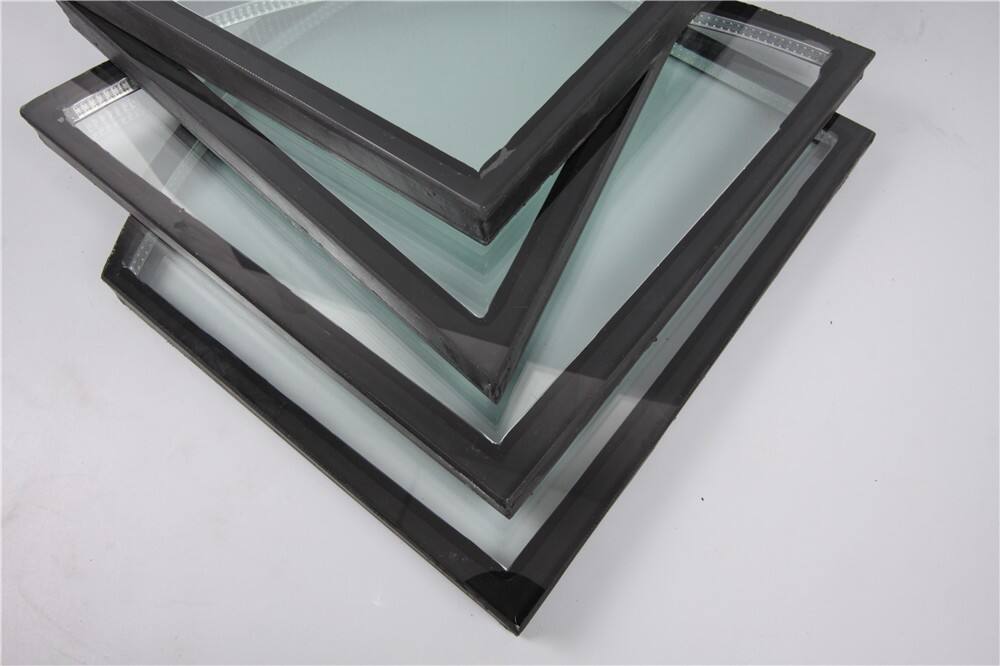
Oślepianie wewnątrz pomieszczeń stało się utrzymującym się wyzwaniem w nowoczesnym projektowaniu architektonicznym, szczególnie w sytuacji, gdy budynki wyposażane są w coraz większe okna i szklane elewacje w celu maksymalizacji naturalnego oświetlenia. Gdy światło słoneczne wpada do wnętrza z dużą intensywnością lub pod małymi kątami, powoduje ono niekomfortowe nasycenie jasnością, które ogranicza widoczność, męczy oczy oraz obniża przydatność przestrzeni biurowych i mieszkalnych. Szkła z powłoką odbijającą rozwiązuje ten problem dzięki naukowo zaprojektowanej obróbce powierzchni, która selektywnie kontroluje sposób, w jaki światło oddziałuje z materiałem szybowym. Poprzez nanoszenie cienkich warstw metalicznych lub dielektrycznych na powierzchnię szkła producenci nadają mu właściwości optyczne umożliwiające przekierowanie niepożądanego promieniowania słonecznego przy jednoczesnym zachowaniu przejrzystości wizualnej i przepuszczalności światła dziennego. Technologia ta zmieniła sposób, w jaki architekci i projektanci budynków podejmują decyzje dotyczące systemów okiennych, oferując rozwiązanie bierna, które nie wymaga żadnego dopływu energii ani mechanicznej regulacji w celu zapewnienia komfortowych warunków oświetlenia wnętrza przez cały dzień.
Podstawowy mechanizm, za pomocą którego szkło z odbijającą powłoką kontroluje olśnienie, polega na precyzyjnej manipulacji widzialnym spektrum światła oraz rozkładem energii słonecznej. W przeciwieństwie do szkła barwionego, które po prostu pochłania światło i przekształca je w ciepło, szkło z odbijającą powłoką wykorzystuje zasady interferencji i odbicia, aby odbijać nadmiarową radiację słoneczną z powrotem na zewnątrz budynku, zanim ta przejdzie przez jego obudowę. Takie podejście nie tylko ogranicza olśnienie, ale także przyczynia się do zarządzania temperaturą poprzez ograniczanie wpływu ciepła słonecznego. Struktura powłoki składa się zazwyczaj z wielu mikroskopijnie cienkich warstw, z których każda została zaprojektowana tak, aby oddziaływać z określonymi długościami fal promieniowania elektromagnetycznego. Gdy światło słoneczne uderza w te warstwowe powierzchnie, część długości fal jest odbijana, inne są pochłaniane w matrycy powłoki, a pozostała część przechodzi przez szkło do wnętrza pomieszczenia. Proporcje odbicia, pochłaniania i przepuszczania decydują o ogólnej skuteczności kontroli olśnienia oraz o charakterystyce wizualnej jednostki szklanej.
Fizyka optyczna stojąca za wydajnością powłok odblaskowych
Mechanizmy odbijania światła na powierzchniach z powłokami
Możliwość redukcji oślepienia przez szkło z powłoką odbijającą wynika z podstawowych praw fizyki optycznej, które rządzą zachowaniem światła na granicy między ośrodkami. Gdy promieniowanie elektromagnetyczne napotyka granicę między dwoma ośrodkami o różnych współczynnikach załamania, część tej energii odbija się z powrotem do ośrodka, z którego pochodzi, zgodnie z równaniami Fresnela. Standardowe, niepowlekane powierzchnie szklane odbijają około czterech–ośmiu procent padającego światła ze względu na różnicę współczynników załamania pomiędzy powietrzem a szkłem. Powłoki odbijające znacznie zwiększają ten współczynnik odbicia poprzez wprowadzenie materiałów o istotnie innych właściwościach optycznych. Powłoki metaliczne, takie jak srebro, aluminium lub stal nierdzewna, tworzą wysoce odbijające powierzchnie, które mogą odbijać od trzydziestu do siedemdziesięciu procent światła widzialnego w zależności od grubości i składu powłoki. Ten podwyższony współczynnik odbicia przekłada się bezpośrednio na redukcję oślepienia, ponieważ mniejsza intensywność światła przenika przez szyby do zajmowanych pomieszczeń.
Związek między grubością powłoki a jej właściwościami odbijającymi podlega precyzyjnym zasadom optycznym opartym na interferencji cienkich warstw. Gdy grubość warstw powłoki zbliża się do długości fali światła widzialnego, pojawiają się wzory interferencji konstruktywnej i destrukcyjnej, które selektywnie wzmocniają lub tłumią odbicie przy określonych długościach fal. Inżynierowie wykorzystują to zjawisko do projektowania szkła z powłoką odbijającą produkty o dopasowanych charakterystykach spektralnych. W zastosowaniach związanych z kontrolą olśnienia powłoki są zoptymalizowane tak, aby maksymalizować odbicie w zakresie długości fal, w którym fotopowy wzorzec widzenia człowieka jest najbardziej czuły – czyli w przybliżeniu od 500 do 600 nanometrów, odpowiadającym światłu zielonemu i żółtemu. Poprzez preferencyjne odbijanie tych długości fal przy jednoczesnym umożliwieniu większej transmisji składowych czerwonej i niebieskiej widma producenci mogą osiągnąć znaczne zmniejszenie olśnienia, zachowując przy tym akceptowalne oddawanie barw oraz wizualny kontakt z otoczeniem zewnętrznym.
Selektywność widmowa i optymalizacja komfortu wizualnego
Zaawansowane formuły szkła z powłoką odbiciową wykazują selektywność widmową, która odróżnia je od prostych powierzchni lustrzanych. Podczas gdy podstawowe powłoki metaliczne zapewniają odbicie szerokopasmowe w zakresie zarówno światła widzialnego, jak i promieniowania podczerwonego, zaawansowane konstrukcje wielowarstwowe pozwalają na niezależną kontrolę różnych części widma słonecznego. Ta selektywność staje się kluczowa przy równoważeniu kontroli olśnienia z innymi celami funkcjonalnymi, takimi jak dostęp do światła dziennego oraz jakość widoku. Powłoki interferencyjne dielektryczne, składające się z naprzemiennych warstw materiałów o różnej wartości współczynnika załamania, mogą być zaprojektowane tak, aby odbijać promieniowanie podczerwone odpowiedzialne za nagrzewanie się wnętrza, jednocześnie przepuszczając większy odsetek światła widzialnego niż czyste systemy metaliczne. Takie strojenie widmowe pozwala szkłu z powłoką odbiciową skutecznie kontrolować olśnienie, nie powodując przy tym nadmiernego przyciemnienia wnętrza.
Wrażliwość ludzkiego oka znacznie różni się w obrębie widzialnego zakresu fal świetlnych, osiągając maksimum w zakresie długości fal zielonych, około 555 nanometrów, w warunkach fotopowych. Postrzeganie olśnienia silnie koreluje z poziomami luminancji w tym zakresie wrażliwości, a nie z całkowitą mocą promieniowania radiometrycznego we wszystkich długościach fal. W konsekwencji skuteczna kontrola olśnienia za pomocą szkła z powłoką odbijającą wymaga starannego uwzględnienia przepuszczalności ważonej fotopowo, a nie prostych średnich obliczanych dla całego widzialnego zakresu fal świetlnych. Wysokiej klasy powłoki uwzględniają ten czynnik fizjologiczny, koncentrując szczyty odbicia w paśmie długości fal, w którym wrażliwość oka jest największa. Takie podejście zapewnia subiektywne zmniejszenie olśnienia, które przewyższa to, co mogłyby sugerować same wartości procentowe przepuszczalności. Gdy użytkownicy zgłaszają poprawę komfortu wzrokowego po zainstalowaniu szkła z powłoką odbijającą, reagują oni właśnie na celową redukcję długości fal najbardziej wpływających na postrzeganie olśnienia.
Zależność kątowa właściwości odbijających
Skuteczność kontroli olśnienia szkła z powłoką odbijającą zależy od kąta, pod jakim promienie słoneczne uderzają w jego powierzchnię – cecha ta znana jest jako zależność kątowa lub kierunkowa. Wynika ona z podstawowych zasad elektromagnetyzmu, które określają sposób, w jaki fale oddziałują z granicami ośrodków przy ukośnym padaniu. W przypadku padania normalnego, gdy światło napotyka powierzchnię szkła prostopadle, współczynniki odbicia przyjmują swoje wartości bazowe, wyznaczone przez właściwości materiału oraz projekt powłoki. W miarę jak kąt padania rośnie w kierunku ukośnego (głębokiego), współczynniki odbicia wzrastają znacznie zgodnie z relacjami Fresnela. Dla szkła z powłoką odbijającą taka zależność kątowa oznacza, że niskokątowe promieniowanie słoneczne poranne i wieczorne – które zwykle powoduje najbardziej dotkliwe problemy z olśnieniem – ulega odbiciu w jeszcze większym stopniu niż promieniowanie południowe, padające z góry.
To zachowanie kątowe zapewnia naturalne dopasowanie między nasileniem oślepienia a wydajnością powłoki. Gdy słońce znajduje się nisko na niebie, bezpośrednie promieniowanie słoneczne może przenikać głęboko do wnętrza budynków, uderzając w powierzchnie pod kątami powodującymi intensywne oślepienie dyskomfortowe i funkcyjne. Zwiększone odbicie szkła z powłoką odblaskową przy kątach pochyłych preferencyjnie tłumi właśnie te uciążliwe warunki. W godzinach południowych, gdy słońce znajduje się wyżej, a potencjał oślepienia jest zazwyczaj niższy, zmniejszone odbicie powłoki przy prawie normalnym padaniu promieniowania umożliwia większe przepuszczanie światła dziennego, co wspiera potrzeby oświetlenia wnętrza. Ta bierna, samoregulująca się cecha czyni szkło z powłoką odblaskową szczególnie skutecznym rozwiązaniem dla elewacji o znacznej orientacji na wschód lub zachód, gdzie ekspozycja na niskokątowe promieniowanie słoneczne jest nieunikniona. Odpowiedź kątowa skutecznie tworzy dynamiczny system kontroli oślepienia bez konieczności stosowania jakichkolwiek czujników, urządzeń sterujących ani dostarczania energii.
Architektura powłoki i skład materiału
Metaliczne systemy powłok do zarządzania oślepianiem
Tradycyjne powłoki metaliczne stanowią najprostsze podejście do tworzenia szkła z powłoką odbijającą, zapewniającego znaczne zmniejszenie oślepiania. Srebro i aluminium są najczęściej stosowanymi metalami ze względu na ich wysoką odbijalność w zakresie widzialnym oraz względną stabilność przy odpowiedniej ochronie. Typowa konstrukcja szkła z metaliczną powłoką odbijającą umieszcza warstwę metalu albo na powierzchni skierowanej na zewnątrz – w celu maksymalnego odbijania promieniowania słonecznego, albo na powierzchni wewnętrznej jednostki szklanej izolacyjnej, gdzie jest chroniona przed wpływami atmosferycznymi, a jednocześnie nadal pochłania promieniowanie przechodzące. Grubość warstwy metalu mieści się zwykle w zakresie od dziesięciu do trzydziestu nanometrów – wystarczająco cienka, aby osiągnąć pożądane właściwości optyczne i jednocześnie zminimalizować koszty materiału. Przy takich grubościach powłoka pozostaje częściowo przeźroczysta, jednocześnie wykazując znaczny charakter odbijający.
Właściwości odbijające powłok metalowych można precyzyjnie dostosować, zmieniając grubość warstwy oraz jej skład. Grubsze osadzane warstwy metalu zwiększają odbicie i zmniejszają przepuszczalność, zapewniając lepszą kontrolę olśnienia, ale jednocześnie ograniczając dostęp światła dziennego oraz przejrzystość widoku. Producentowie dobierają te przeciwstawne czynniki w zależności od określonych wymagań. zastosowanie w budynkach biurowych, gdzie kontrola olśnienia ma pierwszorzędne znaczenie, a oświetlenie sztuczne uzupełnia światło dzienne, odpowiednie są formuły o wyższej odbijalności. W zastosowaniach mieszkaniowych stosuje się często cieńsze powłoki, które zachowują lepszy wizualny związek z otoczeniem zewnętrznym, zapewniając przy tym widoczną redukcję olśnienia w porównaniu do szyb niepokrytych powłoką. Niektóre produkty szyb z powłokami odbijającymi zawierają wiele warstw metalu oddzielonych od siebie dielektrycznymi przesłonami, tworząc zaawansowane struktury optyczne, które poprawiają właściwości użytkowe w stopniu przekraczającym możliwości pojedynczych warstw metalowych.
Dielektryczne wielowarstwowe powłoki interferencyjne
Systemy powłok dielektrycznych oferują alternatywne podejście do kontroli oślepienia za pomocą szkła z powłoką odbijającą, opierające się na interferencji optycznej zamiast na pochłanianiu i odbijaniu światła przez warstwy metaliczne. Takie powłoki składają się z naprzemiennych warstw materiałów o wysokim i niskim współczynniku załamania, zwykle tlenków metali, takich jak dwutlenek tytanu i dwutlenek krzemu. Gdy światło widzialne napotyka tę warstwową strukturę, częściowe odbicia zachodzą na każdej granicy między materiałami o różnej gęstości optycznej. Te wielokrotne fale odbite mogą interferować konstruktywnie lub destrukcyjnie w zależności od różnic długości optycznej ścieżki, określanych przez grubość warstw oraz ich współczynniki załamania. Poprzez staranne zaprojektowanie stosu warstw producenci powłok tworzą silne pasma odbijania dla wybranych długości fal, zachowując przy tym wysoką przepuszczalność dla innych długości fal.
W zastosowaniach związanych z kontrolą oślepienia szkło pokryte dielektryczną warstwą odbijającą można zoptymalizować tak, aby głównie odbijało światło w zakresie maksymalnej czułości fotopowej, jednocześnie przepuszczając w większym stopniu światło w zakresach czerwonym i niebieskim, gdzie oko jest mniej czułe. Takie kształtowanie widmowe skuteczniej zmniejsza postrzeganą jasność i oślepienie niż tłumienie o stałej gęstości optycznej, które jednorazowo zmniejsza natężenie wszystkich długości fal. Powłoki dielektryczne zapewniają również wyższą trwałość w porównaniu z odsłoniętymi warstwami metalicznymi, ponieważ ich składniki – tlenki metali – są chemicznie stabilne oraz odporne na utlenianie i korozję. Ta zaleta umożliwia stosowanie powłok na powierzchni szkła skierowanego na zewnątrz, gdzie bezpośrednio przechwytują one padające promieniowanie słoneczne przed jego przejściem przez układ szybowy. Nieprzewodząca natura materiałów dielektrycznych eliminuje ryzyko zakłóceń radiowych, jakie mogą wystąpić przy użyciu powłok metalicznych, co czyni je odpowiednimi do budynków wyposażonych w systemy bezprzewodowej komunikacji.
Architektury hybrydowych powłok łączące wiele technologii
Współczesne szkło o wysokiej wydajności z powłoką odbijającą stosuje często architektury hybrydowe, które łączą warstwy metaliczne i dielektryczne w celu jednoczesnej optymalizacji wielu cech użytkowych. Typowa konfiguracja może obejmować centralną warstwę srebra zapewniającą odbicie w szerokim zakresie widmowym, otoczoną warstwami dielektrycznymi pełniącymi funkcje ochronne, antyodbijające oraz dostosowujące barwę. Dielektryczne warstwy podkładowe pomiędzy podłożem szklanym a warstwą metalową poprawiają przyczepność oraz tworzą warunki dopasowania optycznego, które zwiększają skuteczność odbicia. Dielektryczne warstwy nadkładowe chronią metal przed utlenianiem i uszkodzeniami mechanicznymi, jednocześnie tłumiąc niepożądane odbicie na granicy między powłoką a powietrzem, które mogłoby obniżyć całkowitą wydajność.
Te wielowarstwowe układy umożliwiają produkty ze szkła z powłoką odbiciową, które zapewniają doskonałą kontrolę olśnienia przy jednoczesnym zachowaniu pożądanych cech estetycznych. Składniki dielektryczne można dostosować tak, aby uzyskać określone kolory odbijane – od neutralnego srebra po odcienie brązowe, niebieskie lub zielone – w zależności od preferencji architektonicznych. Kontrola koloru odbywa się bez znacznego pogorszenia skuteczności redukcji olśnienia, ponieważ warstwy metaliczne nadal pełnią główną funkcję odbijającą. Zaawansowane konstrukcje zawierają dziesięć lub więcej indywidualnych warstw, z których każda przyczynia się do realizacji określonych funkcji optycznych, co łącznie zapewnia osiągi niedosięgłe dla prostszych struktur powłok. Złożoność tych układów wymaga wysoce zaawansowanego sprzętu do napylania oraz precyzyjnej kontroli procesu, jednak końcowe produkty ze szkła z powłoką odbijającą charakteryzują się mierzalnie lepszymi kombinacjami kontroli olśnienia, wydajności cieplnej, trwałości oraz jakości wizualnej.
Metryki oślepienia i ilościowa ocena wydajności
Standardy przepuszczalności i odbijalności światła widzialnego
Ilościowa ocena skuteczności szkła z powłoką odblaskową w ograniczaniu oślepienia wymaga znormalizowanych metryk charakteryzujących wydajność optyczną w sposób odnoszący się do ludzkiego widzenia i komfortu. Przepuszczalność światła widzialnego, skrótowo określana jako VLT lub Tvis, oznacza procentowe udziały promieniowania słonecznego ważonego fotopowo w zakresie długości fal od 380 do 780 nanometrów, które przechodzą przez system szybowy. Ta metryka koreluje bezpośrednio z dostępnością światła dziennego, ale ma odwrotną zależność od potencjału ograniczania oślepienia. Niższe wartości VLT oznaczają, że szkło z powłoką odblaskową blokuje lub odbija większą ilość światła widzialnego, co zmniejsza natężenie promieniowania przechodzącego, które może powodować oślepienie. Typowe produkty szkła z powłoką odblaskową przeznaczone do zastosowań komercyjnych charakteryzują się wartościami VLT w zakresie od dwudziestu do pięćdziesięciu procent, podczas gdy dla bezbarwnego, niewspółczulonego szkła wartości te wynoszą od siedemdziesięciu do dziewięćdziesięciu procent.
Odbicie światła widzialnego, mierzone osobno dla powierzchni zewnętrznych i wewnętrznych, określa procent padającego światła widzialnego, który odbija się od szyby zamiast przechodzić przez nią lub być w niej pochłonięty. W celach kontroli olśnienia kluczowe znaczenie ma odbicie zewnętrzne, ponieważ wskazuje ono, jaka część promieniowania słonecznego jest odbijana przed wejściem do budynku. Szyby pokryte warstwą odbijającą, zaprojektowane w celu znacznego ograniczenia olśnienia, charakteryzują się zwykle zewnętrznym współczynnikiem odbicia światła widzialnego w zakresie od trzydziestu do sześćdziesięciu procent. Związki między przepuszczalnością, odbiciem i pochłanianiem muszą sumować się do stu procent zgodnie z zasadą zachowania energii, co oznacza, że wysokie odbicie wiąże się koniecznie z niższą przepuszczalnością i potencjalnym zmniejszeniem olśnienia. Laboratoria badawcze mierzą te właściwości za pomocą spektrofotometrów analizujących zachowanie światła w zakresie widzialnym zgodnie z międzynarodowymi standardami, takimi jak ISO 9050 i NFRC 300, zapewniając spójność danych dotyczących wydajności wśród różnych producentów i produktów.
Ocena olśnienia powodującego dyskomfort i niepełnosprawność
Olśnienie występuje w dwóch różnych formach, które różnie wpływają na użytkowników budynków; obie te formy można złagodzić za pomocą odpowiednio zaprojektowanego szkła z powłoką odbijającą. Olśnienie powodujące dyskomfort wywołuje niepokój psychiczny i zmęczenie wzroku, nie zakłócając jednak koniecznie zdolności do widzenia wykonywanych zadań lub obiektów. Zjawisko to pojawia się w przypadku nadmiernych kontrastów jasności w polu widzenia, szczególnie gdy jasne źródła światła pojawiają się obok ciemniejszych otoczeń. Olśnienie powodujące niepełnosprawność fizycznie pogarsza wydajność wzrokową poprzez rozpraszanie światła wewnątrz oka, tworząc efektywnie świecący welon, który zmniejsza czułość na kontrast oraz zdolność wykrywania obiektów. Bezpośrednie promieniowanie słoneczne przenikające przez niechronione szyby może powodować obie te formy olśnienia jednocześnie, tworząc niekomfortowe i mało produktywne środowisko wewnętrzne.
Kilka znormalizowanych miar ilościowo określa stopień oślepienia i pomaga przewidzieć, czy specyfikacje szkła z powłoką odblaskową zapewnią wystarczającą kontrolę. Miara prawdopodobieństwa oślepienia dziennego światła (DGP), opracowana specjalnie dla warunków oświetlenia dziennego, określa prawdopodobieństwo, że użytkownicy odczują uciążliwe oślepienie, opierając się na pionowej oświetleności oczu oraz rozkładzie luminancji w polu widzenia. Wartości poniżej 0,35 wskazują na niezauważalne oślepienie, podczas gdy wartości powyżej 0,45 sugerują warunki nietolerowane. Szkło z powłoką odblaskową zmniejsza wartość DGP ograniczając luminancję powierzchni okien widocznych z pozycji wewnętrznych. System jednolitego wskaźnika oślepienia (UGR) stanowi alternatywną metodę oceny, uwzględniającą luminancję źródła oślepienia, kąt bryłowy, który ono obejmuje, luminancję adaptacyjną tła oraz czynniki związane z położeniem. Poprzez obniżanie luminancji okien za pomocą selektywnego odbijania padającego promieniowania słonecznego szkło z powłoką odblaskową bezpośrednio wpływa na główne zmienne wykorzystywane w tych modelach prognozowania oślepienia.
Wpływ promieniowania słonecznego i kompleksowa wydajność fasady
Chociaż kontrola olśnienia stanowi główny cel zastosowania szkła pokrytego warstwą odbijającą, te same właściwości optyczne wpływają równocześnie na wydajność termiczną poprzez zarazem regulację światła widzialnego. Współczynnik przyswajania ciepła słonecznego (SHGC) określa ułamek padającego promieniowania słonecznego, który w postaci ciepła przenika do wnętrza budynku, obejmując zarówno energię bezpośrednio przenikającą, jak i energię pochłoniętą, która następnie jest emitowana do wnętrza. Niższe wartości SHGC oznaczają lepszą odporność na ciepło słoneczne, co prowadzi do zmniejszenia obciążeń chłodniczych oraz poprawy efektywności energetycznej. Szkło pokryte warstwą odbijającą osiąga zazwyczaj wartości SHGC w zakresie od 0,20 do 0,45, co jest znacznie niższe niż zakres 0,70–0,85 charakterystyczny dla przezroczystego, niestosowanego szkła bez powłoki.
Korelacja między kontrolą olśnienia a odbijaniem ciepła wynika z faktu, że oba zjawiska wiążą się z zarządzaniem promieniowaniem słonecznym, choć dotyczą one różnych zakresów widma. Olśnienie odnosi się konkretnie do fal widzialnych, w których działa wzrok ludzki, podczas gdy całkowita energia słoneczna obejmuje składniki ultrafioletowe i bliskiej podczerwieni, niewidoczne dla oka. Produkty szklane z powłokami odblaskowymi zawierające warstwy metaliczne zwykle wykazują silną korelację między odbiciem światła widzialnego a odbijaniem całkowitej energii słonecznej, ponieważ metale odbijają promieniowanie szeroko w całym zakresie widma. Powłoki selektywne spektralnie mogą częściowo rozłączyć te właściwości, preferencyjnie odbijając promieniowanie podczerwone przy jednoczesnym lepszym przepuszczaniu światła widzialnego; jednak takie rozwiązanie może zapewniać mniejszą kontrolę olśnienia niż formuły odblaskowe działające w całym zakresie widma. Architekci muszą uwzględnić wiele celów funkcjonalnych przy dobieraniu szkła z powłokami odblaskowymi, analizując, jak kontrola olśnienia, wydajność termiczna, dostępność światła dziennego oraz jakość widoku wpływają na ogólną funkcjonalność budynku i satysfakcję jego użytkowników.
Uwagi dotyczące praktycznego zastosowania i czynniki instalacyjne
Orientacja budynku oraz analiza ścieżki Słońca
Skuteczność szkła powlekanego odbijającym światło w zakresie kontroli olśnienia zależy w znacznym stopniu od orientacji budynku względem ścieżek Słońca w ciągu całego roku. Elewacje skierowane na wschód i zachód napotykają najbardziej dotkliwe problemy z olśnieniem, ponieważ Słońce znajduje się pod niskimi kątami w porannych i wieczornych godzinach, kiedy w większości budynków biurowych występuje najwyższe nasilenie użytkowania. W tych okresach promieniowanie bezpośrednie może głęboko przenikać do wnętrza pomieszczeń, uderzając w powierzchnie robocze i tworząc intensywne kontrasty jasności. Elewacje skierowane na południe w lokalizacjach półkuli północnej otrzymują wysokie kąty padania promieni słonecznych w godzinach południowych, co powoduje mniejsze przenikanie bezpośredniego olśnienia, ale potencjalnie wyższy całkowity przyrost ciepła słonecznego. Szklone elewacje skierowane na północ otrzymują głównie rozproszone promieniowanie nieba z minimalnym udziałem bezpośredniego światła słonecznego, co wymaga mniej agresywnych specyfikacji szkła powlekanego odbijającego światło.
Poprawne doboru szkła z odbłyskowym powłoką wymaga szczegółowej analizy geometrycznych warunków słonecznych dla danego miejsca, uwzględniającej szerokość geograficzną, sezonowe ścieżki Słońca oraz elementy otoczenia, takie jak sąsiednie budynki lub zielenią, które mogą zapewniać zacienienie. Narzędzia symulacji komputerowej pozwalają modelować roczne rozkłady prawdopodobieństwa powstawania olśnienia dla różnych wersji szkła z odbłyskową powłoką, wspierając projektantów w wyborze produktów zapewniających skuteczną kontrolę olśnienia bez nadmiernego przyciemniania wnętrza. Elewacje wschodnie i zachodnie zwykle korzystają z powłok o wyższej odbijalności, przy wartościach VLT w zakresie od 25 do 35 procent, podczas gdy dla elewacji południowych stosuje się umiarkowanie odbijające szkło z powłoką o wartości VLT około 40–50 procent. Takie podejście uwzględniające orientację elewacji optymalizuje kontrolę olśnienia tam, gdzie jest ona najbardziej potrzebna, jednocześnie zapewniając lepszy dostęp światła dziennego oraz wysoką jakość widoków z elewacji narażonych na mniej intensywne oddziaływanie promieniowania słonecznego.
Integracja z funkcjami i układem przestrzeni wewnętrznej
Odpowiedni poziom kontroli olśnienia przez szkło z powłoką odbijającą zależy od funkcji wnętrza oraz zadań wzrokowych wykonywanych przez jego użytkowników. Środowiska biurowe wyposażone w ekrany komputerowe są szczególnie wrażliwe na olśnienie, ponieważ czytelność ekranu zależy od minimalizacji jasności tła oraz unikania jasnych odbić na powierzchni wyświetlacza. W takich zastosowaniach korzystne są bardziej rygorystyczne specyfikacje szkła z powłoką odbijającą, które znacznie zmniejszają jasność okien tak, jak jest ona postrzegana z typowych miejsc pracy. Środowiska handlowe stawiają inne priorytety, często ceniąc połączenie wizualne z ulicą oraz widoczność wystaw nad maksymalnym ograniczeniem olśnienia. W obiektach opieki zdrowotnej wymagana jest staranna równowaga między korzyściami z ekspozycji na światło naturalne w zakresie kontroli infekcji a względnymi komfortu pacjentów, które sprzyjają zmniejszeniu jasności.
Głębokość pomieszczenia i układ mebli wpływają na stopień kontroli olśnienia, jaki musi zapewnić szkło powlekane refleksami. W płytkich stropach, gdzie stanowiska pracy znajdują się blisko krawędzi, niekontrolowana jasność okien bezpośrednio wpływa na komfort użytkowników i widoczność. Głębsze plany pięter ze stanowiskami pracy umieszczonymi dalej od fasad charakteryzują się mniejszym bezpośrednim olśnieniem, ponieważ kąt bryłowy, na który skierowane są okna, zmniejsza się wraz z odległością, a otaczające powierzchnie wewnętrzne zapewniają lepszą adaptację luminancji. Specyfikacje szkła powlekanego refleksami powinny uwzględniać te czynniki przestrzenne, potencjalnie zapewniając bardziej agresywne odbicie na niższych piętrach, gdzie kąty widzenia są bardziej bezpośrednie, i mniejsze odbicie na wyższych piętrach, gdzie kąty widzenia w dół zmniejszają ryzyko olśnienia. Ta strategia gradacji pionowej optymalizuje wydajność na całej wysokości budynku, jednocześnie zarządzając kosztami produktu i zachowując spójność architektoniczną.
Wygląd zewnętrzny i uwarunkowania kontekstu miejskiego
Wysoka odbijalność, która umożliwia skuteczne kontrolowanie oślepienia w szkle z powłoką odblaskową, jednocześnie tworzy charakterystyczny wygląd zewnętrzny wpływający na estetykę architektoniczną oraz wizualny charakter miast. W godzinach dziennej pory doby takie elewacje prezentują się jako lustrzane powierzchnie odbijające otaczający kontekst, w tym niebo, chmury, budynki sąsiednie oraz elementy krajobrazu. Taka cecha odblaskowa może być pożądana z punktu widzenia architektonicznego, tworząc dynamiczne kompozycje elewacyjne, które zmieniają się w zależności od warunków atmosferycznych oraz kąta obserwacji. Wygląd lustrzany zapewnia również prywatność, uniemożliwiając osobom znajdującym się na zewnątrz zobaczenie działalności prowadzonej wewnątrz budynku – cecha ta jest szczególnie ceniona w niektórych typach obiektów, takich jak siedziby korporacyjne lub obiekty administracji rządowej.
Jednak wysoka odbijalność zewnętrzna szkła z powłoką odbijającą może powodować niezamierzone skutki w środowisku miejskim. Odbite promieniowanie słoneczne może być kierowane na sąsiednie budynki, chodniki lub przestrzenie publiczne, co potencjalnie prowadzi do problemów z oślepianiem dla nieruchomości sąsiadujących lub pieszych. Staranne analizy przeprowadzane w fazie projektowania powinny oceniać kierunki odbić w ciągu dnia oraz przez cały rok, aby zidentyfikować potencjalne konflikty. Krzywoliniowe lub wielościennne geometrie elewacji mogą skupiać odbite promieniowanie, tworząc skoncentrowane obszary gorąca podobne do efektu lustra parabolicznego. W niektórych jurysdykcjach obowiązują przepisy ograniczające odbijalność elewacji w celu zapobiegania tym skutkom, zwykle ograniczające odbijalność światła widzialnego do trzydziestu lub czterdziesięciu procent. Architekci muszą znaleźć równowagę między wymaganiami dotyczącymi ograniczania oślepienia wewnątrz budynku a preferencjami estetycznymi wyglądu zewnętrznego oraz odpowiedzialnością za kontekst miejski przy dobieraniu szkła z powłoką odbijającą; czasem stosują różne produkty na poszczególnych elewacjach, aby zoptymalizować ogólną wydajność budynku.
Wymagania konserwacyjne i długoterminowa wydajność
Trwałość powierzchni i protokoły czyszczenia
Utrzymanie skuteczności kontroli oślepienia przez szkło z refleksyjnym powłoką zależy od utrzymywania czystych i nienaruszonych powierzchni powłoki przez cały okres eksploatacji budynku. Brud, pył oraz zanieczyszczenia atmosferyczne gromadzące się na powierzchniach szkła rozpraszają światło i zmieniają właściwości optyczne, co może prowadzić do zmniejszenia współczynnika odbicia oraz wzrostu przepuszczalności rozproszonej, a tym samym do nasilenia efektu oślepienia. Regularne czyszczenie zapewnia zachowanie projektowanej wydajności poprzez usuwanie zanieczyszczeń degradujących właściwości optyczne. Jednak powierzchnie szkła z refleksyjną powłoką wymagają bardziej ostrożnych metod czyszczenia niż szkło niepowlekane, ponieważ powłoki mogą być wrażliwe na ścieranie mechaniczne lub działanie chemiczne niewłaściwych środków czyszczących.
Producenci udzielają szczegółowych wytycznych dotyczących konserwacji swoich produktów szkła z powłoką odbijającą, uwzględniając skład powłoki oraz jej cechy trwałości. Trwałe powłoki tzw. hard-coat (tzw. piroliczne), nanoszone w trakcie produkcji szkła w wysokiej temperaturze, tworzą wyjątkowo odporno powierzchnie, odporne na zadrapania i uszkodzenia chemiczne, co pozwala na stosowanie tradycyjnych metod i środków czyszczących. Delikatniejsze powłoki tzw. soft-coat (nanoszone metodą rozpylania magnetonowego w temperaturze pokojowej po uformowaniu szkła) wymagają łagodniejszych metod czyszczenia w celu zapobieżenia ich uszkodzeniu. Powłoki te są zazwyczaj nanoszone na powierzchnie wewnętrzne jednostek szklanych izolacyjnych, gdzie są chronione przed bezpośrednim oddziaływaniem czynników zewnętrznych oraz typowymi czynnościami czyszczącymi wykonywanymi na zewnątrz budynku. W przypadku zastosowania szkła z powłoką odbijającą z powłokami soft-coat na łatwo dostępnych powierzchniach personel odpowiedzialny za konserwację budynku musi zostać przeszkolony w zakresie odpowiednich technik czyszczenia, w tym zatwierdzonych środków czyszczących, miękkich ściereczek lub gumiaków oraz unikania materiałów ściernych lub zastosowania wody pod wysokim ciśnieniem.
Mechanizmy degradacji powłoki i metody zapobiegania jej
Narażenie na czynniki środowiskowe może stopniowo pogarszać właściwości optyczne szkła z powłoką odbijającą poprzez kilka mechanizmów fizycznych i chemicznych. Powłoki metaliczne są podatne na utlenianie w obecności tlenu i wilgoci, co prowadzi do powstawania warstw tlenków metalu zmieniających właściwości optyczne oraz wygląd powłoki. Powłoki oparte na srebrze są szczególnie wrażliwe na związki siarki występujące w niektórych atmosferach miejskich i przemysłowych, tworząc siarczek srebra, który powoduje brunatne przebarwienie (potemnienie) i zmniejsza współczynnik odbicia. Zużycie mechaniczne spowodowane cząstkami unoszącymi się w powietrzu, które uderzają w powierzchnię pod wpływem wiatru, może stopniowo ścierać materiały powłoki, zwłaszcza miększe warstwy metaliczne. Cyklowanie temperatur powoduje różnicę w rozszerzalności cieplnej między poszczególnymi warstwami powłoki a podłożem szklanym, generując naprężenia mechaniczne, które mogą prowadzić do odwarstwienia lub pęknięcia powłoki w produktach o słabej przyczepności.
Nowoczesne produkty szkła z odbijającym powłokowaniem zawierają strategie ochronne mające na celu ograniczenie tych ścieżek degradacji. Wielowarstwowe konstrukcje obejmują warstwy barierowe zapobiegające dyfuzji tlenu i zanieczyszczeń do wrażliwych elementów metalowych. Gdy powłoki są nanoszone na powierzchnie wewnętrzne uszczelnionych jednostek szybowych izolacyjnych, hermetyczne uszczelnienie krawędzi chroni je przed oddziaływaniem atmosfery, co znacznie wydłuża ich okres użytkowania. Obróbka w celu wzmacniania powierzchni oraz warstwy pośredniczące pochłaniają energię uderzenia mechanicznego zanim dotrze ona do elementów o kluczowym znaczeniu optycznym. Gwarancje producentów szkła z odbijającym powłokowaniem zwykle obejmują zabezpieczenie przed wadami przez okres od dziesięciu do dwudziestu lat, w zależności od konfiguracji produktu oraz miejsca jego montażu. Poprawne doboru produktu z uwzględnieniem lokalnych warunków środowiskowych, odpowiedni wybór produktu w zależności od stopnia narażenia oraz prawidłowy montaż zgodny z wytycznymi producenta zapewniają, że szkło z odbijającym powłokowaniem zachowa projektowaną skuteczność kontroli olśnienia przez cały przewidywany okres użytkowania budynku.
Monitorowanie wydajności i kryteria wymiany
Zarządzający budynkami powinni wprowadzić okresowe protokoły oceny, aby zweryfikować, czy szkło z powłoką odbijającą nadal zapewnia zamierzony kontrolowany poziom oślepienia w miarę starzenia się instalacji. Inspekcja wizualna pozwala zidentyfikować wyraźne uszkodzenia, takie jak przebarwienie powłoki, odwarstwienie się powłoki lub uszkodzenia mechaniczne. Przenośne instrumenty spektrofotometryczne umożliwiają ilościowy pomiar przepuszczalności i odbijalności światła widzialnego, co pozwala na porównanie wyników z pierwotnymi specyfikacjami w celu wykrycia stopniowego pogorszenia się właściwości użytkowych. Informacje zwrotne od użytkowników dotyczące warunków oślepienia stanowią subiektywną, lecz wartościową wskazówkę, czy szkło z powłoką odbijającą nadal spełnia wymagania funkcjonalne. Systematyczna dokumentacja tych ocen tworzy historię eksploatacyjną, która stanowi podstawę decyzji dotyczących konserwacji oraz planowania wymiany.
Kryteria wymiany szkła z powłoką odblaskową powinny uwzględniać zarówno degradację wydajności technicznej, jak i wystarczające spełnienie funkcji w odniesieniu do obecnego przeznaczenia przestrzeni. Jeśli pomiary wykażą, że odbijalność światła widzialnego zmniejszyła się o więcej niż dziesięć punktów procentowych w porównaniu z wartościami pierwotnymi, degradacja powłoki mogła zajść tak daleko, że skuteczność kontroli olśnienia została naruszona. Zmiany w funkcji wnętrza mogą sprawić, że pierwotne specyfikacje szkła z powłoką odblaskową staną się nieodpowiednie, nawet jeśli produkty pozostają w dobrym stanie; np. przekształcenie biura w stołówkę może wymagać innych właściwości zarządzania olśnieniem. Analiza ekonomiczna powinna porównać koszty i zakłócenia związane z wymianą z utrzymującym się wpływem niewystarczającej kontroli olśnienia na produktywność, komfort oraz zużycie energii. W wielu przypadkach selektywna wymiana najbardziej krytycznie zdegradowanych lub funkcjonalnie niewłaściwych jednostek szybowych zapewnia opłacalne przywrócenie wydajności, jednocześnie odkładając pełną wymianę fasady do czasu, gdy szersze prace remontowe uzasadnią ekonomicznie całkowitą modernizację.
Często zadawane pytania
Jaki procent światła widzialnego blokuje zwykle szkło z odbijającą powłoką w celu skutecznego ograniczania olśnienia?
Skuteczna kontrola oślepienia za pomocą szkła z powłoką odbijającą zwykle wymaga zablokowania od pięćdziesięciu do siedemdziesięciu pięciu procent padającego światła widzialnego, co odpowiada wartościom przepuszczalności światła widzialnego (VLT) w zakresie od dwudziestu pięciu do pięćdziesięciu procent. Dokładna wartość redukcji zależy od orientacji elewacji, głębokości wnętrza, wymagań związanych z wykonywanymi zadaniami oraz lokalnych warunków klimatycznych. Elewacje skierowane na wschód i zachód, narażone na bezpośrednie działanie niskokątowego promieniowania słonecznego, zazwyczaj korzystają z bardziej intensywnej redukcji światła, przy wartościach VLT wynoszących około dwadzieścia pięć–trzydzieści pięć procent, podczas gdy w przypadku elewacji skierowanych na południe wystarczającą kontrolę oślepienia można osiągnąć przy wartościach VLT wynoszących czterydzieści–pięćdziesiąt procent. Elewacje skierowane na północ rzadko wymagają stosowania szkła z powłoką odbijającą wyłącznie w celu kontroli oślepienia, choć rozważania dotyczące wydajności cieplnej mogą uzasadniać jego zastosowanie. W przypadku zastosowań obejmujących wyświetlacze komputerowe lub inne zadania wizualne szczególnie wrażliwe na oślepienie wymagane są niższe wartości VLT niż w przestrzeniach przeznaczonych do ruchu lub obszarach o mniejszych wymaganiach wizualnych.
Czy szkło z odbijającą powłoką można stosować na istniejących oknach, czy musi być wytwarzane jako nowe jednostki szklane?
Większość wysokowydajnych produktów szkła odbijającego z powłoką wytwarzana jest w trakcie procesu produkcji szkła i nie można ich stosować w sposób późniejszy na już zamontowane szyby. Najtrwalsze i najbardziej zaawansowane pod względem optycznym powłoki nanoszone są metodą rozpryskiwania magnetonowego lub procesem pirolitycznym w kontrolowanych środowiskach fabrycznych, zapewniających precyzyjną grubość warstw oraz skład chemiczny wymagany do osiągnięcia zaprojektowanych właściwości użytkowych. Istnieją jednak produkty folii odbijających przeznaczone do późniejszego montażu, które właściciele budynków mogą stosować na istniejących oknach w celu uzyskania funkcji kontroli olśnienia. Takie folie wykorzystują podłoża z poliestru z klejem samoprzylepnym oraz powłoki metaliczne lub dielektryczne zapewniające znaczne odbicie po zainstalowaniu na powierzchniach szklanych. Choć folie do późniejszego montażu oferują korzyści finansowe i pozwalają uniknąć wymiany okien, to zwykle charakteryzują się gorszą jakością optyczną, trwałością oraz selektywnością widmową w porównaniu do szkła odbijającego z powłoką naniesioną w warunkach fabrycznych. Stosowanie folii może również unieważnić obowiązujące gwarancje na szkło oraz wiązać się z trudnościami w zakresie montażu, wymagającym profesjonalnej instalacji w celu uniknięcia powstawania pęcherzyków, zmarszczeń lub utraty przyczepności, co negatywnie wpływa na wygląd i właściwości użytkowe.
Czy szkło z odbijającą powłoką zmniejsza oślepiające światło w jednakowym stopniu ze wszystkich kątów, czy jego wydajność zależy od położenia słońca?
Wydajność szkła z powłoką odbijającą w zakresie ograniczania olśnienia zależy od kąta, pod jakim promienie słoneczne uderzają w jego powierzchnię – cecha ta zazwyczaj poprawia funkcjonalność w rzeczywistych warunkach eksploatacyjnych. Współczynniki odbicia znacznie rosną w miarę zmiany kąta padania światła od prostopadłego do skośnego (głęboko ukośnego), zgodnie z zasadami optyki Fresnela. Ta zależność kątowa oznacza, że niskokątowe promieniowanie słoneczne poranne i wieczorne – powodujące najbardziej dotkliwe problemy z olśnieniem – ulega silniejszemu odbiciu i skuteczniejszemu tłumieniu niż promieniowanie południowe, padające z góry. Związek między kątem padania słońca a wydajnością szkła z powłoką odbijającą tworzy pasywny system adaptacyjny, w którym kontrola olśnienia jest najskuteczniejsza dokładnie wtedy, gdy jest najbardziej potrzebna. W godzinach południowych, gdy słońce znajduje się wyżej na niebie i potencjał olśnienia jest naturalnie ograniczony przez geometrię padania promieni, niższe odbicie powłoki przy kątach bliskich prostopadłym umożliwia większe przepuszczanie światła dziennego, co wspiera potrzeby oświetlenia wnętrza bez powodowania dyskomfortu. To zachowanie kątowe czyni szkło z powłoką odbijającą szczególnie skutecznym rozwiązaniem dla elewacji o istotnej orientacji na wschód lub zachód, gdzie użytkownicy są narażeni na nieuniknione ekspozycję na niskokątowe promieniowanie słoneczne w godzinach użytkowania obiektu.
Jak kontrola oślepienia przez szkło z powłoką odbijającą porównuje się do rozwiązań alternatywnych, takich jak żaluzje lub szyby elektrochromowe?
Szkło z powłoką odblaskową zapewnia bierną kontrolę olśnienia, która nie wymaga obsługi, konserwacji ani dostarczania energii, zachowując przy tym pewien poziom widoczności i dostępu do światła dziennego w każdych warunkach. Rolety lub żaluzje wewnętrzne umożliwiają całkowite wyeliminowanie olśnienia po całkowitym zamknięciu, lecz całkowicie blokują widok i dostęp światła dziennego, co zmusza użytkowników do korzystania z oświetlenia sztucznego. Często użytkownicy pozostawiają rolety lub żaluzje na stałe zamknięte, aby uniknąć wielokrotnych regulacji, co podważa sens istnienia okien. Zewnętrzne urządzenia zacieniające, takie jak lamelki lub listwy zacieniające, mogą zapobiegać przenikaniu bezpośredniego promieniowania słonecznego, zachowując jednocześnie widok, ale wiążą się one z istotnym wzrostem kosztów, zwiększoną złożonością architektoniczną oraz wyższymi wymaganiami dotyczącymi konserwacji. Technologie szyb elektrochromowych lub „inteligentnych” umożliwiają dynamiczną regulację intensywności prześwitu w odpowiedzi na warunki olśnienia, lecz wiążą się one znacznie wyższymi kosztami początkowymi, wymagają zasilania elektrycznego oraz systemów sterowania oraz mogą generować dodatkowe problemy konserwacyjne związane z elementami elektronicznymi. Szkło z powłoką odblaskową stanowi ekonomiczne kompromisowe rozwiązanie, zapewniające spójne zmniejszanie olśnienia dzięki biernym właściwościom optycznym, jednocześnie zachowując użyteczny poziom światła dziennego i wizualny kontakt z otoczeniem zewnętrznym – choć bez pełnej kontroli lub elastyczności charakterystycznej dla bardziej złożonych systemów. W wielu budynkach o wysokiej wydajności stosuje się szkło z powłoką odblaskową w połączeniu z dodatkowymi systemami sterowania, wykorzystując szklenie do zapewnienia podstawowego poziomu kontroli olśnienia, podczas gdy uzupełniające rozwiązania są stosowane w przypadku skrajnych warunków lub indywidualnych preferencji użytkowników.
Spis treści
- Fizyka optyczna stojąca za wydajnością powłok odblaskowych
- Architektura powłoki i skład materiału
- Metryki oślepienia i ilościowa ocena wydajności
- Uwagi dotyczące praktycznego zastosowania i czynniki instalacyjne
- Wymagania konserwacyjne i długoterminowa wydajność
-
Często zadawane pytania
- Jaki procent światła widzialnego blokuje zwykle szkło z odbijającą powłoką w celu skutecznego ograniczania olśnienia?
- Czy szkło z odbijającą powłoką można stosować na istniejących oknach, czy musi być wytwarzane jako nowe jednostki szklane?
- Czy szkło z odbijającą powłoką zmniejsza oślepiające światło w jednakowym stopniu ze wszystkich kątów, czy jego wydajność zależy od położenia słońca?
- Jak kontrola oślepienia przez szkło z powłoką odbijającą porównuje się do rozwiązań alternatywnych, takich jak żaluzje lub szyby elektrochromowe?