EN
EN


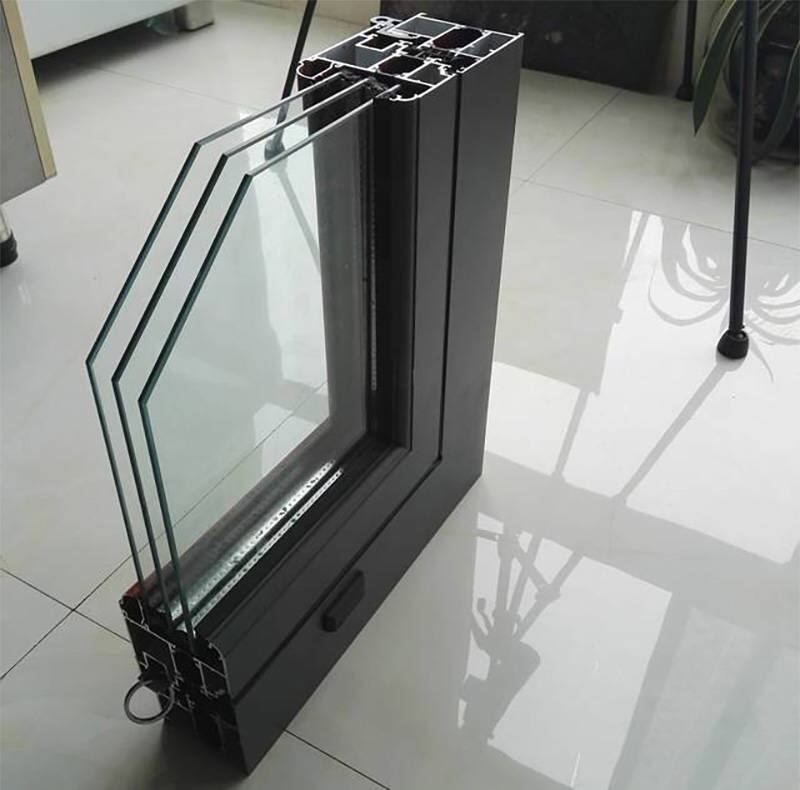
شیشه ایمنی لامینه در کاربردهای مدرن ساختمانسازی و خودروسازی اهمیت فزایندهای یافته است، اما بسیاری از طراحان و مشخصاتدهندگان درباره قابلیتهای محافظتی آن در برابر اشعه فرابنفش (UV) سؤال میکنند. پرسش اینکه آیا شیشه ایمنی لامینه مزایایی در بلوکه کردن اشعه فرابنفش دارد، بهویژه برای معماران، مهندسان و مدیران تأسیسات که نیاز دارند ساکنان ساختمان و مواد داخلی را در برابر تابش خطرناک خورشیدی محافظت کنند — در حالی که شفافیت و استانداردهای ایمنی حفظ شوند — از اهمیت ویژهای برخوردار است.
پاسخ قطعاً بله است — شیشه ایمنی لامینهشده مزایای قابلتوجهی در زمینه مسدود کردن پرتوهای فرابنفش (UV) نسبت به شیشه آنیل شده استاندارد ارائه میدهد. این قابلیت محافظتی از لایه میانی پلیوینیل بوتیرال (PVB) ناشی میشود که صفحات شیشه را به هم متصل میکند و بهطور طبیعی بخش عمدهای از تابشهای فرابنفش را فیلتر میکند. درک این مزایای مسدودکنندگی فرابنفش به متخصصان کمک میکند تا تصمیمات آگاهانهای درباره مشخصات شیشهکاری برای پروژههایی اتخاذ کنند که در آنها حفاظت از ساکنین و حفظ مواد از اهمیت بالایی برخوردار است.
درک تابش فرابنفش و خواص عبور نور از شیشه
ماهیت تابش فرابنفش
تابش فرابنفش از امواج الکترومغناطیسی با طولموج کوتاهتر از نور مرئی تشکیل شده است و معمولاً به سه محدوده UV-A (۳۱۵ تا ۴۰۰ نانومتر)، UV-B (۲۸۰ تا ۳۱۵ نانومتر) و UV-C (۱۰۰ تا ۲۸۰ نانومتر) تقسیم میشود. در کاربردهای معماری و خودروسازی، تابش UV-A و UV-B بیشترین نگرانیها را ایجاد میکنند، زیرا این امواج قادر به نفوذ از جو هستند و میتوانند آسیب قابل توجهی به سلامت انسان و مواد وارد کنند. شیشه شفاف معمولی معمولاً بیشترین بخش تابش UV-B را مسدود میکند، اما مقدار قابل توجهی از تابش UV-A را از خود عبور میدهد؛ بنابراین در بسیاری از کاربردها نیاز به محافظت تقویتشده احساس میشود.
ویژگیهای عبور تابش فرابنفش در انواع مختلف شیشه بهطور قابل توجهی متفاوت است. شیشه آنیلشده معمولی حدود ۷۵٪ از تابش فرابنفش را مسدود میکند، در حالی که شیشه ایمنی لامینیتشده میتواند تا ۹۹٪ از پرتوهای مضر فرابنفش را جذب یا مسدود کند. این بهبود چشمگیر به دلیل این واقعیت رخ میدهد که لایه میانی PVB بهعنوان یک فیلتر طبیعی فرابنفش عمل میکند و تابشی را جذب میکند که در غیر این صورت از سیستمهای شیشهگذاری معمولی عبور میکرد.
تأثیر ساختار شیشه ایمنی لامینه بر عبور اشعه فرابنفش
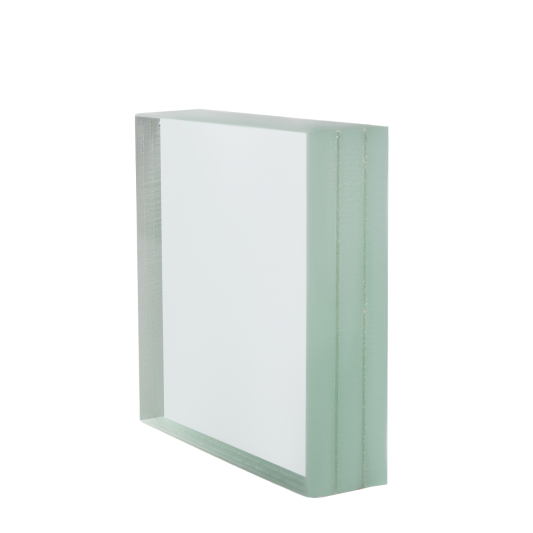
ساخت و ساز شیشه ایمنی لامینات این فرآیند شامل چسباندن دو یا چند صفحه شیشه با یک لایه میانی پلیمری تحت تأثیر حرارت و فشار است. این لایه میانی که معمولاً از پلیوینیل بوتیرال ساخته میشود، دارای خواص ذاتی جذبکنندگی اشعه فرابنفش بوده و بهطور قابلتوجهی عبور اشعه فرابنفش را کاهش میدهد. ضخامت و ترکیب لایه میانی بهطور مستقیم بر میزان محافظت در برابر اشعه فرابنفش تأثیر میگذارد؛ بهطوریکه لایههای ضخیمتر عموماً قابلیت فیلترکردن بالاتری ارائه میدهند.
عوامل متعددی در ساختار شیشه ایمنی لامینه بر عملکرد آن در مسدود کردن اشعه فرابنفش تأثیرگذار هستند. خود شیشه ارائهدهنده محافظت پایه در برابر اشعه فرابنفش است، در حالی که لایه میانی PVB فیلتراسیون اضافی قابلتوجهی را فراهم میکند. برخی از تولیدکنندگان همچنین افزودنیهای جذبکننده اشعه فرابنفش را در خود شیشه یا لایه میانی تعبیه میکنند تا سطح محافظت را بیشتر ارتقا دهند. این رویکرد چندلایه، سیستمی شیشهای را ایجاد میکند که ضمن حفظ شفافیت نوری، عبور پرتوهای مضر را بهطور چشمگیری کاهش میدهد.
سنجش عملکرد مسدودکنندگی اشعه فرابنفش در سیستمهای لامینه
استانداردهای اندازهگیری و پروتکلهای آزمون
عملکرد مسدودکنندگی اشعه فرابنفش در شیشه ایمنی لامینه با استفاده از پروتکلهای استاندارد آزمون که نرخ عبور اشعه در طیف فرابنفش را ارزیابی میکنند، اندازهگیری میشود. استانداردهای ASTM E903 و ISO 9050 روشهای بینالمللی شناختهشدهای برای تعیین خواص نوری خورشیدی، از جمله نرخ عبور اشعه فرابنفش، ارائه میدهند. این آزمونها درصد اشعه فرابنفشی را که از سیستم شیشهگذاری عبور میکند، اندازهگیری میکنند و امکان مقایسه دقیق بین انواع مختلف شیشه و پیکربندیهای آن را فراهم میسازند.
آزمون معمولاً شامل قرار دادن نمونههای شیشه در معرض منابع کنترلشده اشعه فرابنفش و اندازهگیری انرژی عبوری در محدودههای طول موج مشخص است. نتایج به صورت درصد عبور بیان میشوند؛ بهطوریکه اعداد پایینتر نشاندهنده عملکرد بهتر در مسدودکردن اشعه فرابنفش هستند. شیشه ایمنی لامینه با کیفیت محصولات معمولاً نرخ عبور اشعه فرابنفشی برابر با ۱٪ یا کمتر دارد، یعنی حداقل ۹۹٪ از اشعه فرابنفش مضر را مسدود میکند.
عملکرد مقایسهای در برابر گزینههای جایگزین شیشهکاری
در مقایسهٔ قابلیتهای مسدودکنندگی اشعهٔ فرابنفش (UV)، شیشهٔ ایمنی لامینیتشده عملکردی بسیار بهتر از اکثر گزینههای جایگزین شیشهکاری دارد. شیشهٔ تکبرگ آنیلشده معمولاً ۲۰ تا ۲۵ درصد از اشعهٔ فرابنفش را عبور میدهد، در حالی که واحدهای استاندارد شیشهای عایقبندیشده بدون پوششهای ویژه ممکن است ۱۵ تا ۲۰ درصد از این اشعه را عبور دهند. حتی برخی از سیستمهای شیشهای با پوشش کمتابندگی (Low-E) نیز ممکن است تنها ۱۰ تا ۱۵ درصد از اشعهٔ فرابنفش را مسدود کنند؛ بنابراین شیشهٔ ایمنی لامینیتشده انتخابی برتر برای کاربردهایی است که حداکثر محافظت در برابر اشعهٔ فرابنفش مورد نیاز باشد.
مزیت عملکردی این شیشه هنگام بررسی پایداری بلندمدت، حتی بارزتر میشود. در حالی که برخی از فیلمها و پوششهای مسدودکنندهٔ اشعهٔ فرابنفش ممکن است در طول زمان به دلیل قرارگیری در معرض عوامل محیطی و فرسایش تخریب شوند، لایهٔ میانی PVB در شیشهٔ ایمنی لامینیتشده خواص فیلترکنندگی اشعهٔ فرابنفش را در طول عمر کاری محصول حفظ میکند. این دوام، تضمینکنندهٔ محافظت پایدار و بدون نیاز به تعویض یا نگهداری از اجزای مسدودکنندهٔ اشعهٔ فرابنفش است.
کاربردهای عملی و مزایای محافظت در برابر اشعههای فرابنفش
محافظت از سلامت در فضاهای اشغالشده
مزایای مسدودکنندگی اشعههای فرابنفش در شیشه ایمنی لامینه، منجر به مزایای قابلتوجهی برای سلامت ساکنان ساختمانها و سرنشینان وسایل نقلیه میشود. قرارگیری طولانیمدت در معرض تابشهای فرابنفش نوع A (UV-A) میتواند باعث پیری پوست، آسیب به چشم و افزایش خطر ابتلا به سرطان پوست شود، حتی زمانی که این تابشها از طریق پنجرههای شیشهای معمولی عبور کنند. با مسدود کردن تا ۹۹ درصد از اشعههای فرابنفش مضر، شیشه ایمنی لامینه محیطهای داخلی ایمنتری ایجاد میکند که در آن افراد میتوانند با کاهش خطرات ناشی از قرارگیری در معرض این اشعهها، هم کار کنند و هم زندگی کنند.
مراکز بهداشتی و درمانی، مؤسسات آموزشی و ساختمانهای اداری بهویژه از محافظت در برابر اشعههای فرابنفش که توسط شیشه ایمنی لامینه فراهم میشود، بهرهمند میگردند. در این محیطها، ساکنان ممکن است دورههای طولانیتری را در مجاورت سطوح شیشهای گسترده سپری کنند؛ بنابراین قرارگیری در معرض اشعههای فرابنفش یک نگرانی واقعی محسوب میشود. این محافظت افزایشیافته به مدیران امکانات کمک میکند تا استانداردهای سلامت شغلی را رعایت کنند و در عین حال فضاهایی راحت و روشنشده بهصورت طبیعی فراهم آورند که به افزایش بهرهوری و رفاه افراد کمک میکند.
حفاظت از مواد و تزئینات داخلی
فراتر از ملاحظات مربوط به سلامت انسان، خواص مسدودکنندگی اشعهی فرابنفش (UV) شیشهی ایمنی لامینه، مزایای اقتصادی قابلتوجهی را از طریق حفاظت از مواد فراهم میکند. تابش اشعهی فرابنفش باعث کمرنگشدن، تخریب و فرسایش پارچهها، آثار هنری، کفپوشها و مبلمان میشود. موزهها، فضاهای خردهفروشی و امکانات تجاری پربرند از شیشهی ایمنی لامینه برای محافظت از مجموعهها و کالاهای ارزشمند خود در برابر آسیبهای ناشی از اشعهی فرابنفش — که ممکن است منجر به زیانهای مالی قابلتوجهی شوند — استفاده میکنند.
مزایای محافظتی این شیشه به انواع مختلف موادی که معمولاً در محیطهای داخلی تجاری و مسکونی یافت میشوند نیز گسترش مییابد. فرشها، پوششهای مبلمان، روکشهای چوبی و پلاستیکها همگی تحت تأثیر تابش اشعهی فرابنفش قرار گرفته و دچار تغییر رنگ، شکنندگی و تخریب ساختاری میشوند. شیشه ایمنی لامینات این ویژگی به حفظ ظاهر و یکپارچگی این مواد کمک میکند و هزینههای جایگزینی را کاهش داده و عمر خدماتی آنها را بهطور قابلتوجهی نسبت به فضاهایی که با محصولات شیشهای معمولی شیشهبندی شدهاند افزایش میدهد.
ملاحظات فنی برای بهینهسازی محافظت در برابر اشعهی فرابنفش (UV)
انتخاب و سفارشیسازی لایهی میانی
اگرچه لایههای میانی استاندارد PVB حفاظت عالی اولیه در برابر اشعهی فرابنفش ارائه میدهند، اما فرمولاسیونهای تخصصی میتوانند عملکرد را برای کاربردهای خاص بهبود بخشند. لایهی میانی شفاف PVB معمولاً ۹۹ درصد از تابش فرابنفش را مسدود میکند، اما لایههای میانی رنگی یا فرمولهشده بهطور ویژه میتوانند سطح بالاتری از حفاظت را فراهم آورند و در عین حال مزایای زیباییشناختی یا کارکردی اضافی ایجاد کنند. برخی از تولیدکنندگان لایههای میانی را با جاذبهای فرابنفش پیشرفته ارائه میدهند که شفافیت بلورین را حفظ کرده و در عین حال عملکرد محافظتی را به حداکثر میرسانند.
ضخامت لایه میانی نیز بر اثربخشی مسدودکنندگی اشعه فرابنفش تأثیر میگذارد؛ بهطوریکه لایههای ضخیمتر عموماً حفاظت بهتری ارائه میدهند. با این حال، طراحان باید عملکرد در برابر اشعه فرابنفش را در مقابل سایر الزاماتی مانند عملکرد سازهای، خواص صوتی و کیفیت نوری متعادل کنند. مشاوران حرفهای شیشهکاری میتوانند در تعیین پیکربندی بهینه لایه میانی برای پروژههایی که در آنها حداکثر حفاظت در برابر اشعه فرابنفش ضروری است — در عین رعایت تمام معیارهای دیگر عملکردی — کمک کنند.
ملاحظات نصب و عملکرد
استفاده از روشهای نصب صحیح اطمینان حاصل میکند که شیشه ایمنی لامینه در طول کل عمر خدماتیاش، پتانسیل کامل مسدودکنندگی اشعه فرابنفش را داشته باشد. درزگیری لبهها، روشهای شیشهکاری سازهای و انتخاب قاب، همه اینها بر عملکرد کلی سیستم شیشهکاری تأثیر میگذارند. نصب حرفهای به جلوگیری از عبور اشعه فرابنفش از شکافها، درزها یا نواحی آسیبدیده کمک میکند که ممکن است مزایای محافظتی ساختار لامینه را تحت تأثیر قرار دهد.
پایش عملکرد بلندمدت ممکن است در کاربردهای حیاتی که محافظت از پرتوهای فرابنفش (UV) ضروری است، مفید باشد. اگرچه شیشه ایمنی لامینه ویژگیهای محافظتی خود را در طول دههها بهرهبرداری حفظ میکند، اما ارزیابی دورهای میتواند اثربخشی ادامهدار آن را تأیید کرده و هرگونه مشکل احتمالی را پیش از آنکه بر حفاظت ساکنان یا حفظ مواد تأثیر منفی بگذارد، شناسایی نماید. این رویکرد پیشگیرانه اطمینان حاصل میکند که مزایای مسدودکنندگی پرتوهای فرابنفش در طول کل عمر عملیاتی ساختمان، بهطور مداوم به ارائه مزایای مورد انتظار ادامه دهند.
سوالات متداول
شیشه ایمنی لامینه در مقایسه با شیشه معمولی چقدر از پرتوهای فرابنفش (UV) را مسدود میکند؟
شیشه ایمنی لامینه معمولاً ۹۹٪ یا بیشتر از پرتوهای فرابنفش مضر را مسدود میکند، در حالی که شیشه آنیله استاندارد تنها حدود ۷۵٪ از این پرتوها را مسدود میکند. این بهبود چشمگیر ناشی از لایه میانی PVB است که بهعنوان یک فیلتر طبیعی فرابنفش عمل میکند و محافظت قابلتوجهی را برای ساکنان و مواد داخلی فراهم میسازد.
آیا عملکرد مسدودکنندگی پرتوهای فرابنفش (UV) در شیشه ایمنی لامینه با گذشت زمان کاهش مییابد؟
خیر، خواص ضد UV شیشه ایمنی لامینه در طول عمر کاری محصول ثابت باقی میماند. برخلاف برخی از فیلمها یا پوششهای ضد UV که ممکن است به دلیل عوامل جوی تخریب شوند، لایه میانی PVB ویژگیهای محافظتی خود را برای دههها بدون نیاز به تعویض یا نگهداری حفظ میکند.
آیا شیشه ایمنی لامینه میتواند محافظت در برابر اشعه UV را فراهم کند در حالی که شفافیت نوری خود را حفظ میکند؟
بله، شیشه ایمنی لامینه محافظت عالی در برابر اشعه UV را فراهم میکند در حالی که شفافیت نوری بالا و عبور نور را نیز حفظ میکند. لایه میانی PVB اشعههای مضر UV را مسدود میکند بدون اینکه به طور قابل توجهی بر عبور نور مرئی تأثیر بگذارد؛ بنابراین هم روشنایی طبیعی را امکانپذیر میسازد و هم در برابر آسیبهای ناشی از اشعه فرابنفش محافظت میکند.
آیا شیشه ایمنی لامینه با قابلیت محافظت در برابر اشعه UV برای تمام جهتگیریهای ساختمان مناسب است؟
شیشه ایمنی لامینه شده، محافظت یکنواخت در برابر اشعههای فرابنفش (UV) را فراهم میکند، صرفنظر از جهتگیری ساختمان، و بنابراین برای تمام جهتهای نمای ساختمان مناسب است. با این حال، نصبهای رو به جنوب بهویژه از مزایای افزایشیافته مسدودکردن اشعههای UV بهرهمند میشوند، زیرا در طول روز بیشترین تابش خورشیدی شدید را دریافت میکنند و این امر مزایای محافظتی آن را برای ساکنان و مواد داخلی ساختمان به حداکثر میرساند.
فهرست مطالب
- درک تابش فرابنفش و خواص عبور نور از شیشه
- سنجش عملکرد مسدودکنندگی اشعه فرابنفش در سیستمهای لامینه
- کاربردهای عملی و مزایای محافظت در برابر اشعههای فرابنفش
- ملاحظات فنی برای بهینهسازی محافظت در برابر اشعهی فرابنفش (UV)
-
سوالات متداول
- شیشه ایمنی لامینه در مقایسه با شیشه معمولی چقدر از پرتوهای فرابنفش (UV) را مسدود میکند؟
- آیا عملکرد مسدودکنندگی پرتوهای فرابنفش (UV) در شیشه ایمنی لامینه با گذشت زمان کاهش مییابد؟
- آیا شیشه ایمنی لامینه میتواند محافظت در برابر اشعه UV را فراهم کند در حالی که شفافیت نوری خود را حفظ میکند؟
- آیا شیشه ایمنی لامینه با قابلیت محافظت در برابر اشعه UV برای تمام جهتگیریهای ساختمان مناسب است؟