EN
EN


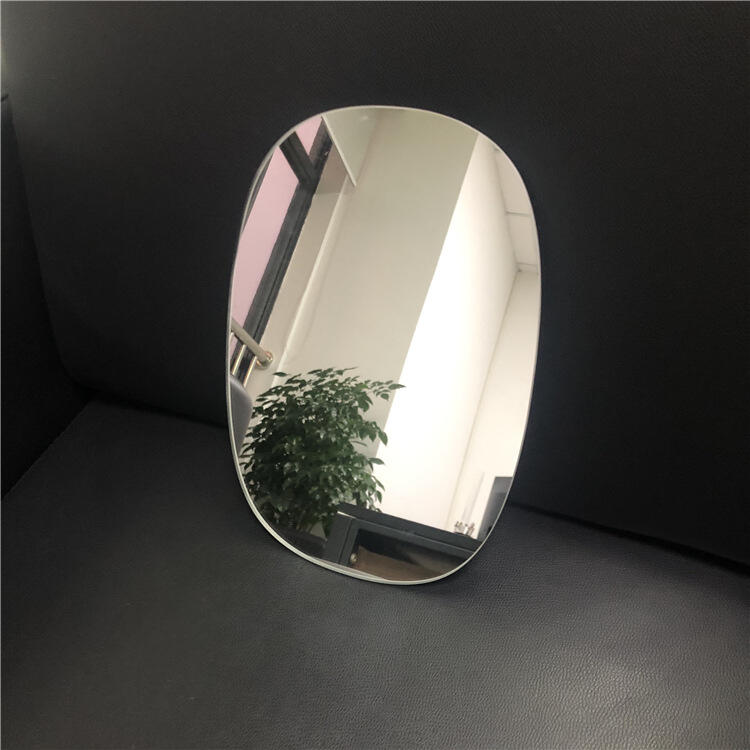
Ultra-clear glass represents a significant advancement in transparency technology, offering superior optical clarity compared to conventional glass materials. In display projects where visual precision and color accuracy are paramount, the question of whether ultra-clear glass truly enhances transparency has become increasingly relevant for designers, architects, and display manufacturers seeking optimal visual performance.
The answer is definitively yes, with ultra-clear glass demonstrating measurably superior transparency characteristics that directly impact display quality, color reproduction, and overall visual experience. Through its advanced manufacturing process that removes iron oxide impurities, ultra-clear glass achieves transparency levels that can exceed 91% light transmission, compared to standard glass which typically ranges from 85% to 89% transparency.
Optical Properties That Define Enhanced Transparency
Light Transmission Performance
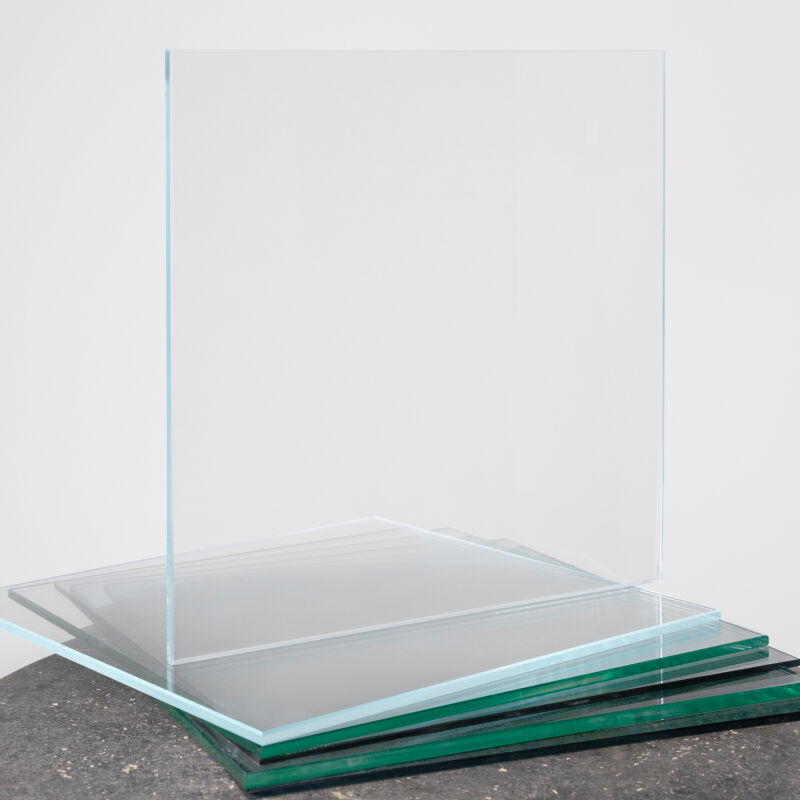
Ultra-clear glass achieves exceptional light transmission rates through the systematic removal of iron oxide content during manufacturing. Standard float glass contains approximately 0.1% iron oxide, which creates a greenish tint that becomes more pronounced with increased thickness. Ultra-clear glass reduces iron oxide content to less than 0.015%, resulting in transmission rates of 91% or higher for 10mm thickness, compared to 89% for standard glass of equivalent thickness.
This enhanced transmission directly translates to improved brightness and clarity in display applications. The reduced absorption of light means that backlit displays, digital signage, and illuminated showcases benefit from increased luminous efficiency, requiring less energy to achieve desired brightness levels while maintaining superior visual quality throughout the display surface.
Color Neutrality and Accuracy
The removal of iron oxide impurities in ultra-clear glass eliminates the characteristic green tint that affects color perception in display projects. Standard glass introduces color distortion that becomes particularly noticeable when viewing white or light-colored content, creating a subtle but measurable shift toward green hues that can compromise color accuracy in critical applications.
Ultra-clear glass maintains color neutrality across the entire visible spectrum, ensuring that display content appears as intended without unwanted color casts. This characteristic proves essential in retail environments, museum displays, and digital signage where accurate color reproduction directly impacts viewer perception and brand representation. The neutral base allows for precise color calibration and consistent visual results across multiple display units.
Practical Applications in Display Projects
Digital Signage and Interactive Displays
Digital signage installations benefit significantly from ultra-clear glass implementation, particularly in high-ambient-light environments where transparency and brightness are critical factors. The enhanced light transmission of ultra-clear glass allows backlit displays to compete more effectively with surrounding illumination, maintaining readability and visual impact throughout varying lighting conditions.
Interactive touch displays gain additional advantages from ultra-clear glass, as the improved optical clarity enhances touch sensitivity and reduces visual interference between the glass surface and underlying display technology. The neutral color properties ensure that touch interface elements appear with accurate colors, supporting intuitive user interaction and professional presentation quality.
Retail and Commercial Display Cases
Retail display applications demonstrate some of the most dramatic improvements when incorporating ultra-clear glass instead of standard glass materials. Product showcases, jewelry displays, and high-end merchandise presentations achieve enhanced visual appeal through the superior transparency that allows customers to view products with minimal optical interference.
The enhanced transparency of ultra-clear glass creates an almost invisible barrier between viewers and displayed products, reducing the visual presence of the glass itself while maintaining full protection and security. This characteristic proves particularly valuable in luxury retail environments where product presentation quality directly influences purchasing decisions and brand perception.
Technical Performance Comparison
Measurable Transparency Improvements
Laboratory testing consistently demonstrates the superior performance of ultra-clear glass in transparency metrics relevant to display applications. Standard glass typically achieves 85-89% light transmission depending on thickness and manufacturing quality, while ultra-clear glass maintains 91-92% transmission even at greater thicknesses, providing a measurable 3-4% improvement in optical performance.
This improvement translates to tangible benefits in display brightness and energy efficiency. A 4% increase in light transmission can reduce backlighting power requirements by equivalent amounts while maintaining the same perceived brightness, or alternatively, provide noticeably brighter displays at identical power consumption levels. For large-scale display installations, these efficiency gains compound into significant operational advantages.
Clarity Under Various Viewing Conditions
Ultra-clear glass maintains superior transparency performance across different viewing angles and lighting conditions that affect display projects. The reduced iron content minimizes light absorption and scattering, resulting in clearer images when viewed from oblique angles compared to standard glass alternatives.
Outdoor display applications particularly benefit from the enhanced clarity of ultra-clear glass, as the superior light transmission helps combat solar loading and ambient light interference. The neutral color properties ensure that display content remains visually accurate even under challenging lighting conditions where standard glass might introduce unwanted color shifts or reduce overall visibility.
Installation and Design Considerations
Structural Performance Requirements
Ultra-clear glass maintains identical structural properties to standard float glass of equivalent thickness, ensuring that transparency enhancements do not compromise mechanical performance in display applications. Load-bearing capacity, impact resistance, and thermal performance remain consistent, allowing designers to specify ultra-clear glass without modifying structural calculations or installation procedures.
The manufacturing process used to produce ultra-clear glass follows the same float glass methodology as standard products, resulting in equivalent dimensional accuracy, flatness, and edge quality. This consistency ensures compatibility with existing glazing systems, frame designs, and installation hardware commonly used in display project construction.
Cost-Benefit Analysis for Display Projects
While ultra-clear glass typically commands a premium over standard glass materials, the performance benefits often justify the additional investment in display applications where visual quality directly impacts project success. The enhanced transparency can reduce backlighting requirements, potentially offsetting glass cost increases through lower electrical infrastructure and ongoing energy expenses.
Long-term maintenance benefits also contribute to the value proposition of ultra-clear glass in display projects. The superior optical properties maintain their performance characteristics throughout the service life of the installation, ensuring consistent display quality without degradation that might require premature replacement or system upgrades to maintain visual standards.
FAQ
How much more transparent is ultra-clear glass compared to standard glass?
Ultra-clear glass typically achieves 91-92% light transmission compared to 85-89% for standard glass, representing a 3-4% improvement in transparency. This translates to noticeably brighter displays and improved color accuracy, particularly important in professional display applications where visual quality is critical.
Does ultra-clear glass affect the durability of display installations?
Ultra-clear glass maintains identical structural properties and durability characteristics as standard float glass of equivalent thickness. The manufacturing process only removes iron oxide impurities without affecting mechanical strength, thermal performance, or impact resistance, ensuring reliable long-term performance in display applications.
Can ultra-clear glass reduce energy consumption in backlit displays?
Yes, the enhanced light transmission of ultra-clear glass can reduce backlighting power requirements by 3-4% while maintaining equivalent brightness levels. For large-scale display installations, this efficiency improvement can result in meaningful energy savings and reduced operational costs over the system lifetime.
Is the cost premium of ultra-clear glass justified for all display projects?
The cost-benefit analysis depends on application requirements and visual quality standards. Premium display projects, retail showcases, and professional installations where color accuracy and brightness are critical typically justify the additional investment through improved visual performance and potential energy savings from enhanced light transmission.