EN
EN


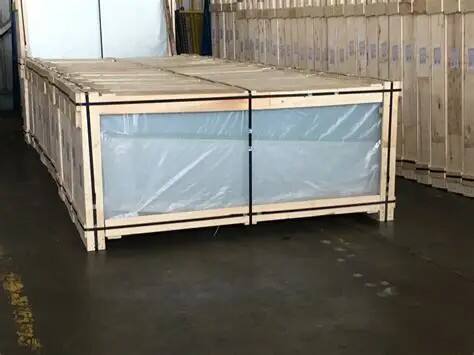
Manufacturing ultra-clear glass with consistent quality requires sophisticated production control systems that monitor every aspect of the glass-making process. Manufacturers implement rigorous quality assurance protocols to ensure each batch of ultra-clear glass meets strict optical and structural specifications. The guarantee of consistency in ultra-clear glass production relies on precise raw material selection, controlled melting environments, and continuous monitoring throughout the entire manufacturing cycle.
The challenge of maintaining uniformity in ultra-clear glass production stems from the complex interplay of temperature control, chemical composition management, and physical processing parameters. Modern manufacturers employ advanced automation systems and real-time quality monitoring to eliminate variations that could compromise the exceptional clarity and performance characteristics that define ultra-clear glass. Understanding how these consistency mechanisms work provides insight into the technical excellence required for premium glass manufacturing.
Raw Material Control and Chemical Consistency
Precision in Silica Sand Selection
The foundation of consistent ultra-clear glass begins with meticulously selected raw materials, particularly high-purity silica sand with minimal iron content. Manufacturers maintain strict specifications for silica sand quality, typically requiring iron oxide levels below 0.01% to achieve the exceptional clarity that characterizes ultra-clear glass. Each batch of sand undergoes comprehensive chemical analysis to verify purity levels and identify any contaminants that could affect glass clarity or introduce color variations.
Quality control laboratories analyze multiple samples from each silica sand delivery, testing for particle size distribution, chemical composition, and trace element content. This rigorous incoming material inspection ensures that only sand meeting ultra-clear glass specifications enters the production process. Manufacturers often maintain relationships with specialized sand suppliers who can consistently deliver the high-purity materials required for ultra-clear glass manufacturing.
Flux Material Standardization
Beyond silica sand, manufacturers carefully control the quality and proportions of flux materials including soda ash, limestone, and dolomite. Each flux material must meet stringent purity requirements to prevent introducing impurities that could compromise ultra-clear glass clarity. Automated batching systems measure and mix these materials according to precise formulations that have been optimized for ultra-clear glass production.
The consistency of flux material proportions directly impacts the melting characteristics and final properties of ultra-clear glass. Manufacturers employ statistical process control methods to monitor batch composition variations and make real-time adjustments to maintain the exact chemical balance required for consistent ultra-clear glass quality. Advanced mixing systems ensure homogeneous distribution of all raw materials before they enter the melting furnace.
Furnace Operation and Thermal Management
Temperature Profile Optimization
Maintaining consistent temperature profiles throughout the glass melting furnace represents a critical factor in ultra-clear glass quality control. Modern furnaces utilize sophisticated combustion control systems that monitor and adjust flame temperature, oxygen levels, and heat distribution to maintain optimal melting conditions. These systems prevent temperature fluctuations that could create stress patterns or optical distortions in the finished ultra-clear glass.
Temperature monitoring systems track thermal conditions at multiple points throughout the furnace, from the raw material charging area through the refining and conditioning zones. This comprehensive thermal management ensures that ultra-clear glass achieves complete homogenization during melting while avoiding overheating that could introduce bubbles or other defects. Automated control systems make continuous micro-adjustments to maintain the precise thermal environment required for consistent ultra-clear glass production.
Atmosphere Control and Oxidation Management
The furnace atmosphere plays a crucial role in determining the final color and clarity of ultra-clear glass. Manufacturers carefully control the oxidation state of the furnace environment to minimize iron reduction, which could introduce unwanted green coloration. Advanced atmosphere monitoring systems track oxygen levels and combustion efficiency to maintain the optimal chemical environment for ultra-clear glass melting.
Precise control of furnace atmosphere also prevents the formation of reducing conditions that could create metallic inclusions or other defects in ultra-clear glass. Modern furnaces employ computer-controlled combustion systems that automatically adjust air-to-fuel ratios based on real-time atmosphere measurements. This level of environmental control ensures that each batch of ultra-clear glass achieves the same exceptional optical properties.
Float Process Control and Surface Quality
Tin Bath Management
The float process used to manufacture ultra-clear glass requires extremely precise control of the molten tin bath to ensure consistent surface quality and thickness uniformity. Manufacturers maintain the tin bath at carefully controlled temperatures and protect it from atmospheric contamination that could affect the surface quality of ultra-clear glass. Advanced monitoring systems track tin bath conditions continuously to prevent variations that could compromise glass quality.
Temperature gradients across the tin bath must be maintained within narrow tolerances to ensure uniform cooling and stress distribution in ultra-clear glass. Computerized control systems monitor multiple temperature zones and make automatic adjustments to heating elements to maintain optimal thermal profiles. This precise thermal management prevents the formation of optical distortions or stress patterns that could affect the performance of ultra-clear glass applications.
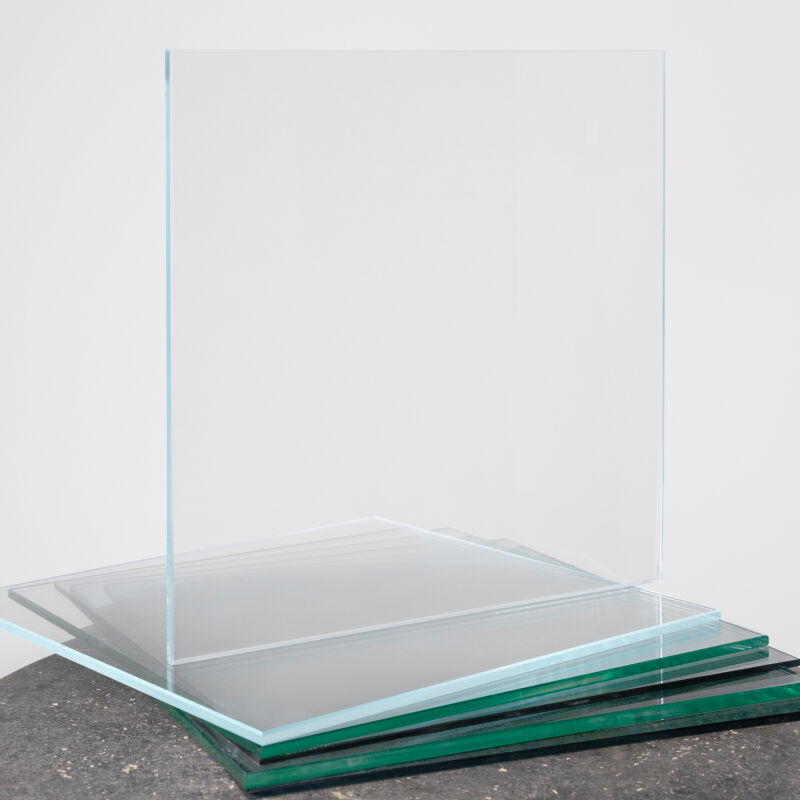
Thickness Control and Dimensional Consistency
Achieving consistent thickness across the width and length of ultra-clear glass sheets requires sophisticated process control during the float operation. Manufacturers employ laser-based thickness monitoring systems that provide real-time feedback on glass dimensions as it forms on the tin bath. These systems enable immediate corrections to maintain thickness tolerances within the specifications required for ultra-clear glass applications.
Edge thickness control represents a particular challenge in ultra-clear glass manufacturing, as variations at the sheet edges can affect cutting efficiency and final product quality. Advanced edge heating and cooling systems maintain uniform thermal conditions across the full width of the glass sheet, ensuring consistent thickness and stress distribution. This level of dimensional control ensures that ultra-clear glass meets the precise specifications required for demanding architectural and industrial applications.
Quality Monitoring and Statistical Process Control
Real-Time Optical Testing
Modern ultra-clear glass manufacturers employ sophisticated optical testing equipment that continuously monitors glass clarity, color, and optical properties during production. These systems use spectrophotometric analysis to measure light transmission characteristics and detect any variations from ultra-clear glass specifications. Automated testing equipment can identify quality deviations in real-time, allowing for immediate process adjustments to maintain consistency.
Online optical monitoring systems measure critical parameters including visible light transmission, solar heat gain coefficient, and color coordinates for each section of ultra-clear glass produced. This continuous quality assessment ensures that every square meter of glass meets the stringent optical requirements that define ultra-clear glass performance. Data from these monitoring systems feeds back to process control computers that can make automatic adjustments to maintain optimal production conditions.
Statistical Quality Control Implementation
Manufacturers implement comprehensive statistical process control programs to track quality trends and identify potential issues before they affect ultra-clear glass consistency. These programs analyze data from multiple measurement points throughout the production process, using statistical methods to detect patterns that might indicate process drift or equipment degradation. Regular statistical analysis helps maintain the tight quality control necessary for consistent ultra-clear glass production.
Control charts track key quality parameters over time, allowing quality engineers to identify trends and implement preventive measures before quality variations occur. This proactive approach to quality management ensures that ultra-clear glass maintains consistent properties batch after batch. Advanced data analysis systems can correlate quality variations with specific process parameters, enabling targeted improvements to manufacturing consistency.
Automated Process Control and Industry 4.0 Integration
Digital Manufacturing Systems
Leading ultra-clear glass manufacturers have implemented comprehensive digital manufacturing systems that integrate all aspects of production control into unified platforms. These Industry 4.0 technologies enable real-time monitoring and control of every parameter that affects ultra-clear glass quality, from raw material batching through final inspection. Integrated control systems can make instantaneous adjustments to maintain optimal production conditions and prevent quality variations.
Machine learning algorithms analyze historical production data to identify optimal parameter settings for consistent ultra-clear glass manufacturing. These systems can predict potential quality issues based on subtle process variations and recommend preventive actions to maintain consistency. The integration of artificial intelligence into ultra-clear glass production control represents the cutting edge of manufacturing technology, enabling unprecedented levels of quality control and consistency.
Predictive Maintenance and Equipment Reliability
Consistent ultra-clear glass production depends heavily on reliable equipment operation, making predictive maintenance programs essential for quality assurance. Advanced monitoring systems track equipment performance parameters and use predictive algorithms to identify maintenance needs before equipment failures can affect glass quality. This proactive maintenance approach prevents unexpected downtime and quality variations that could compromise ultra-clear glass consistency.
Vibration analysis, thermal imaging, and other diagnostic technologies continuously monitor critical equipment components to detect early signs of wear or degradation. By addressing maintenance needs before they impact production, manufacturers can maintain the stable operating conditions necessary for consistent ultra-clear glass manufacturing. Regular equipment calibration and preventive maintenance schedules ensure that all systems continue to operate within the specifications required for ultra-clear glass production.
FAQ
What specific testing methods verify ultra-clear glass consistency during production?
Manufacturers use spectrophotometric analysis to measure light transmission and color properties, laser interferometry to check surface flatness, and stress analysis equipment to verify internal stress patterns. These testing methods provide quantitative measurements that ensure each batch of ultra-clear glass meets identical specifications for optical clarity and physical properties.
How do manufacturers prevent contamination that could affect ultra-clear glass clarity?
Contamination prevention involves strict raw material screening, controlled furnace atmospheres, and clean room protocols in critical production areas. Advanced filtration systems remove particulates from incoming materials, while positive pressure environments and specialized handling equipment prevent contamination during ultra-clear glass processing and finishing operations.
What role does computer automation play in maintaining ultra-clear glass consistency?
Computer automation systems monitor thousands of process parameters simultaneously and make real-time adjustments to maintain optimal conditions for ultra-clear glass production. These systems eliminate human error variability and respond faster than manual controls to maintain the precise conditions necessary for consistent glass quality throughout continuous production runs.
How frequently do manufacturers calibrate equipment used in ultra-clear glass production?
Critical measurement and control equipment typically undergoes calibration on weekly or monthly schedules, depending on the specific parameter being measured and the stability requirements for ultra-clear glass production. Temperature sensors, optical measurement devices, and thickness gauges receive the most frequent calibration to ensure accurate feedback for process control systems.
Table of Contents
- Raw Material Control and Chemical Consistency
- Furnace Operation and Thermal Management
- Float Process Control and Surface Quality
- Quality Monitoring and Statistical Process Control
- Automated Process Control and Industry 4.0 Integration
-
FAQ
- What specific testing methods verify ultra-clear glass consistency during production?
- How do manufacturers prevent contamination that could affect ultra-clear glass clarity?
- What role does computer automation play in maintaining ultra-clear glass consistency?
- How frequently do manufacturers calibrate equipment used in ultra-clear glass production?