EN
EN


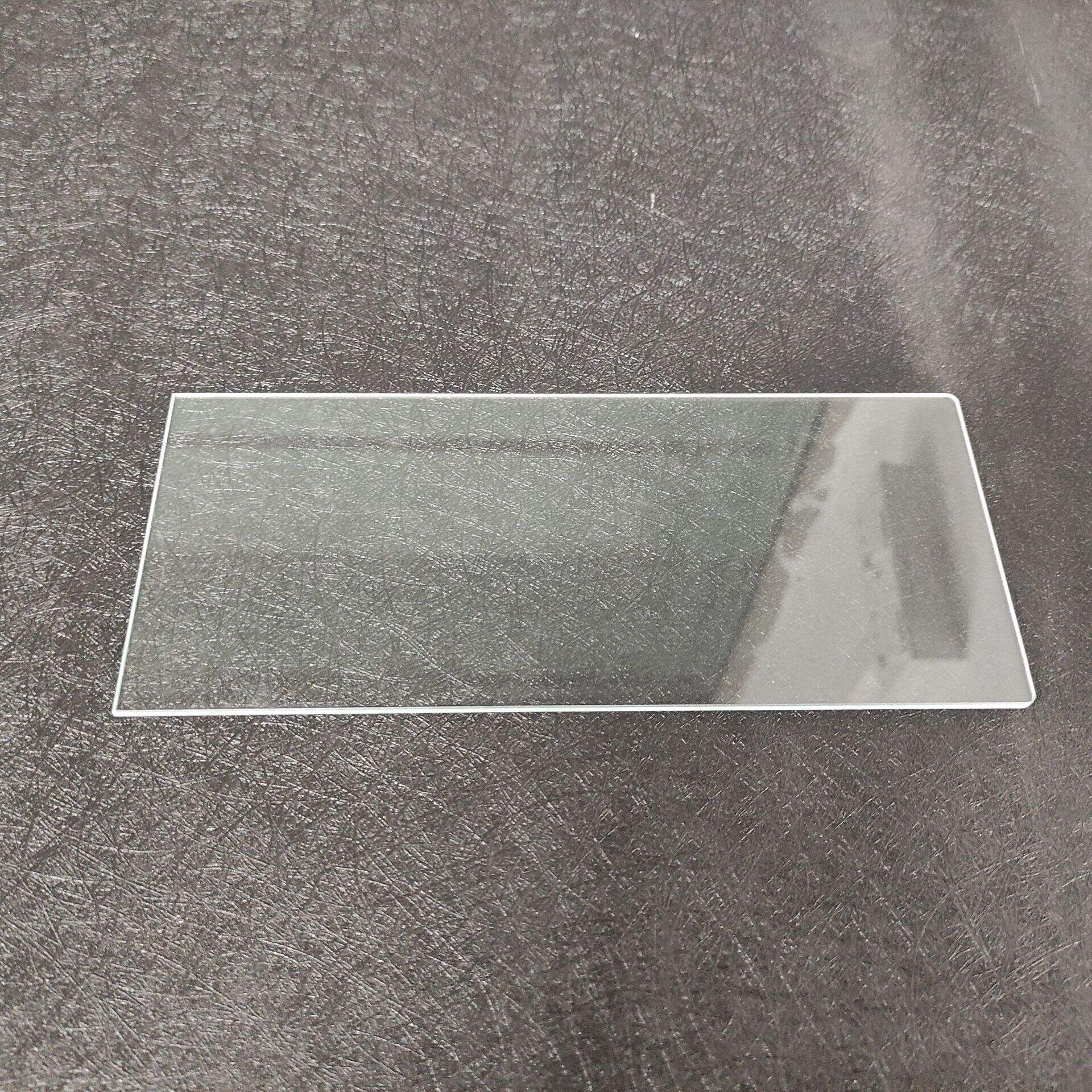
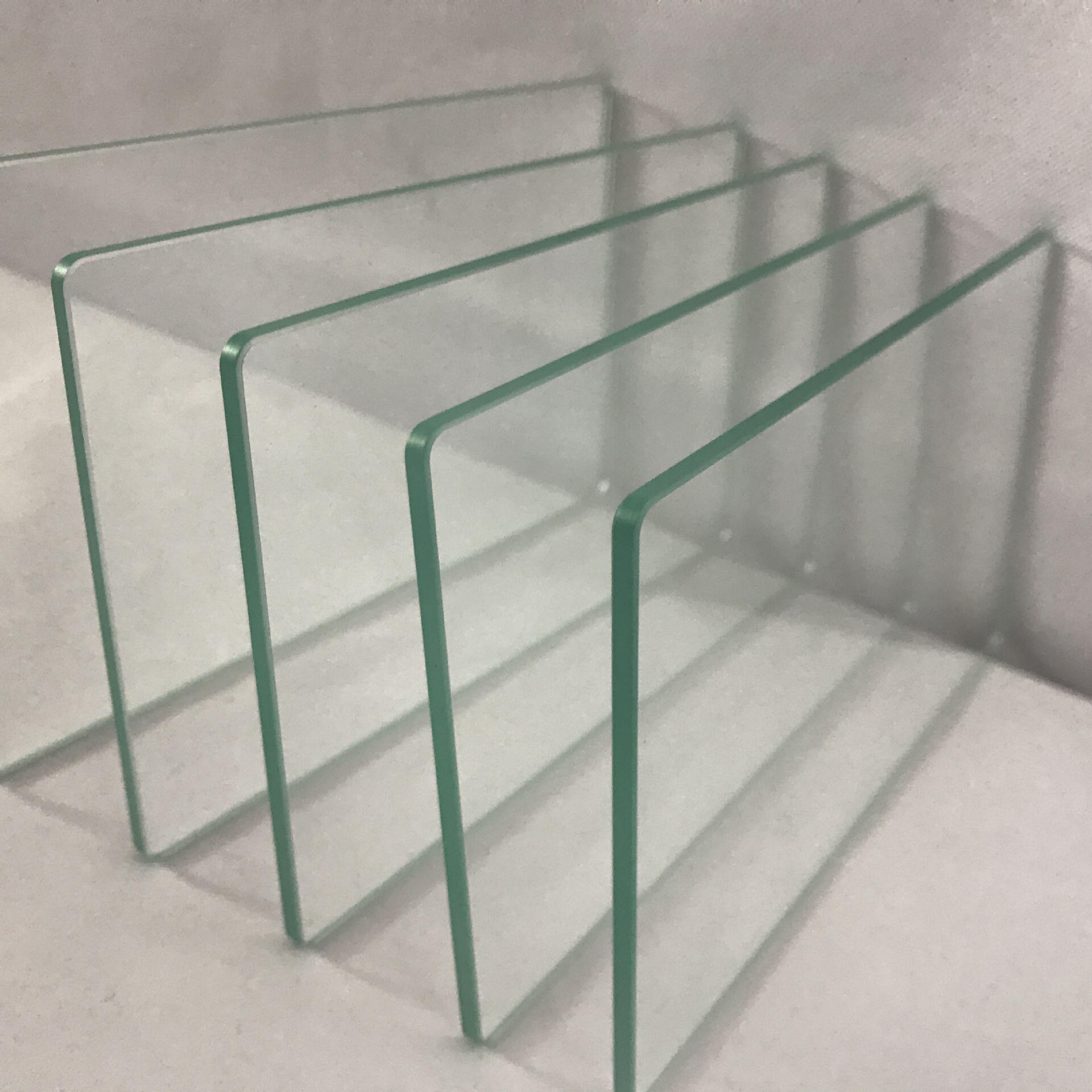
The architectural industry has witnessed remarkable advancements in glazing technology, with ultra clear glass emerging as a revolutionary material that transforms the aesthetic and functional aspects of modern construction. This exceptional glass type represents a significant departure from conventional float glass, offering unparalleled optical clarity that eliminates the greenish tint typically associated with standard glazing materials. Architects, designers, and construction professionals increasingly recognize ultra clear glass as an essential component for projects demanding pristine visual transparency and sophisticated environmental performance.
The manufacturing process behind ultra clear glass involves sophisticated techniques that significantly reduce iron content compared to traditional float glass production methods. This reduction in ferrous materials directly impacts the glass's light transmission properties, creating a crystal-clear medium that allows maximum natural illumination while maintaining structural integrity. The resulting product exhibits exceptional color neutrality, making it ideal for applications where accurate color representation and visual continuity are paramount to architectural success.
Composition and Manufacturing Excellence
Raw Material Selection and Processing
The foundation of superior ultra clear glass lies in meticulous raw material selection, particularly the choice of low-iron silica sand that forms the primary component of the glass matrix. Manufacturers employ specialized purification processes to eliminate impurities that could compromise optical clarity, ensuring that each batch meets stringent quality standards. The precise control of iron oxide content, typically reduced to less than 0.01%, distinguishes ultra clear glass from conventional alternatives and directly influences its exceptional light transmission characteristics.
Advanced furnace technologies operate at precisely controlled temperatures to achieve optimal melting conditions while preventing contamination that could affect the glass's clarity. The entire production process incorporates sophisticated monitoring systems that track chemical composition, temperature gradients, and cooling rates to ensure consistent quality throughout manufacturing. These technological innovations enable producers to maintain the exacting standards required for architectural applications where visual perfection cannot be compromised.
Quality Control and Certification Standards
Rigorous testing protocols govern every stage of ultra clear glass production, from initial raw material analysis to final product evaluation. Optical transmission measurements, stress testing, and dimensional accuracy assessments form integral components of the quality assurance process. International standards such as ASTM C1036 and EN 572 provide benchmarks for evaluating glass performance, ensuring that ultra clear glass products meet or exceed industry requirements for architectural applications.
Manufacturers implement comprehensive documentation systems that track each production batch, creating detailed quality records that support project specifications and regulatory compliance. These certification processes enable architects and contractors to specify ultra clear glass with confidence, knowing that performance characteristics have been thoroughly validated through independent testing procedures.
Optical Performance and Light Transmission
Superior Clarity Characteristics
The optical properties of ultra clear glass represent a quantum leap in glazing technology, achieving light transmission rates that frequently exceed 91% compared to approximately 83% for standard float glass. This enhanced transparency creates architectural environments with exceptional visual connectivity between interior and exterior spaces, maximizing the benefits of natural daylight while reducing artificial lighting requirements.
Color neutrality represents another crucial advantage of ultra clear glass, eliminating the greenish cast that characterizes conventional glazing materials. This neutral optical profile ensures accurate color representation for both transmitted and reflected light, making it particularly valuable for retail environments, art galleries, and residential applications where color fidelity significantly impacts the user experience.
UV Transmission and Solar Performance
While ultra clear glass excels in visible light transmission, its UV transmission characteristics require careful consideration in architectural applications. The reduced iron content affects the glass's ability to filter ultraviolet radiation, potentially requiring additional coatings or laminated constructions to protect interior furnishings and occupants from excessive UV exposure. Modern ultra clear glass products often incorporate selective coatings that maintain optical clarity while providing enhanced UV protection.
Solar heat gain coefficients for ultra clear glass typically align with standard float glass values, though the enhanced light transmission may contribute to increased cooling loads in certain climatic conditions. Energy-efficient glazing systems often combine ultra clear glass with low-emissivity coatings or insulating glass unit configurations to optimize thermal performance while preserving the aesthetic benefits of exceptional clarity.
Architectural Applications and Design Integration
Commercial and Institutional Buildings
Contemporary commercial architecture increasingly incorporates ultra clear glass as a primary design element, particularly in office buildings, educational facilities, and healthcare environments where natural light quality directly impacts occupant productivity and well-being. The exceptional clarity of this glazing material enables architects to create expansive transparent facades that blur the boundaries between interior and exterior environments while maintaining structural performance requirements.
Retail applications benefit significantly from ultra clear glass installations, as the enhanced optical properties showcase merchandise with exceptional color accuracy and visual appeal. Department stores, boutiques, and showrooms utilize ultra clear glass storefronts to create inviting transparent barriers that attract customers while providing security and weather protection.
Residential Design Innovation
High-end residential projects increasingly specify ultra clear glass for windows, doors, and architectural features where visual connection with landscape elements enhances the living experience. The material's superior clarity enables homeowners to enjoy unobstructed views while maintaining the thermal and acoustic performance required for comfortable interior environments.
Interior applications such as glass staircases, partitions, and decorative elements showcase the aesthetic potential of ultra clear glass in creating sophisticated spatial relationships. The material's neutral optical characteristics complement various design styles while providing structural functionality that meets building code requirements.
Technical Specifications and Performance Standards
Thickness Options and Structural Capabilities
Ultra clear glass products are available in multiple thickness configurations ranging from 3mm to 19mm, enabling architects to select appropriate specifications based on structural requirements, safety considerations, and aesthetic preferences. Thicker ultra clear glass sections provide enhanced structural capacity for large-span glazing systems while maintaining the optical clarity that distinguishes this material from conventional alternatives.
Load-bearing capabilities align with industry standards for float glass products of equivalent thickness, ensuring that ultra clear glass can fulfill structural glazing requirements without compromising architectural design intentions. Wind load resistance, thermal stress tolerance, and impact performance characteristics meet or exceed building code requirements for various glazing applications.
Processing and Fabrication Compatibility
The composition of ultra clear glass enables compatibility with standard glass processing techniques including tempering, laminating, and insulating glass unit assembly. Tempering processes enhance safety performance while preserving optical clarity, creating products suitable for applications requiring safety glazing compliance. Laminated ultra clear glass constructions combine exceptional transparency with enhanced security and acoustic performance characteristics.
Coating applications including low-emissivity films, solar control layers, and decorative treatments maintain compatibility with ultra clear glass substrates. These processing options enable architects to specify customized glazing solutions that balance aesthetic requirements with environmental performance objectives while preserving the fundamental clarity advantages of the base material.
Installation Considerations and Best Practices
Handling and Storage Requirements
The exceptional clarity of ultra clear glass necessitates enhanced handling protocols to prevent surface contamination or damage that could compromise optical performance. Installation teams require specialized training to recognize and address potential issues that might not significantly affect standard float glass but could impact the visual quality of ultra clear glass installations.
Storage environments must maintain appropriate temperature and humidity conditions while providing protection from dust, chemicals, and physical damage that could affect glass surfaces. Proper packaging systems and handling equipment ensure that ultra clear glass products arrive at installation sites in optimal condition for professional installation procedures.
Glazing System Integration
Successful ultra clear glass installations require careful coordination between glazing systems, structural supports, and weathersealing components to achieve optimal performance. Frame materials, glazing compounds, and installation hardware must complement the optical properties of ultra clear glass while providing long-term durability and weather resistance.
Thermal expansion considerations become particularly important with ultra clear glass applications, as the material's enhanced light transmission may result in different thermal cycling patterns compared to standard glazing materials. Proper accommodation of thermal movement prevents stress concentrations that could compromise glass integrity or system performance over time.
Cost Analysis and Project Economics
Initial Investment Considerations
The premium pricing of ultra clear glass reflects the sophisticated manufacturing processes and raw material requirements necessary to achieve exceptional optical performance. Project budgets typically accommodate 15-30% higher material costs compared to standard float glass, though this investment often provides substantial value through enhanced architectural aesthetics and occupant satisfaction.
Life-cycle cost analysis frequently demonstrates favorable economics for ultra clear glass installations, particularly in applications where natural light quality impacts productivity, retail sales, or property values. The durability and low maintenance requirements of ultra clear glass contribute to long-term cost effectiveness that justifies initial premium pricing.
Value Engineering Opportunities
Strategic specification of ultra clear glass in high-impact architectural locations can maximize aesthetic benefits while controlling overall project costs. Selective application to primary facades, entrance areas, and critical sight lines provides visual enhancement without requiring premium glazing throughout entire building envelopes.
Integration with energy-efficient glazing systems can provide operational cost savings that offset initial material premiums through reduced lighting and HVAC loads. The enhanced daylight penetration characteristics of ultra clear glass support sustainable design strategies that may qualify for green building incentives or certification credits.
Maintenance and Long-Term Performance
Cleaning and Surface Care
The exceptional clarity of ultra clear glass requires maintenance protocols that preserve optical performance throughout the building's service life. Standard glass cleaning techniques remain applicable, though the enhanced transparency may make surface imperfections more visible, necessitating more frequent cleaning schedules in high-visibility applications.
Specialized cleaning products and techniques may be required to maintain the pristine appearance expected from ultra clear glass installations. Professional cleaning services familiar with high-performance glazing materials can develop maintenance programs that protect the investment in premium glazing while ensuring consistent visual quality.
Performance Monitoring and Quality Assurance
Long-term performance monitoring helps identify potential issues before they compromise the aesthetic or functional benefits of ultra clear glass installations. Regular inspections of glazing systems, weathersealing integrity, and structural supports ensure continued performance while protecting the substantial investment in premium glazing materials.
Documentation of maintenance activities and performance observations provides valuable data for future projects while supporting warranty claims if performance issues arise. Comprehensive maintenance records demonstrate proper care of ultra clear glass installations and may influence insurance coverage or property valuations.
FAQ
What is the primary difference between ultra clear glass and regular float glass?
Ultra clear glass contains significantly lower iron content compared to standard float glass, typically reducing iron oxide to less than 0.01%. This reduction eliminates the greenish tint characteristic of regular glass and increases light transmission from approximately 83% to over 91%. The manufacturing process involves specialized raw material selection and purification techniques that create exceptional optical clarity while maintaining structural performance equivalent to conventional float glass products.
Can ultra clear glass be processed with coatings and treatments like standard glass?
Yes, ultra clear glass is fully compatible with standard glass processing techniques including tempering, laminating, and coating applications. Low-emissivity coatings, solar control films, and decorative treatments can be applied without compromising the base material's exceptional clarity. The glass can be fabricated into insulating glass units, safety glazing configurations, and other specialized products while preserving its superior optical characteristics throughout the processing cycle.
Does ultra clear glass provide better energy efficiency than standard glazing?
Ultra clear glass itself does not inherently provide superior energy efficiency compared to standard float glass of equivalent thickness. However, its enhanced light transmission can reduce artificial lighting requirements during daylight hours, contributing to overall energy savings. When combined with low-emissivity coatings or advanced glazing system configurations, ultra clear glass can achieve excellent thermal performance while maintaining its aesthetic advantages.
What applications benefit most from specifying ultra clear glass?
Ultra clear glass provides maximum benefit in applications where visual clarity and color accuracy are critical, including retail storefronts, art galleries, museums, high-end residential windows, and commercial facades where architectural aesthetics significantly impact property value. The material excels in environments where natural light quality affects occupant productivity or where unobstructed views enhance the user experience, making it particularly valuable for office buildings, educational facilities, and hospitality projects.
Table of Contents
- Composition and Manufacturing Excellence
- Optical Performance and Light Transmission
- Architectural Applications and Design Integration
- Technical Specifications and Performance Standards
- Installation Considerations and Best Practices
- Cost Analysis and Project Economics
- Maintenance and Long-Term Performance
-
FAQ
- What is the primary difference between ultra clear glass and regular float glass?
- Can ultra clear glass be processed with coatings and treatments like standard glass?
- Does ultra clear glass provide better energy efficiency than standard glazing?
- What applications benefit most from specifying ultra clear glass?