EN
EN


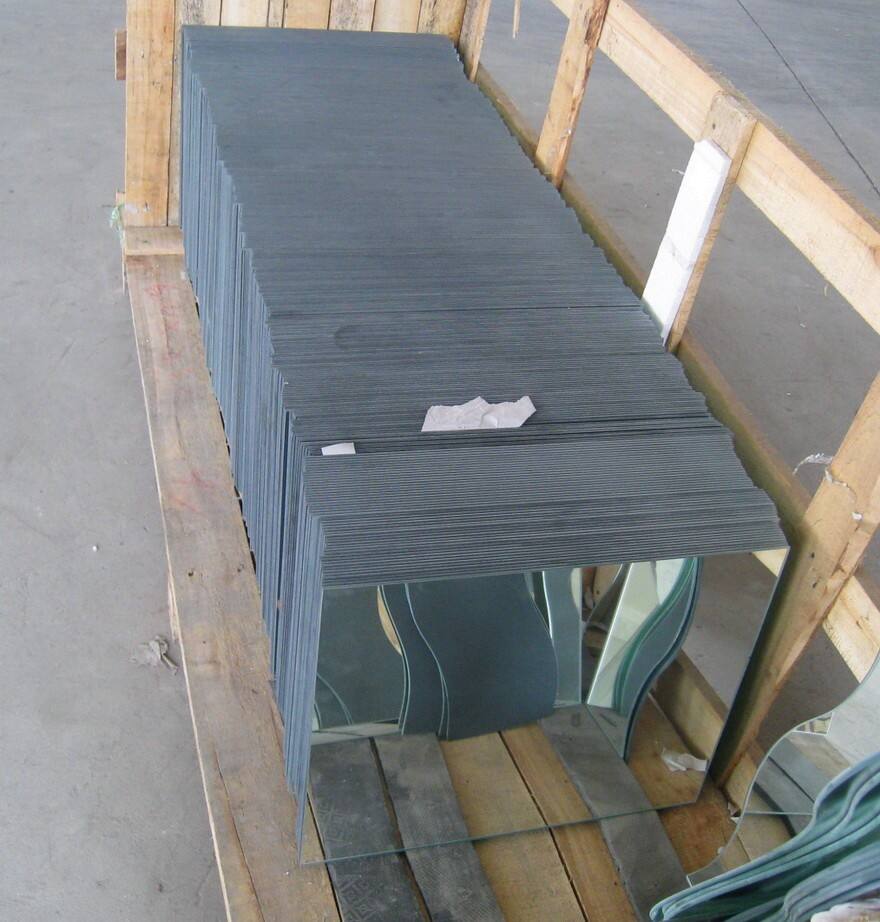
Interior decoration has evolved dramatically over the past decade, with designers constantly seeking innovative materials that combine aesthetic appeal with practical functionality. Among these revolutionary materials, aluminum mirror has emerged as a game-changing element that transforms ordinary spaces into extraordinary environments. This versatile reflective surface offers unique properties that traditional glass mirrors simply cannot match, making it an increasingly popular choice for both residential and commercial interior decoration projects.
The lightweight nature and exceptional durability of aluminum mirror make it an ideal solution for designers who want to create impactful visual elements without the structural concerns associated with heavy glass installations. Unlike conventional mirrors, aluminum mirror surfaces resist shattering and provide enhanced safety in high-traffic areas while maintaining brilliant reflectivity that enhances natural and artificial lighting throughout any interior space.
Fundamental Properties of Aluminum Mirror in Design Applications
Material Composition and Structural Advantages
The manufacturing process of aluminum mirror involves applying a thin aluminum coating to various substrate materials, creating a reflective surface that weighs significantly less than traditional silvered glass. This aluminum mirror construction enables designers to implement large-scale installations without requiring additional structural support, opening up creative possibilities that were previously limited by weight constraints.
Professional interior decorators appreciate how aluminum mirror maintains its reflective quality over extended periods without the oxidation issues commonly seen with silver-backed mirrors. The aluminum coating provides superior resistance to moisture and temperature fluctuations, making it particularly suitable for challenging environments such as bathrooms, kitchens, and commercial spaces where traditional mirrors might deteriorate rapidly.
Optical Performance and Light Management
The reflectivity characteristics of aluminum mirror create unique opportunities for manipulating light within interior spaces. Design professionals utilize these properties to redirect natural sunlight into darker areas of rooms, effectively expanding the perceived size of compact spaces while reducing dependency on artificial lighting during daytime hours.
Contemporary architects often specify aluminum mirror installations to create dramatic lighting effects that change throughout the day as natural light angles shift. The consistent reflective surface quality ensures that these dynamic lighting patterns remain stable and predictable, allowing designers to create intentional atmospheric changes that enhance the occupant experience.
Residential Interior Decoration Applications
Living Space Enhancement Strategies
Modern residential projects frequently incorporate aluminum mirror elements to maximize the impact of natural lighting while creating illusions of expanded space. Interior designers strategically position aluminum mirror panels opposite windows to double the amount of natural light entering living areas, creating brighter, more welcoming environments without increasing energy consumption.
The versatility of aluminum mirror allows for creative installations beyond traditional wall-mounted applications. Contemporary homes feature aluminum mirror ceiling installations, furniture inlays, and decorative accent pieces that reflect both natural and artificial light sources to create dynamic visual interest throughout different times of day and seasons.
Bathroom and Kitchen Design Integration
Moisture-prone areas benefit significantly from aluminum mirror installations due to their superior resistance to humidity-related deterioration. Professional designers specify aluminum mirror for bathroom walls, shower enclosures, and backsplash applications where traditional mirrors would quickly develop black spots or silvering issues.
Kitchen design projects utilize aluminum mirror backsplashes to create easy-to-clean surfaces that reflect task lighting back onto work areas, improving visibility for food preparation while adding sophisticated visual depth. The non-porous surface of aluminum mirror prevents bacterial growth and simplifies maintenance compared to traditional tile or stone backsplash materials.
Commercial and Hospitality Design Applications
Retail Environment Optimization
Retail designers leverage aluminum mirror installations to create more engaging shopping experiences by strategically reflecting merchandise displays and enhancing the perceived size of retail spaces. The durability of aluminum mirror makes it particularly valuable in high-traffic commercial environments where traditional glass mirrors would require frequent replacement due to damage or wear.
Visual merchandising professionals use aluminum mirror to create infinity effects with product displays, making inventory appear more abundant while drawing customer attention to specific merchandise areas. The lightweight properties of aluminum mirror enable creative suspended installations and moveable display elements that would be impractical with heavier mirror materials.
Hotel and Restaurant Design Elements
Hospitality designers appreciate how aluminum mirror contributes to creating memorable guest experiences through dramatic visual effects and enhanced spatial perception. Large aluminum mirror installations in hotel lobbies and restaurant dining areas create sophisticated atmospheres that photographs well for social media marketing while providing practical benefits for staff and guests.
Restaurant design projects often feature aluminum mirror accent walls that reflect candlelight and architectural lighting to create intimate dining atmospheres. The easy maintenance characteristics of aluminum mirror surfaces ensure that these design elements continue looking pristine despite constant exposure to cooking vapors and high humidity levels typical in foodservice environments.
Installation Techniques and Design Considerations
Mounting Methods and Structural Requirements
Professional installation of aluminum mirror requires specialized techniques that differ significantly from traditional glass mirror mounting methods. The reduced weight of aluminum mirror allows for innovative mounting systems including magnetic attachment methods, clip systems, and adhesive applications that provide secure installation without penetrating wall surfaces.
Design professionals must consider thermal expansion characteristics when planning large aluminum mirror installations, as the metal substrate responds differently to temperature changes compared to glass substrates. Proper installation techniques include expansion joints and flexible mounting systems that accommodate these thermal movements without compromising the reflective surface integrity.
Surface Preparation and Finishing Options
The substrate material used with aluminum mirror coatings affects both the final appearance and installation requirements for interior decoration projects. Designers can specify aluminum mirror on various backing materials including acrylic, polycarbonate, and specialized composite substrates that provide different characteristics for specific applications.
Edge finishing options for aluminum mirror installations include polished, beveled, and protected edges that prevent moisture infiltration and provide clean, professional appearances. These finishing details significantly impact the overall success of interior decoration projects and require careful specification during the design development phase.
Maintenance and Longevity Benefits
Cleaning Protocols and Surface Care
The maintenance requirements for aluminum mirror installations are considerably simpler than traditional silvered glass mirrors, making them ideal for commercial applications where cleaning efficiency directly impacts operational costs. Standard glass cleaners and microfiber cloths effectively maintain aluminum mirror surfaces without risk of chemical damage to the reflective coating.
Unlike traditional mirrors that require careful handling to prevent silvering damage, aluminum mirror surfaces withstand routine cleaning with automated systems commonly used in commercial buildings. This durability advantage makes aluminum mirror particularly attractive for large-scale interior decoration projects where maintenance accessibility and cost control are important design considerations.
Long-term Performance Expectations
Interior designers can confidently specify aluminum mirror for long-term installations knowing that the reflective properties will remain stable over decades of use. The aluminum coating resists the oxidation and deterioration that commonly affects silver-backed mirrors, particularly in humid or chemically challenging environments.
The consistent performance characteristics of aluminum mirror eliminate the need for periodic replacement schedules typical with traditional mirror installations, providing significant cost advantages over the lifecycle of interior decoration projects. This reliability makes aluminum mirror an excellent value proposition for both residential and commercial applications where design longevity is prioritized.
Creative Design Possibilities and Artistic Applications
Architectural Integration Strategies
Contemporary architects incorporate aluminum mirror into building envelope designs where the lightweight properties enable complex geometric installations that would be structurally impossible with traditional mirror materials. These installations create dynamic facades that respond to changing light conditions throughout the day while providing interior spaces with enhanced natural lighting.
Interior architects utilize aluminum mirror for creating seamless transitions between interior and exterior spaces through strategically positioned reflective surfaces that blur the boundaries between indoor and outdoor environments. This integration technique is particularly effective in residential projects where connection to landscape views is prioritized in the overall design concept.
Artistic and Sculptural Elements
Artists and designers collaborate on aluminum mirror installations that function as both functional design elements and artistic statements within interior spaces. The malleability of aluminum mirror substrates allows for curved and formed installations that create unique visual experiences impossible with rigid glass mirror materials.
Gallery and museum designers appreciate how aluminum mirror can be shaped and formed into three-dimensional installations that interact with both artificial and natural lighting to create ever-changing visual experiences. These artistic applications demonstrate the versatility of aluminum mirror beyond traditional flat wall installations.
FAQ
What makes aluminum mirror different from regular glass mirrors in interior design
Aluminum mirror differs fundamentally from glass mirrors through its lightweight construction, enhanced durability, and resistance to shattering. While glass mirrors use silver backing that can deteriorate over time, aluminum mirror maintains consistent reflectivity and resists moisture damage, making it ideal for challenging interior environments like bathrooms and kitchens where traditional mirrors often fail.
How does aluminum mirror perform in high-humidity interior spaces
Aluminum mirror excels in high-humidity environments due to its superior moisture resistance compared to silver-backed glass mirrors. The aluminum coating does not oxidize or develop black spots when exposed to steam and humidity, making it perfect for bathroom installations, spa environments, and commercial kitchens where traditional mirrors would quickly deteriorate and require replacement.
Can aluminum mirror be cut and shaped for custom interior design projects
Yes, aluminum mirror can be cut, shaped, and formed to accommodate custom design requirements that would be impossible with traditional glass mirrors. The flexible substrate materials used with aluminum mirror coatings allow for curved installations, complex geometric shapes, and three-dimensional forms that create unique design possibilities for both residential and commercial interior decoration projects.
What are the cost advantages of using aluminum mirror in large interior installations
Aluminum mirror provides significant cost advantages through reduced installation complexity, lower structural requirements due to lightweight properties, and minimal long-term maintenance needs. The durability and longevity of aluminum mirror eliminate replacement costs associated with traditional mirrors, while the simplified cleaning requirements reduce ongoing maintenance expenses for commercial applications.
Table of Contents
- Fundamental Properties of Aluminum Mirror in Design Applications
- Residential Interior Decoration Applications
- Commercial and Hospitality Design Applications
- Installation Techniques and Design Considerations
- Maintenance and Longevity Benefits
- Creative Design Possibilities and Artistic Applications
-
FAQ
- What makes aluminum mirror different from regular glass mirrors in interior design
- How does aluminum mirror perform in high-humidity interior spaces
- Can aluminum mirror be cut and shaped for custom interior design projects
- What are the cost advantages of using aluminum mirror in large interior installations