EN
EN

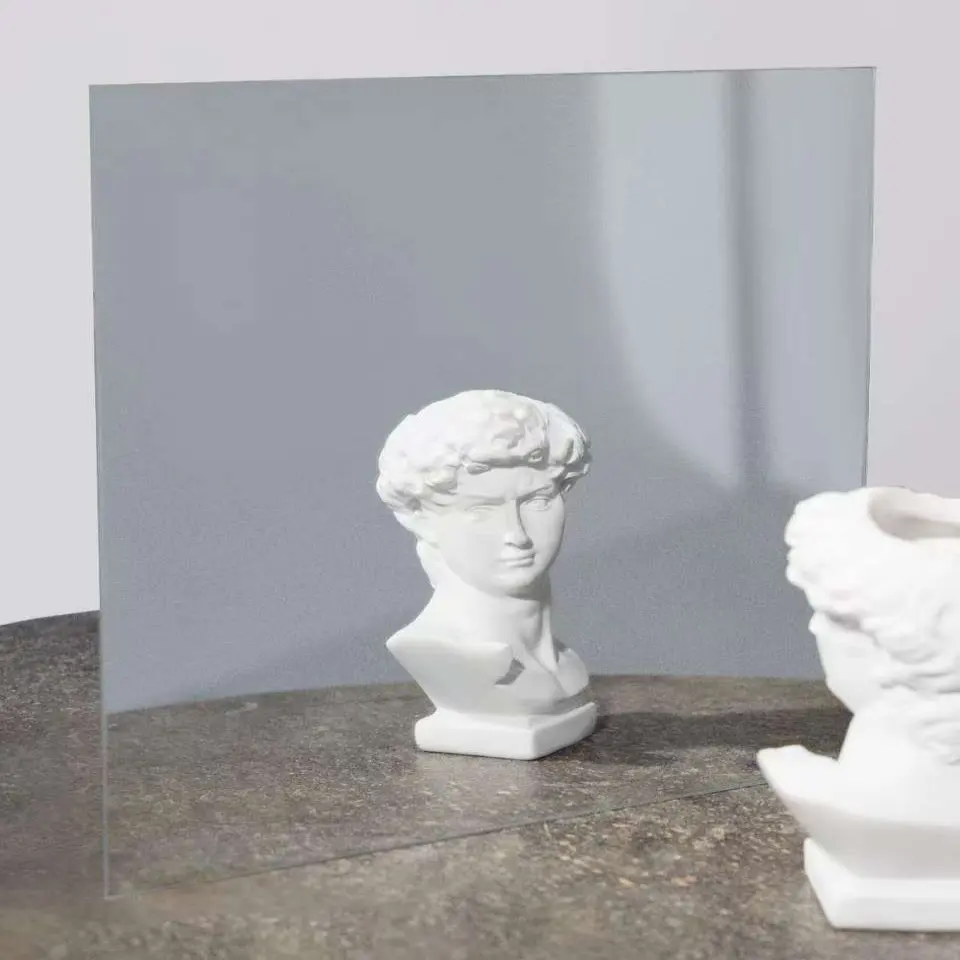
Aluminum mirrors represent a critical advancement in reflective technology, offering superior performance characteristics that make them indispensable in various industrial and commercial applications. Unlike traditional silver-backed mirrors, aluminum mirrors demonstrate exceptional resistance to environmental challenges, particularly in humid conditions where conventional mirrors often fail. The unique properties of aluminum coating provide enhanced durability and longevity, making these reflective surfaces ideal for demanding environments. Understanding the corrosion resistance capabilities of aluminum mirrors is essential for engineers, architects, and facility managers who must specify appropriate materials for moisture-prone installations. This comprehensive analysis explores the science behind aluminum mirror performance in humid conditions and provides practical insights for optimal application selection.
Understanding Aluminum Mirror Construction and Composition
Primary Layer Structure and Materials
The fundamental construction of an aluminum mirror involves multiple protective layers designed to optimize both reflectivity and environmental resistance. The base substrate typically consists of high-quality glass or specialized polymer materials that provide structural integrity and optical clarity. The reflective aluminum coating is applied through sophisticated vacuum deposition processes, creating an ultra-thin metallic layer that achieves superior light reflection properties. This aluminum mirror construction differs significantly from traditional silver mirrors, which are more susceptible to tarnishing and degradation in moisture-rich environments.
Advanced aluminum mirror manufacturing incorporates protective overcoats that enhance corrosion resistance and mechanical durability. These protective layers often include silicon dioxide or specialized polymer coatings that create a barrier against environmental contaminants. The thickness and composition of these protective layers directly influence the mirror's ability to withstand humid conditions over extended periods. Quality aluminum mirrors feature multiple coating layers that work synergistically to prevent moisture infiltration and maintain optical performance.
Aluminum Coating Properties and Characteristics
The inherent properties of aluminum make it exceptionally well-suited for humid environment applications. Aluminum naturally forms a thin oxide layer when exposed to oxygen, creating a self-protecting surface that resists further corrosion. This oxide formation is crucial for aluminum mirror longevity, as it provides continuous protection against moisture and chemical contaminants. The reflectivity of aluminum remains stable across a wide range of wavelengths, making these mirrors versatile for various optical applications.
Modern aluminum mirror production utilizes high-purity aluminum sources to minimize impurities that could compromise corrosion resistance. The deposition process parameters, including temperature, pressure, and deposition rate, are carefully controlled to achieve optimal coating density and adhesion. These manufacturing considerations directly impact the final product's ability to maintain performance in challenging environmental conditions, including high-humidity installations.
Corrosion Mechanisms and Environmental Factors
Humidity Effects on Mirror Performance
Humidity presents specific challenges for reflective surfaces, with water vapor acting as a catalyst for various degradation mechanisms. In traditional silver-backed mirrors, moisture infiltration leads to rapid tarnishing and reflectivity loss. However, aluminum mirrors exhibit superior resistance to humidity-induced degradation due to the stable nature of aluminum oxide formation. The aluminum mirror surface maintains its reflective properties even when exposed to relative humidity levels exceeding 90% for extended periods.
The protective aluminum oxide layer that forms naturally on aluminum surfaces acts as an effective moisture barrier. This self-healing characteristic means that minor surface damage or contamination can be mitigated through natural oxidation processes. Understanding these mechanisms is crucial for specifying aluminum mirrors in applications such as bathroom installations, industrial facilities, and outdoor environments where humidity control is challenging or impossible.
Chemical Resistance and Environmental Durability
Beyond moisture resistance, aluminum mirrors demonstrate exceptional tolerance to various chemical environments commonly encountered in humid conditions. Acidic conditions, which often accompany high humidity in industrial settings, pose minimal threat to properly manufactured aluminum mirrors. The chemical stability of aluminum oxide provides protection against common atmospheric pollutants and cleaning chemicals typically used in maintenance applications.
Temperature cycling in humid environments can stress mirror coatings through expansion and contraction cycles. Aluminum mirrors excel in these conditions due to the thermal expansion compatibility between aluminum coatings and glass substrates. This thermal stability ensures that aluminum mirror installations maintain optical quality and structural integrity through seasonal temperature variations and daily thermal cycling common in humid climates.
Performance Advantages in High-Humidity Applications
Optical Stability and Reflectivity Maintenance
The optical performance of aluminum mirrors remains remarkably stable in humid environments, with minimal degradation in reflectivity over time. Laboratory testing demonstrates that quality aluminum mirrors maintain over 95% of their initial reflectivity after extended exposure to high-humidity conditions. This performance stability is particularly important for precision optical applications where consistent light transmission and reflection characteristics are critical for system functionality.
Aluminum mirror surfaces resist the formation of condensation films that can significantly impact optical performance in other mirror types. The surface energy characteristics of aluminum coatings, combined with appropriate protective layers, minimize water adhesion and promote rapid drying when condensation does occur. This self-clearing behavior ensures that aluminum mirrors maintain optimal performance even during periods of extreme humidity or temperature fluctuation.
Longevity and Maintenance Requirements
The extended service life of aluminum mirrors in humid conditions translates to significant economic advantages for end users. While initial investment costs may be higher than conventional mirrors, the reduced replacement frequency and minimal maintenance requirements provide substantial long-term value. Aluminum mirrors typically demonstrate service lives exceeding 20 years in challenging humid environments, compared to 5-10 years for silver-backed alternatives.
Maintenance procedures for aluminum mirrors in humid applications are simplified compared to other reflective technologies. The corrosion-resistant nature of aluminum coatings means that aggressive cleaning chemicals are rarely necessary, reducing maintenance costs and environmental impact. Standard cleaning protocols using mild detergents and soft materials are sufficient to maintain optimal aluminum mirror performance throughout their extended service life.
Application-Specific Considerations and Installation Guidelines
Interior Applications in Humid Environments
Interior installations of aluminum mirrors in humid environments require careful consideration of mounting methods and edge sealing techniques. Bathrooms, swimming pool facilities, and industrial process areas present unique challenges that aluminum mirrors are specifically designed to address. Proper installation techniques ensure that moisture cannot infiltrate behind the mirror surface, where it could compromise adhesive bonds or substrate materials.
Edge sealing technologies have evolved to complement the inherent moisture resistance of aluminum mirror coatings. Modern sealant materials provide long-term flexibility and adhesion, preventing moisture infiltration while accommodating thermal expansion and building movement. The combination of corrosion-resistant aluminum mirror surfaces and advanced edge sealing creates a comprehensive moisture protection system suitable for the most demanding interior applications.
Exterior and Industrial Applications
Exterior installations of aluminum mirrors face additional challenges beyond basic humidity exposure, including temperature cycling, UV radiation, and atmospheric contamination. The robust nature of aluminum mirror coatings makes them suitable for outdoor applications such as solar concentrators, architectural features, and security systems. Industrial applications benefit from the chemical resistance and durability that aluminum mirrors provide in process environments with elevated humidity levels.
Specialized mounting systems for exterior aluminum mirror installations must accommodate thermal expansion while maintaining optical alignment and surface protection. Advanced mounting technologies utilize materials compatible with aluminum thermal expansion characteristics, ensuring long-term dimensional stability. These considerations are particularly important for precision applications where optical alignment must be maintained despite environmental variations.
Comparative Analysis with Alternative Mirror Technologies
Performance Comparison with Silver-Backed Mirrors
Direct comparison between aluminum mirrors and traditional silver-backed mirrors reveals significant performance advantages in humid environments. Silver mirrors, while offering superior initial reflectivity, suffer from rapid degradation when exposed to moisture and atmospheric contaminants. The tarnishing process in silver mirrors is irreversible and progressively worsens with continued exposure to humid conditions. Aluminum mirrors maintain consistent optical performance without the degradation issues associated with silver-backed alternatives.
Cost-benefit analysis strongly favors aluminum mirrors for humid environment applications when total lifecycle costs are considered. Although silver mirrors may have lower initial costs, the frequent replacement requirements and performance degradation result in higher long-term expenses. Aluminum mirrors provide predictable performance characteristics that enable accurate lifecycle cost projections and maintenance planning.
Advanced Mirror Technologies and Hybrid Solutions
Emerging mirror technologies attempt to combine the reflectivity advantages of silver with the durability of aluminum through multilayer coating approaches. These hybrid aluminum mirror systems incorporate protective layers that enhance both optical performance and environmental resistance. While these advanced technologies show promise, traditional aluminum mirrors continue to offer the best balance of performance, durability, and cost-effectiveness for most humid environment applications.
Specialized coating technologies, including enhanced aluminum mirrors with dielectric overcoats, provide increased reflectivity while maintaining excellent corrosion resistance. These premium aluminum mirror products are particularly suitable for demanding applications where maximum optical performance must be maintained in challenging environmental conditions. The selection between standard and enhanced aluminum mirror technologies depends on specific application requirements and performance criteria.
Quality Standards and Specification Guidelines
Industry Standards and Testing Protocols
Aluminum mirror quality is governed by rigorous industry standards that specify testing protocols for humidity resistance and environmental durability. ASTM and ISO standards provide standardized testing methods for evaluating mirror performance under accelerated aging conditions that simulate long-term exposure to humid environments. These standards ensure that aluminum mirrors meet minimum performance requirements for specific application categories.
Quality assurance testing for aluminum mirrors includes salt spray testing, thermal cycling, and humidity exposure protocols that validate long-term performance predictions. Manufacturers of premium aluminum mirrors typically exceed minimum standard requirements, providing enhanced performance margins for critical applications. Understanding these quality standards is essential for proper product selection and specification development.
Specification Development and Product Selection
Developing appropriate specifications for aluminum mirror installations requires careful consideration of environmental conditions, performance requirements, and maintenance capabilities. Key specification parameters include substrate material, coating thickness, protective layer composition, and edge sealing requirements. These specifications should reflect the specific challenges of the intended installation environment and desired service life.
Product selection criteria for aluminum mirrors in humid environments should prioritize proven performance history and manufacturer quality certifications. Independent testing data and case study documentation provide valuable insights into real-world performance expectations. Working with experienced aluminum mirror suppliers ensures access to technical expertise and application-specific product recommendations.
FAQ
How long can aluminum mirrors last in high humidity environments
Quality aluminum mirrors typically maintain optimal performance for 20-25 years in high humidity environments, significantly outlasting silver-backed alternatives. The natural oxide formation on aluminum surfaces provides continuous protection against moisture infiltration and corrosion. Proper installation and minimal maintenance can extend service life even further, making aluminum mirrors an excellent long-term investment for humid environment applications.
What maintenance is required for aluminum mirrors in humid conditions
Aluminum mirrors require minimal maintenance in humid conditions, typically limited to periodic cleaning with mild detergent solutions and soft materials. The corrosion-resistant nature of aluminum coatings eliminates the need for aggressive cleaning chemicals or frequent maintenance interventions. Regular inspection of edge sealing and mounting hardware ensures continued protection against moisture infiltration and maintains optimal performance.
Can aluminum mirrors be used in direct contact with water or steam
While aluminum mirrors demonstrate excellent humidity resistance, direct contact with water or steam requires careful consideration of installation methods and edge sealing. Properly manufactured aluminum mirrors with appropriate protective coatings can withstand occasional water contact, but continuous exposure may require specialized mounting systems and enhanced edge protection. Consultation with manufacturers is recommended for applications involving direct water or steam exposure.
Are there specific installation requirements for aluminum mirrors in humid areas
Installation of aluminum mirrors in humid areas requires attention to edge sealing, mounting system materials, and substrate preparation. Proper edge sealing prevents moisture infiltration behind the mirror surface, while compatible mounting materials accommodate thermal expansion without compromising structural integrity. Professional installation following manufacturer guidelines ensures optimal performance and longevity in challenging humid environments.
Table of Contents
- Understanding Aluminum Mirror Construction and Composition
- Corrosion Mechanisms and Environmental Factors
- Performance Advantages in High-Humidity Applications
- Application-Specific Considerations and Installation Guidelines
- Comparative Analysis with Alternative Mirror Technologies
- Quality Standards and Specification Guidelines
- FAQ