EN
EN


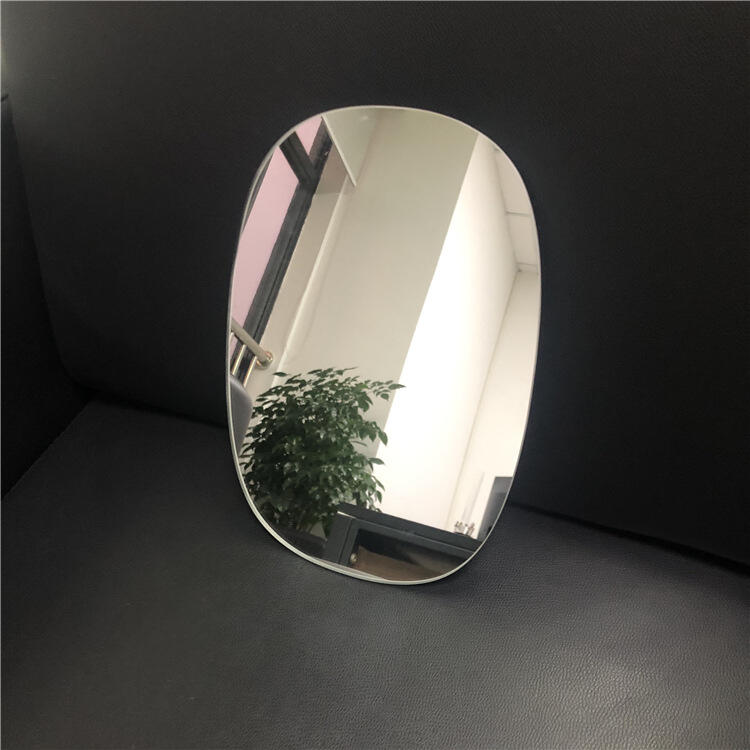
In today's competitive industrial landscape, finding cost-effective reflective solutions that deliver consistent performance has become increasingly important for manufacturers and engineers. The aluminum mirror stands out as a superior choice for applications ranging from optical systems to decorative installations, offering exceptional reflectivity combined with outstanding durability and affordability. This reflective technology has revolutionized how industries approach mirror applications, providing a reliable alternative that meets stringent performance requirements while maintaining budget-friendly pricing structures.
Understanding Aluminum Mirror Technology
Manufacturing Process and Construction
The production of aluminum mirror involves sophisticated vacuum deposition techniques that create incredibly thin yet durable reflective layers on glass substrates. This process begins with high-quality float glass that serves as the foundation for the reflective coating. Through physical vapor deposition or sputtering methods, pure aluminum atoms are deposited onto the glass surface in controlled atmospheric conditions. The resulting aluminum mirror exhibits superior optical properties with reflectance rates typically exceeding 90% across the visible spectrum.
Advanced manufacturing facilities employ multi-layer coating systems that enhance the aluminum mirror's performance characteristics. These protective overcoats prevent oxidation and environmental degradation while maintaining optical clarity. The precision-controlled thickness of each layer ensures consistent reflective properties across large surface areas, making aluminum mirror ideal for applications requiring uniform optical performance. Quality control measures throughout the production process guarantee that each aluminum mirror meets strict industry standards for flatness, reflectivity, and durability.
Material Properties and Specifications
The fundamental properties of aluminum mirror make it an exceptional choice for diverse industrial applications. The aluminum coating provides excellent reflectivity across a broad wavelength range, from ultraviolet through visible light and into near-infrared regions. This spectral versatility allows aluminum mirror to perform effectively in various lighting conditions and optical systems. The thermal stability of aluminum coatings ensures consistent performance across wide temperature ranges, maintaining reflective integrity even under demanding environmental conditions.
Mechanical properties of aluminum mirror include excellent adhesion between the coating and substrate, resistance to thermal shock, and dimensional stability under varying humidity conditions. The substrate glass provides structural integrity while the aluminum coating delivers the required optical performance. Surface roughness parameters are carefully controlled during manufacturing to minimize light scattering and maximize specular reflection. These combined properties make aluminum mirror a reliable choice for precision optical applications where performance consistency is crucial.
Cost-Effectiveness Analysis
Initial Investment Considerations
When evaluating the cost-effectiveness of aluminum mirror solutions, the initial investment represents just one component of the total economic equation. The competitive pricing of aluminum mirror compared to alternative reflective technologies provides immediate cost advantages for budget-conscious projects. Manufacturing efficiencies in aluminum deposition processes have driven down production costs while maintaining high quality standards. Bulk purchasing options and standardized sizes further reduce per-unit costs for large-scale installations.
The simplicity of aluminum mirror installation contributes significantly to cost-effectiveness by reducing labor requirements and specialized equipment needs. Standard mounting hardware and conventional glazing techniques are compatible with most aluminum mirror applications. This compatibility eliminates the need for custom installation procedures or specialized training, reducing overall project costs. The lightweight nature of aluminum mirror also reduces structural support requirements, potentially saving on supporting framework and installation complexity.
Long-Term Value Proposition
The extended service life of aluminum mirror provides substantial long-term value that often exceeds the initial cost savings. Properly manufactured aluminum mirror can maintain its reflective properties for decades when installed in appropriate environments. The resistance to environmental degradation means fewer replacements and reduced maintenance interventions over the product lifecycle. This durability translates directly into lower total cost of ownership and improved return on investment for end users.
Maintenance requirements for aluminum mirror are minimal compared to many alternative reflective solutions. Regular cleaning with appropriate methods maintains optimal performance without requiring specialized maintenance procedures or expensive cleaning compounds. The stable aluminum coating resists common environmental contaminants and can be restored to peak performance through routine cleaning protocols. This low-maintenance characteristic reduces ongoing operational costs and ensures consistent performance throughout the service life of the aluminum mirror installation.
Performance Characteristics
Optical Performance Metrics
The optical performance of aluminum mirror consistently exceeds industry standards for reflectivity and image quality across diverse applications. Reflectance values typically range from 88% to 95% depending on wavelength and coating specifications, providing superior light collection efficiency for optical systems. The neutral color characteristics of aluminum mirror ensure accurate color reproduction without introducing unwanted tints or spectral distortions. This color neutrality is particularly valuable in applications where true color representation is essential.
Surface quality metrics for aluminum mirror include minimal surface defects, controlled roughness parameters, and excellent flatness tolerances. These characteristics contribute to superior image quality with minimal distortion or light scattering. The uniform reflectance distribution across the mirror surface eliminates hot spots or variations that could compromise optical performance. Advanced manufacturing techniques ensure that aluminum mirror meets or exceeds the demanding specifications required for precision optical applications.
Environmental Durability
Environmental resistance represents a critical performance characteristic that distinguishes high-quality aluminum mirror from inferior alternatives. The protective overcoatings applied during manufacturing provide barriers against moisture, chemical contaminants, and atmospheric pollutants that could degrade reflective performance. Temperature cycling tests demonstrate the ability of aluminum mirror to maintain structural and optical integrity through repeated thermal stress conditions.
UV resistance ensures that aluminum mirror performance remains stable under prolonged sunlight exposure, making it suitable for outdoor applications and solar energy systems. The chemical inertness of properly coated aluminum mirror prevents reactions with common environmental contaminants that might cause degradation or discoloration. Humidity resistance testing confirms stable performance in high-moisture environments, expanding the range of suitable applications for aluminum mirror technology.
Application Areas and Use Cases
Industrial and Commercial Applications
The versatility of aluminum mirror makes it suitable for numerous industrial and commercial applications where reliable reflective performance is essential. Manufacturing facilities utilize aluminum mirror in quality control systems, optical inspection equipment, and laser processing applications. The consistent optical properties and competitive pricing make aluminum mirror an ideal choice for high-volume industrial installations where performance and cost-effectiveness must be balanced.
Architectural applications benefit from the aesthetic appeal and functional performance of aluminum mirror in both interior and exterior installations. Retail environments, office buildings, and public spaces incorporate aluminum mirror for both decorative and functional purposes. The ability to fabricate aluminum mirror in various sizes and shapes provides design flexibility while maintaining the cost advantages that make large-scale installations economically viable.
Specialized Technical Applications
Scientific and research applications demand the precise optical characteristics that high-quality aluminum mirror provides consistently. Laboratory instrumentation, telescope systems, and laser optics rely on the stable reflective properties and minimal optical aberrations inherent in properly manufactured aluminum mirror. The broad spectral response makes aluminum mirror particularly valuable in applications requiring performance across multiple wavelength ranges.
Solar energy systems represent a growing application area where the cost-effectiveness of aluminum mirror provides significant advantages. Concentrated solar power installations utilize aluminum mirror arrays to focus sunlight for thermal energy generation. The combination of high reflectivity, environmental durability, and competitive pricing makes aluminum mirror an excellent choice for renewable energy applications where economic viability is crucial for project success.
Comparison with Alternative Solutions
Silver Mirror Alternatives
Traditional silver mirror technology offers slightly higher reflectivity than aluminum mirror but at significantly increased cost and reduced environmental stability. While silver coatings can achieve reflectance values approaching 98%, the price premium and susceptibility to tarnishing limit their cost-effectiveness in many applications. The aluminum mirror provides a practical balance between optical performance and economic considerations, delivering sufficient reflectivity for most applications at a fraction of the cost of silver alternatives.
Durability comparisons clearly favor aluminum mirror over silver-based alternatives, particularly in challenging environmental conditions. Silver coatings require more sophisticated protective systems and are more susceptible to degradation from atmospheric contaminants. The inherent stability of aluminum mirror reduces maintenance requirements and extends service life, providing superior long-term value even when initial reflectivity is slightly lower than silver alternatives.
Polymer and Film Alternatives
Reflective polymer films and metallized plastic substrates offer lightweight alternatives to traditional glass-based aluminum mirror but with significant performance compromises. While these materials may provide cost advantages in specific applications, they typically exhibit lower reflectivity, reduced durability, and limited temperature stability compared to aluminum mirror. The optical quality and dimensional stability of glass-substrate aluminum mirror generally justify the modest cost difference for applications requiring reliable long-term performance.
Service life considerations strongly favor aluminum mirror over polymer alternatives, particularly in outdoor or high-temperature applications. The thermal stability and UV resistance of aluminum mirror ensure consistent performance throughout extended service periods, while polymer alternatives may experience degradation, discoloration, or mechanical failure under similar conditions. This performance advantage translates into lower replacement costs and reduced maintenance requirements over the product lifecycle.
Quality Factors and Selection Criteria
Manufacturing Quality Indicators
Selecting high-quality aluminum mirror requires understanding the key manufacturing quality indicators that distinguish superior products from substandard alternatives. Substrate quality forms the foundation of aluminum mirror performance, with premium float glass providing the dimensional stability and optical clarity necessary for demanding applications. Surface preparation techniques prior to aluminum deposition significantly impact coating adhesion and long-term durability.
Coating uniformity and thickness control represent critical quality factors that determine both immediate performance and long-term reliability of aluminum mirror products. Advanced manufacturing facilities employ real-time monitoring systems to ensure consistent coating parameters across entire production runs. Quality certifications and testing documentation provide valuable insights into the manufacturing standards and performance capabilities of specific aluminum mirror products.
Performance Testing and Validation
Comprehensive testing protocols validate the performance characteristics of aluminum mirror before installation in critical applications. Reflectivity measurements across relevant wavelength ranges confirm optical performance specifications, while environmental testing simulates long-term exposure conditions. Adhesion testing ensures that the aluminum coating will remain securely bonded to the substrate throughout the expected service life.
Third-party testing and certification provide independent validation of aluminum mirror performance claims and quality standards. These certifications offer assurance that products meet industry specifications and performance requirements. Testing documentation should include reflectivity data, environmental resistance results, and mechanical property measurements that demonstrate the suitability of aluminum mirror for specific applications.
Installation and Maintenance Best Practices
Proper Installation Techniques
Successful aluminum mirror installation requires attention to proper handling, mounting, and environmental protection measures that preserve optical performance and extend service life. Protective packaging should remain in place until immediately before installation to prevent surface contamination or damage. Clean room protocols during installation minimize the risk of particle contamination that could affect optical performance or create cleaning challenges.
Mounting system design must accommodate thermal expansion and contraction while maintaining proper alignment and stress distribution across the aluminum mirror surface. Edge sealing and environmental protection measures prevent moisture infiltration and atmospheric contaminants from reaching the reflective coating. Professional installation techniques ensure that the full performance potential of aluminum mirror is realized throughout its service life.
Maintenance Requirements and Procedures
Regular maintenance of aluminum mirror installations involves straightforward cleaning procedures that restore and maintain optimal reflective performance. Appropriate cleaning solutions and techniques remove common contaminants without damaging the reflective coating or protective overcoats. Inspection schedules should identify potential issues before they impact performance, allowing for preventive maintenance that extends service life.
Environmental monitoring helps optimize maintenance intervals and procedures based on actual exposure conditions and contamination rates. Proper maintenance documentation tracks performance over time and identifies trends that may indicate the need for replacement or system modifications. The minimal maintenance requirements of aluminum mirror contribute significantly to its cost-effectiveness by reducing ongoing operational expenses.
FAQ
How does aluminum mirror reflectivity compare to other mirror types?
Aluminum mirror typically achieves reflectivity values between 88% and 95% across the visible spectrum, which is slightly lower than silver mirror but significantly higher than most alternative reflective technologies. The broad spectral response and consistent performance across different wavelengths make aluminum mirror suitable for diverse applications where high reflectivity is important but maximum reflectivity is not absolutely critical.
What factors affect the lifespan of aluminum mirror installations?
The lifespan of aluminum mirror depends primarily on environmental conditions, installation quality, and maintenance practices. Properly installed aluminum mirror in appropriate environments can maintain performance for 20-30 years or longer. Factors that may reduce lifespan include exposure to corrosive chemicals, extreme temperature cycling, mechanical stress, and inadequate maintenance procedures.
Can aluminum mirror be used in outdoor applications?
High-quality aluminum mirror with appropriate protective coatings can be successfully used in outdoor applications, including solar energy systems and architectural installations. UV-resistant overcoats and environmental sealing protect the reflective coating from weather exposure and atmospheric contaminants. However, outdoor applications may require more frequent maintenance and monitoring compared to indoor installations.
What are the main cost advantages of aluminum mirror over alternatives?
Aluminum mirror offers cost advantages through lower initial purchase prices, reduced installation complexity, minimal maintenance requirements, and extended service life. The manufacturing efficiency of aluminum deposition processes keeps production costs competitive, while the durability and stability of aluminum coatings reduce total cost of ownership compared to less stable alternatives that require frequent replacement or maintenance.