زجاج مقاوم للاحتراق مُلصَّق ومعالج حراريًا
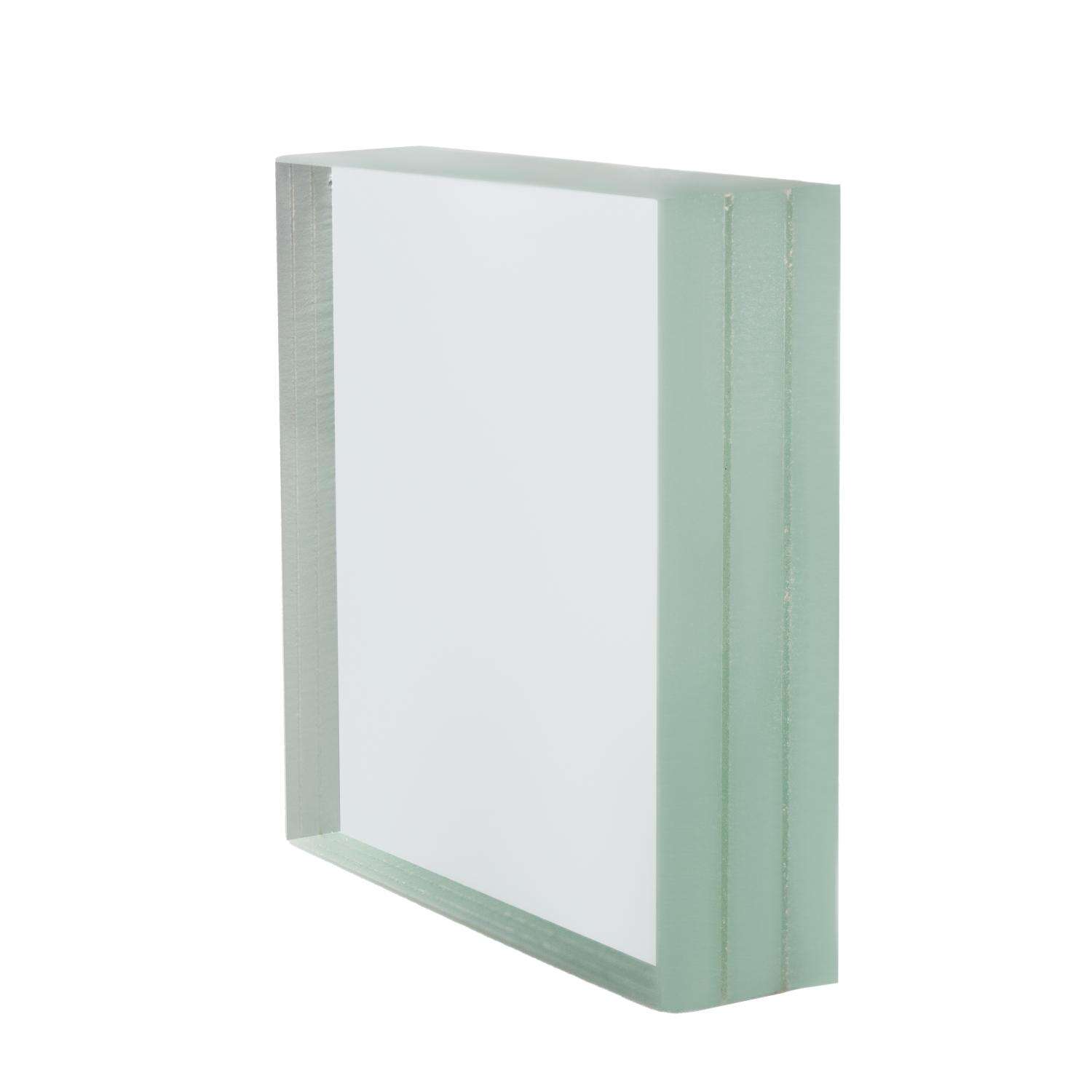
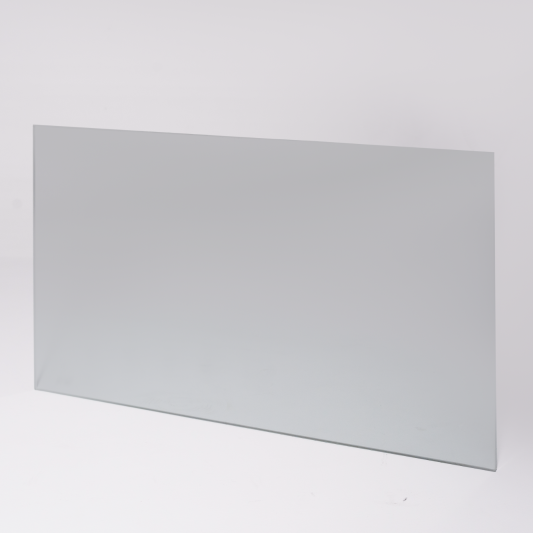
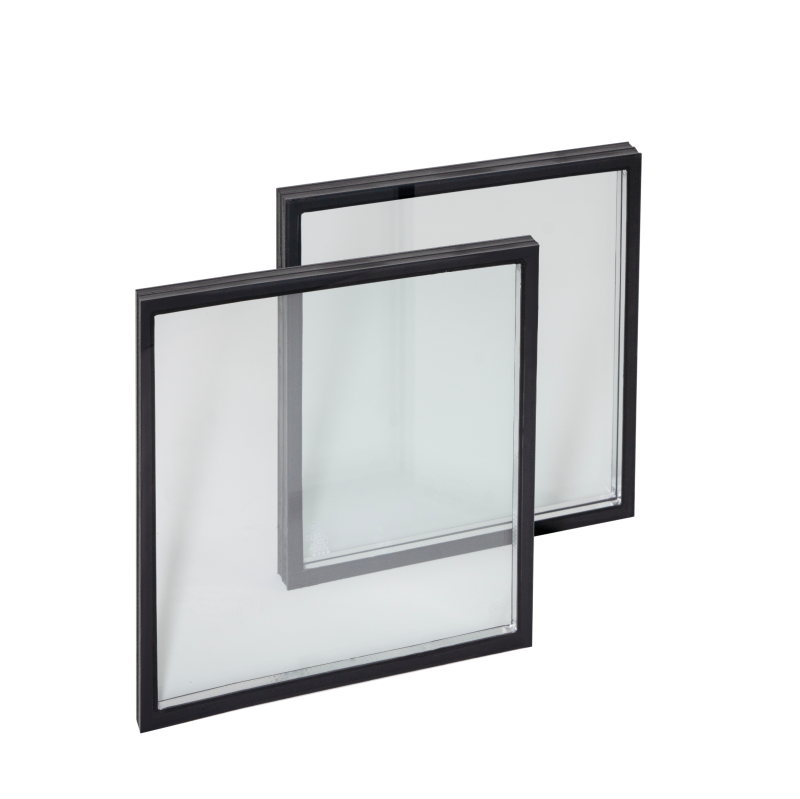
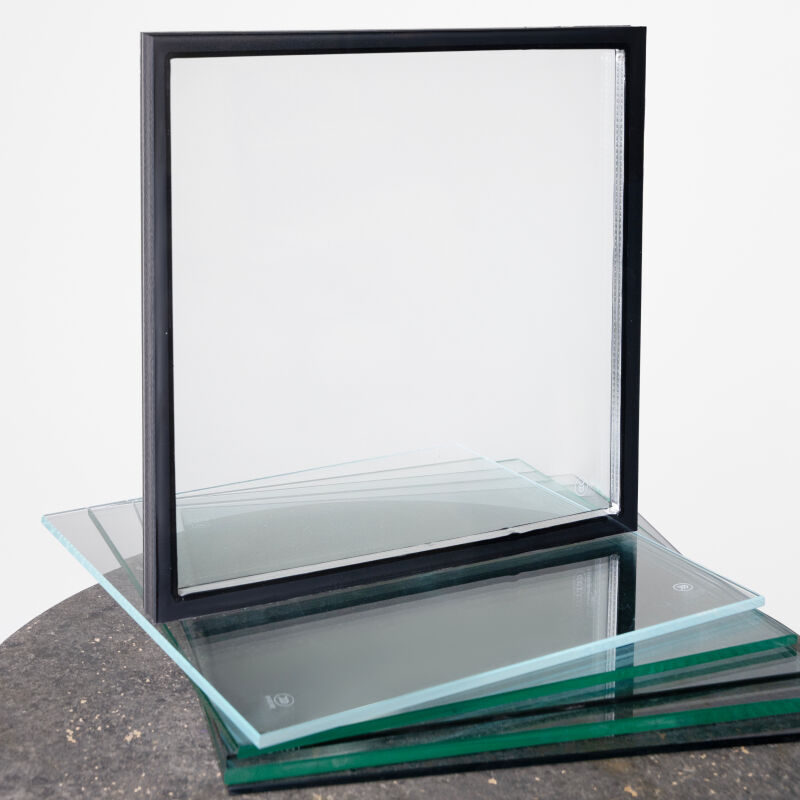
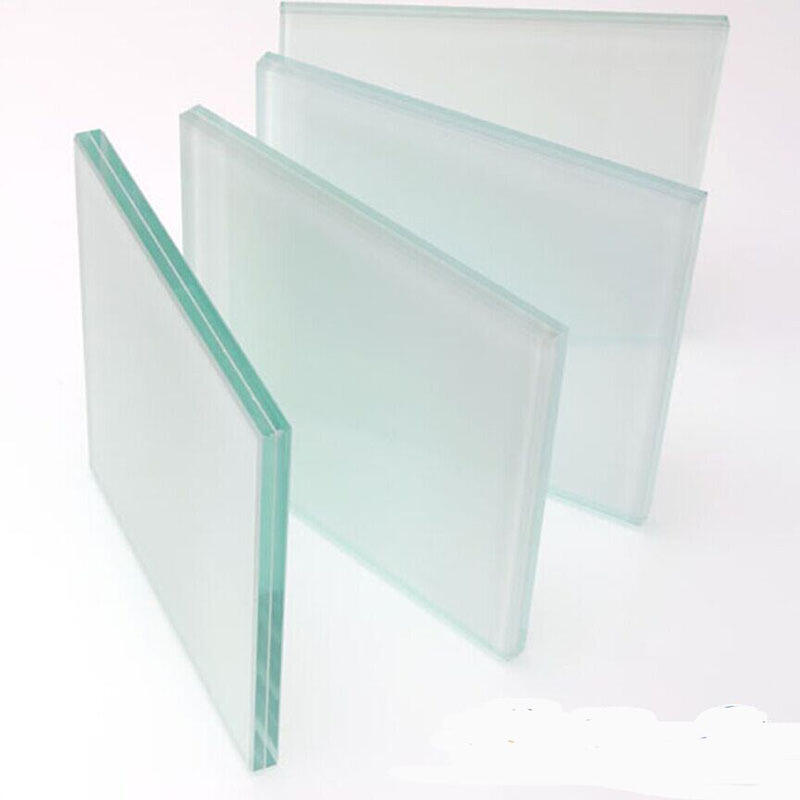
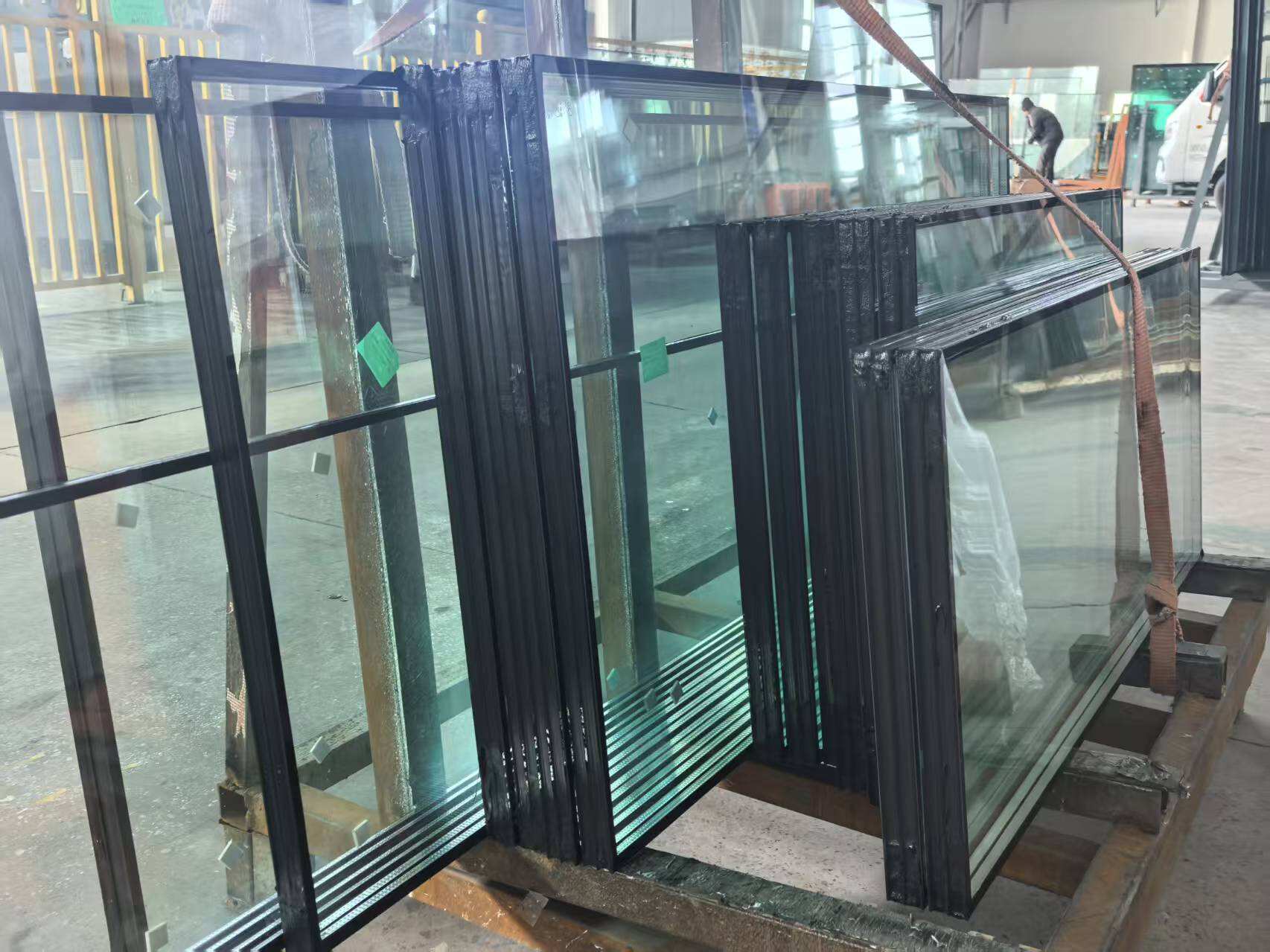
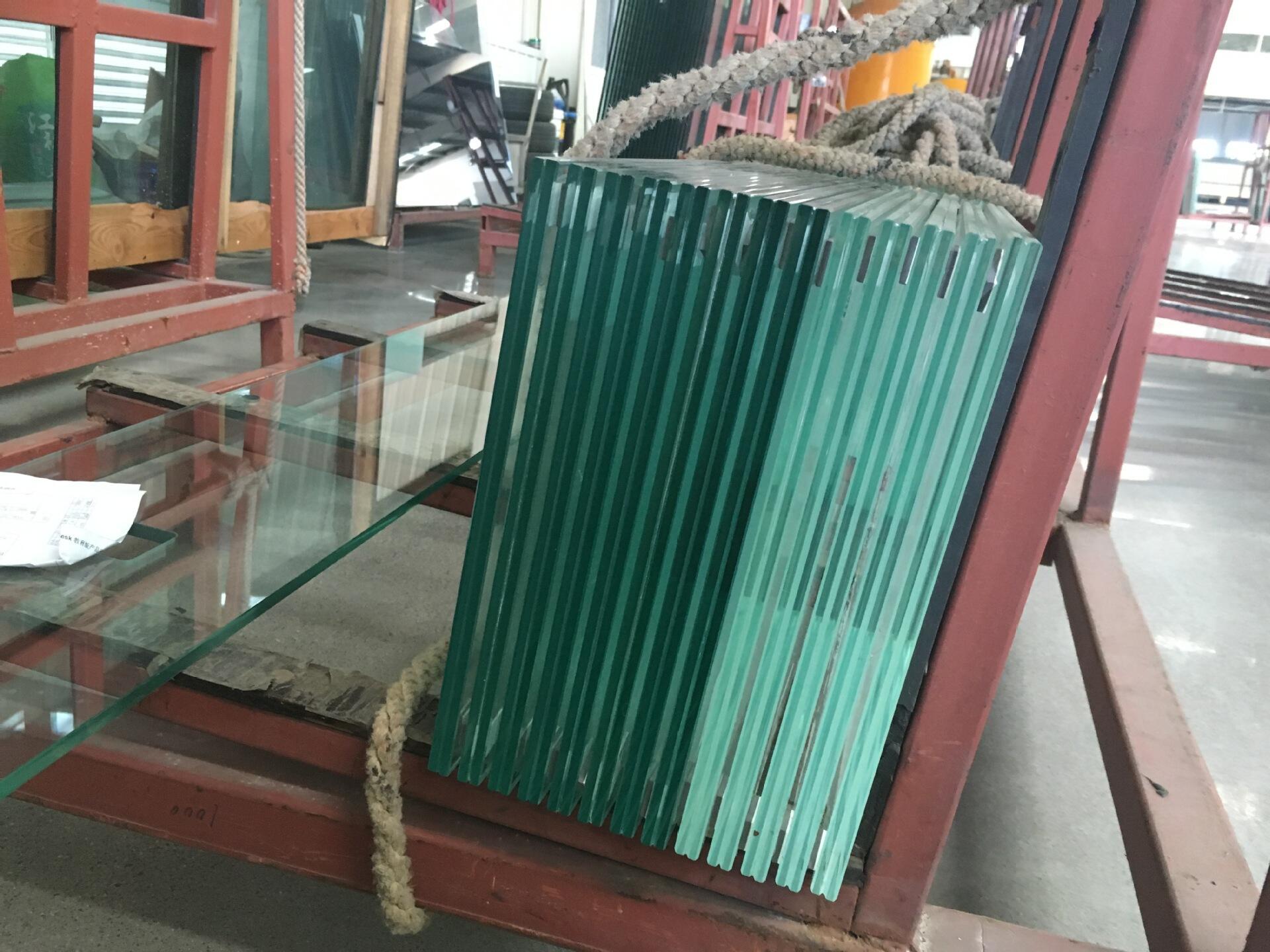
يمثل الزجاج المقسى المضاد للتشقق المُغشّى تقدّمًا ثوريًّا في تقنيات الزجاج الآمن، حيث يجمع بين قوة الزجاج المقسى والمزايا الواقية للبناء المُغشّى. ويتكون هذا المادة المبتكرة من طبقات متعددة من الزجاج المقسى الملصقة معًا بواسطة أفلام وسيطة متخصصة، وعادةً ما تكون بولي فينيل البيوتيرال (PVB) أو الإيثيلين-فينايل أسيتات (EVA). وتتضمن عملية التصنيع تعريض الزجاج لمعالجة حرارية خاضعة للرقابة، حيث يُسخَّن إلى درجة حرارة تبلغ حوالي ٦٢٠ درجة مئوية ثم يُبرَّد بسرعة، مما يولّد إجهادات ضغط داخلية تحسّن بشكل كبير من سلامته البُنية. وبعد ذلك، تُلصق طبقات الزجاج المعزَّزة هذه مع أفلام لاصقة شفافة تحت ظروف ضغط وحرارة مرتفعين في عملية التغشية. وتشمل الوظائف الأساسية للزجاج المقسى المضاد للتشقق المُغشّى مقاومة التصادم، وتعزيز الأمن، والحد من الضوضاء، وحماية من الأشعة فوق البنفسجية. وعندما يتعرّض هذا الزجاج لقوة شديدة أو تأثير عنيف، فإنه يحافظ على تماسكه البُنيوي بدل أن يتحطّم إلى شظايا خطيرة. كما تحافظ الفيلم الوسيطي على قطع الزجاج ملتصقةً ببعضها البعض حتى بعد الكسر، ما يمنع الفشل الكامل ويضمن استمرار خصائصه الحاجِزة. ومن الناحية التكنولوجية، تظهر هذه المادة خصائص أداء متفوّقة، منها مقاومة انحنائية محسّنة، ومقاومة أفضل للصدمات الحرارية، ومتانة استثنائية في ظل الظروف البيئية المتغيرة. وتوفر البنية متعددة الطبقات أنظمة حماية احتياطية، ما يضمن استمرار الأداء حتى في حال تضرّر إحدى الطبقات. وتشمل تطبيقات الزجاج المقسى المضاد للتشقق المُغشّى قطاعات صناعية وبيئات عديدة. ففي المجال المعماري، تُستخدم في الجدران الساترة، والنوافذ السقفية، وواجهات المحال التجارية، وواجهات المباني الشاهقة، حيث تشترط لوائح السلامة حلول زجاجية متفوّقة. وفي قطاع السيارات، تُستخدَم هذه التقنية في الزجاج الأمامي والنوافذ الجانبية لتوفير الحماية للركاب أثناء التصادمات. كما تستفيد تركيبات الأمن مثل البنوك والمباني الحكومية والمنشآت التجارية من خصائصها المقاومة للاختراق. أما في التطبيقات السكنية، فتشمل الأبواب الخارجية، ومقصورات الدُش، ودرابزين الشرفات، حيث تشترط لوائح البناء استخدام زجاج آمن. كما تُستخدم هذه المادة في أغراض متخصصة في البيئات البحرية وأنظمة النقل والمنشآت الصناعية، حيث يثبت الزجاج التقليدي عدم كفايته.

 EN
EN