malaking pinatitibay na salaming pampainit
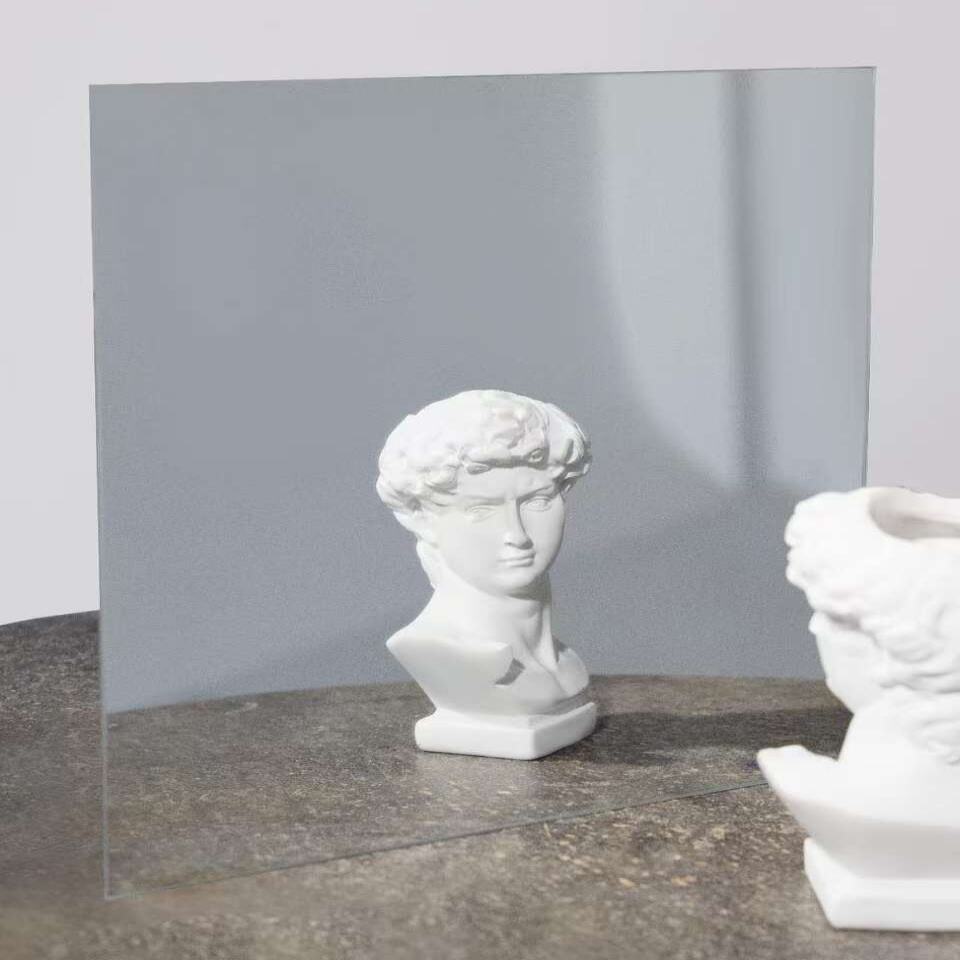
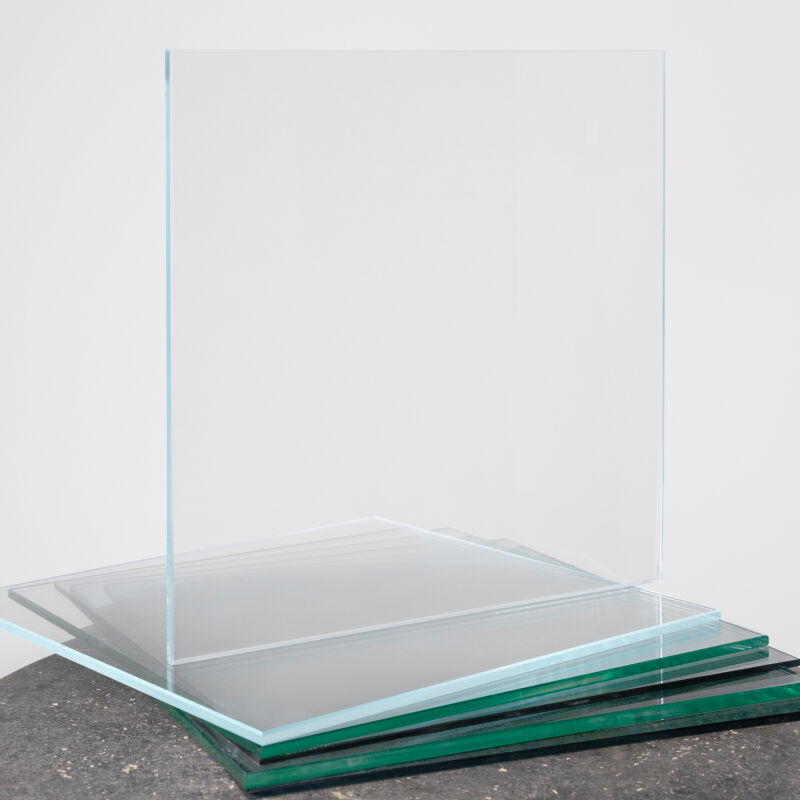
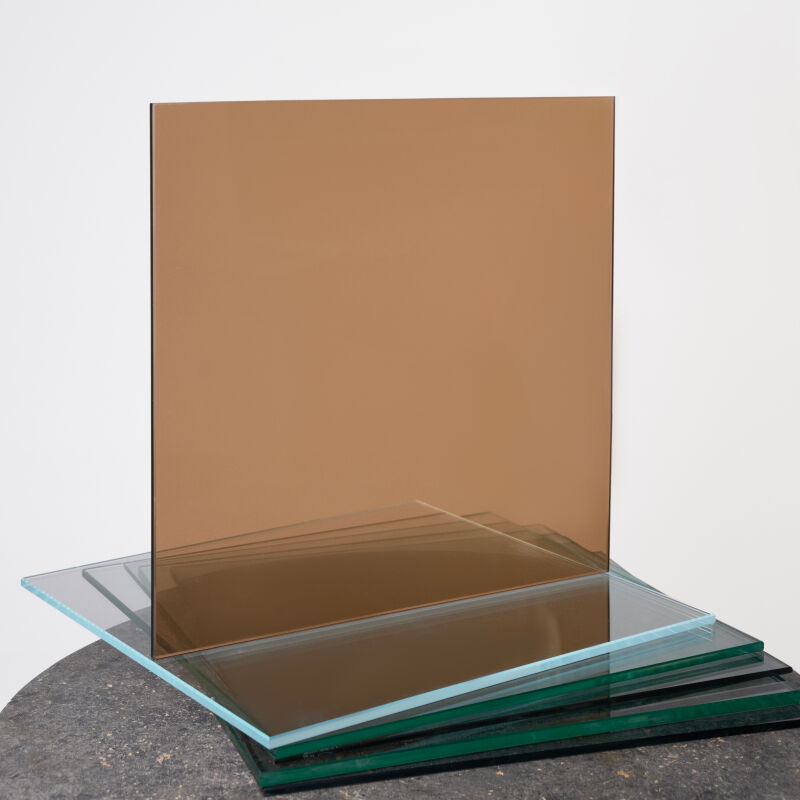
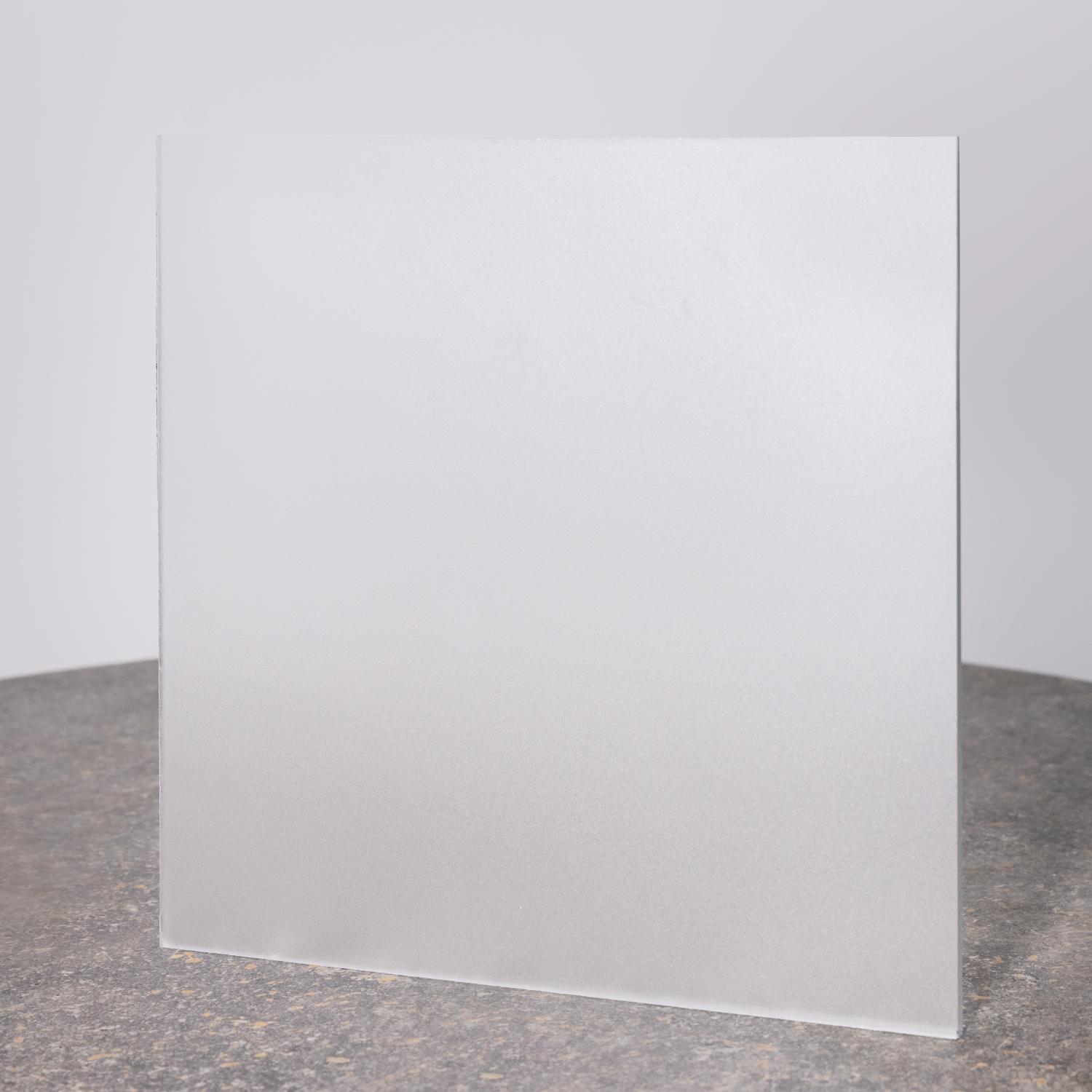
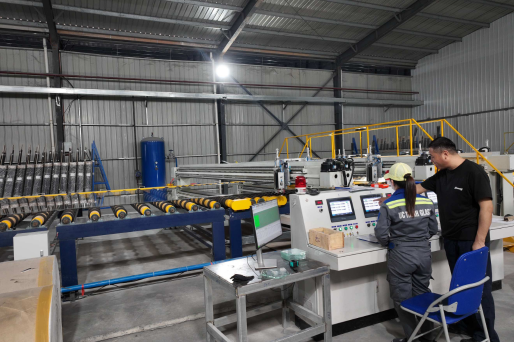
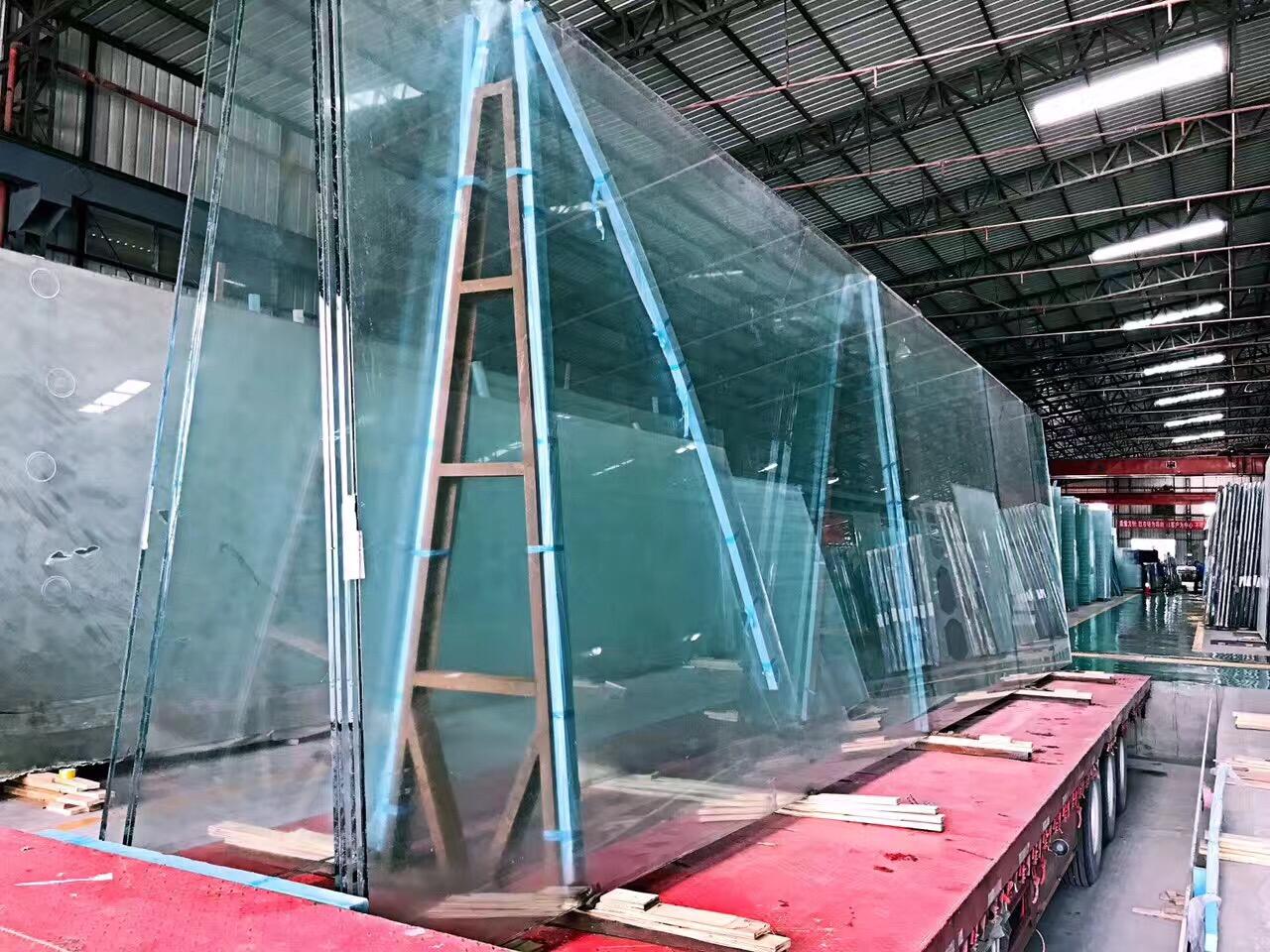
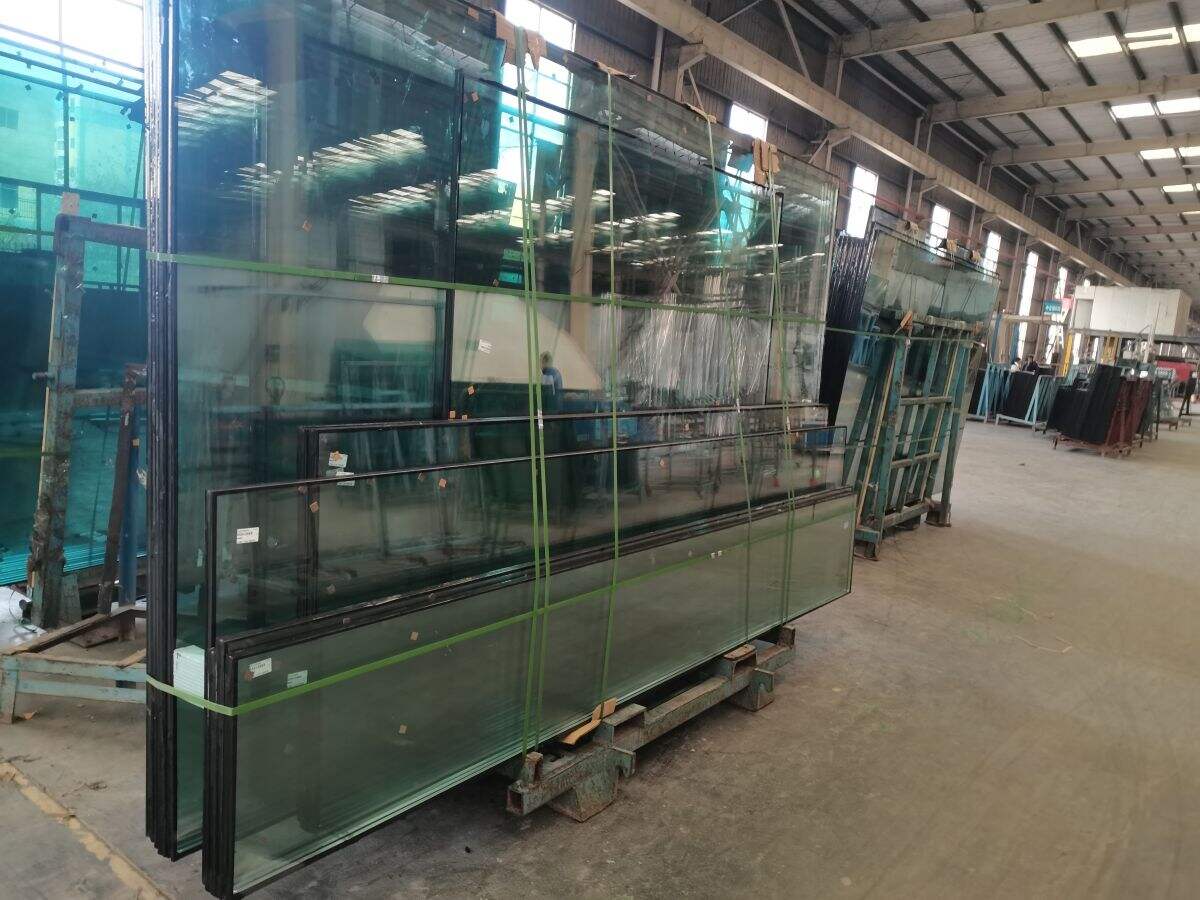
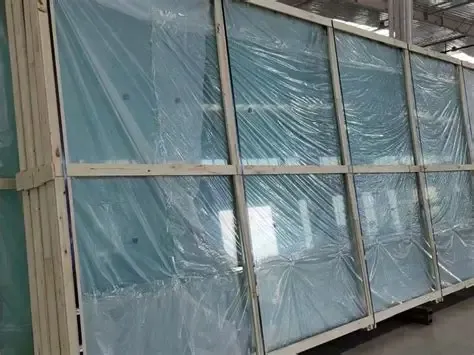
Ang malalaking format na thermal tempered glass ay kumakatawan sa isang rebolusyonaryong unlad sa mga solusyon sa architectural at industrial na pagkikisap, na nagkakasama ang exceptional na lakas kasama ang impresibong dimensional na kakayahan. Ang espesyalisadong produktong salamin na ito ay dumaan sa isang tiyak na proseso ng thermal tempering na nagpapalit sa karaniwang float glass sa isang mataas na antas ng performance na materyal na kayang tumagal sa ekstremong kondisyon habang pinapanatili ang optical clarity. Ang proseso ng paggawa ay kasali ang pagpainitin ng salamin sa humigit-kumulang 650 degrees Celsius bago ito biglang palamigin gamit ang kontroladong hangin na mga jet, na lumilikha ng isang compression layer sa ibabaw na lubos na nagpapahusay sa kanyang structural integrity. Ang malalaking format na thermal tempered glass ay karaniwang may kapal mula 3 hanggang 19 millimetro at maaaring umabot sa sukat na higit sa 3 metro sa lapad at 6 metro sa haba, na ginagawang ideal para sa malalawak na aplikasyon sa arkitektura. Ang pangunahing mga tungkulin ng materyal na ito ay ang pagbibigay ng superior na impact resistance, thermal shock resistance, at mga katangian sa kaligtasan na lubos na umaabot sa ibabaw ng mga karaniwang produkto ng salamin. Kapag nabasag, ang malalaking format na thermal tempered glass ay nababasag sa maliit, relatibong hindi mapanganib na piraso imbes na sa mapanganib na mga talim, na lubos na binabawasan ang panganib ng pinsala. Ang mga teknolohikal na katangian nito ay kinabibilangan ng enhanced surface compression stress levels na umaabot sa 100 MPa o mas mataas, improved thermal stability na nagpapahintulot ng temperature differentials hanggang 200 degrees Celsius, at exceptional flatness tolerances na mahalaga para sa mga modernong pangangailangan sa konstruksyon. Ang mga aplikasyon nito ay sumasaklaw sa iba’t ibang industriya kabilang ang komersyal na konstruksyon, residential na arkitektura, automotive manufacturing, produksyon ng solar panel, at espesyalisadong industrial equipment. Sa mga komersyal na setting, ang salaming ito ay nagpapahintulot ng floor-to-ceiling na windows, curtain wall systems, at mga structural glazing application na nagmamaksima ng natural na liwanag habang tinitiyak ang kaligtasan ng mga naninirahan. Ang mga residential na aplikasyon ay kasali ang malalaking sliding door, malalawak na picture window, at mga glass railing na nagbibigay ng walang hadlang na tanawin nang hindi nilalabag ang structural integrity. Ang industriya ng automotive ay gumagamit ng malalaking format na thermal tempered glass para sa windshield, side windows, at sunroof na sumusunod sa mahigpit na mga standard sa kaligtasan. Ang mga aplikasyon sa solar energy ay nakikinabang sa kanyang durability at light transmission properties, samantalang ang mga tagagawa ng industrial equipment ay nagpapahalaga sa kanyang chemical resistance at dimensional stability sa ilalim ng iba’t ibang kondisyon sa kapaligiran.

 EN
EN