EN
EN


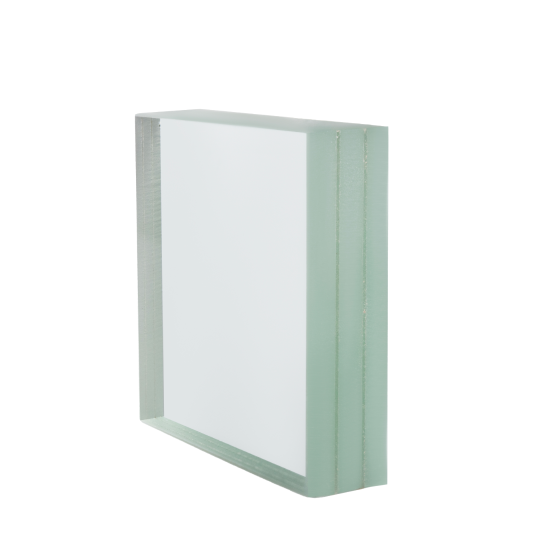
W branży budowlanej wymagania dotyczące bezpieczeństwa i wydajności materiałów budowlanych nie są przypadkowymi decyzjami, lecz starannie uregulowanymi normami chroniącymi użytkowników oraz zapewniającymi integralność konstrukcyjną. Szkło Bezpieczne Warstwowe stanowi kluczowy element nowoczesnej architektury, łącząc przejrzystość z wyjątkowymi właściwościami ochronnymi, dzięki czemu staje się niezastąpiony w zastosowaniach takich jak elewacje, świetliki, balustrady oraz szklenie poziomu nadgłowowego. Zrozumienie norm regulujących zastosowanie bezpiecznego szkła warstwowego w budownictwie jest niezbędne dla architektów, inżynierów, wykonawców oraz właścicieli budynków, którzy muszą radzić sobie z złożonymi wymaganiami prawno-regulacyjnymi, realizując jednocześnie projekty spełniające zarówno cele bezpieczeństwa, jak i oczekiwania estetyczne.
Landszafat regulacyjny dotyczący szkła bezpiecznego warstwowego obejmuje normy międzynarodowe, regionalne i krajowe, które określają jakość produkcji, badania wydajnościowe, protokoły montażu oraz zastosowanie -specyficzne wymagania. Te standardy wyrosły z dziesięcioleci badań nad mechanizmami pękania szkła, schematami obrażeń ciała ludzkiego oraz zachowaniem budynków podczas ekstremalnych zdarzeń. Dla specjalistów z branży budowlanej przestrzeganie obowiązujących standardów nie jest jedynie zobowiązaniem prawnym, lecz podstawowym elementem zarządzania ryzykiem, który wpływa na odpowiedzialność cywilną, zakres ubezpieczenia, procesy zatwierdzania projektów oraz długoterminową jakość funkcjonowania budynków. Niniejsze wyczerpujące opracowanie identyfikuje główne standardy regulujące zastosowanie bezpiecznego szkła warstwowego w różnych jurysdykcjach oraz wyjaśnia, w jaki sposób te ramy prawne kształtują dobór materiałów, decyzje projektowe oraz praktyki budowlane w nowoczesnych projektach budowlanych.
Międzynarodowa ramka standardów dla bezpiecznego szkła warstwowego
Standardy ISO i działania na rzecz globalnej harmonizacji
Międzynarodowa Organizacja Normalizacyjna (ISO) opracowała kilka standardów bezpośrednio związanych z szkło Bezpieczne Warstwowe które zapewniają uznawane na całym świecie standardy w zakresie produkcji i oceny właściwości użytkowych. Norma ISO 12543 stanowi podstawową serię norm dotyczących szkła laminowanego i bezpiecznego szkła laminowanego do zastosowań w budownictwie. Ta wieloczęściowa norma obejmuje systemy klasyfikacji, metody badań właściwości, w tym wytrzymałości i trwałości, oraz szczegółowe wymagania dotyczące właściwości użytkowych, które producenci muszą wykazać. Norma ustanawia definicje terminologiczne, protokoły pomiarowe i kryteria akceptacji, które ułatwiają handel międzynarodowy, zapewniając jednocześnie spójne oczekiwania jakościowe na różnych rynkach.
ISO 12543 składa się z wielu części dotyczących różnych aspektów wydajności bezpiecznego szkła warstwowego. Część 1 określa słownictwo i definicje, które zapewniają wspólną interpretację takich pojęć jak materiały warstw pośrednich, odwarstwianie oraz jakość krawędzi. Część 2 zawiera szczegółowe informacje na temat cech szkła warstwowego, w tym konfiguracji budowy, typów szkła nadających się do laminowania oraz specyfikacji materiałów warstw pośrednich. Część 3 wprowadza systemy klasyfikacji oparte na wyglądzie, trwałości oraz właściwościach mechanicznych, umożliwiając projektantom precyzyjne formułowanie wymagań. Części 4–6 określają konkretne metody badań służące do pomiaru odporności na promieniowanie, temperaturę, wilgotność oraz uderzenia, tworząc odtwarzalne procedury oceny, które umożliwiają porównanie wydajności między różnymi producentami i rodzajami produktów.
Europejskie normy obowiązkowe i wymagania dotyczące znakowania CE
W ramach Unii Europejskiej szkło bezpieczne warstwowe podlega Rozporządzeniu w sprawie wyrobów budowlanych i wymaga oznakowania znakiem CE, aby potwierdzić zgodność z zharmonizowanymi europejskimi normami. Norma EN 14449 stanowi główną normę produktową dla szkła warstwowego oraz szkła bezpiecznego warstwowego przeznaczonego do zastosowań w budownictwie, określając jego istotne cechy oraz procedury oceny zgodności. Norma ta odnosi się do normy EN 12600 dotyczącej badań uderzeniowych wahadłem, która klasyfikuje szkło bezpieczne warstwowe według odporności na uderzenie oraz zachowania przy rozdrobnieniu. System klasyfikacji wykorzystuje kody alfanumeryczne wskazujące wysokość spadania ciężarka, wzór pęknięcia oraz to, czy próbkę pozostaje nietknięta po uderzeniu, zapewniając projektantom precyzyjne informacje o właściwościach użytkowych do celów specyfikacji.
Europejski ramowy standard obejmuje również normę EN 356 dotyczącą badania szyb ochronnych pod kątem odporności na ataki ręczne, która ocenia odporność na powtarzające się uderzenia symulujące próby włamania. Choć norma ta nie koncentruje się wyłącznie na laminowanych szybach bezpieczeństwa, to często stosowana jest do konfiguracji laminowanych wykorzystywanych w budowlanych zastosowaniach wymagających wysokiego poziomu bezpieczeństwa. Norma EN 1063 określa metody badań odporności szyb na pociski i wprowadza klasyfikację poziomów odporności w oparciu o typy amunicji oraz kategorie broni palnej. Te specjalistyczne normy pokazują, jak zakres funkcjonalności laminowanych szyb bezpieczeństwa wykracza poza podstawowe wymagania bezpieczeństwa i obejmuje funkcje ochronne kluczowe w budynkach administracyjnych, instytucjach finansowych oraz obiektach handlowych o wysokim ryzyku, gdzie wymagania dotyczące ochrony użytkowników przekraczają zwykłe standardy budowlane.
Amerykańskie normy i wymagania prawne
Normy ANSI i ASTM dotyczące szyb bezpieczeństwa
W Stanach Zjednoczonych Amerykański Instytut Norm Narodowych (ANSI) nadzoruje normę ANSI Z97.1, która określa specyfikacje wydajności bezpieczeństwa oraz metody badań materiałów szyb bezpiecznych stosowanych w budynkach. Norma ta dotyczy szkła bezpiecznego warstwowego w miejscach niebezpiecznych, w których uderzenie człowieka stanowi przewidywalne zagrożenie, w tym drzwi, szyby boczne przy drzwiach, kabiny prysznicowe oraz szyby umieszczone w pobliżu powierzchni przejściowych. Norma definiuje procedury badawcze oparte na testach uderzeniowych symulujących kolizje ciała ludzkiego, ustalając minimalne kryteria wydajności, które materiały muszą spełniać, aby zakwalifikować się jako szyby bezpieczne. Kategorie klasyfikacyjne zawarte w normie ANSI Z97.1 odróżniają szyby podlegające ograniczonym procedurom badawczym od szyb podlegających nieograniczonym procedurom badawczym, co odzwierciedla różne poziomy ryzyka oraz oczekiwania dotyczące wydajności w zależności od kontekstu zastosowania.
ASTM International opracowuje uzupełniające normy dotyczące konkretnych aspektów wydajności i badań szkła bezpiecznego warstwowego. Norma ASTM C1172 określa standardową specyfikację szkła architektonicznego płaskiego warstwowego, ustalając wymagania dotyczące materiałów, konstrukcji, jakości wykonania oraz cech użytkowych. Norma ta obejmuje typy szkła nadające się do laminowania, materiały warstw pośrednich, w tym butyral poliwinylu i inne polimery, dopuszczalne odchylenia wymiarowe oraz kryteria jakości wizualnej. Norma ASTM E2190 zawiera standardową specyfikację materiałów i systemów szyb ochronnych, definiując poziomy wydajności odporności na włamanie, istotne dla szkła bezpiecznego warstwowego w zastosowaniach ochronnych. Te normy techniczne stanowią podstawę wymagań kodeksów budowlanych oraz wpływają na język specyfikacji stosowany w całej północnoamerykańskiej branży budowlanej.
Międzynarodowy Kodeks Budowlany i jego regionalne modyfikacje
Międzynarodowy Kodeks Budowlany (International Building Code), przyjęty z modyfikacjami w większości jurysdykcji Stanów Zjednoczonych, określa wymagania przepisowe dotyczące stosowania szkła bezpiecznego warstwowego w budownictwie. Rozdział 24 dotyczy konkretnie szkła i szybienia, wskazując miejsca zagrożenia, w których stosowanie szkła bezpiecznego staje się obowiązkowe, a nie opcjonalne. Do takich miejsc należą szyby w drzwiach, szyby sąsiadujące z drzwiami w określonych odległościach i na określonych wysokościach, szyby w wilgotnych pomieszczeniach, takich jak łazienki, oraz szyby w poręczach i barierach ochronnych. Kodeks odnosi się do norm ANSI Z97.1 oraz CPSC 16 CFR 1201 jako akceptowanych standardów badawczych, co tworzy obowiązki prawne, które szkło bezpieczne warstwowe musi spełniać, aby zapewnić zgodność z kodeksem w wyznaczonych zastosowaniach.
Krajowe przepisy budowlane i stanowe poprawki często nakładają dodatkowe wymagania wykraczające poza podstawowe normy Międzynarodowego Kodeksu Budowlanego, szczególnie w obszarach narażonych na huragany, trzęsienia ziemi lub inne zagrożenia naturalne. Kodeks Budowlany Florydy oraz wymagania Departamentu Ubezpieczeń Teksasu określają zaostrzone kryteria wydajnościowe dla szkła bezpieczeństwa warstwowego w systemach szyb odpornych na uderzenia chroniących przed pyłkiem przenoszonym przez wiatr. Kalifornijskie przepisy budowlane zawierają postanowienia dotyczące projektowania konstrukcji odpornych na trzęsienia ziemi, które wpływają na zastosowanie szkła bezpieczeństwa warstwowego w budownictwie wysokich budynków oraz obiektów kluczowych. Te różnice wynikające z jurysdykcji oznaczają, że specjaliści ds. budownictwa muszą dokładnie badać konkretne lokalne wymagania, zamiast zakładać, że jednolite standardy obowiązują we wszystkich lokalizacjach realizowanych projektów, zwłaszcza przy pracy w wielu stanach lub planowaniu typów budynków podlegających zaostrzonej kontroli.
Metody badań wydajności i systemy klasyfikacji
Badania odporności na uderzenia i bezpieczeństwa ludzi
Badania odporności na uderzenie stanowią podstawę kwalifikacji bezpiecznego szkła warstwowego do zastosowań budowlanych, symulując scenariusze kolizji, którym mogą zostać narażeni użytkownicy w trakcie normalnego użytkowani budynku lub w sytuacjach nagłych. Test uderzenia wahadłowym uderzakiem określony w normie EN 12600 oraz podobne protokoły wykorzystują standaryzowany uderzak z dwoma oponami, reprezentujący masę i prędkość ciała ludzkiego, który uderza w próbki szyb na ustalonych wysokościach. Wyniki testu określają, czy próbka bezpiecznego szkła warstwowego pęka, w jaki sposób się pęka oraz czy odrywają się od niej fragmenty, czy też przyczepność warstwy pośredniej zapewnia zachowanie integralności próbki. Wyniki klasyfikacji mają bezpośredni wpływ na to, gdzie i w jaki sposób konkretne bezpieczne szkło warstwowe produkty może być stosowane w projektach budowlanych.
System klasyfikacji wynikający z badań uderzeniowych przekazuje kluczowe informacje o wydajności za pomocą kodów alfanumerycznych. Kategorie wysokości upuszczenia wskazują na zdolność do pochłaniania energii, przy czym wyższe wysokości upuszczenia odpowiadają większej odporności na uderzenia, co czyni je odpowiednimi dla zastosowań narażonych na podwyższone ryzyko. Kategorie wzorów pęknięć pozwalają odróżnić ograniczone pękanie od rozległych szczelin, odzwierciedlając różne stopnie zdolności materiału do wytrzymania uderzeń. Kategorie integralności określają, czy próbkę pozostaje w ramie badawczej, czy też wypada z niej, co bezpośrednio koreluje z ryzykiem urazów spowodowanych odłamkami rozbitego szkła. Specjaliści ds. budownictwa wykorzystują te kody klasyfikacyjne do dopasowania produktów bezpiecznego szkła warstwowego do wymagań konkretnych zastosowań, zapewniając, że określone materiały zapewniają odpowiedni poziom ochrony dla zamierzonych zastosowań.
Trwałość w warunkach atmosferycznych i długoterminowa wydajność
Normy dotyczące szkła bezpiecznego warstwowego wykraczają poza natychmiastową wydajność przy uderzeniu i obejmują również trwałość w długim okresie eksploatacji w warunkach narażenia na czynniki środowiskowe typowych dla zastosowań budowlanych. Testy przyspieszonego starzenia poddają próbki szkła bezpiecznego warstwowego działaniu podwyższonej temperatury, cykli wilgotności oraz promieniowania UV, symulując w skróconym czasie lata naturalnego starzenia się pod wpływem pogody. Badania te oceniają, czy materiały warstwy pośredniej zachowują przyczepność do powierzchni szkła, czy właściwości optyczne ulegają pogorszeniu w wyniku żółknienia lub powstawania zamglenia, oraz czy wydajność mechaniczna spada poniżej dopuszczalnych progów. Zachowanie wydajności po starzeniu stanowi kluczowy kryterium kwalifikacyjne, które rozróżnia wysokiej jakości szkło bezpieczne warstwowe od produktów podatnych na przedwczesne zużycie.
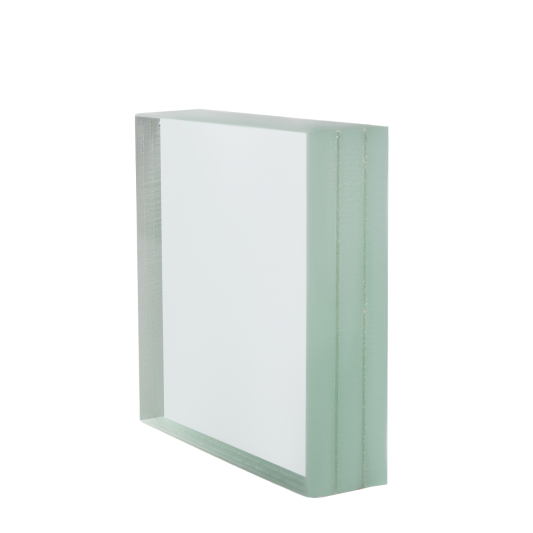
ISO 12543-4 określa konkretne metody badań oceniające odporność na promieniowanie, pomiar zmian przepuszczalności światła oraz przesunięć barwnych po ekspozycji na promieniowanie UV. Badania odporności na wilgotność i temperaturę zgodnie z normą ISO 12543-5 oceniają odporność na odwarstwianie oraz utratę przyczepności w warunkach narażenia na wilgoć. Te normy trwałości zapewniają, że szkło bezpieczne warstwowe zachowuje swoje właściwości projektowe przez cały przewidywany okres użytkowania, a nie ulega szybkiemu pogorszeniu po montażu. W przypadku obiektów budowlanych zgodność z wymaganiami dotyczącymi badań trwałości zapewnia zaufanie do tego, że określone szkło bezpieczne warstwowe spełni swoje funkcje bezpieczeństwa i estetyczne przez dziesięciolecia eksploatacji budynku, unikając kosztownej, wczesnej wymiany oraz zapewniając ochronę użytkowników zgodnie z pierwotnym projektem.
Normy dostosowane do konkretnych zastosowań oraz specjalne wymagania dotyczące wydajności
Regulacje dotyczące szklenia nadgłowowego i świateł dachowych
Zastosowania szkła dachowego nad głową podlegają szczególnie rygorystycznym standardom bezpieczeństwa szkła warstwowego, ponieważ awaria może skutkować spadaniem szkła na osoby znajdujące się poniżej, co wiąże się z poważnym ryzykiem obrażeń. Wszystkie przepisy budowlane na całym świecie wymagają stosowania szkła bezpiecznego w zastosowaniach nad głową; większość jurysdykcji nakazuje stosowanie konfiguracji szkła warstwowego w pełni hartowanego lub wzmocnionego cieplnie, zapewniających zabezpieczenia redundantne. Normy dotyczące szkła warstwowego bezpiecznego do zastosowań nad głową zwykle wymagają, aby szkło pozostawało w otworze nawet po jego rozbitiu, uniemożliwiając spadanie dużych fragmentów niezależnie od właściwości przyczepności warstwy pośredniej. Spełnienie tego wymogu często wymaga zastosowania określonych rozwiązań konstrukcyjnych, w tym zamkniętych krawędzi szkła oraz systemów kotwiących opartych na strukturalnym kleju silikonowym.
Protokoły testowe dla bezpiecznego szkła laminowanego montowanego w pozycji poziomej często obejmują dodatkowe scenariusze wykraczające poza standardowe badania uderzeniowe. W niektórych jurysdykcjach wymaga się dowodu, że uszkodzone szkło laminowane może utrzymać własną masę oraz obciążenia wynikające z nagromadzenia opadów atmosferycznych lub zanieczyszczeń bez odpadania z otworu. Analiza naprężeń termicznych staje się kluczowa w zastosowaniach poziomych, gdzie nagrzewanie słoneczne powoduje różnice temperatur między środkowymi obszarami szyby a jej zacienionymi krawędziami, co może prowadzić do samorzutnego pęknięcia w przypadku nieodpowiedniego doboru szkła lub niewłaściwej obróbki krawędzi. Te wzmocnione wymagania dotyczące bezpiecznego szkła laminowanego stosowanego w pozycji poziomej odzwierciedlają wyższy poziom ryzyka oraz ograniczoną redundancję w przypadku awarii szyb nad zajmowanymi przestrzeniami.
Odporność na uderzenia huraganowe i ochrona przed pyłkiem i gruzem przenoszonym przez wiatr
Budownictwo przybrzeżne w regionach narażonych na huragany poddaje szkło bezpieczne warstwowe specjalnym standardom dotyczącym uderzeń odłamków przenoszonych przez wiatr oraz cyklicznego obciążenia ciśnieniem. Normy ASTM E1996 i E1886 określają badania wytrzymałości na uderzenie dużych pocisków, w których jako pociski stosuje się deski o przekroju 2×4 cala (5×10 cm), wystrzeliwane z określonymi prędkościami, a następnie cykliczne obciążenie ciśnieniem symulujące porywy wiatru działające na elewacje budynków podczas burz. Szkło bezpieczne warstwowe musi wytrzymać te połączone warunki obciążenia bez naruszania powłoki budynku ani tworzenia otworów pozwalających na przedostawanie się wiatru i deszczu do wnętrza. Te wymagania dotyczące wydajności znacznie przekraczają standardowe kryteria dla szyb bezpieczeństwa, co wymaga zastosowania grubszych warstw szkła, specjalnych materiałów warstw pośrednich oraz wzmocnionych systemów ram.
Standardy dotyczące odporności na huragany klasyfikują systemy szyb bezpiecznościowych warstwowych według poziomu uderzenia pocisku i nominalnego ciśnienia projektowego, umożliwiając projektantom dobór odpowiednich produktów w oparciu o konkretne narażenie wiatrowe danego inwestycji oraz przyjęty poziom akceptowalnego ryzyka. Ogłoszenie o zaakceptowaniu wydane przez Hrabstwo Miami-Dade oraz certyfikat zatwierdzenia produktu we Florydzie to powszechnie uznawane certyfikaty niezależnych jednostek potwierdzające zgodność szyb bezpiecznościowych warstwowych ze standardami ochrony przed huraganami. Certyfikaty te wymagają przeprowadzenia obszernych badań, audytów kontroli jakości oraz ciągłego nadzoru, co zapewnia urzędnikom ds. budownictwa oraz właścicielom nieruchomości pewność, że zainstalowane systemy będą funkcjonować zgodnie z założeniami podczas ekstremalnych zjawisk pogodowych. Konsekwencje ekonomiczne i związane z ochroną życia wynikające z ochrony przed huraganami czynią zgodność ze standardami warunkiem bezwzględnie koniecznym w rynkach budownictwa przybrzeżnego.
Wymagania dotyczące szyb odpornych na ogień oraz szyb służących do ewakuacji
Normy bezpieczeństwa pożarowego wprowadzają dodatkową złożoność w przypadku zastosowania szkła bezpiecznego warstwowego w elementach odpornych na ogień lub w ścieżkach ewakuacyjnych. Tradycyjne szkło bezpieczne warstwowe z warstwą pośrednią z poliwinylu butyralu zapewnia ochronę przed uderzeniem, ale nie spełnia wymagań badań ogniowych, ponieważ warstwa pośrednia topi się, a szkło wypada z ram przy narażeniu na płomienie. Odporność ogniowa szkła bezpiecznego warstwowego osiągana jest dzięki zastosowaniu specjalnych warstw pośrednich intumescencyjnych, które rozprężają się pod wpływem temperatury, zachowując integralność konstrukcji i zapewniając izolację cieplną w trakcie ekspozycji na ogień. Normy takie jak UL 9, UL 10C oraz NFPA 80 określają protokoły badań oraz systemy klasyfikacji dla szyb odpornych na ogień, rozróżniając produkty zapewniające jedynie ochronę przeciwpożarową od tych, które oferują odporność ogniową z ograniczeniami wzrostu temperatury.
Wymagania dotyczące drzwi ewakuacyjnych powodują sytuacje, w których bezpieczne szkło warstwowe musi jednocześnie spełniać normy bezpieczeństwa w zakresie odporności na uderzenia oraz wymagania dotyczące klasy odporności ogniowej, co może wymagać podwójnej certyfikacji zgodnie z wieloma protokołami badawczymi. Przepisy budowlane określają miejsca, w których stosowanie szyb o odporności ogniowej staje się obowiązkowe, w zależności od przeznaczenia budynku, typu jego konstrukcji oraz wymagań dotyczących oddzielenia stref pożarowych. Normy regulujące zastosowanie bezpiecznego szkła warstwowego o odporności ogniowej obejmują nie tylko sam materiał szybowy, ale także systemy ram, metody oszklenia oraz szczegóły montażu, które łącznie tworzą certyfikowane zestawy. Specjaliści ds. budownictwa muszą zapewnić zgodność całego systemu, a nie ograniczać się wyłącznie do specyfikacji produktu szklanego, gdy wybór bezpiecznego szkła warstwowego zależy od wymaganej odporności ogniowej.
Normy jakości produkcyjnej i kontrola produkcji
Kontrola produkcji w zakładzie i systemy zarządzania jakością
Normy dotyczące szkła bezpiecznego warstwowego obejmują nie tylko właściwości gotowego produktu, lecz także procesy produkcyjne oraz systemy zarządzania jakością zapewniające stałą jakość produkcji. Zasady zarządzania jakością zgodne z normą ISO 9001 mają zastosowanie do producentów szkła bezpiecznego warstwowego i wymagają opracowania udokumentowanych procedur kontroli procesów, protokołów inspekcyjnych oraz systemów działań korygujących. Europejskie normy przyjęte w ramach rozporządzenia w sprawie wyrobów budowlanych wymagają stosowania systemów kontroli produkcji w zakładzie, które potwierdzają, że producenci stale monitorują parametry produkcji, przeprowadzają regularne badania oraz prowadzą dokumentację dowodzącą ciągłej zgodności z deklarowanymi cechami użytkowymi. Te normy procesowe zapewniają, że każdy element szkła bezpiecznego warstwowego opuszczający zakład spełnia określone wymagania techniczne, a nie tylko że próbki pobrane okresowo spełniają te wymagania.
Nieodpłatne organy certyfikujące przeprowadzają regularne audyty zakładów produkujących bezpieczne szkło warstwowe, weryfikując, czy systemy kontroli produkcji w fabryce funkcjonują zgodnie z dokumentacją oraz czy sprzęt do badań jest odpowiednio kalibrowany i dokładny. Te działania nadzoru uzupełniają wstępne badania produktu, potwierdzając, że producenci utrzymują standardy jakości w czasie, a nie dopuszczają ich pogorszenia po uzyskaniu początkowego zatwierdzenia. W przypadku projektów budowlanych, w których określono stosowanie bezpiecznego szkła warstwowego, certyfikacja producenta zgodnie z uznawanymi standardami zarządzania jakością zapewnia zaufanie do tego, że zakupione materiały będą zawsze działać zgodnie z założeniami projektowymi, a niezawodność łańcucha dostaw wspiera harmonogramy realizacji projektów, eliminując opóźnienia lub odrzucenia spowodowane problemami jakościowymi.
Specyfikacje materiałowe i normy dotyczące komponentów
Ramka normatywna dla szkła bezpieczeństwa warstwowego obejmuje specyfikacje materiałów składowych, w tym podłoży szklanych oraz polimerów warstwy pośredniej. Normy jakości szkła określają zakres zniekształceń optycznych, wad powierzchniowych oraz dopuszczalnych odchyłek wymiarowych wpływających na wygląd i właściwości szkła bezpieczeństwa warstwowego. Szkło pływające stosowane w produkcji szkła bezpieczeństwa warstwowego zazwyczaj spełnia normę ASTM C1036 lub równoważne normy regionalne określające dopuszczalne wady oraz kryteria jakości wizualnej. W przypadku zastosowania w konstrukcjach szkła bezpieczeństwa warstwowego szkła hartowanego lub wzmocnionego cieplnie obowiązują dodatkowe normy, w tym ASTM C1048, regulujące proces obróbki cieplnej oraz wynikające z niego właściwości mechaniczne.
Materiały międzystrefowe stanowią kluczowe elementy określające właściwości eksploatacyjne bezpiecznego szkła warstwowego. Specyfikacje butyralu poliwinylowego obejmują skład chemiczny, dopuszczalne odchylenia grubości, zawartość wilgoci oraz właściwości przyczepności. Nowsze materiały międzystrefowe, takie jak polimery jonoplastowe i termoplastyczny poliuretan, mają własne specyfikacje materiałowe określające wymagania dotyczące ich wydajności. Normy dotyczące bezpiecznego szkła warstwowego odnoszą się do tych specyfikacji poszczególnych komponentów, tworząc hierarchiczną strukturę, w której jakość materiału na każdym poziomie przyczynia się do końcowej wydajności zmontowanego układu. Specjaliści z branży budowlanej korzystają z tego kompleksowego podejścia, ponieważ umożliwia ono analizę problemów jakościowych oraz zapewnia wiele punktów kontroli gwarantujących, że układy bezpiecznego szkła warstwowego spełniają wymagania danego projektu.
Często zadawane pytania
Która norma jest najważniejsza dla bezpiecznego szkła warstwowego stosowanego w elewacjach budynków?
W przypadku elewacji budynków normy EN 14449 w Europie oraz ASTM C1172 w Ameryce Północnej są najbardziej bezpośrednio stosowalnymi standardami, ponieważ kompleksowo obejmują one wymagania dotyczące konstrukcji i właściwości szkła bezpiecznego warstwowego w zastosowaniach architektonicznych. Jednak zastosowania elewacyjne często wymagają jednoczesnego spełnienia wielu standardów, w tym badań odporności na uderzenie zgodnie z normą EN 12600 lub ANSI Z97.1, badań trwałości na działanie czynników atmosferycznych zgodnie z częścią 4 i 5 normy ISO 12543 oraz – w zależności od lokalizacji projektu – norm dotyczących obciążeń wiatrem lub uderzenia huraganowego. Najważniejszy standard zależy od konkretnej konstrukcji elewacji, ekspozycji klimatycznej oraz wymogów lokalnych przepisów budowlanych, co czyni dogłębną analizę stosownych standardów niezbędną w fazie opracowywania specyfikacji.
Czy wszystkie kraje uznają te same normy dotyczące szkła bezpiecznego warstwowego?
Nie, istnieją istotne różnice w normach dotyczących szkła bezpiecznego warstwowego w różnych krajach i regionach, choć działania na rzecz harmonizacji międzynarodowej doprowadziły do częściowego wyrównania tych norm. Państwa członkowskie Unii Europejskiej stosują zharmonizowane normy EN i wymagają oznakowania CE, podczas gdy w Stanach Zjednoczonych stosuje się głównie normy ANSI i ASTM, odnoszące się do przepisów budowlanych. Wiele krajów spoza tych regionów przyjęło normy ISO, czasem z narodowymi modyfikacjami lub dodatkowymi wymaganiami. Niektóre jurysdykcje utrzymują całkowicie niezależne normy, odzwierciedlające lokalne praktyki budowlane oraz tradycje regulacyjne. Specjaliści ds. budownictwa pracujący nad projektami międzynarodowymi muszą badać konkretne normy krajowe oraz wymagania certyfikacyjne dla każdego miejsca realizacji projektu, zamiast zakładać powszechne uznawanie norm.
Jak często aktualizowane są normy dotyczące szkła bezpiecznego warstwowego?
Organizacje standaryzacyjne zazwyczaj przeglądarkują i aktualizują normy dotyczące szkła bezpiecznego warstwowego w cyklach trwających od trzech do siedmiu lat, choć rzeczywista częstotliwość rewizji zależy od postępów technologicznych, doświadczeń związanych z użytkowaniem oraz wykrytych niedoskonałości istniejących norm. Główne normy, takie jak ISO 12543 i EN 14449, podlegają okresowemu, systematycznemu przeglądowi, w ramach którego komitety techniczne oceniają, czy konieczne są zmiany, opierając się na opinii branży oraz wynikach badań naukowych. Niektóre aktualizacje obejmują drobne poprawki lub wyjaśnienia, inne natomiast wprowadzają istotne zmiany odzwierciedlające nowe metody badawcze, innowacje materiałowe lub zmienione kryteria wydajności. Specjaliści z zakresu budownictwa powinni upewnić się, że przy określaniu szkła bezpiecznego warstwowego odnoszą się do najnowszych wydań norm, ponieważ przestarzałe wersje mogą nie odzwierciedlać obecnych najlepszych praktyk ani oczekiwań regulacyjnych.
Czy szkło bezpieczne warstwowe spełniające jedną normę automatycznie spełnia również inne normy?
Ogólnie rzecz biorąc, nie – ponieważ różne normy dotyczą różnych aspektów wydajności i wykorzystują różne protokoły badań, które nie muszą być bezpośrednio ze sobą powiązane. Szkło bezpieczne warstwowe spełniające wymagania badania odporności na uderzenie zgodnie z jedną normą nie musi automatycznie spełniać wymagań dotyczących odporności na uderzenia huraganowych lub norm klasyfikacji ogniowej bez dodatkowych badań. Nawet w przypadku, gdy normy dotyczą podobnych cech użytkowych, różnice w metodach badań, kryteriach akceptacji oraz systemach klasyfikacji oznaczają, że zgodność z każdą z obowiązujących norm musi zostać udowodniona osobno. Jednak niektóre normy wyraźnie uznają badania przeprowadzone zgodnie z powiązanymi normami jako akceptowalny dowód zgodności, a producenci często uzyskują jednocześnie wiele certyfikatów. Specjaliści ds. budownictwa nie powinni zakładać zgodności między różnymi normami bez sprawdzenia konkretnych raportów z badań i certyfikatów potwierdzających spełnienie wszystkich obowiązujących wymagań dla danego projektu.
Spis treści
- Międzynarodowa ramka standardów dla bezpiecznego szkła warstwowego
- Amerykańskie normy i wymagania prawne
- Metody badań wydajności i systemy klasyfikacji
- Normy dostosowane do konkretnych zastosowań oraz specjalne wymagania dotyczące wydajności
- Normy jakości produkcyjnej i kontrola produkcji
-
Często zadawane pytania
- Która norma jest najważniejsza dla bezpiecznego szkła warstwowego stosowanego w elewacjach budynków?
- Czy wszystkie kraje uznają te same normy dotyczące szkła bezpiecznego warstwowego?
- Jak często aktualizowane są normy dotyczące szkła bezpiecznego warstwowego?
- Czy szkło bezpieczne warstwowe spełniające jedną normę automatycznie spełnia również inne normy?