EN
EN


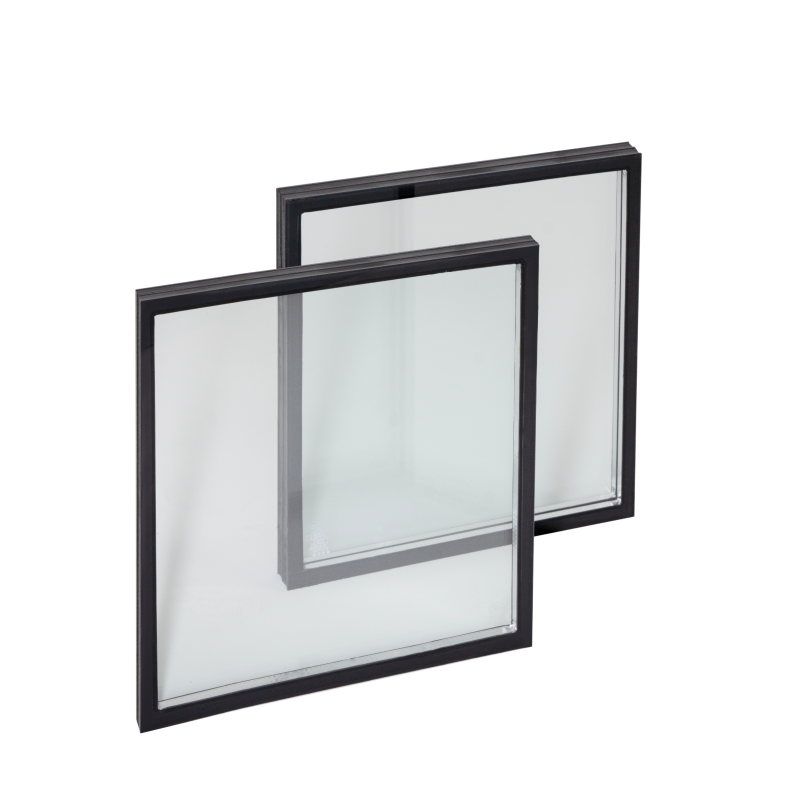
בסביבות שבהן הבטיחות האנושית נפגשת עם תכנון אדריכלי, הבחירות החומריות מאחור מחסומים שקופים הופכות לקритיות. זכוכית בטיחות מדורגת זוהי אחת הפתרונות היעילים ביותר למניעת פציעות קטסטרופליות הנגרמות משבירת זכוכית – סיכון שבעבר גרם לפגיעות חתכים חמורות, טראומה חודרת ותאונות קטלניות. בניגוד לזجاج ממולא רגיל, המתפצל לפסיפסים מסוכנים, או אפילו לזجاج מוחם, המתפצל לחתיכות קטנות, זכוכית בטיחות מצופה משתמשת בהרכב מבני ייחודי שמייצר הדבקה של חתיכות הזכוכית השבורות יחדיו, ובכך מפחיתה באופן דרמטי את הסיכון לפציעות חתך וסיכונים של חלקי זכוכית עפים. כדי להבין את המנגנון המדויק שבו חומר מהנדס זה מונע פגיעות שיברה, יש לבחון את הארכיטקטורה השכבותית שלו, את התנהגות השכבה הפולימרית הבין-שכבתית שלו בעת פגיעה, ואת תקני הביצוע במציאות שקובעים את השימוש בו ביישומים אוטומוביליים, אדריכליים ובטחוניים.
השאלה היסודית של איך זכוכית בטיחות מצופה מונעת פצעי שבירת זכוכית מתמקדת ביכולתה לשמור על הקוהרנטיות המבנית שלה במהלך אירועים של פגיעה ואחריהם. כאשר כוח חיצוני פוגע בפני הזכוכית, בין אם כתוצאה מהתנגשות אדם, פגיעה של שברי חומר או תקיפה מכוונת, שכבות הזכוכית עשויות לסתום אך יישארו דבוקות לשכבה הפולימרית המרכזית, ויוצרות דפוס של רשת עכביש במקום להתפזר לאגרוף מסוכן של שברי זכוכית. מנגנון ההכלה הזה ממיר מצב כשל פוטנציאלית קטלני למצב נזק מבוקר, שבו הזכוכית ממשיכה לפעול כמחסום הגנה גם לאחר ספיגת כוח משמעותי. עבור אדריכלים, מהנדסי בטיחות ומפקחי מתקנים שעוסקים בבחירת מערכות הגנה שקופות, ההבחנה בין זכוכית שמתפוצצת באופן מסוכן לבין זכוכית שיכולה להיכשל באופן בטוח מייצגת חלוקה יסודית באסטרטגיה להגנת התושבים.
הרכב המבני שמאחורי התנגדות לפגיעות
ארכיטקטורת רב-שכבות וביקורת בחירת החומרים
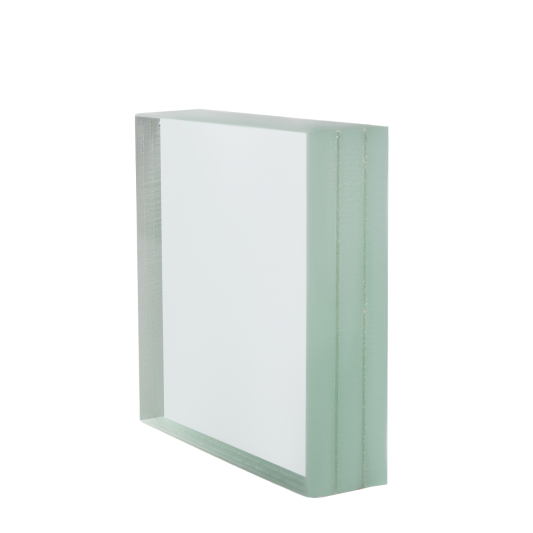
היכולת ההגנתית של זכוכית בטיחות לamination נובעת מבנייתה כסנדוויץ', שכוללת בדרך כלל שני לוחות זכוכית או יותר המחוברים לאחד או יותר שכבות פולימריות ביניים. החומר הנפוץ ביותר לשכבה הבינונית הוא פוליוויניל בוטיראל (PVB), אשר מאפיין אותו דבקות יוצאת דופן והתנהגות אלסטית המאפשרת לו להימתח במידה רבה לפני קריעה. כאשר מתרחשת התנגשות, הלוח החיצוני של הזכוכית עלול להתנפץ, אך השכבה הבינונית מתחילה מיד לחלק את אנרגיית ההתנגשות על פני שטח רחב יותר תוך שמירה על הדבקות לקטעי הזכוכית. מנגנון הפיזור הזה של האנרגיה מונע את ריכוז הכוח בנקודה אחת, מה שגרם бы לחדירה מלאה ולפליטת קטעי זכוכית לעבר הרכבים. לוחות הזכוכית עצמם יכולים להיות מוגרמים, מחוזקים בחום או מותמרים לחלוטין, בהתאם לדרישות הביצוע הספציפיות, כאשר כל תצורה מציעה יתרונות ייחודיים בעוצמה, בהתנגדות חום ובהתנהגות לאחר שבירת הזכוכית.
העובי והרכב של השכבה הבינונית משפיעים ישירות על רמת ההגנה שזجاج בטיחות מצופה מספק נגד פצעי שבירות. ביישומים אוטומobiliים סטנדרטיים משתמשים בדרך כלל בשכבות בינוניות של PVB בעובי 0.76 מ"מ, אשר מספקות הגנה בסיסית מפני הזרקה של הנהג והנוסעים וחדירה לזכוכית הקדמית בעת התנגשויות. יישומים אדריכליים הדורשים רמות ביטחון גבוהות יותר עלולים לכלול מספר שכבות PVB שסכומן מגיע למספר מילימטרים, או פולימרים חלופיים כגון אתילן-ויניל אצטט (EVA) או חומרים יוניים כמו SentryGlas, אשר מציעים קשיחות עליונה ותנגדות גבוהה לאחר שבירת הזכוכית. הקשר הכימי בין הזכוכית לשכבה הבינונית מתרחש בתהליך המציפה באוטוקלב, שבו חום ולחץ מפעילים את תכונות הדבקות של הפולימר ויוצרים צמד מולקולרי המقاום ניפוץ גם בתנאי מכה קיצונית.INTERFACE זה הדביקה נשאר שלם בתחומי טמפרטורות רחבים, ומבטיח ביצועים עקביים הן בתנאי קור קיצוני בחורף והן בחום קיצוני בקיץ.
התנהגות בין השכבות במהלך אירועים של פגיעה
כאשר קליע או גוף אנושי פוגע זכוכית בטיחות מדורגת השכבה הפולימרית הבין-זجاجית עוברת סדרה מורכבת של תגובות מכניות שמניעות פיצוץ מסוכן. בעת ההגעה הראשונית, פני השיש החיצוניים חווים מתח לחיצה שמעביר במהרה למתח מתיחה על הפנים הנגדית, מה שמתחיל את היווצרות הסדקים. כאשר הסדקים מתרחבים דרך עובי השיש, השכבה הבין-זجاجית נמתחת אלסטית, וסופגת אנרגיה קינטית שבעיקרה הייתה מזריקה את פיסות השיש קדימה. התכונות הוויסקו-אלסטיות של פוליבוטירל (PVB) ופולימרים דומים מאפשרות להן לעקוב ניכר ללא קריעה, ולעיתים למתוח עד לכמה פעמים מאורכן המקורי תוך שמירה על הקוהרנטיות שלהן עם חלקיקי השיש המחוברים אליהן. עיוות מבוקר זה יוצר ממברנה סופגת אנרגיה שמכבשת פגיעות משניות ומונעת מגבשים חדים ליצור קשר עם רקמת אדם, ובכך משנה באופן מהותי את מנגנון הפצעים – מפצעי חתך וטראומה חודרת לפגיעות כבדות עם חומרת פציעה נמוכה בהרבה.
התנהגות התלוייה בקצב של שכבות פולימריות בין-שכבות ממלאת תפקיד קריטי בתפקידה כמגן במהלך פגיעות במהירות גבוהה. בתנאי עומס איטיים, השכבה הבין-שכבות מציגה מאפיינים רכים יחסית וגמישים המאפשרים עיוות משמעותי. במהלך אירועים של פגיעה מהירה, כגון התנגשויות רכב או פגיעות של חפצים נישאים ברוח, החומר הזה עצמו מפגין קשיחות ויכולת ספיגת אנרגיה שגבוהות באופן דרמטי בשל תופעת הוויסקו-אלסטיות שלו. תלות זו בקצב משמעה שהזכוכית הבטיחותית הלמינטית הופכת מגינה יותר בדיוק כאשר מהירויות הפגיעה הן הגבוהות ביותר וסיכון לפצעים הוא הגדול ביותר. מחקרים על דינמיקת הפגיעה הראו שהשכבה הבין-שכבות לא רק מונעת את יציאת שברי הזכוכית, אלא גם מפחיתה את הכוחות המרביים המועברים דרך מערכת הזכוכית, ובכך מקלה על חומרת פגיעות הראש בחלונות במהלך תאונות רכב. שילוב של שמירת שברי הזכוכית והפחתת הכוחות מייצג מנגנון הגנה דו-ממדי שמתמודד בו זמנית עם סיכונים של חדירה וסיכונים של טראומה בלוטית.
מנגנוני מניעת פציעות ביישומים מעשיים
החזקת שברי חומר ומניעת קריעות
המנגנון העיקרי למניעת פציעות באמצעות זכוכית בטיחות מדורגת הוא החזקתה המוחלטת של שברי הזכוכית לאחר שבירתה, מה שמונע את התפזרותם כחצים חדים באוויר, כפי שמאפיין את כישלון הזכוכית המנוגנת. כאשר זכוכית קונבנציונלית מתפרצת, שברים בגודלים שונים – החל משברי דקר גדולים ועד חלקיקים קטנים יותר – נעשים לאוויריים או נופלים בחופשיות, ויוצרים שדה סיכון שמתפשט למספר מטרים מנקודת הכישלון. לשברים אלו קצוות חדים ביותר שיכולים לגרום לפגיעות חתוכות עמוקות בעור הגלוי, לקטיעה של כלי דם ולחדירה לאיברים חיוניים אם מהירות ההשפעה היא מספקת. ספרות רפואית מתעדת אלפי מקרים של פגיעות חמורות ומוות הנובעים מגע עם זכוכית שברה, במיוחד בתאונות רכב שבהן נוסעים מושלכים לעבר חלון הקדמי, או בתקלות בניינים שבהן זכוכית נופלת פוגעת ברווחים מתחתיה. זכוכית בטיחות מדורגת מאפסת לחלוטין את מצב הכישלון הזה על ידי השמירה על כל חלקיקי הזכוכית מחוברים לשכבה הבינונית, ובכך ממירה שדה סיכון תלת-ממדי ללוח פגוע דו-ממדי שנותר בתוך מסגרתו.
הגאומטריה של תבניות השבר בזجاج בטיחות מצופה תורמת נוספת למניעת פצעים על ידי מניעת היווצרות סוגי הפסיפסים המסוכנים ביותר. כאשר השכבה החיצונית של הזجاج נשברת, סדקים נוטים לזרום מהנקודה שבה התרחש המפגש בתבנית אופיינית של רשת עכביש, ויוצרים פסיפסים שנותרים מוגבלים על ידי הזجاج הסמוך שלא נשבר והשכבה הבין-למיתית שמתחתיה. תבנית הסדקים הזו שונה באופן יסודי מההתפיסה המלאה הנראית כשיש כשל בזجاج ממולא, שם לוחות שלמים קורסים לפסיפסים נפרדים וניידים. גם במקרים שבהם כוח המפגש מספיק כדי לשבור לחלוטין את שתי שכבות הזجاج, השכבה הבין-למיתית שומרת על מיקומן היחסי של הפסיפסים זה ביחס לזה, ומונעת מסידורים פרטניים להסתובב למצבים שיגרמו לנקודות חדה או לקצוות חדים להצביע לעבר רקמות אנושיות אפשריות. יציבות המיקום הזו משמעה שזجاج בטיחות מצופה שניזוק קשות עדיין מציג פני שטח חלקים יחסית ומעוותים, ולא שדה של פסיפסים בולטים, ובכך מקטינה באופן דרמטי את הסיכון לפצעי חתך במהלך אירועים של מגע שני.
החזקת הרכבים והגנה מפני היעדרם
בישומים של בטיחות רכב, זכוכית בטיחות מדורגת ממלאת תפקיד קריטי במניעת היעדרם של נוסעים בעת תאונות התהפכות ותאונות התנגשות במהירות גבוהה, פעולה שמניעה באופן ישיר פציעות קטסטרופליות הקשורות לגוף אנושי לא מאובטח שמתנגש בכביש או באובייקטים סמוכים. סטטיסטיקות מחקר הבטיחות התעבורי מראות באופן עקבי כי היעדרם מהרכב מגביר את הסיכון למוות בגורם של ארבעה עד חמישה לעומת נוסעים שמוחזקים בתוך הרכב, מה שהופך את שלמותה של הזכוכית הקדמית בעת תאונות לנושא בטיחות עליון. השכבה הפולימרית הבין-זכוכית בזכוכית הבטיחות המדורגת לרכב מספקת חוזק מספיק כדי להתנגד חדירה של הראש והגּוּף האנושי גם כאשר שכבות הזכוכית נשברות לחלוטין, ויוצרת מחסום גמיש אך שלם שמחזיק את הנוסעים בתוך תאי הנוסעים המוגנים. פונקציית החזקה הזו פועלת בשיתוף עם חגורות הבטיחות והכריות האוויריות כדי לשמור על הנוסעים במיקומים שבהם מערכות ההגנה המשלימות יכולות לפעול כמתוכנן, ומשפרת באופן יסודי את סיכויי הישרדות בתאונות התנגשות קשות.
מאפייני ספיגת האנרגיה של זכוכית בטיחות מדורגת במהלך אירועים של פגיעה בראש מהווים מנגנון חשוב נוסף למניעת פציעות הן בהקשר האוטומובילי והן בהקשר האדריכלי. כאשר ראש אדם פוגע בחלון במהלך התנגשות או נפילה, הפנייה הראשונית לזכוכית מהווה רק את המופע הראשון באירוע הפגיעה. אם הזכוכית מתפרצת לחלוטין ולא מספקת התנגדות, הראש עלול להמשיך דרך הפתיחה ולהתנגש באלמנטים מבניים קשיחים מעבר לה, או שהאדם עלול להתפזר לחלוטין. זכוכית בטיחות מדורגת מספקת התנגדות מבוקרת לאורך כל סדרת הפגיעות, ומאפשרת לזכוכית להתפרק ולשכבה הבינונית למתוח תוך כדי замniejszenie מהירות רציפה של הראש, ובכך מפזרת את האנרגיה הקינטית לאורך זמן ומרחק ממושכים. замniejszenie מהירות מבוקר זה מפחית את הכוחות המרביים שמתפתחים על הגולגולת והמוח, ומכך נמוך יותר הסיכון לפציעה מוחית טראומטית בהשוואה למצבים שבהם הראש עובר דרך פתיחה ומתנגש בפני שטח קשה שני, או פוגע בזכוכית קשיחה שלא מתעקלת. בדיקות ביומכניות הכמינו את השפעות ההגנה הללו, והראו הפחתה מדידה בערכים של קריטריוני פציעה בראש כאשר משווים זכוכית בטיחות מדורגת למערכות זכוכית חלופיות.
סטנדרטים לביצועים ופרוטוקולי בדיקה
דרישות רגולטוריות לזכוכית בטיחות
השימוש בזכוכית בטיחות מדורגת ביישומים שבהם סביר שיקרה מגע אנושי כפוף לתקנים מקיפים לבטיחות שקובעים דרישות מינימליות לביצוע בתחום התנגדות הפגיעה והתנהגות לאחר השבר. בצפון אמריקה, תקן ה-ANSI Z97.1 והתקנות 16 CFR 1201 של המועצה להגנת הצרכן קובעים פרוטוקולי בדיקות שמביאים את חומרי הזכוכית למגע עם גופי פגיעה סטנדרטיים המייצגים מכות גוף אנושי בגבהים שונים. מבחנים אלו מסווגים זכוכית בטיחות מדורגת מוצרים לפי היכולת שלהם להתנגד לשבירה לחלוטין או, במקרה של שבירת זכוכית, למנוע את התפזרות הקטעים המסוכנים ויצירת פתחים שיאפשרו מעבר גוף אנושי. חומרים העולים במשימה זו של מבחני קשיחות קפדניים מקבלים אישור לשימוש במיקומים מסוכנים כגון דלתות, חלונות צדדיים, תאי אמבטיה ומקלחת, וזכוכית בגובה נמוך, שבה מגע אנושי אקראי מהווה סיכון צפוי. שיטת המבחנים מבטיחה שזגוגיות בטיחות מדורגות מספקות ביצוע הגנה עקבי לאורך טווח האנרגיות של הפגיעה הנתקלות במציאות.
התקנים הבינלאומיים לביצוע זכוכית בטיחות מצופה כוללים את מערכת הסיווג האירופאית EN 12600, העוסקת הן בהתנגדות לפגיעה והן בתכונות ההתפזרות לאחר שבירת הזכוכית, באמצעות בדיקות פגיעה עם מטוטלת. תקן זה ממיין מוצרים של זכוכית מצופה לקטגוריות ספציפיות על-פי הגובה ממנו חייב ליפול גוף פגיעה סטנדרטי כדי לגרום לשבר, ומעריך גם את דפוס השבירה לפי גודל הפסיעות, התפלגות הקרעים והצגת פתחים מסוכנים. הקטגוריות הגבוהות ביותר בבטיחות דורשות שזכוכית הבטיחות המצופה תשמור על מחסום שלם גם לאחר ספיגת פגיעות המשבירות לחלוטין את שתי שכבות הזכוכית, ללא ניפוץ של פיסות מהשכבה הבינונית וללא פתחים גדולים מספיק כדי לאפשר מעבר של כדור בקוטר 76 מ"מ. דרישות קשיחות אלו מבטאות כי זכוכית בטיחות מצופה מתאימה תמנע פציעות הנגרמות משיברות בכל טווח הסיטואציות הראליות של פגיעה – החל מנפילת ילדים נגד דלתות מרפסת ועד להתנגשויות של מבוגרים במחיצות זכוכית בעת פינוי חירום. עמידה בתקנים אלו מספקת לאדריכלים ולמומחי הבטיחות אחריות כמותית לכך שהמערכות המוצבות של הזכוכית יקיימו את תפקידן ההגנתי בעת הצורך.
سينאריות השפעה בעולם האמיתי ואישור ביצועים
מעבר לבדיקות מעבדה, יעילות מניעת הפצעות של זכוכית בטיחות לamination אומתה על ידי עשרות שנים של נתוני ביצועים מהעולם האמיתי מהתנגשויות רכב, אירועים בבניינים ופריטי אבטחה. טכנולוגיית הווינדשילד מספקת את קובץ הנתונים המורחב ביותר, עם מיליוני התנגשויות רכב מדי שנה שנותנים עדות אמפירית להתנהגות הזכוכית הבטיחותית הלמינטית בתנאים קיצוניים. מחקרים בשחזור תאונות מראים באופן עקבי כי ווינדשילדים רכבים מותקנים כראוי נשארים ברובם שלמים גם בהתנגשויות חזקות מקדימה, כאשר שכבות הזכוכית נשברות אך השכבה הבין-זגוגית שומרת על שלמות המחסום. הביצועים מהעולם האמיתי הללו תרמו להפחתה מתמדת בפציעות חתכים בפניים ובמקרי מוות עקב הזרקה החוצה של נוסעים, כפי שווינדשילדים של זכוכית בטיחות למינטית הגיעו לאימוץ אוניברסלי ברכבים פרטיים. הצלחת הטכנולוגיה ביישומים רכבים גרמה להרחבה בשימוש בה בהקשרים אדריכליים שבהם נחוצות יתרונות הגנה דומים, במיוחד בבתי ספר, מוסדות בריאות וסביבות אחרות שבהן אוכלוסיות פגיעות עלולות ליצור מגע עם זכוכית.
ניסויי השפעת הוריקן מספקים אימות מחמיר נוסף של יכולות מניעת פצעים של זכוכית בטיחות מודבקת בתנאי עומס קיצוניים. תקנות בנייה באזורים המושפעים מהוריקנים דורשות שמערכות הזכוכית יתנגדו חדירה של חפצים נישאים ברוח הנדפים במהירויות עד 50 מייל לשעה, ולאחר מכן יתמודדו עם עומסים ציקליים מתמשכים של לחץ שמייצגים את הלחצים החיוביים והשליליים המתרחשים במהלך מעבר הסופה. מערכות זכוכית בטיחות מודבקת אשר עונות לדרישות אלו, כגון אלו המאושרות לפי התקן ASTM E1996 או על פי פרוטוקולי מחוז מיאמי-דייד, מפגינות את היכולת לשמור על שלמות המחסום גם לאחר סבלן מספר פגיעות מחפצים גדולים, תוך כדי התמודדות עם עומסים מבניים השווים ללחצי הרוח של הוריקן בקטגוריית 5. רמת הביצוע הזו מתורגמת ישירות להגנה על התושבים בעת אסונות טבע, ומניעה לא רק פצעי שבירת זכוכית אלא גם חדירת חפצים, מים ורוח לתוך הפנים של הבניינים. המעטפת הגנתית שנשמרת על ידי זכוכית בטיחות מודבקת שנקבעה כראוי עשויה להיות ההבדל בין נזק קולקטיבי מינימלי לאי-תפקוד קטסטרופלי של הבניין באירועי מזג אוויר קיצוניים.
היבטים תכנוניים למניעת פגיעה מקסימלית
אופטימיזציה של עובי ודרישות נושא עומסים
בחירת תצורות מתאימות של זכוכית בטיחות מודבקת ליישומים ספציפיים דורשת ניתוח זהיר של תרחישים צפויים של פגיעה, עומסים סביבתיים וסובלנות לסיכון לפציעות. עובי הזכוכית הכולל, עובי השכבה המחברת וסוגה, והבחירה בין שכבות זכוכית מאונן, מחוזקות בחום או מומסות – כל אלה משפיעים על היכולת של המערכת למנוע פציעות עקב שבירת הזכוכית בתנאים שונים. ליישומי זכוכית בטיחות בסיסיים במיקומים פנימיים محمים, תצורות יחסית דקיקות כגון 3 מ"מ-0.76 מ"מ-3 מ"מ (סה"כ 6.76 מ"מ) עשויות לספק הגנה מספקת מפני מגע אינטימיות אנושי אקראי. סביבות מסחריות בעלות תנועה רבה, בתי ספר ומתקני בריאות דורשים בדרך כלל בנייה חזקה יותר, כגון תצורות 6 מ"מ-1.52 מ"מ-6 מ"מ, אשר מספקות התנגדות גבוהה יותר לפגיעות וגם חוזק לאחר שבירת הזכוכית. ליישומים חיצוניים הנמצאים תחת עומסי רוח, מתח תרמי וסיכון לשבירה מכוונת, נוהגים להשתמש לעיתים קרובות בתצורות עבות יותר, ובמתקנים קריטיים לביטחון משתמשים לעיתים קרובות בשכבות מפרידות מרובות ובעובי כולל העולה על 20 מ"מ כדי להתנגד לנסיונות פריצה בכוח, תוך שמירה על בטיחות התושבים.
הבחירה בחומר הביניים משפיעה באופן משמעותי על ביצועי ההגנה של זכוכית בטיחות מצולפת מעבר לשמירה בסיסית על הפסיפסים. חומרי ביניים סטנדרטיים מסוג PVB מספקים בהירות מעולה, הדבקה טובה ויעילות עלות לישומים כלליים של בטיחות, תוך שימור תכונות ההגנה שלהם בתחומי הטמפרטורה הרגילים ובתנאי ההזדקנות. חומרי ביניים מתקדמים כגון פולימרים אйונופלסטיים מציעים קשיחות גבוהה בהרבה ועוצמת עמידה לאחר שבירת הזכוכית, מה שמאפשר לזכוכית פגומה להמשיך לתמוך במשימות מבניות ולשמור על שלמות מחסום האבטחה גם לאחר נזק שיפגום במערכות מצולפות עם PVB קונבנציונליות. חומרים מתקדמים אלו נמצאים יישום בחלונות תקרה, בהתקנות אדריכליות עם מתחים גדולים, ובסביבות אבטחה שבהן שימור פונקציית המחסום לאחר התקפה ראשונית הוא קריטי. תהליך הבחירה חייב לשקול את היכולות המוגברות להגנה של שכבות ביניים מתקדמות לעומת עלותן הגבוהה יותר והסיכון לשבירת זכוכית מוגברת עקב העברת עומסים גדולים יותר לשכבות הזכוכית בעת אירועים של פגיעה. הגדרה נכונה דורשת הבנה של מנגנוני הפציעה הספציפיים הרלוונטיים לכל יישום, ותאום מבנה הזכוכית הבטיחותית המולחמת בהתאם.
מבחני התקנה ועיבוד השוליים
היעילות של זכוכית בטיחות לamination במניעת פציעות תלויה לא רק בתכונות החומר של הזכוכית עצמה, אלא גם במתודולוגיות ההתקנה הנאותות שמבטיחות שהמערכת תפעל כמתוכנן בעת אירועים של מפגש. תנאי התמיכה בקצוות משפיעים באופן קריטי על הדרך שבה נחלקת אנרגיית המפגש דרך אסמבלי הזכוכית ועל האם הזכוכית תישאר בתוך המסגרת שלה לאחר הפגיעה. קצוות נתמכים באופן רציף באמצעות זכוכית סיליקון מבנית או מערכות מסגרת נלכדות מספקות ביצועים עליונים על ידי הפצת המטענים לאורך ההיקף כולו, ובכך מפחיתות את ריכוזי המתח שעלולים לגרום לאי-תפקוד מוקדם של הקצוות. מערכות נתמכות בנקודות באמצעות חיבורים מכניים דורשות הנדסת זהירות כדי להבטיח שמיקומי החיבורים לא יוצרים מקומות בעלי מתח מרובה שיפגעו בהתנגדות למפגש, תוך הקפדה רבה על טיפול בקצוות, מיקום החורים ועובי השכבה הבינונית סביב החורים. مواصفות ההתקנה חייבות לתייחס לעיצוב המסגרת, למיקום בלוקי ההצבה, למרחיקים מהקצוות ולבחירת החומר החוסם, כדי להבטיח שאסמבלי הזכוכית יפעלו כמערכת הגנתית מאוחדת ולא כאוסף של רכיבים עצמאיים.
עיבוד השפה של זכוכית בטיחות מצולפת משפיע הן על ביצועיה המבניים והן על מאפייני הבטיחות שלה במקרה של מגע עם השפה לאחר ההתקנה. שפות חשופות של זכוכית מצולפת יוצרות פינות חדה שם שכבות הזכוכית והשכבה הבינונית נפגשות, מה שיכול ליצור סיכון לפגיעות חתך במהלך הפעלה, תחזוקה או במצבים בהם נזק מהתנגשות מגיע עד להיקף הזכוכית. עיבוד שפות מומס או מעוגל מסיר את האלמנטים החדים שנוצרו בתהליך החיתוך ומעגל מעט את פינות הזכוכית, מה שפוחת את סיכון המגע הזה אך לא מבטל אותו לחלוטין. ביישומים אדריכליים רבים נקבעת הגנה על השפות, כאשר המסגרות מקיפות לחלוטין את היקף הזכוכית, ובכך מונעות כל אפשרות של מגע אנושי עם שפות הזכוכית בשימוש רגיל. ביישומים ללא מסגרת, כגון מעקות זכוכית או מחיצות זכוכית, ניתן להוסיף כיסויי שפות או גaskets כדי לכסות את שפות הזכוכית המצולפת החשופות, ולספק משטח מגע מבודד. פרטים אלו בהתקנה מהווים את השכבה האחרונה באסטרטגיה מקיפה למניעת פציעות, אשר מתחילה בבחירת החומר, ממשיכה דרך בניית הזכוכית הנאותה, ומסתיימת בפרקטיקות התקנה שמשמרות את הכוונה להגנה לאורך מחזור החיים של הבניין.
יישומים מתקדמים וטכנולוגיות צומחות
זכוכית אمنית והתנגדות לשבירה בכוח
התכונות של זכוכית בטיחות מצולפת שמאפשרות לה להחזיק בקטינים ולחסוך מפצעי שבירת אקראי, מהוות גם את היסוד למערכות זכוכית אבטחה שנועדו להתנגד למתקפות מכוונות. על ידי שילוב מספר שכבות פולימריות עבות ובהשתמש בתרכובות פולימריות מיוחדות, זכוכית בטיחות מצולפת ברמת אבטחה יכולה לשרוד מכות חוזרות של פטישים, מקלות וכלי נשק עמומים אחרים, מבלי ליצור פתחים גדולים מספיק כדי לאפשר למחבל להיכנס. שכבות הזכוכית עשויות לשבור באופן נרחב תחת התקפה, אך מערכת השכבות הבינוניות שומרת על שלמות המחסום, ומכפה על המתקיפים להשקיע זמן רב וליצור רעש משמעותי כדי להשיג חדירה. יכולת ההשהיה הזו מספקת זמן קריטי לתגובה של צוות האבטחה בסביבות קמעונאיות, מוסדות פיננסיים ומתקנים ממשלתיים, שבהם מניעת גישה לא מורשית היא בעלת עדיפות עליונה. אותן תכונות שמניעות מקטיני הזכוכית לפגוע בתושבים של בניין בעת תאונות, מונעות גם מהמתקיפים לנקות במהירות את הזכוכית מהמסגרות כדי לחדור, ומשנות פתחים פגיעים למחסומים אפקטיביים לאבטחה.
זכוכית בטיחותית מצופה עמידה לפגיעות בליסטיות מייצגת את ההרחבה האולטימטיבית של טכנולוגיית השמירה על שברי זכוכית, תוך שימוש בשכבות זכוכית עבות מרובות ובשכבות פולימריות גמישות ביניהן כדי לספוג ולפזר את האנרגיה הקינטית של הצלפים, תוך מניעת חדירה ותופעת התפזרות מסוכנת של שברי זכוכית בצד המוגן. בנייות מתקדמות אלו עשויות לכלול יותר מעשרים רכיבי זכוכית ושכבות ביניות נפרדות, עם עובי כולל העולה על 50 מ"מ להגנה נגד תחמושת רובה בעוצמה גבוהה. התכונה הבטיחותית הקריטית של הזכוכית המצופה עמידה לפגיעות בליסטיות היא היכולת שלה לתפוס שברי צלפים ושברי זכוכית בצד המtáקף, תוך הצגה של משטח שלם או כמעט שלם בצד המוגן, מה שמבטיח שהאנוש הנמצאים מאחוריו של המחסום לא ייפגעו כתוצאה מתפזרות זכוכית גם כאשר המערכת נפגעת על ידי צלפים. תפקידה החיוני של מניעת התפזרות (spall) דורש הנדסת דיוק של עובי השכבה הבינית, הרכב החומר שלה ומאפייני הדבקות שלה, כדי להבטיח שמת tensions מתחים משיכתיים שנוצרים עקב פגיעה של צלף לא יגרמו להתפוצצות ותפזרות אקספלוסיבית של שכבה הסופית של הזכוכית. התוצאה היא מערכת הגנתית שקופה שמניעה בו זמנית פגיעות צלפים ופגיעות הנגרמות מתפזרות זכוכית, ומאפשרת תפעול בטוח של מבנים גם במהלך סценריוס התקפה פעילים.
אינטגרציה של זכוכית חכמה ופיתוחים עתידיים
טכנולוגיות נקצות מתפתחות מרחיבות את היכולות של זכוכית בטיחות מצופה מעבר למניעת פציעות סבירה לכוללת תכונות תגובה אקטיבית ופונקציונליות משופרות. שכבות ביניים אלקטרוכרומטיות שמשנות את העכירות שלהן כתגובה לזרם חשמלי יכולות להשתלב בבניית הזכוכית המצופה, ומספקות בקרה דינמית על הפרטיות וניהול חום שמשי ללא פגיעה בתכונות החזקה של הפסיפס שהן יסודיות למניעת פציעות עקב שבירת הזכוכית. שכבות ביניים פוטו-וולטאיות שיוצרות כוח חשמלי מאור השמש מושלבות כיום בזכוכית בטיחות מצופה לפאצדים של מבנים, ויוצרות מעטפות בניין יוצרות אנרגיה אשר שומרות על ביצועי הזכוכית הבטיחותיים המלאים. מערכות חיישנים משובצות, כולל אנטנות, אלמנטים מחממים ומעגלי זיהוי מכה, יכולות להיות מצופות בתוך מבנה השכבה הבינונית, ומוסיפות פונקציונליות תוך כדי הבטחת זיהוי מיידי ודיווח על כל אירוע שבירת זכוכית. מערכות הזכוכית הבטיחותית המוצפה המתקדמות הללו מראות כי יכולת מניעת פציעות יכולה לחיות בשלום עם אינטגרציה מתוחכמת למערכות בניין, ומאפשרות לאדריכלים לציין זכוכית שמתמודדת בו זמנית עם דרישות הבטיחות, האנרגיה, האבטחה והפעולה בתוך רכיב אחד בלבד.
המחקר בחומרי שכבות ביניים של דורות הבאים מבטיח שיפור נוסף בביצועי זכוכית בטיחות מצולפת במניעת פציעות. שכבות ביניים ננוקומפוזיטיות הכוללות חלקיקים ננו מפוזרים מציגות פוטנציאל לחיזוק, קשיחות ובלימת אנרגיית הפגיעה בהשוואה לנוסחאות הפולימריות הנוכחיות, מה שיכול לאפשר בנייה דקה יותר שנותנת הגנה שווה או טובה יותר. פולימרים בעלי יכולת עצמית לשיקום, אשר יכולים לתקן נזקים קלים באופן אוטונומי, עשויים להאריך את תקופת השירות של התקנות זכוכית בטיחות מצולפת תוך שמירה על תכונות ההגנה לאורך תקופות שימוש ממושכות. שכבות ביניים עם תכונות מכניות מדורגות, אשר משתנות לאורך עובי השכבה, עשויות לאפשר אופטימיזציה של התפלגות בלימת אנרגיית הפגיעה ותפקידי החזקת הפסיפס, ובכך לשפר עוד יותר את הביצועים ההגנתיים. ככל שחלופות חומרים אלו יעברו מהפיתוח המעבדתי לזמינות מסחרית, המנגנון הבסיסי שבו זכוכית בטיחות מצולפת מונעת פציעות עקב שבירת זכוכית יהפוך יעילה יותר, ויספק לעצמי העיצוב של מבנים כלים מתוחכמים יותר להגנה על התושבים באינטראקציות עם מעטפות מבנים שקופות.
שאלה נפוצה
מה הופך זכוכית בטיחות מלווה ליעילה יותר במניעת פציעות לעומת זכוכית מותאמת?
זכוכית בטיחות מדורגת מונעת פציעות על ידי שימור הפסיפסים, כך שכל פיסות הזכוכית השברות נישאות למתנה הפולימרית הבין-שכבותית ומבטלות את התופעה של גשם של חלקיקים קטנים המתרחשת כשזכוכית מזדקרת. אם כי זכוכית מזדקרת מתפצלת לפיסות קטנות יחסית ופחות חודדות בהשוואה לזכוכית ממולאת, פיסות אלו עדיין מתפצלות לחלוטין ויוכלו לגרום לפציעות בעיניים, חתכים קלים ולתנאי הליכה מסוכנים. זכוכית בטיחות מדורגת שומרת על שלמות המחסום גם לאחר שבירתה, ומונעת מהפיסות הזכוכית להגיע לנוסעים, וכן ממשיכה לספק הגנה מפני פגיעות משניות, חדירה של מזג אוויר וכניסה לא מורשית. ביישומים הכוללים סיכון לפגיעה אנושית או בהם שימור מחסום הגנה לאחר נזק הוא קריטי, בניות מדורגות מספקות מניעת פציעות עליונה לעומת זכוכית מזדקרת לבדה, אף על פי שבחלק מיישומים בעלי ביצועים גבוהים משתמשים בשכבות זכוכית מזדקרת בתוך מבנים מדורגים כדי לשלב את היתרונות של שתי הטכנולוגיות.
האם זכוכית בטיחות מדורגת יכולה לאבד את תכונות ההגנה שלה עם הזמן?
זכוכית בטיחות מצופה, המיוצרת והמוצבת כראוי, שומרת על יכולותיה למניעת פצעים לאורך עשורים של שירות, בתנאי שהיא מוגנת מפני חדירת לחות לקצוותיה ומן חשיפה קיצונית לסביבה. השכבה הפולימרית הבין-שכנית נאטמת בתוך שכבות הזכוכית במהלך הייצור, מה שמגן עליה מפני חשיפה ישירה לאור УФ, חמצן ולחות שיכולות לפגוע בתכונותיה. איטום הקצוות באמצעות איטמים מתאימים מונע את חדירת הלחות אל השכבה הבין-שכנית דרך ההיקף, אשר מהווה את מסלול הידרדרות העיקרית. סימנים חזותיים של התנתקות, כגון ערפלות, בועות או הפרדה בקצוות, מצביעים על כך שלחות פגעה בשכבה הבין-שכנית, ועל הזכוכית המוצפת יש להיבדק לצורך החלפה. בתנאי שירות רגילים עם איטום קצוות תקין, התקנות של זכוכית בטיחות מצופה בבניינים הראו ביצוע יעיל במשך חמישים שנה ויותר, כאשר תכונות החזקת הפסיפס נותרות שלמות לאורך כל תקופת השירות. בדיקה תקופתית של מצב הקצוות ותיקון מיידי של כל כשל באיטום מבטיחים המשך ביצוע הגנתי.
האם זכוכית בטיחות מודבקת מספקת הגנה נגד כל סוגי הפגיעות?
זכוכית בטיחות מצופה מעוצבת כדי למנוע פגעי שבירת זכוכית במגוון רחב של מקרי התחבטות, אך רמת ההגנה הספציפית תלויה בהרכב הזכוכית והשכבה הבינונית. תצורות זכוכית בטיחות אדריכלית סטנדרטית מספקות הגנה אמינה מפני מגע אנושי אקראי, חלקי זכוכית או עצמים אחרים הנישאים ברוח במהלך סופות מתונות, ומנסים ונדליזם קלים. תצורות ביצוע גבוה יותר עם שכבות בינוניות עבות יותר ומספר רב של שכבות זכוכית יכולות לעמוד בניסיונות פריצה בכוח, בזריקות נגרמות על ידי הוריקנים ואף בסיכונים בליסטיים, בהתאם לעיצוב הספציפי. עם זאת, לכל תצורה של זכוכית בטיחות מצופה יש גבולות לאותה כמות אנרגיית התחבטות שהיא יכולה לספוג לפני שהשכבה הבינונית נקרעת או שזכוכית מוזזת לחלוטין מהמסגרת שלה. מפרט נכון דורש התאמה של מבנה הזכוכית למקרי האיום המאמינים לכל יישום, כאשר ייעצים בתחום הבטיחות ומומחים בזכוכית מספקים הנחיה בנוגע לתצורות המתאימות לדרישות הגנה ספציפיות. התכונה המרכזית להגנה בכל התצורות היא שאפילו כאשר כוחות התחבטות עולים על היכולת להתנגדות של המערכת, אופן הכשל הוא מתיחה של השכבה הבינונית ונזק מבוקר, ולא שבירת זכוכית קטסטרופלית שיוצרת סיכונים חמורים לפציעות.
איך הטמפרטורה משפיעה על ביצועי זכוכית בטיחות מדורגת במניעת פציעות?
שכבת הבין-פולימרית בזכוכית בטיחות רבודה מציגה תכונות מכניות תלויות טמפרטורה, הופכת נוקשה ושבירה יותר בטמפרטורות נמוכות תוך ריכוך בטמפרטורות גבוהות, אך היא שומרת על יכולות שמירה על רסיסים לאורך כל טווח תנאי הסביבה הרגילים. בטמפרטורות קיפאון, שכבות ביניים של PVB מפגינות התארכות מופחתת לפני כשל אך נוקשות מוגברת שיכולה למעשה לשפר את העמידות לשבירת זכוכית ראשונית. בטמפרטורות גבוהות המתקרבות ל-70-80 מעלות צלזיוס, שכבות הבין-פולימר מתרככות והופכות גמישות יותר, מה שמאפשר סטייה גדולה יותר במהלך פגיעה אך שומר על הידבקות לשברי זכוכית. שכבות בין-פולימר סטנדרטיות של PVB מתפקדות ביעילות מ-40 מעלות צלזיוס עד 70 מעלות צלזיוס, ומכסות כמעט את כל תנאי הסביבה הטבעיים המתרחשים. ניסוחים מיוחדים של שכבות בין-פולימרים ופולימרים חלופיים מרחיבים טווח זה עבור יישומי אקלים קיצוניים או מכלולים מדורגים באש. תפקוד מניעת הפציעות הקריטי של שמירת שברי זכוכית מחוברים לשכבה הבין-פולימרית נשאר יעיל לאורך כל טווח הטמפרטורות הזה, ומבטיח שזכוכית בטיחות רבודה מספקת הגנה אמינה ללא קשר לשינויי טמפרטורה עונתיים או למיקום הבניין. מכלולי זכוכית רבודה מדורגים באש משתמשים בשכבות בין-פולימר מתנפחות מיוחדות המתרחבות ומתפחמות כאשר הן נחשפות ללהבות, שומרות על שלמות המחסום ומונעות הן התפשטות אש והן שבר זכוכית במהלך שריפות מבנים.