EN
EN


זכוכית על-ברורה מייצגת התקדמות משמעותית בטכנולוגיית הפוטוoltaיקה, ומציעה תכונות מעורבות אור עליונות שיכולות להשפיע ישירות על יעילות הפאנלים הסולריים. ככל שמערכות האנרגיה הסולרית ממשיכות להתרחב ברחבי העולם, הבחירה בחומר הזכוכית המכסה הופכת קריטית יותר ויותר למקסום תפוקת האנרגיה והשווה על ההשקעה. השאלה של האם זכוכית על-ברורה יכול לשפר את ביצועי פאנלים סולריים אינו רק תיאורטי — זהו שיקול מעשי המשפיע על היתכנותם הארוך-טווח של פרויקטים סולריים בתחומים המגורים, המסחריים והתשתיתיים.
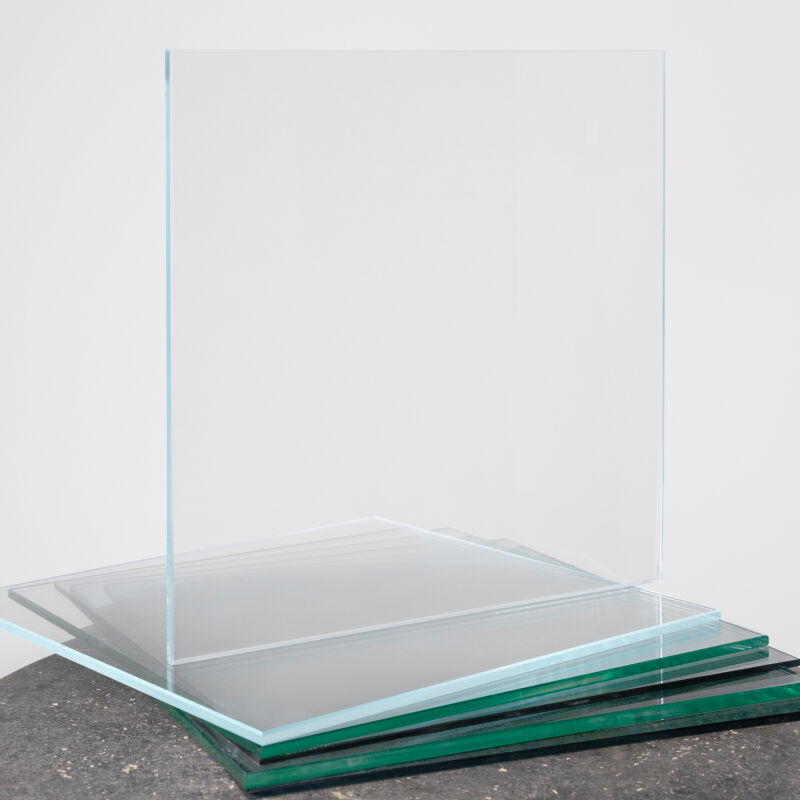
פוטנציאל השיפור בביצועים של זכוכית על-ברורה נובע מתכונותיה האופטיות الاستثنאיות ומכמות הפלדה הנמוכה בה, אשר מפחיתות לאפס את אובדי האור עקב ספיגה וריפוד. זכוכית ציפה מסורתית מכילה זריבות ברזל היוצרות גוון ירקרק וסופגות חלקים מהספקטרום הסולרי, במיוחד בטווח האינפרא אדום הקרוב, שבו תאים פוטו-וולטאיים מבוססי סיליקון עדיין יכולים לייצר חשמל. על ידי הסרת זריבות אלו, זכוכית על-ברורה מאפשרת ליותר פוטונים להגיע לתאי הסולר, מה שמייצר שיפור מדיד בייצור החשמל, המתרגם להכנסות מוגדלות לאורך זמן פעילות המערכת.
תכונות אופטיות ויתרונות בהעברת אור
הפחתת תוכן הברזל והעברת הספקטרום
ההבדל הבסיסי בין זכוכית צפה סטנדרטית לזכוכית על-ברורה נמצא בתכולת אוקסיד הפלדה שלהן. זכוכית סודה-lime רגילה מכילה כ-0.08% עד 0.15% אוקסיד פלדה, מה שמייצר פסי בליעה בטווח הנראה ובאינפרא אדום הקרוב. זכוכית על-ברורה מפחיתה את תכולת הפלדה הזו לפחות מ-0.015%, מה שמוביל לשיפור משמעותי בהעברת הספקטרום לאורך אורכי הגל שבין 380 ל-1100 ננומטר — הטווח שבו תאי סולאריים סיליקוניים פועלים ביעילות רבה ביותר.
הפחתה זו בתכולת הפלדה מתורגמת לשיפור מדיד בהעברת האור. בעוד שזכוכית צפה סטנדרטית מגיעה בדרך כלל ל-85–87% העברה של אור נראה, זכוכית על-ברורה יכולה להגיע ל-91–92% העברה. ביישומים סולאריים, ההבדל הזה נעשה בולט יותר כאשר לוקחים בחשבון את הספקטרום הסולארי בשלמותו, שם זכוכית על-ברורה מעבירה באופן עקבי 3–5% יותר מאור מאשר זכוכית סטנדרטית באורכי הגל הקריטיים.
היתרון הספקטרלי של זכוכית על-ברורה בא לידי ביטוי במיוחד בטווח של 700–1100 ננומטר, שבו תאים פוטוואולטיים סיליקוניים עדיין יכולים לייצר חשמל באופן יעיל. זכוכית סטנדרטית מפגינה בליעה הולכת וגוברת באזור זה של האינפראאדום הקרוב בגלל זריבות ברזל, בעוד שזכוכית על-ברורה שומרת על קצב העברה גבוה, מה שמאפשר ליותר פוטונים לתרום לייצור החשמל לאורך כל היום.
תכונות נוגדות השתקפות מאפייני המשטח
מעבר להפחתת תכולת הברזל, זכוכית על-ברורה כוללת לעיתים קרובות טיפולים מתקדמים במשטח שמשפרים עוד יותר את ביצועיה האופטיים. טיפולים אלו יכולים לכלול שichten נוגדות השתקפות שמקטינות את אובדן ההשתקפות משטח ב-4% הממוצע למשטח אחד לפחות מ-2%. כאשר שיכות אלו מתווספות לתכונות המובנות של נמוך-ברזל, הן יוצרות אפקט סינרגי שמקסם את העברת הפוטונים לתאי הסולאריים שמתחת.
איכות המשטח של זכוכית על-ברורה גם תורם ליתרונות הביצועים שלו. תהליכי היצור של זכוכית על-ברורה בדרך כלל כוללים בקרת איכות מחמירה יותר, מה שמביא למשטחים שטוחים יותר עם עיוותים אופטיים מועטים יותר. אחידות זו מבטיחה העברה עקיבה של אור בכל שטח הלוח, ומניעה של נקודות חמות מקומיות או שינויים ביעילות שיכולים לפגוע בביצועי המערכת הכוללים.
השילוב של תכולת ברזל נמוכה, טיפולים נגד החזרה ואיכות משטח עליונה יוצר השפעה מצטברת על ביצועי פאנל הסולאריות. כל שיפור תורם למטרה הכוללת של לספק יותר פוטונים לתאי הפוטו-וולטאיים, שם הם יכולים להומר לחשמל ביעילות מקסימלית.
שיפורים מובילים ביצועים שניתן למדוד
הגברת תפוקת ההספק בתנאי בדיקה סטנדרטיים
ניסויים מעבדתיים בתנאי בדיקה סטנדרטיים (STC) מספקים את הסביבה המ kontrolית ביותר למדידת השפעת זכוכית עליזה-אולטרה על ביצועי פאנלים סולריים. מחקרים שערך מוסדות ניסוי עצמאיים הראו באופן עקבי שיפור בביצועי הספק של 2–4% כאשר מחליפים זכוכית ציפה סטנדרטית בזכוכית עליזה-אולטרה בتكوين זהה של הפאנלים. שיפורים אלו נבעים ישירות מהגוברת בשטף הפוטונים שמגיע לתאי הסולר.
השפרות בביצועים הנובעות מזכוכית עליזה-אולטרה הופכות חשובות יותר כאשר מודדים אותן ברמות שונות של קרינה סולרית. אם כי האחוז של השיפור נשאר יחסית קבוע, הגידול המוחלט בספק החשמל עולה באופן פרופורציונלי עם עוצמת הקרינה הסולרית. בתנאי קרינה גבוהה, כגון אלה הנפוצים במתקנים תפעוליים גדולים באזורים חמים, הפקת החשמל הנוספת בזכות הזכוכית עליזה-אולטרה יכולה להצדיק את העלות הנוספות בחומר באמצעות הכנסות מוגברות.
נתוני ביצועים מהעולם האמיתי ממערכות מותקנות מאשרים את ממצאי המעבדה. נתוני ניטור מתקנות סולאריות ששוות בין לוחות עם זכוכית סטנדרטית ללוחות זהים עם זכוכית על-ברורה מציגים שיפור עקבי בתפוקת האנרגיה של 2.5–3.5% לאורך תקופות פעילות ממושכות. יתרון הביצוע הזה נשאר יציב לאורך כל היום ולכל תנאי עונתיים.
שיפור תגובת הספקטרום
יתרונות הביצועים של הזכוכית על-ברורה אינם מוגבלים לשיפור פשוט בהעברת האור, אלא כוללים גם שיפור בתכונות תגובת הספקטרום. התאים הסולאריים מפגינים יעילות קוונטית משתנה באורכי גל שונים, ותאום הזכוכית על-ברורה לספקטרום הנכנס יכול לשפר את הביצוע הכולל של התא מעבר למה שמדידות העברה בלבד עשויות להציע.
בחלק הכחול של הספקטרום (400–500 ננומטר), שבו תאי סיליקון מציגים יעילות קוונטית גבוהה אך זכוכית סטנדרטית מפגינה בליעה מוגברת עקב תכולת הברזל, זכוכית אולטרה-ברורה מספקת יתרונות מיוחדים. ההעברה המשופרת בטווח אורכי הגל הזה תורמת באופן לא פרופורציונלי ליצירת הזרם, מאחר שפוטונים בעלי אנרגיה גבוהה אלו מומרות ביעילות על ידי טכנולוגיות תאי סיליקון מודרניות.
השדרוג בתגובה באינפראאדום קרוב (700–1100 ננומטר) מהווה תורם חשוב נוסף לביצועים משופרים. אם כי כל פוטון בטווח זה נושא פחות אנרגיה, הריבוי שלהם בספקטרום השמש גורם לכך שהעברה משופרת דרך זכוכית אולטרה-ברורה יכולה לתרום משמעותית ליצירת הסה"כ של הספק트ום, במיוחד בשעות הבוקר המוקדם וערב ערב, כאשר הספקטרום השמשי מזדחל לאורך גל ארוך יותר.
השפעה כלכלית ותשואה על ההשקעה
שקולים לעלות ההון
העליה במחיר החומר עבור זכוכית על-ברורה נעה בדרך כלל בין 15% ל-25% מעל זכוכית ציפה סטנדרטית, בהתאם לעובי, לגודל ולדרישות העיבוד. עבור פאנל סולרי טיפוסי מסיליקון קריסטליני, הזכוכית מהווה כ-5–8% מהעלות הכוללת של המודול, כלומר העלאת המחיר עבור הזכוכית על-ברורה מתורגמת לעלייה של כ-1–2% במחיר הכולל של המודול. על עלייה זו בעלות להיערך בהשוואה לתועלות ארוכות טווח ביצור האנרגיה כדי לקבוע את היעילות הכלכלית.
גם שיקולים ייצוריים משפיעים על המשוואה הכלכלית. זכוכית על-ברורה דורשת תהליכי התכה מיוחדים וביקורת חומרים גולמיים שיכולים להשפיע על קיבולת הייצור וזמן ההובלה. עם זאת, ככל שגדל הביקוש למודולים סולריים בעלי ביצועים גבוהים, יצרני הזכוכית השקיעו בקווי ייצור מיוחדים לזכוכית על-ברורה, אשר עוזרים למתן את עלויות הפלוס תוך הבטחת זמינות אספקה עקבית.
ניתוח היחס בין עלות לתועלת הופך ליותר מוצדק עבור התקנות גדולות, שבהן הגידול המוחלט באנרגיה שמתאפשר באמצעות זכוכית אולטרא-ברורה יכול להיות משמעותי. פרויקטים בקנה מידה של חברת חשמל, בפרט, יכולים להצדיק את העלות הנוספת של החומר דרך שיפור גורמי הקיבולת והגדלת הכנסות לאורך תקופת הפעולה של המערכת – 25–30 שנה.
הגברת הכנסות ארוכת טווח
ההגברת הכנסות הנובעת מזכוכית אולטרא-ברורה נובעת ישירות מהגדלת ייצור האנרגיה לאורך תקופת הפעולה של מערכת הסולארית. שיפור של 3% בייצור האנרגיה מתורגם להגבהה של 3% בהכנסות, שהצטברות שלה מתרחשת לאורך עשורים של פעילות. עבור מערכות עם הסכמים לרכישת חשמל (PPA) או עם הסדרי מדידה נטו, ייצור האנרגיה הנוסף משפר באופן ישיר את היעילות הכלכלית של הפרויקט.
ניתוח תקופת החזרה מראה שיתרת העלות עבור זכוכית על-ברורה נפרעת בדרך כלל תוך 3–5 שנים בזכות הגדלת ייצור האנרגיה. יתרת 20 השנים והלאה של פעולת המערכת מספקת טובת כלכלית טהורה, מאחר שהיתרון בביצועים נמשך לאורך תקופת האחריות על הלוחות, ללא ירידה בתכונות האופטיות היוצרות את היתרון.
מודלים פיננסיים לפרויקטים סולריים משלבים יותר ויותר את ערך האורח הטיפוסי לטווח הארוך של חומרים איכותיים כמו זכוכית על-ברורה. מפתחי פרויקטים ובעלים של נכסים מבינים שגידול שולי בעלויות הראשוניות יכול לייצר תשואות מהותיות כאשר הוא מתפזר על פני עשורים של תפעול, במיוחד בשווקי החשמל בעלי הערך הגבוה בהם כל קילוואט-שעה נוסף של ייצור זוכה לתעריפי פרימיום.
תרחישים ליישום וגורמים להתאמה
סביבות עם קרינה גבוהה
זכוכית על-ברורה מדגימה את היתרונות הביצועיים המרביים בסביבות בהירות גבוהה, שבהן איכות משאב השמש מצוינת. התקנות במדבר, מערכות גגות באזורים החמים של העולם והפרויקטים היעודיים לספק חשמל באזורים בעלי קרינה נורמלית ישירה גבוהה יכולים לנצל במלואם את תכונות העברת האור שופרות של הזכוכית על-הברורה. בסביבות אלו, הגידול המוחלט באנרגיה הוא מספיק כדי להצדיק את העלות המוגבהת של החומר.
גורמים גאוגרפיים משפיעים גם הם על התאימות של הזכוכית על-הברורה ליישומים סולריים. אזורים עם שמיים צלולים באופן עקבי ועם חלקיקים אטמוספריים מינימליים מאפשרים להטמעת היתרונות האופטיים של הזכוכית על-הברורה לשיפור ביצועי משמעותי. לעומת זאת, אזורים עם כיסוי עננים שכיח או ערפל אטמוספרי עלולים לראות ירידה בהטבה, מאחר שתנאי הקרינה המפוזרת מפחיתים את היתרון הנובע מתכונות העברת הקרינה הישירה השופרות.
השיקולים העונתיים משפיעים גם על ערך ההצעה של זכוכית שקופה במיוחד. מערכות במיקומים עם שינויים עונתיים בולטים במשאבי השמש יכולים להרוויח מהביצוע המוגבר בחודשי הייצור המקסימלי, כאשר מאפייני ההעברה המשופרים של הזכוכית השקופה במיוחד תורמים לייצור מקסימלי של אנרגיה במהלך תקופות הייצור היקרות ביותר.
דרישות ביצועים מובילים
לחלק מהיישומים יש דרישה לביצועים מקסימליים מכל רכיב במערכת, מה שהופך את הזכוכית השקופה במיוחד למתאימה במיוחד, למרות העלויות הגבוהות יותר שלה. התקנות בעלות שטח מוגבל, שבהן כל מטר רבוע חייב לייצר את כמות החשמל המרבית האפשרית, יכולות להצדיק את השימוש בזכוכית השקופה במיוחד באמצעות צפיפות הספק משופרת. מערכות מסחריות על גגות, התקנות ביתיים עם שטח גג מוגבל, ופרויקטים מוצבים על הקרקע עם מגבלות בשימוש בקרקע – כולם נהנים מהיכולת לייצר חשמל רב יותר מאותו שטח.
שווקי החשמל בעלי הערך הגבוה יוצרים תנאים מועדפים לאמצה של זכוכית על-ברורה. תעריפי זמן שימוש, מבני חיוב ביקוש ושווקי אישורים מוגדלים לאנרגיה מתחדשת יכולים להפוך את היצירת חשמל הנוספת מזכוכית על-ברורה לבעלת ערך מיוחד. במקרי שימוש אלו, הביצועים המופרדים מתורגמים להכנסה גבוהה יותר לכל וואט מותקן, מה שמשפר את התשואה הכוללת של הפרויקט.
דרישות אחריות לביצוע בפרויקטים סולריים מסחריים גם כן תומכות באמצה של זכוכית על-ברורה. כאשר הביצוע של המערכת חייב לעמוד במטרות ייצור אנרגיה ספציפיות, השוליים הנוספים שמספקת זכוכית על-ברורה יכולים לעזור להבטיח את עמידת הפרויקט בהסכם ולמנוע קנסות בשל אי-עמידה בביצועים שיכולים לעלות על עלות החומר הנוספת.
שאלה נפוצה
בכמה יכול זכוכית על-ברורה לשפר את תפוקת ההספק של פאנלים סולריים?
זכוכית על-ברורה משפרת בדרך כלל את תפוקת הסוללות הסולריות ב-2–4% בהשוואה לזכוכית צפה סטנדרטית בתנאי מעבדה. התקנות בשטח מראות באופן עקבי שיפור בתפוקת האנרגיה של 2.5–3.5% לאורך תקופות פעילות ממושכות. שיפור זה נובע מתכולת הברזל הנמוכה יותר בזכוכית על-ברורה, אשר מאפשרת ליותר אור להגיע לתאים הפוטו-וולטאיים בכל הספקטרום הסולרי.
האם ההון הנוסף עבור הזכוכית על-ברורה מצדיק את השימוש בה במערכות סולריות למגורים?
ההון הנוסף עבור הזכוכית על-ברורה מוצדק בדרך כלל במערכות סולריות למגורים באזורים עם קרינה סולרית גבוהה או כאשר מגבלות שטח דורשות צפיפות הספק מקסימלית. ההון הנוסף משתלם בדרך כלל תוך 3–5 שנים בזכות הגדלת ייצור האנרגיה, ונותר עוד 20 שנה ויותר של חיי המערכת שמביאים יתרונות כלכליים נוספים. עם זאת, באזורים עם קרינה סולרית נמוכה או כאשר רגישות להוצאות היא גבוהה, הזכוכית הסטנדרטית עשויה לספק ערך טוב יותר.
האם זכוכית על-ברורה שומרת על היתרונות הביצועיים שלה לאורך זמן?
כן, זכוכית על-ברורה שומרת על היתרונות הביצועיים האופטיים שלה לאורך כל תקופת הפעולה של הפאנל הסולרי. בניגוד לתכונות ביצועים שעלולות לפגוע עם הזמן, התכולה הנמוכה של ברזל והתכונות המצוינות של העברה של הזכוכית על-הברורה נותרות יציבות במשך עשורים. כלומר, שיפור הביצועים הראשוני ממשיך לספק טובת הנאה לבעלי המערכת לאורך כל תקופת האחריות ומעבר לה.
אילו סוגי התקנות סולריות נהנים ביותר מזכוכית על-ברורה?
זכוכית על-ברורה מספקת את היתרונות הגדולים ביותר להתקנות בסביבות עם עוצמת קרינה גבוהה, יישומים המוגבלים במרחב ודורשים צפיפות הספק מקסימלית, ופרויקטים שדורשים ביצועים מובילים. התקנות בקנה מידה תפעולי באזורי מדבר, מערכות גגיות מסחריות עם מרחבים מוגבלים, והתקנות מגורים באקלים חם וمشמש עם מחירי חשמל גבוהים, בדרך כלל מפגינות את התשואה המיטבית על ההשקעה מהאמצה של זכוכית על-ברורה.