EN
EN


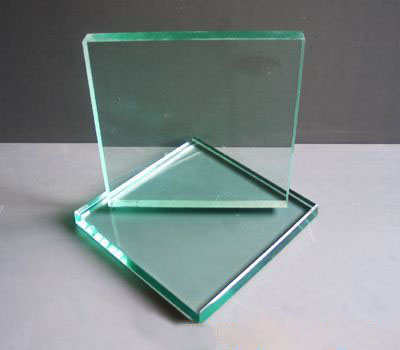
Float glass represents the most widely used type of flat glass in construction, automotive, and decorative applications worldwide. Since its invention in the 1950s, float glass has revolutionized the glazing industry by providing a cost-effective, high-quality alternative to older polished glass methods. Understanding what float glass is and how it's manufactured helps architects, builders, and engineers make informed decisions about material selection for projects ranging from residential windows to commercial curtain walls. The manufacturing process behind float glass is remarkably elegant, turning raw materials into perfectly flat, distortion-free sheets through a gravity-driven approach that has become the industry standard.
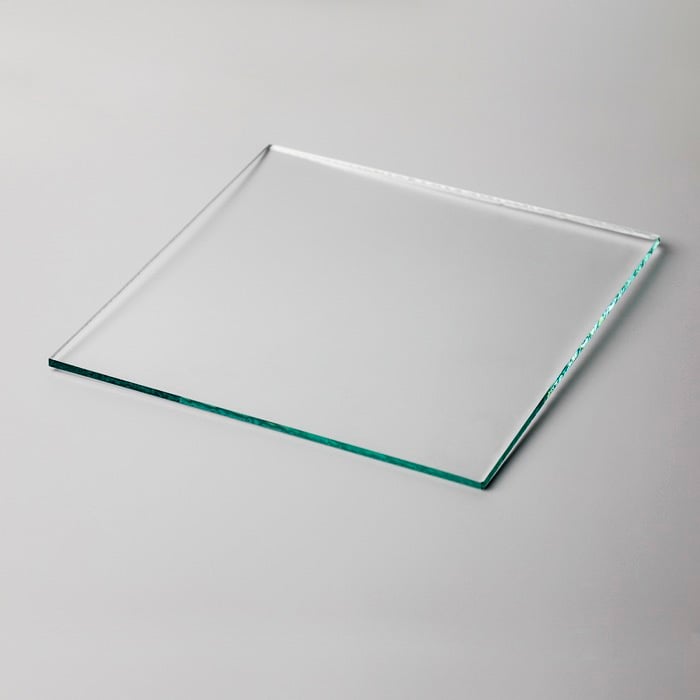
The defining characteristic of float glass lies in its exceptional flatness and optical clarity, achieved through a unique manufacturing technique that requires precise control of temperature, composition, and material flow. Unlike older grinding and polishing methods, float glass eliminates surface distortions that would otherwise compromise visual clarity and structural performance. This advancement transformed how the construction and automotive industries approach glazing, making float glass the default choice for windows, facades, and interior partitions in modern buildings.
Understanding Float Glass Composition and Properties
Raw Materials and Chemical Composition
Float glass begins with a carefully balanced mixture of silica sand, soda ash, limestone, and various chemical additives that determine the final product's properties. The primary component, silica sand, comprises approximately 70 percent of the mixture, while soda ash acts as a flux to lower the melting temperature and limestone provides stability to the finished float glass. Manufacturers introduce iron oxide and other trace elements to control light transmission and color, creating different variants of float glass suited to specific applications. The precise ratio of these ingredients is critical because even minor variations can affect the thermal properties, strength, and optical characteristics of the resulting float glass sheets.
Key Performance Characteristics
Float glass exhibits superior flatness compared to alternative glazing materials, with surface variations measured in fractions of a millimeter across large panels. This flatness makes float glass ideal for applications requiring high optical clarity, such as storefronts, display cases, and vehicle windshields where distortion would compromise visibility. The material offers excellent transparency across the visible light spectrum, though manufacturers can modify the float glass composition to filter ultraviolet radiation or reduce solar heat gain. Float glass also provides reasonable thermal resistance and can be further enhanced through tempering, laminating, or combining with insulating gas chambers to meet stringent energy performance codes.
The Float Glass Manufacturing Process
Melting and Composition Control
The manufacturing process for float glass begins in a melting furnace maintained at temperatures exceeding 1700 degrees Celsius, where raw materials dissolve into a homogeneous molten mass. Furnace design ensures thorough mixing and elimination of bubbles or impurities that would compromise float glass quality, with modern facilities using regenerative burners to achieve energy efficiency. The molten float glass flows continuously from the melting chamber into the next stage of production, where precise temperature control becomes essential for maintaining consistent material properties. Advanced monitoring systems track the composition and temperature throughout the melting stage, adjusting feed rates and energy input to ensure every batch of float glass meets strict specifications.
The Tin Bath and Floating Process
The transformative step in float glass production occurs when molten glass flows onto a bath of molten tin, where the glass floats and spreads into a perfectly flat sheet. This revolutionary technique, developed in the 1950s, relies on the fact that molten float glass floats on top of denser molten tin due to gravitational forces. The float glass spreads evenly across the tin surface, creating uniform thickness as it cools and solidifies while maintaining contact with the smooth tin surface. This floating process eliminates the need for grinding and polishing operations, significantly reducing production costs and improving surface quality compared to older flat glass manufacturing methods. The float glass remains on the tin bath for several minutes, allowing controlled cooling to approximately 600 degrees Celsius before proceeding to the annealing stage.
Cooling and Annealing
Once the float glass reaches optimal rigidity, rollers guide the sheet from the tin bath into a long annealing chamber where temperature is reduced gradually to room temperature. This controlled cooling process, essential to float glass production, prevents thermal stress and cracking that would result from rapid temperature changes. The annealing process can take several hours depending on the thickness of the float glass sheet, with thicker products requiring longer cooling times. During annealing, the molecular structure of the float glass stabilizes, ensuring mechanical strength and thermal shock resistance that make the material suitable for demanding applications. Manufacturers monitor the annealing profile continuously, adjusting heating and cooling rates based on float glass thickness and composition to achieve optimal internal stress distribution.
Applications and Selection of Float Glass
Architectural and Construction Uses
Float glass dominates architectural applications due to its combination of optical clarity, dimensional stability, and cost-effectiveness compared to specialty glazing materials. Building facades frequently utilize float glass in fixed windows, curtain wall systems, and glass block assemblies where the material's flatness ensures uniform appearance and consistent thermal performance. Interior partitions and glass doors in commercial buildings commonly employ float glass because the material provides transparency without the distortions that would otherwise compromise workplace aesthetics and sightlines. Float glass also serves as the substrate for many value-added products, including tempered float glass, laminated float glass, and insulated glazing units that meet modern energy codes and safety regulations.
Automotive and Industrial Applications
Automotive manufacturers rely heavily on float glass for vehicle windshields and side windows, where optical clarity and precise dimensions are non-negotiable. The float glass used in automotive applications undergoes additional processing, including tempering for safety and lamination to retain glass fragments in case of impact. Industrial equipment manufacturers specify float glass for display panels, protective barriers, and optical components where high transparency and minimal distortion are essential for proper function. Float glass also appears in consumer applications ranging from furniture glass tops to decorative panels, demonstrating the material's versatility across diverse market segments.
FAQ
What makes float glass different from other types of flat glass?
Float glass differs fundamentally because it's manufactured by floating molten glass on molten tin, which produces perfectly flat surfaces without grinding or polishing. This floating technique eliminates the surface distortions present in older drawn or rolled glass methods, making float glass superior for applications requiring optical clarity and dimensional precision. The float glass manufacturing process also delivers cost advantages over alternatives, as eliminating secondary finishing steps reduces production expenses and improves profit margins for manufacturers and end users alike.
Can float glass be recycled or reused in manufacturing?
Float glass can be recycled and reused in new float glass production, though contamination control is critical during collection and processing. Manufacturers can incorporate recycled float glass cullet into the raw material mixture, reducing energy consumption and raw material demands while maintaining product quality. The recycling of float glass reduces landfill burden and supports sustainability goals, though logistics and contamination prevention require investment in collection infrastructure and sorting systems.
How does thickness affect float glass properties and manufacturing?
Float glass thickness, typically ranging from 2 millimeters to 19 millimeters or beyond, directly influences mechanical strength, thermal properties, and annealing time during production. Thicker float glass sheets provide greater structural rigidity and sound dampening compared to thin varieties, making thickness selection critical for specific applications. The annealing process requires significantly longer cooling times for thick float glass, increasing production cycle time and energy consumption, while thinner varieties anneal rapidly and reach distribution stages sooner in the manufacturing sequence.