EN
EN


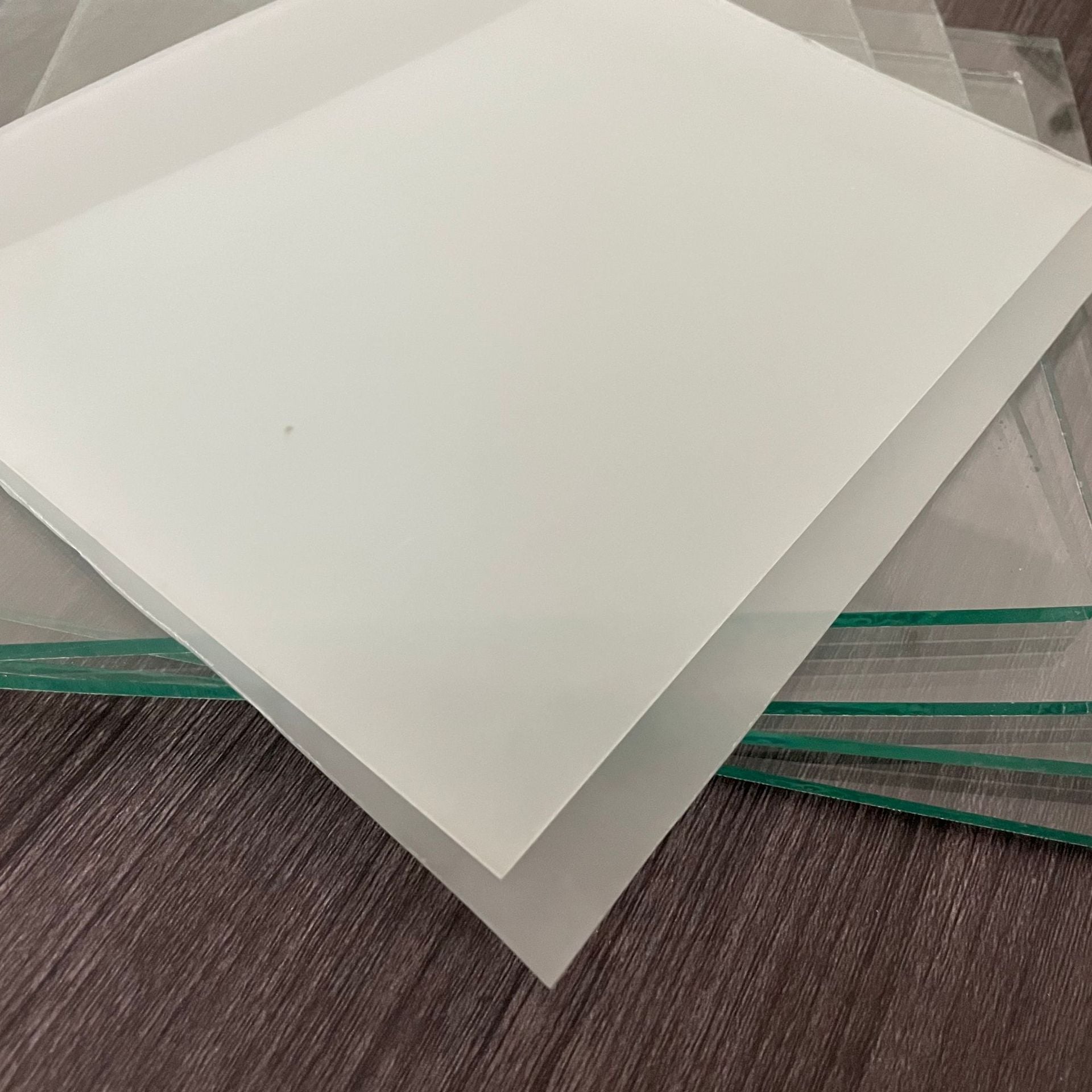
Satin etched glass is a sophisticated architectural and design solution that transforms how light interacts with interior and exterior spaces. By creating a subtle texture on glass surfaces, satin etched glass produces a beautiful soft light diffusion that reduces glare while maintaining visual clarity. This technique has become increasingly popular in residential, commercial, and industrial applications where aesthetics, functionality, and privacy must work together seamlessly.
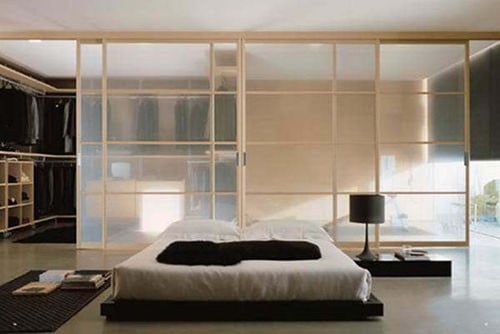
Understanding how satin etched glass creates soft light diffusion requires knowing the science behind surface texture and light behavior. When light strikes a smooth glass surface, it travels straight through or reflects at a sharp angle. However, satin etched glass modifies this behavior through microscopic surface irregularities that scatter light rays in multiple directions, creating the characteristic soft, diffused glow that designers and architects value in modern applications.
How Satin Etched Glass Creates Surface Texture
The Etching Process and Surface Modification
Satin etched glass is created through a controlled etching process that removes small amounts of material from the glass surface, leaving behind a micro-textured finish. This etching can be accomplished using hydrofluoric acid solutions, sandblasting, or mechanical grinding techniques. Each method produces slightly different texture profiles, but all result in the characteristic matte appearance that distinguishes satin etched glass from clear glass. The depth and uniformity of the etching directly influence how effectively the satin etched glass diffuses light throughout a space.
The etching depth for satin etched glass typically ranges from 5 to 25 microns, creating a surface that feels smooth to the touch while remaining visually distinct from untreated glass. Professional fabricators carefully control etching parameters to ensure consistent results across large panels. When satin etched glass receives this precise surface treatment, it becomes capable of scattering light evenly, eliminating harsh shadows and bright spots that would otherwise occur with transparent glass.
Material Composition and Glass Type
Different glass compositions affect how satin etched glass performs in light diffusion applications. Clear float glass is the most common base material for producing satin etched glass because it begins with excellent optical clarity and uniform thickness. Tempered glass can also be etched, creating satin etched glass with enhanced safety properties suitable for high-traffic environments. The choice between different glass types influences both the aesthetic qualities and functional performance of the final satin etched glass product.
The Physics of Light Diffusion in Satin Etched Glass
Light Scattering and the Diffusion Mechanism
When light contacts satin etched glass, the irregular micro-texture acts as countless tiny reflective and refractive surfaces. Unlike smooth glass, which transmits light in a linear path, satin etched glass breaks up light rays and distributes them across a broader spectrum of angles. This fundamental difference explains why satin etched glass eliminates glare and harsh shadows. The light diffusion properties of satin etched glass make it invaluable for spaces requiring even, soft illumination without the transparency of clear glass.
The degree of light diffusion depends on the texture profile created during etching. Deeper, more pronounced textures on satin etched glass produce greater scattering, resulting in more diffuse light. Shallower etching on satin etched glass still provides significant diffusion while maintaining slightly higher optical transmittance. Designers select satin etched glass variations based on their specific lighting needs and desired balance between diffusion and visibility.
Transmittance and Opacity Characteristics
Satin etched glass typically maintains between 75 and 85 percent light transmittance, meaning it allows substantial light passage while still providing complete visual privacy. This transmittance level makes satin etched glass superior to many opaque alternatives because it diffuses light rather than blocking it. The soft, luminous quality of spaces with satin etched glass results from this optimal balance between light transmission and diffusion.
The opacity of satin etched glass depends on viewing angle and lighting conditions. When backlit, satin etched glass appears semi-transparent with a soft glow. When front-lit, it presents a fully obscured, frosted appearance. This dual-character property of satin etched glass makes it exceptionally versatile for applications where different effects are desired under varying lighting scenarios.
Applications and Practical Benefits of Satin Etched Glass
Interior Design and Architectural Applications
Satin etched glass is widely used in interior partitions, glass doors, and window treatments throughout commercial and residential buildings. The soft light diffusion provided by satin etched glass creates elegant spaces while maintaining functional privacy between areas. In offices, satin etched glass allows natural light to flow between conference rooms and hallways while preventing direct visual contact. Residential applications of satin etched glass include bathroom doors, shower enclosures, and interior windows where homeowners value both aesthetics and privacy simultaneously.
Architectural designers specify satin etched glass for its ability to add sophistication to modern and contemporary interiors. The subtle texture of satin etched glass photographs beautifully and provides visual interest without the busy pattern of decorative glass. Custom etching patterns on satin etched glass allow brands and designers to create unique identities in commercial spaces while maintaining the core benefit of soft light diffusion.
Functional Benefits and Performance Advantages
Beyond aesthetics, satin etched glass delivers practical performance benefits that justify its cost premium over clear glass. The soft light diffusion from satin etched glass reduces eye strain in workspaces by eliminating glare from monitors and overhead lighting. Fingerprints and dust are less visible on satin etched glass compared to clear glass, reducing maintenance requirements in high-traffic areas. The matte finish of satin etched glass also minimizes reflections, which can be important in retail environments and display areas.
Thermal and acoustic properties are slightly enhanced in satin etched glass applications. The surface modification of satin etched glass can slightly improve sound dampening characteristics. Additionally, satin etched glass can be combined with laminated or insulated glass units to provide superior thermal and acoustic performance in demanding architectural applications.
Installation and Maintenance Considerations
Installing satin etched glass requires the same professional expertise as standard glazing, with no special tools or techniques required. The edge quality of satin etched glass should be properly finished to prevent sharp edges, and frames must accommodate the glass thickness. Maintenance of satin etched glass is straightforward, requiring only standard glass cleaning products and techniques. The matte surface of satin etched glass is more forgiving than clear glass regarding water spots and residue visibility.
FAQ
Does satin etched glass provide complete privacy?
Satin etched glass provides effective visual privacy during daytime when light is even, but backlighting can create silhouettes if viewing occurs at night with internal lighting bright and external areas dark. For applications requiring absolute privacy regardless of lighting conditions, combining satin etched glass with additional window treatments or using thicker etching profiles enhances privacy performance.
Can satin etched glass be used in wet environments like bathrooms?
Yes, satin etched glass is commonly used in bathrooms, shower enclosures, and wet areas. The etched surface does not absorb water or degrade when properly installed. Tempered satin etched glass is recommended for shower doors because it provides both the diffusion benefits and safety performance required in high-moisture environments.
How does satin etched glass compare to frosted glass in terms of light diffusion?
Satin etched glass and frosted glass create similar soft light diffusion effects through comparable surface textures. The primary difference lies in the etching method and resulting texture profile. Satin etched glass typically has a more uniform, refined appearance, while frosted finishes can vary in texture uniformity. Both effectively diffuse light, and selection often depends on aesthetic preference and specific project requirements.