EN
EN


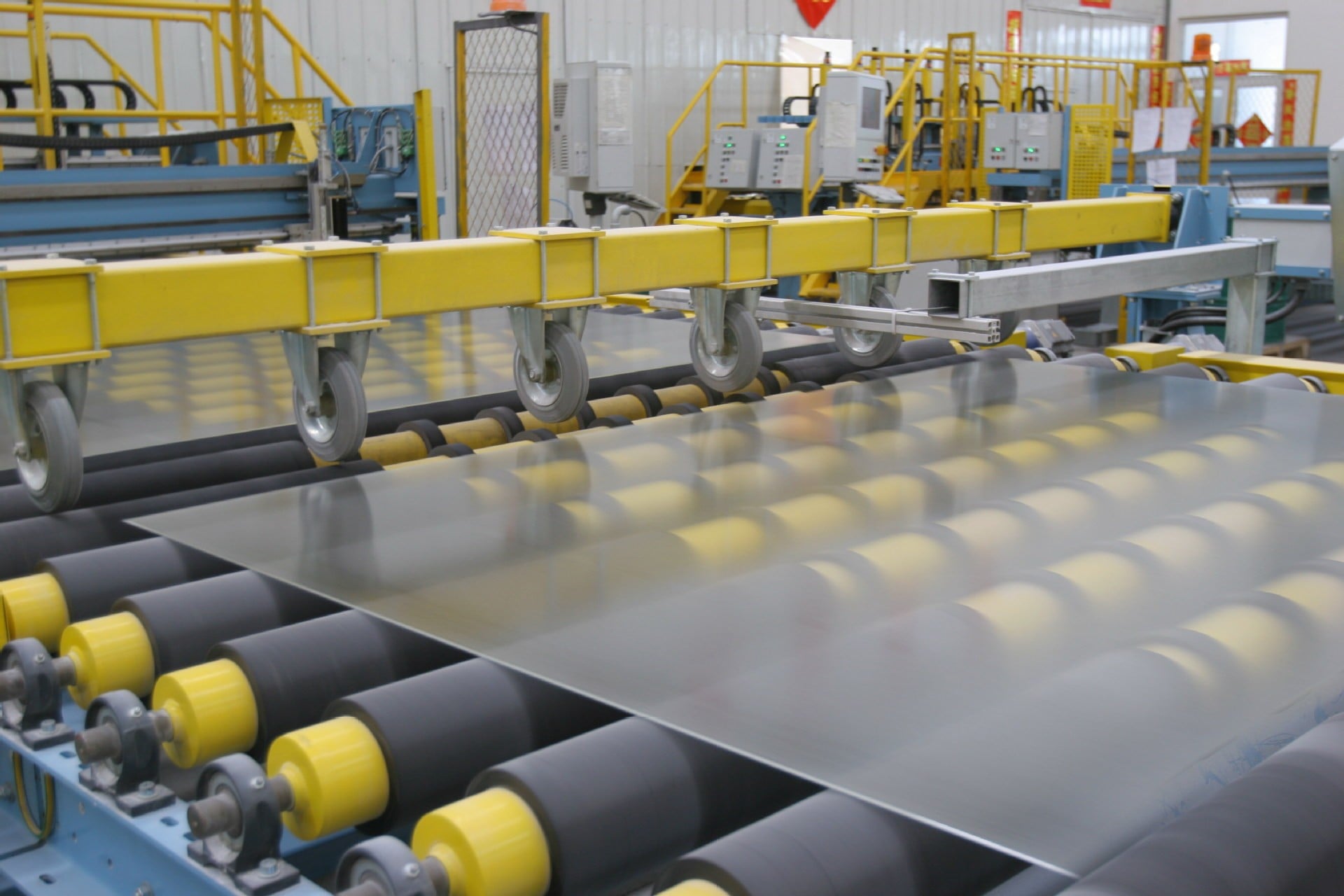
Solar energy efficiency depends critically on how much light reaches the silicon cells inside photovoltaic modules. One of the biggest challenges in solar technology is reflection loss—the phenomenon where light bounces off the glass surface instead of entering the module. This is where solar patterned glass becomes transformative. By engineering the surface at the microscopic level, solar patterned glass reduces unwanted reflections and allows more usable light energy to penetrate the module, directly boosting power output and overall system performance.
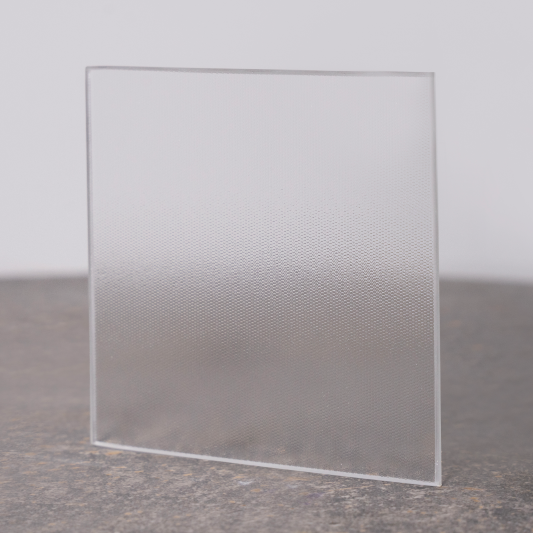
Understanding how solar patterned glass manages reflection is essential for manufacturers, installers, and engineers seeking to optimize module output. The technology works through a combination of surface patterning, anti-reflective coatings, and material selection. When these elements work in concert, solar patterned glass can increase light transmittance significantly, translating to measurable gains in kilowatt-hour production over the lifetime of a solar installation.
The Physics of Reflection Loss in Solar Modules
What Causes Reflection at the Glass Surface
Reflection occurs when light traveling through air strikes glass at the interface. The refractive index mismatch between air (approximately 1.0) and glass (typically 1.5) causes a portion of incoming light to bounce back rather than refract into the material. Without intervention, standard glass can reflect 4 to 8 percent of incident sunlight, depending on the angle of incidence and wavelength. This may seem small, but across a 25 to 30 year lifespan, cumulative energy loss becomes substantial. Solar patterned glass addresses this fundamental optical challenge through deliberate surface engineering.
Why Standard Glass Underperforms
Flat, untreated glass surfaces are inherently inefficient at collecting solar energy. The reflection rate increases at steeper angles, meaning afternoon performance often suffers more than morning performance when the sun is lower on the horizon. Additionally, dust accumulation and weather-induced surface degradation can amplify reflection losses over time. Solar patterned glass mitigates these effects by creating a controlled interface that guides light into the photovoltaic cell more effectively than conventional covers.
How Surface Patterning Reduces Reflection
Micro and Nanostructure Design
Solar patterned glass employs microscopic or nanoscale patterns etched or molded onto its surface. These patterns, often resembling pyramids, gratings, or randomized textures, create a gradual transition in refractive index from air to glass. Instead of a sharp refractive boundary that causes reflection, solar patterned glass presents the light with multiple subtle interfaces. This graded optical structure dramatically reduces specular reflection—the mirror-like bouncing that wastes energy. The precise dimensions of patterns in solar patterned glass are typically in the range of one to ten micrometers, tuned to the wavelength range of solar radiation.
Anti-Reflective Coatings Integrated with Patterns
High-performance solar patterned glass often combines surface patterns with thin-film anti-reflective (AR) coatings, frequently using silicon nitride or titanium dioxide. These coatings exploit destructive interference of light waves to cancel out reflections at specific wavelengths. When applied over the patterned surface of solar patterned glass, the AR coating fills the valleys of the texture, creating an optimized optical stack. Together, the pattern and coating can reduce surface reflection to below 2 percent across the visible and near-infrared spectrum where silicon cells are most sensitive.
Performance Gains and Industrial Application
Measurable Efficiency Improvements
Modules using solar patterned glass typically exhibit 2 to 4 percent higher power output compared to standard glass covers under identical irradiance conditions. For a 400-watt module, this translates to an additional 8 to 16 watts of installed capacity. Over a 30-year service life, this efficiency gain compounds into thousands of additional kilowatt-hours of energy production. Solar patterned glass is especially valuable in utility-scale installations and rooftop arrays where every fraction of a percentage point of gain directly impacts return on investment and project profitability.
Environmental and Durability Considerations
Solar patterned glass does not merely improve light transmission; it also enhances module durability. The textured surface of solar patterned glass reduces water pooling and self-cleans more efficiently during rain events, minimizing soiling losses. The low-iron substrate commonly used in premium solar patterned glass formulations further boosts transmittance by eliminating color tints that absorb light. Additionally, solar patterned glass meets rigorous international standards for mechanical strength and thermal cycling, ensuring that the reflection-reduction benefits persist throughout the module's operational lifetime without degradation of the optical properties.
FAQ
Can solar patterned glass be used in existing installations?
Solar patterned glass is typically integrated during module manufacturing rather than retrofitted to existing systems. However, understanding its benefits can inform decisions when planning module replacements or new installations. The superior transmittance of solar patterned glass makes it the preferred choice for new projects seeking maximum energy yield.
How does solar patterned glass compare to tempered versus non-tempered options?
Solar patterned glass can be manufactured in tempered or annealed forms, with tempered versions offering superior mechanical strength and safety characteristics. The optical benefits of the patterned surface are independent of the temper state, so premium solar patterned glass typically combines both patterning and tempering to meet modern building codes and withstand environmental stresses without compromising light transmission.
What maintenance does solar patterned glass require?
Solar patterned glass requires no special maintenance beyond standard module cleaning protocols. Rain naturally cleans the textured surface more effectively than flat glass due to improved water flow and reduced pooling. In dusty climates, periodic gentle washing maintains the optical performance of solar patterned glass, preserving the reflection reduction benefits achieved through the surface engineering.