EN
EN


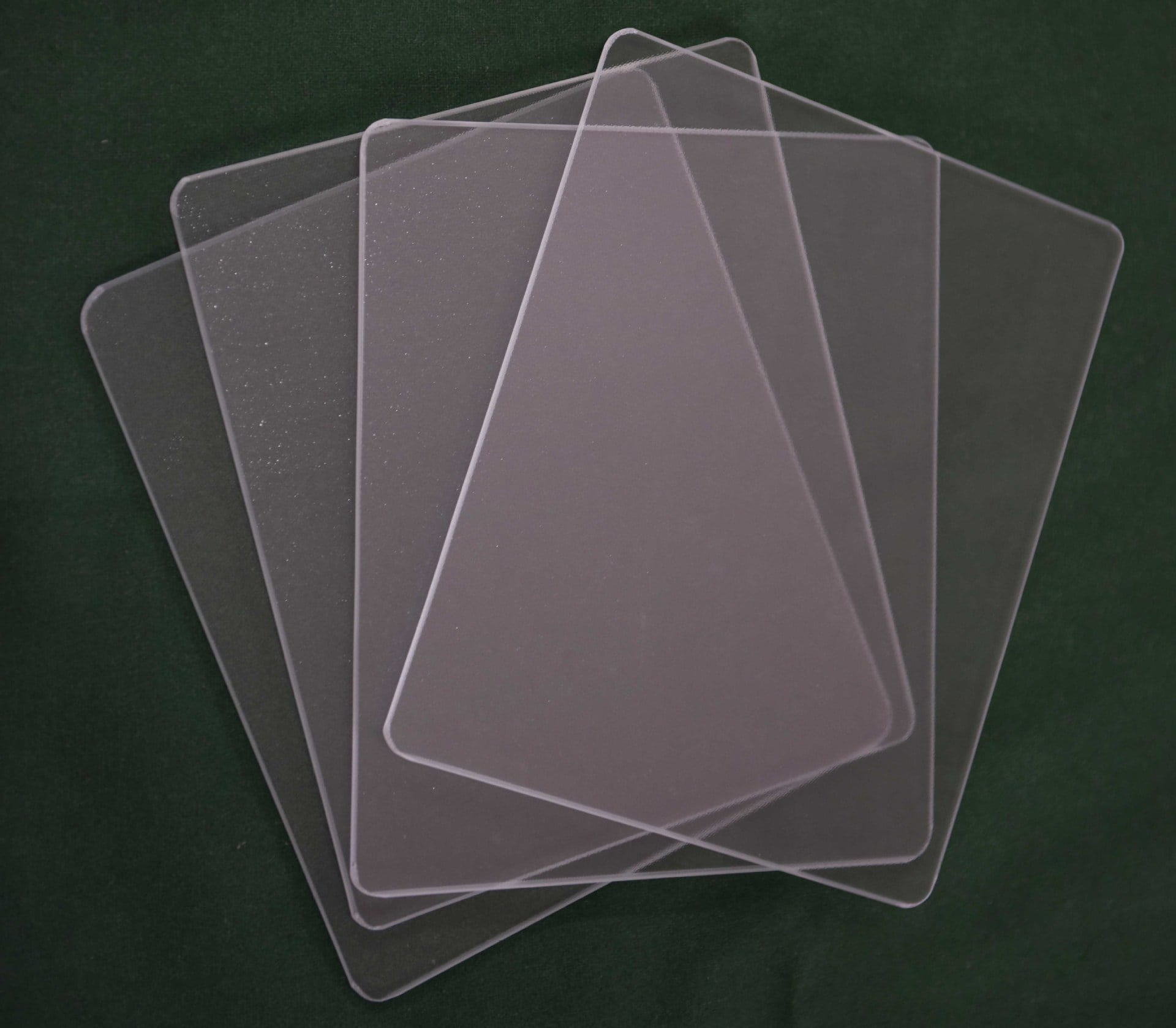
Selecting the right thickness for solar patterned glass is a critical design decision that directly impacts module performance, structural integrity, and long-term reliability. In photovoltaic manufacturing, solar patterned glass thickness determines how effectively the material can withstand environmental stress, transmit light, and maintain electrical performance over decades of outdoor exposure. Engineers and procurement specialists working with solar patterned glass panels must understand the relationship between thickness, mechanical strength, optical properties, and cost implications to make informed material specifications.
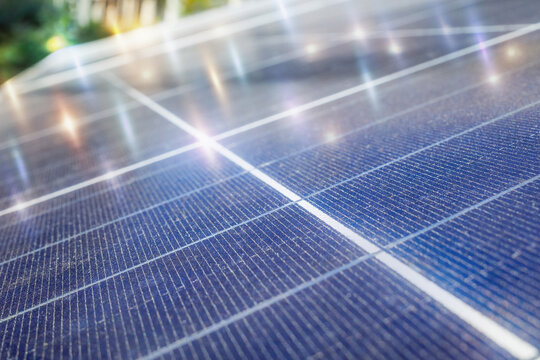
The thickness of solar patterned glass does not exist in isolation; it works in concert with material composition, tempering processes, and coating technologies to optimize module function. Standard industry guidelines recommend specific thickness ranges based on application type, installation environment, and expected lifespan. Understanding these standards helps manufacturers achieve the balance between material cost reduction and performance assurance that modern solar projects require.
Understanding Thickness Standards for Solar Patterned Glass
Industry-Recommended Thickness Ranges
The photovoltaic industry has established proven thickness standards for solar patterned glass based on decades of field performance data and engineering analysis. Standard solar patterned glass thickness typically ranges from 3.2 millimeters to 4 millimeters for most conventional crystalline silicon photovoltaic modules. Thinner options at 3.2 millimeters reduce material costs and module weight while still meeting international safety and performance standards such as IEC 61730. Thicker configurations at 4 millimeters and beyond provide enhanced mechanical strength and are often preferred in harsh climates, large-scale ground installations, or applications requiring exceptional durability.
Specification Factors That Drive Thickness Selection
Several engineering parameters influence optimal thickness for solar patterned glass in any given application. Frame design, mounting system, wind load ratings, hail impact resistance, and thermal cycling expectations all factor into thickness determination. A residential rooftop installation in a temperate zone may succeed with standard 3.2 millimeter solar patterned glass, while utility-scale ground-mounted systems in high-wind or high-hail regions often specify 4 millimeter or thicker configurations. Tempered solar patterned glass at any thickness must comply with mechanical strength requirements, typically expressed in megapascals, to ensure the material survives installation, transport, and operational stresses without fracture.
Performance Implications of Glass Thickness Variations
Mechanical Strength and Environmental Durability
Increasing the thickness of solar patterned glass directly improves mechanical strength and resistance to damage from wind, hail, and thermal shock. Tempered solar patterned glass achieves its strength through controlled cooling processes that create compressive surface stress; thicker material benefits from greater stress distribution capacity and slower stress propagation if microscopic damage occurs. In practice, modules manufactured with thicker solar patterned glass demonstrate lower breakage rates during installation, shipping, and extreme weather events. This durability advantage translates into reduced warranty claims, fewer field replacements, and improved long-term financial returns for system owners, especially in regions with challenging climate conditions.
Optical Transmission and Energy Output
Contrary to intuition, reasonable increases in solar patterned glass thickness have negligible negative impact on light transmission when the material is engineered correctly. High-quality low-iron solar patterned glass with anti-reflective coatings maintains optical transmittance above 90 percent across standard thickness ranges. The patterned surface features on solar patterned glass scatter light and enhance coupling into the silicon cells beneath, and these surface effects dominate optical performance far more than thickness variations within the 3.2 to 4 millimeter range. Therefore, selecting thicker solar patterned glass for enhanced durability does not sacrifice energy generation efficiency; performance losses remain negligible while mechanical reliability improves substantially.
Cost-Performance Trade-offs in Solar Patterned Glass Design
Material Cost Versus Long-Term Value
The relationship between solar patterned glass thickness and cost is approximately linear in raw material terms; thicker glass requires more raw material and corresponds to higher costs per unit area. However, total cost of ownership calculations often favor slightly thicker solar patterned glass because durability improvements reduce warranty expenses, warranty claim processing, and field service costs over the 25 to 30 year module lifetime. A module manufactured with 3.2 millimeter solar patterned glass may cost 2 to 3 percent less upfront, but if it experiences higher failure rates or requires early replacement, the economic advantage disappears. Conversely, specifying solar patterned glass thicker than necessary for the actual application environment represents wasted material cost without corresponding performance benefit.
Weight and Installation Considerations
Thicker solar patterned glass increases module weight, which affects structural support requirements, installation labor, and shipping logistics. A full-size photovoltaic module constructed with 4 millimeter solar patterned glass weighs approximately 20 to 25 kilograms, compared to roughly 18 to 22 kilograms with 3.2 millimeter glass. For residential installations with adequate roof framing, this difference is negligible and rarely influences design decisions. However, in large commercial or utility-scale projects where thousands of modules require specialized mounting systems, the cumulative weight difference impacts structural engineering costs, racking material quantities, and installation complexity. Manufacturers must therefore balance durability advantages of thicker solar patterned glass against practical installation constraints and total system cost.
Environmental and Application-Specific Thickness Recommendations
Climate Considerations and Regional Best Practices
Geographic location and local climate patterns should inform solar patterned glass thickness specifications for optimal project performance. Regions experiencing frequent hail events, high winds, or severe thermal cycling benefit from solar patterned glass at 4 millimeters or thicker, as the increased durability margin justifies modest additional cost. Coastal installations exposed to salt spray and aggressive environmental conditions also benefit from thicker solar patterned glass paired with appropriate edge sealing and frame materials. Conversely, protected installations in moderate climates with low hail risk and predictable weather patterns can achieve acceptable performance with solar patterned glass at 3.2 millimeters, thereby optimizing cost efficiency without compromising reliability.
Emerging Technologies and Customization Trends
Advanced manufacturing techniques now enable more precise control over solar patterned glass thickness uniformity and custom thickness specifications tailored to specific module designs and customer requirements. Some bifacial and building-integrated photovoltaic applications employ specialized solar patterned glass configurations that differ from conventional monoface module standards. Photovoltaic manufacturers can now offer solar patterned glass options from 2.5 millimeters in lightweight applications through 5 millimeters or thicker for extreme-duty installations, all while maintaining optimal optical and mechanical properties. This flexibility enables engineers to specify solar patterned glass thickness that precisely matches project requirements rather than accepting one-size-fits-all solutions, improving overall system economics and performance outcomes.
FAQ
What thickness of solar patterned glass is standard for residential photovoltaic modules?
Standard residential photovoltaic modules typically use 3.2 millimeter or 4 millimeter thick solar patterned glass. The 3.2 millimeter thickness meets all international standards and provides reliable performance in typical residential environments, while 4 millimeter glass offers enhanced durability for areas prone to hail or severe weather. Both options are widely available and economically viable for residential applications.
Does thicker solar patterned glass reduce light transmission and energy output?
No, thickness variations within the standard 3.2 to 4 millimeter range have minimal impact on light transmission when using high-quality low-iron solar patterned glass with anti-reflective coatings. The patterned surface geometry and material composition have far greater influence on optical performance than thickness. Well-designed solar patterned glass maintains optical transmittance above 90 percent across all standard thickness options.
How do I choose the right thickness for my solar patterned glass application?
Consider your local climate conditions, installation environment, wind and hail risk, expected module lifespan, and budget constraints. Harsh climates, high-wind zones, and large utility-scale projects typically justify thicker solar patterned glass. Moderate climates and residential installations may achieve optimal cost-performance balance with standard 3.2 millimeter thickness. Consult industry standards such as IEC 61730 and work with your glass supplier to confirm specifications match your specific project requirements.